
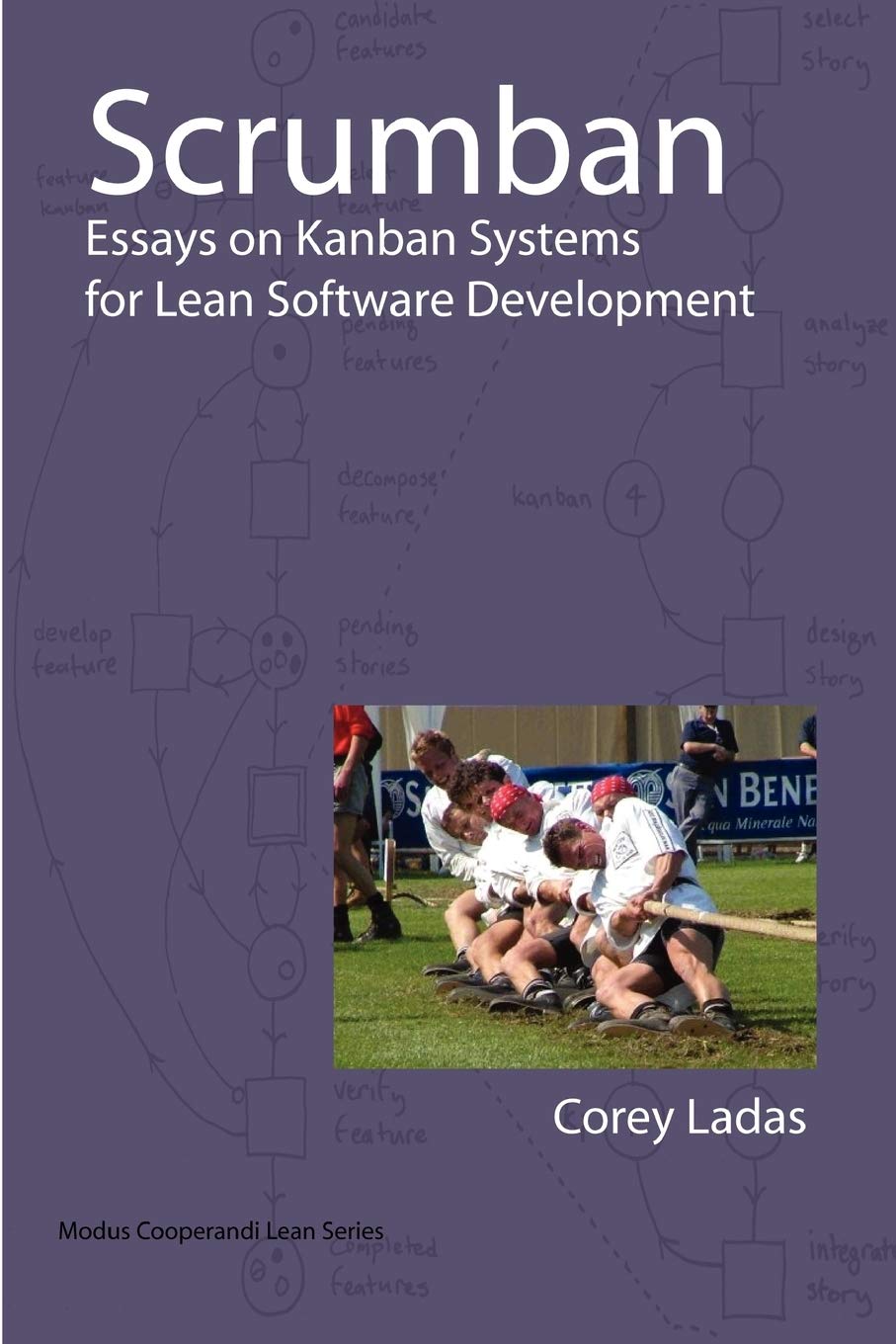
Scrumban: Essays on Kanban Systems for Lean Software Development by Corey Ladas – A Practical Guide for Agile Teams
Inclusive of all applicable taxes. FREE shipping on all orders.
Available Offers
- 🚚Free Delivery — Free shipping on all orders
- 💵Cash on Delivery — Pay when your order arrives
- ↩️15-Day Easy Returns — Hassle-free return policy
- 🔒Cash on Delivery — Pay safely when your order arrives
Check Delivery
Product Description
Introduction
In the ever-evolving world of software development, teams constantly seek methodologies that balance structure with flexibility. Corey Ladas' Scrumban - Essays on Kanban Systems for Lean Software Development offers a transformative perspective for Indian developers, project managers, and IT students navigating the complexities of modern coding projects. This hardcover edition from Modus Cooperandi Press bridges the gap between Scrum’s iterative framework and Kanban’s flow-based efficiency, presenting a practical guide for achieving continuous improvement without rigid overhead.
Book Overview
This book is not a conventional textbook but a collection of insightful essays that challenge traditional agile dogma. Ladas introduces Scrumban as an evolutionary hybrid—borrowing Scrum’s roles and ceremonies while embracing Kanban’s pull-based workflow and visual management. Written for practitioners who have outgrown basic agile training, the book dives into real-world scenarios where teams must adapt swiftly to changing priorities. It emphasizes metrics, cadence, and the psychology of change, making it a valuable resource for Indian tech hubs like Bengaluru, Hyderabad, and Pune, where lean software practices are gaining traction.
Key Highlights
- Original Framework: Introduces Scrumban as a natural evolution from Scrum to Kanban, focusing on system thinking.
- Practical Essays: Each chapter stands alone, allowing readers to jump into specific topics like bottleneck analysis or queue management.
- Metrics-Driven: Detailed coverage of cumulative flow diagrams, cycle time, and throughput to measure improvement.
- Indian Context: Applicable to startups and enterprises alike, with examples that resonate with teams working in distributed environments.
- Hardcover Quality: A durable edition perfect for reference during sprint planning or retrospective meetings.
Inside the Book
The essays begin by questioning why teams stick to Scrum even when it feels constraining. Ladas then outlines the core principles of Kanban—visualize work, limit work-in-progress, manage flow, make policies explicit, and improve collaboratively. He contrasts this with Scrum’s time-boxed sprints and predefined roles, showing how Scrumban retains accountability while eliminating unnecessary ceremony. Later chapters explore advanced topics like pull-based scheduling, class-of-service differentiation, and the economics of queuing theory. The book ends with a reflection on leadership and culture, urging managers to foster trust over control.
Key Topics
- Scrum vs. Kanban: Understanding the strengths and limitations of each methodology.
- Work-in-Progress Limits: How to set and adjust WIP thresholds for optimal throughput.
- Cadence and Flow: Synchronizing release planning with continuous delivery.
- Metrics That Matter: Using lead time, cycle time, and cumulative flow to drive decisions.
- Change Management: Introducing Scrumban without disrupting existing team morale.
- Process Improvement: Identifying waste and implementing kaizen in software contexts.
Reader Benefits
Indian readers will find this book especially beneficial for transitioning from academic agile knowledge to hands-on team management. It helps reduce the anxiety of adopting new workflows by providing clear, evidence-based strategies. Developers learn to self-organize without micromanagement, while project managers gain tools to predict delivery dates more accurately. The essays also address common pitfalls in Indian IT firms, such as overcommitment during sprints and lack of visibility across distributed teams. By internalizing these concepts, readers can improve code quality, reduce burnout, and increase customer satisfaction.
Learning Outcomes
- Master Hybrid Methodologies: Combine Scrum’s structure with Kanban’s flexibility to suit your team’s unique needs.
- Optimize Workflow: Identify and eliminate bottlenecks using visual boards and flow metrics.
- Drive Continuous Improvement: Implement small, iterative changes that yield long-term gains.
- Enhance Collaboration: Foster a culture of transparency and shared responsibility.
- Make Data-Driven Decisions: Use empirical evidence from your own system to prioritize work.
Who Should Read
This book is ideal for software developers, Scrum Masters, product owners, and engineering managers in India who have basic agile experience and want to level up. It is also relevant for computer science students and recent graduates who wish to understand real-world process optimization beyond textbooks. Additionally, consultants and coaches helping Indian startups scale their engineering practices will find actionable insights. Whether you work at a multinational corporation or a small tech venture, Ladas’ essays provide a pragmatic blueprint for evolving your delivery pipeline.
About the Author
Corey Ladas is a respected thought leader in the lean software community. He coined the term “Scrumban” in his seminal 2008 paper, which sparked global conversations about hybrid agile methods. With years of experience as a practitioner and consultant, Ladas brings a no-nonsense approach to process improvement. He has worked with teams across industries, helping them move from chaotic delivery to predictable, sustainable flow. His writing is known for its clarity, wit, and deep respect for the craft of software development.
About the Publisher
Modus Cooperandi Press is a niche publisher dedicated to advancing lean and agile practices in software engineering. Based in the United States, they specialize in producing high-quality, practitioner-focused books that challenge conventional wisdom. Their catalog includes works on Kanban, systems thinking, and organizational change—all curated for professionals who value substance over hype. This hardcover edition reflects their commitment to durable, timeless resources that can withstand daily use in busy office environments.
Conclusion
Scrumban - Essays on Kanban Systems for Lean Software Development is more than a book—it is a toolkit for building resilient software teams. Corey Ladas distills complex theories into digestible essays that respect the reader’s intelligence and experience. For Indian professionals striving to deliver better software faster, this hardcover edition from Bookshops.in is an investment in practical wisdom. Add it to your library today and start your journey toward smoother workflows, happier teams, and superior products.
Quick Summary
Scrumban: Essays on Kanban Systems for Lean Software Development by Corey Ladas is a seminal work that bridges the gap between Scrum and Kanban methodologies. This book is ideal for software development teams, agile coaches, and project managers who want to enhance their workflow efficiency through lean principles. Readers will learn how to implement Kanban systems within Scrum environments, use metrics like cycle time and throughput to drive continuous improvement, and manage work-in-progress limits effectively. The essays provide practical, real-world insights without requiring a complete overhaul of existing processes. By choosing to buy from Bookshops.in, Indian readers get a premium hardcover edition delivered reliably, supporting a local bookstore that understands the needs of tech professionals. Whether you're a seasoned practitioner or new to lean, this book offers valuable tools to optimize your development lifecycle and foster a culture of ongoing improvement.
Book Highlights
Book Specifications
| ISBN-13 | 9780578002149 |
| ISBN-10 | 0578002140 |
| Publisher | Modus Cooperandi Press |
| Language | English |
| Dimensions | 14.61 x 1.91 x 23.5 cm |
| Weight | 1 kg 50 g |
| Country | India |
| Category | Business & Economics › Analysis & Strategy |
| Genre | Non-fiction |
| Reading Age | Adult |
| Original Language | English |
Frequently Asked Questions
What is Scrumban about?
Who is the author of Scrumban?
Is this book suitable for beginners?
What topics does the book cover?
How is Scrumban different from Scrum?
Does the book include case studies?
Is this book only for software developers?
What is the price of Scrumban on Bookshops.in?
Can I use Scrumban with other agile methods?
Does the book provide step-by-step implementation?
What are the key metrics discussed?
Is this book relevant for Indian software teams?
What format is this book available in?
Readers Also Search For
Customers Also Bought

Entrepreneurship
Chinese Economic Revolution (English, Linda Grove)
Entrepreneurship
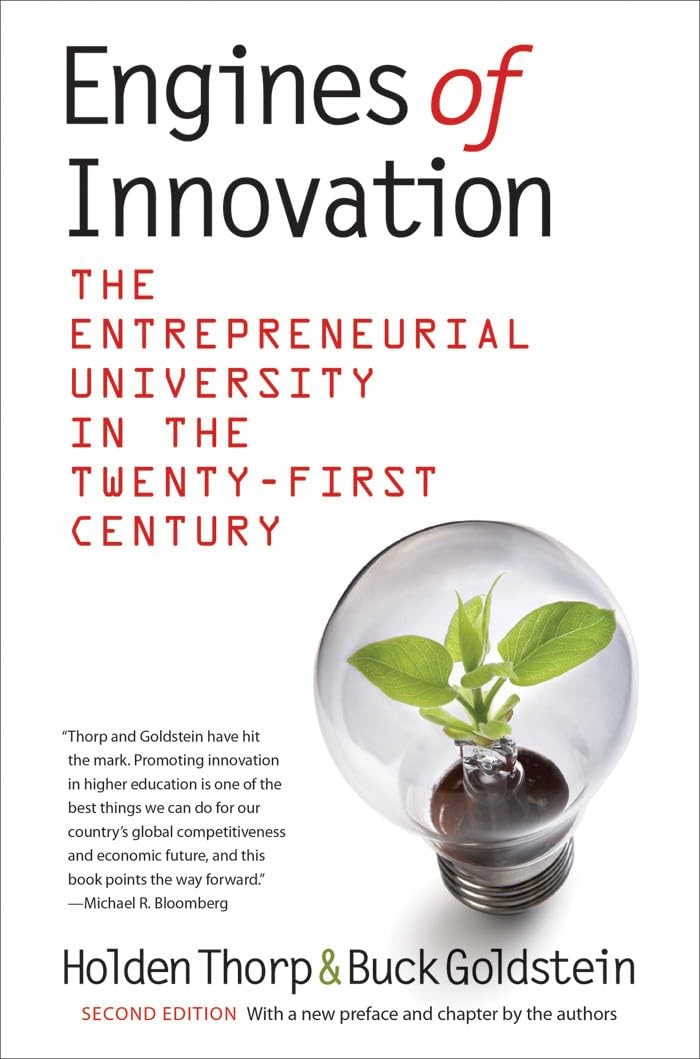
Engines of Innovation: The Entrepreneurial University in the Twenty-First Century by Holden Thorp
Entrepreneurship
Invention to Innovation (English, PhD Marshall Larry | Jenna Daroczy)
Entrepreneurship
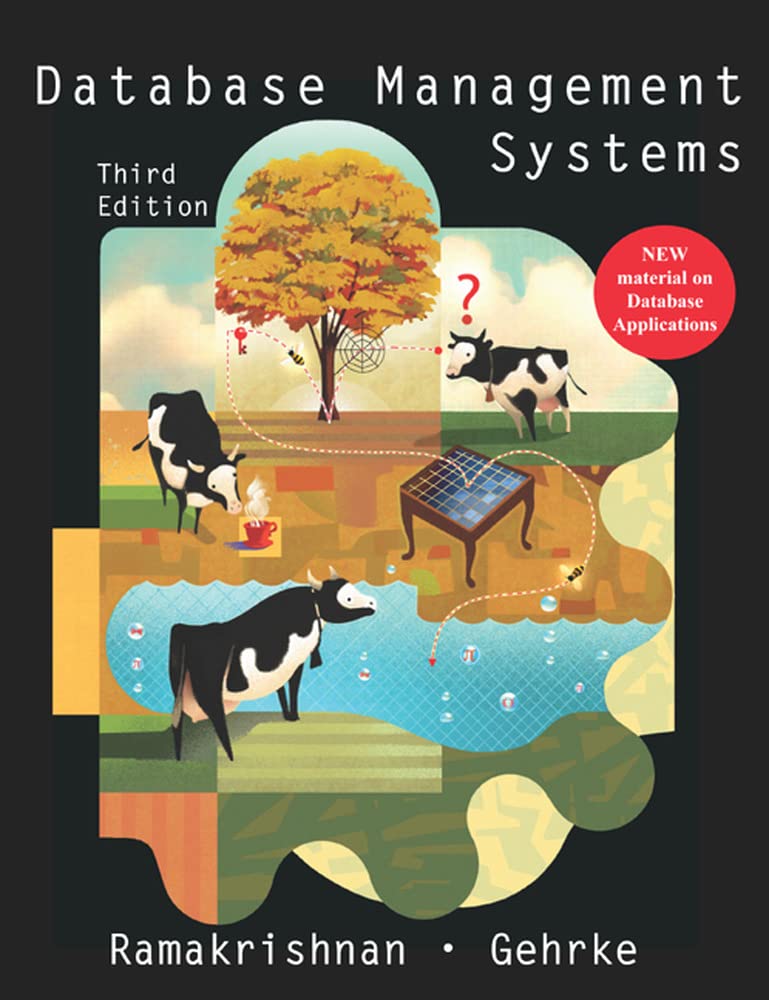
Database Management Systems by Raghu Ramakrishnan – DBMS Textbook

Entrepreneurship
Decision-making for Technology Executives by Harold A. Linstone
Entrepreneurship
The Business Innovation Audit (English, William Tate)
Related Products
View All
Business & Economics
OECD institutional investors statistics 2019
Business & Economics
Philosophical Frameworks for Understanding Information Systems

Business & Economics
OECD Insurance Statistics 2019

Business & Economics
The Political Economy of West African Agriculture: 36 (Cambridge Studies in Social and Cultural Anthropology, Series Number 36)

Business & Economics
A History of Shopping (Studies in Social History)

Business & Economics