
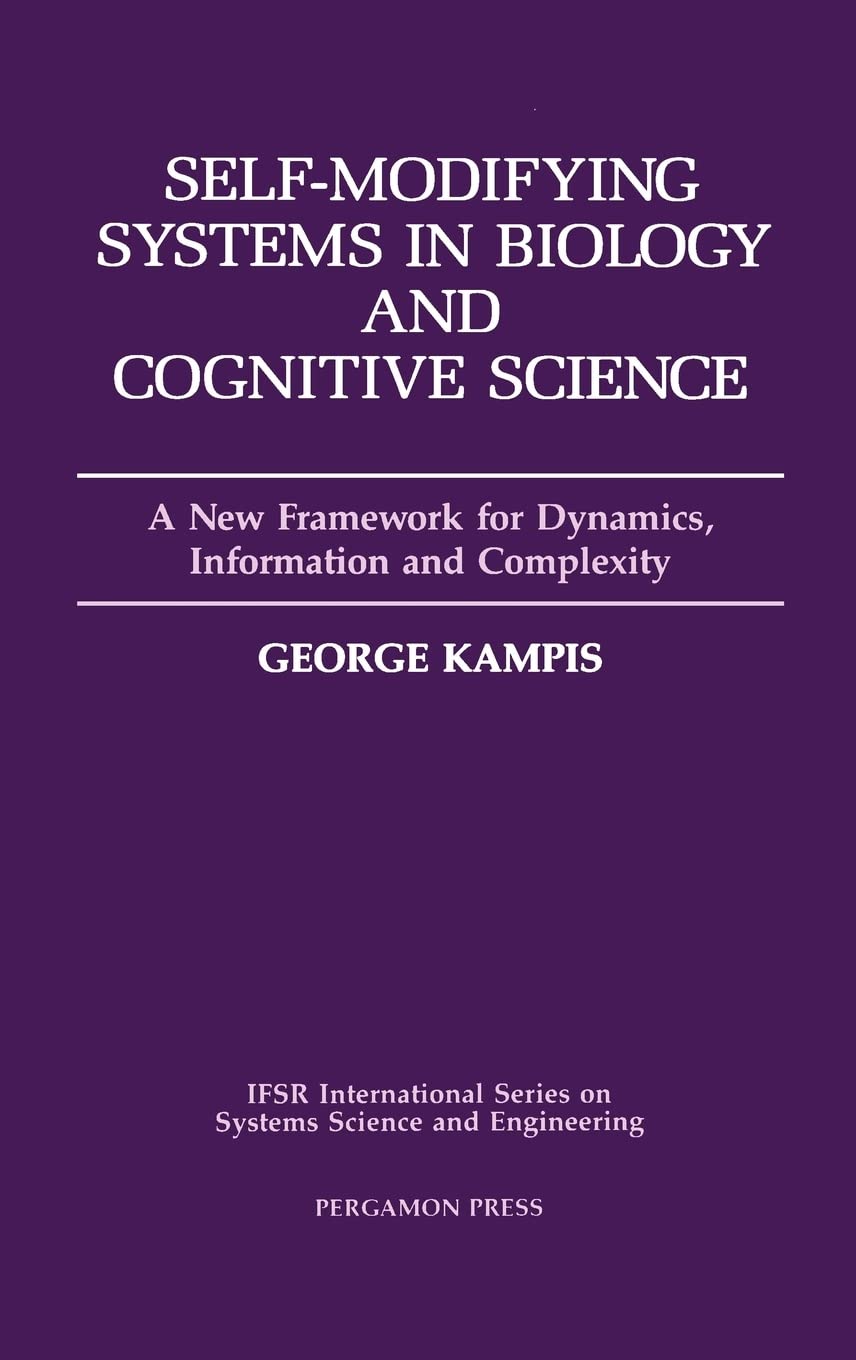
Self-Modifying Systems in Biology and Cognitive Science: A New Framework for Dynamics, Information and Complexity by G.
Inclusive of all applicable taxes. FREE shipping on all orders.
Available Offers
- 🚚Free Delivery — Free shipping on all orders
- 💵Cash on Delivery — Pay when your order arrives
- ↩️15-Day Easy Returns — Hassle-free return policy
- 🔒Cash on Delivery — Pay safely when your order arrives
Check Delivery
Product Description
Introduction
In the vast and intricate landscape of scientific inquiry, few works dare to challenge the foundational assumptions of how we model life, mind, and complexity. Self-Modifying Systems in Biology and Cognitive Science: A New Framework for Dynamics, Information and Complexity by G. Kampis is one such landmark volume. Published by Pergamon in a sturdy hardcover edition, this book offers a radical rethinking of systems theory, blending mathematics, philosophy, and natural science. For Indian students and researchers delving into the frontiers of theoretical biology, cognitive science, and complex systems, this text is an indispensable intellectual companion.
Book Overview
This book is not merely a technical treatise; it is a philosophical and mathematical exploration of how systems—biological, cognitive, and computational—can generate new information by altering their own internal structures. Kampis argues that traditional models, which treat systems as fixed and static, fail to capture the essence of living and thinking entities. Instead, he proposes a framework where systems are self-modifying, meaning their very identity changes over time through internal dynamics. This shift has profound implications for understanding evolution, cognition, and the nature of reality itself.
Key Highlights
- Original Framework: Introduces a new organizational principle based on internal semantic relations within systems.
- Interdisciplinary Scope: Bridges biology, cognitive science, mathematics, and philosophy.
- Mathematical Rigour: Discusses Turing machines, input-output systems, synergetic systems, and nonlinear dynamics.
- Conceptual Depth: Offers a fresh perspective on information as a self-generated, dynamic entity.
- Critical Analysis: Compares and contrasts existing system theories with the proposed self-modifying paradigm.
Inside the Book
The book is structured to guide the reader from foundational concepts to advanced implications. Early chapters lay the groundwork by examining classical systems theory and its limitations. Kampis then systematically introduces the idea of self-modification, using logical and mathematical tools to demonstrate how systems can change their own rules. Later chapters explore the consequences for information theory, complexity, and the philosophy of science. Each section is rich with examples from biology (such as cellular processes and evolutionary dynamics) and cognitive science (including perception, memory, and learning).
Key Topics
- Self-modification and identity change in mathematical systems
- Information as a product of internal system dynamics
- Comparison of Turing machines, input-output models, and synergetic systems
- Nonlinear dynamics and complexity in biological and cognitive contexts
- The role of semantic relations in shaping system behaviour
- Philosophical implications for realism and representation
Reader Benefits
- Deepen Your Understanding: Gain a novel perspective on how living and cognitive systems operate beyond mechanistic models.
- Enhance Research: Equip yourself with a conceptual toolkit for studying complex adaptive systems.
- Bridge Disciplines: Connect insights from biology, cognitive science, and mathematics in a unified framework.
- Challenge Assumptions: Question the foundations of information theory and system modelling.
- Expand Your Library: Own a rare, hardcover edition from a respected academic publisher.
Learning Outcomes
By engaging with this book, readers will be able to: explain why biological and cognitive systems exhibit identity changes; analyse different classes of systems (Turing machines, nonlinear dynamics, etc.) and their limitations; articulate a new conception of information as self-generated; apply the self-modifying framework to real-world phenomena; and critically evaluate the relationship between mathematical representations and natural reality.
Who Should Read
This book is ideal for advanced undergraduate and postgraduate students in biology, cognitive science, philosophy of science, and mathematics. Researchers in complex systems, theoretical biology, artificial life, and epistemology will find it invaluable. It also appeals to curious minds interested in the deep questions of how life and mind create order and meaning. Indian academics and scholars looking for a challenging yet rewarding read will appreciate its rigorous yet accessible style.
About the Author
G. Kampis is a distinguished scholar known for his interdisciplinary work at the intersection of biology, cognitive science, and philosophy. With a background in theoretical biology and systems theory, Kampis has contributed significantly to the understanding of self-organization and information dynamics. His research has influenced fields ranging from evolutionary theory to artificial intelligence, making him a respected voice in the international scientific community.
About the Publisher
Pergamon, an imprint with a long and storied history in academic publishing, is renowned for its high-quality scientific and technical books. Based in the United Kingdom, Pergamon has been a trusted name for decades, offering rigorous, peer-reviewed content across the sciences. This hardcover edition reflects the publisher's commitment to durability and scholarly excellence.
Conclusion
Self-Modifying Systems in Biology and Cognitive Science is not just a book; it is an invitation to rethink the very fabric of reality as we model it. For Indian readers who seek to go beyond conventional textbooks and engage with cutting-edge ideas, this volume is a treasure. Whether you are a student, researcher, or lifelong learner, Kampis's work will challenge your intellect and expand your horizons. Order your copy today from Bookshops.in and add a truly transformative text to your collection.
Quick Summary
Self-Modifying Systems in Biology and Cognitive Science by G. Kampis presents a groundbreaking framework that redefines how we understand information generation in natural systems. The book argues that biological and cognitive processes involve identity changes that are mathematically and logically significant, leading to a new organizational principle based on shifts in internal semantic relations. Kampis contrasts classical models like Turing machines and non-linear dynamics with his own approach, offering a coherent view that spans philosophy, biology, and cognitive science. This hardcover is ideal for Indian graduate students, researchers, and academics interested in systems theory, complexity, and the philosophy of science. Readers will gain deep insights into self-modification, the nature of information, and the dynamics of complex systems. By purchasing from Bookshops.in, you support a premium Indian bookstore that ensures quality and reliable delivery across the country.
Book Highlights
Book Specifications
| ISBN-13 | 9780080369792 |
| ISBN-10 | 0080369790 |
| Publisher | Pergamon Press |
| Language | English |
| Dimensions | 15.6 x 3.18 x 23.39 cm |
| Weight | 930 g |
| Category | Biology & Life Sciences › Biology |
| Genre | Science & Mathematics |
| Original Language | English |
Frequently Asked Questions
What is the main theme of Self-Modifying Systems in Biology and Cognitive Science?
Who is the author G. Kampis?
Is this book suitable for undergraduate students?
What mathematical topics are covered?
Does the book focus only on biology?
What is the ISBN-13?
Is this a hardcover or paperback?
Can I buy this book for my college library?
What is the price in INR?
What is the rating of this book?
Does the book include practical applications?
Why is this book important for cognitive science?
Where can I buy this book in India?
Readers Also Search For
Customers Also Bought
Mathematics
Stereotype Spaces and Algebras: 73 (De Gruyter Expositions in Mathematics, 73)

Mathematics
Semigroups in Algebra, Geometry and Analysis: 20 (De Gruyter Expositions in Mathematics, 20)

Mathematics
Geometry from the Pacific Rim: Proceedings of the Pacific Rim Geometry Conference held at National University of Singapore, Republic of Singapore, ... 1994 (De Gruyter Proceedings in Mathematics)

Mathematics
First International Tainan-Moscow Algebra Workshop: Proceedings of the International Conference held at National Cheng Kung University Tainan, Taiwan, ... 1994 (De Gruyter Proceedings in Mathematics)
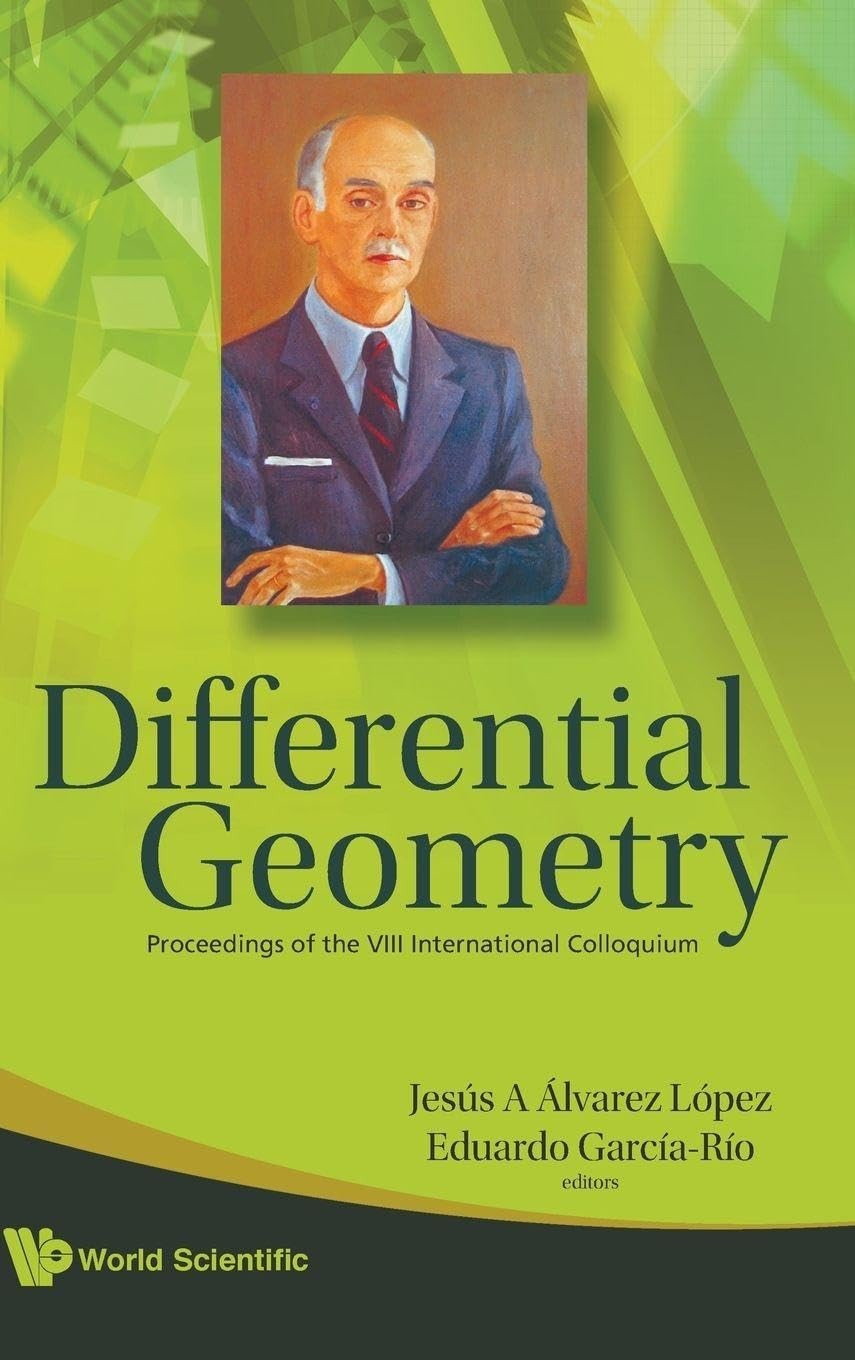
Mathematics
Differential Geometry - Proceedings of the VIII International Colloquium (English, Jesus A. Alvarez Lopez | Eduardo Garcia-Rio)

Mathematics
Mathematical Theory of Optimal Processes (Classics of Soviet Mathematics)
Related Products
View All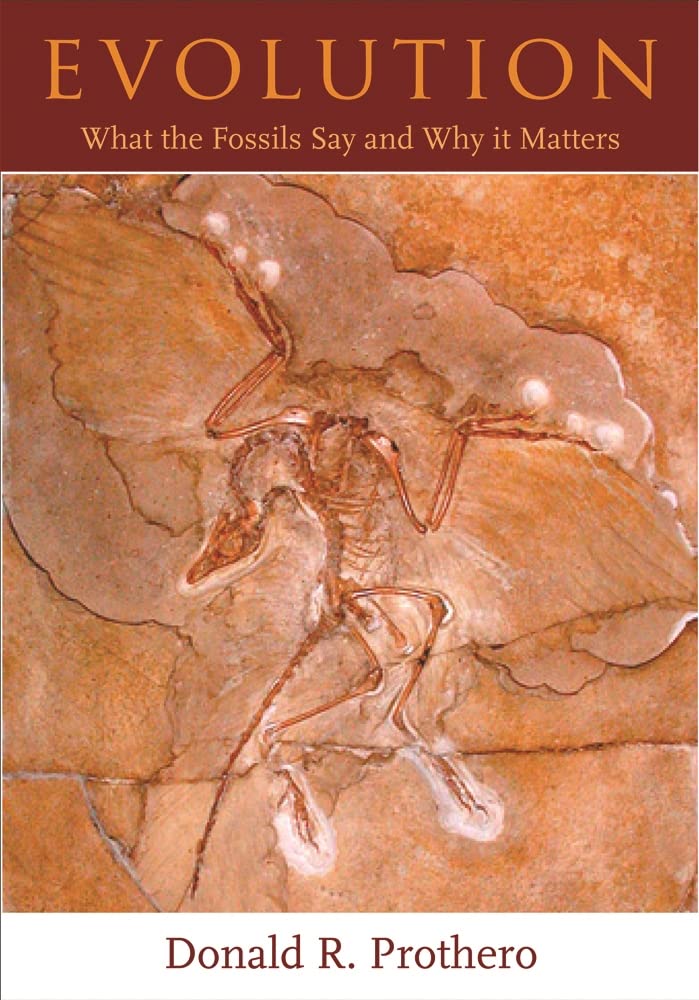
Biology
Evolution: What the Fossils Say and Why It Matters by Donald R. Prothero
Biology
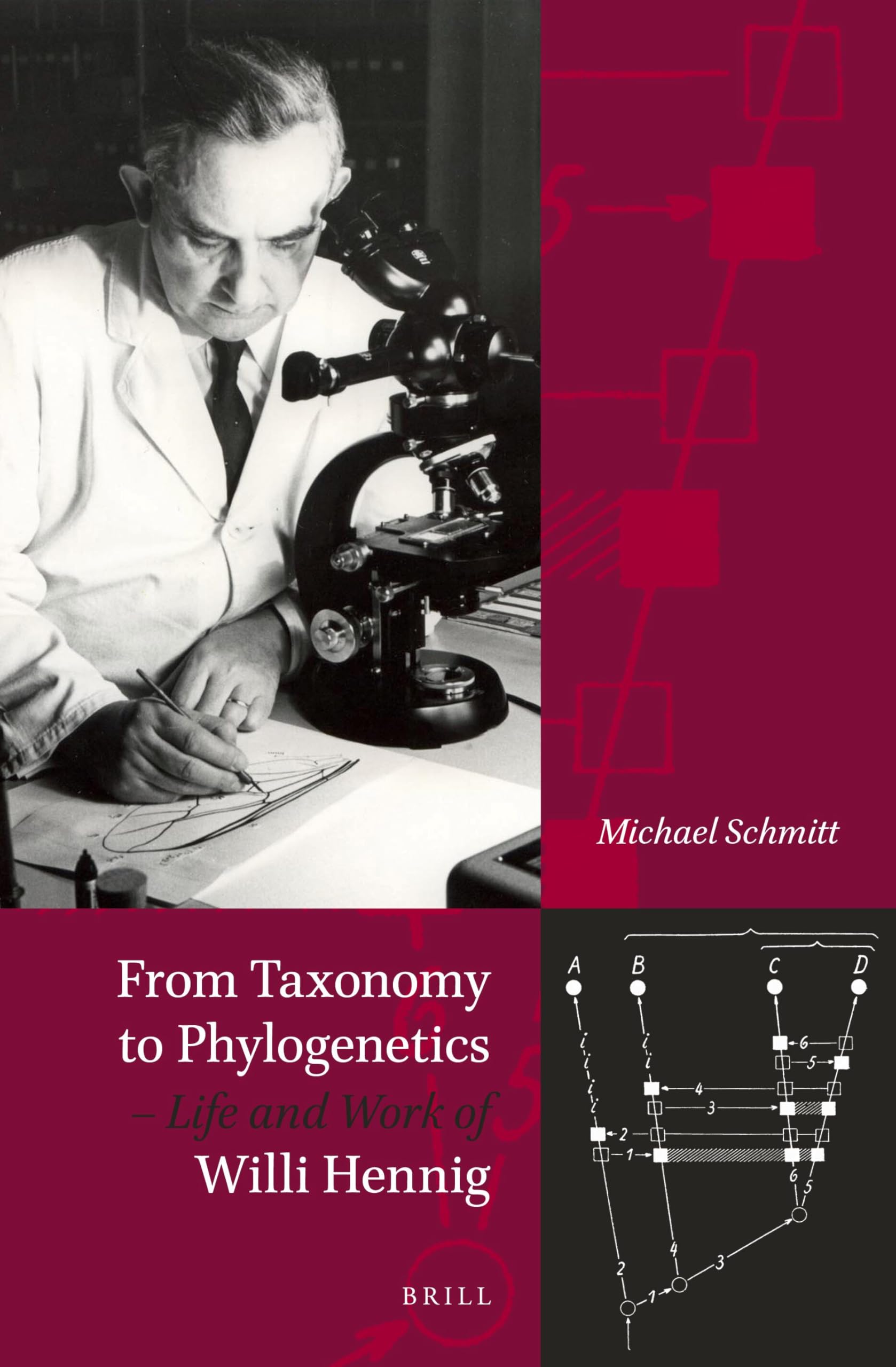
From Taxonomy to Phylogenetics – Life and Work of Willi Hennig

Biology
The Marine Biology of the South China Sea
Biology
Genetics Meets Metabolomics: from Experiment to Systems Biology
Biology
The Elements of Natural or Experimental Philosophy: 2
Biology