

Sentiment, Reason, and Law: Policing in the Republic of China on Taiwan by Jeffrey T. Martin – A Deep Dive into Democrat
Inclusive of all applicable taxes. FREE shipping on all orders.
Available Offers
- 🚚Free Delivery — Free shipping on all orders
- 💵Cash on Delivery — Pay when your order arrives
- ↩️15-Day Easy Returns — Hassle-free return policy
- 🔒Cash on Delivery — Pay safely when your order arrives
Check Delivery
Product Description
Introduction
In a world where policing is often reduced to law enforcement and crime control, Sentiment, Reason, and Law: Policing in the Republic of China on Taiwan offers a radically different perspective. This compelling work by Jeffrey T. Martin explores how police in Taiwan have historically served not as enforcers of state power, but as cultivators of community will. For Indian readers, students, and legal professionals, this book provides a unique comparative lens to understand the social and political dimensions of policing in a non-Western democracy.
Book Overview
Published by Cornell University Press, this hardcover volume examines the transformation of policing in Taiwan from a single-party dictatorship (1949–1987) to a vibrant liberal democracy. Martin presents a paradox: how did a strong democratic order emerge from a foundation of weak police powers? Through ethnographic fieldwork at a neighborhood police station during Taiwan's first peaceful transfer of power, the author reveals that the police force’s true role was to foster political will and social harmony rather than simply enforce laws. This book challenges conventional notions of policing and offers a fresh framework for understanding state-society relations.
Key Highlights
- Original Research: Based on immersive fieldwork in a Taiwanese police station during a historic political transition.
- Paradoxical Insight: Demonstrates how weak policing contributed to strong democratic governance.
- Cultural Perspective: Offers a non-Western model of policing centered on sentiment and community will.
- Timely Relevance: Provides valuable lessons for democracies grappling with police reform and public trust.
Inside the Book
The book delves into the daily lives of police officers and citizens, showing how law enforcement in Taiwan operated through sentiment (emotional bonds) and reason (pragmatic negotiation) rather than strict legalism. Martin illustrates how police acted as mediators, educators, and community builders, shaping a political order that prioritized collective well-being. The narrative weaves together personal stories, institutional history, and political theory to paint a vivid picture of policing as a moral enterprise.
Key Topics
- The role of police in democratic transitions
- Community policing and social harmony in East Asia
- Comparative political theory of law and order
- Ethnography of state institutions
- Taiwan’s unique path from authoritarianism to democracy
Reader Benefits
- Gain a Global Perspective: Understand how policing functions differently across cultures and political systems.
- Deepen Your Knowledge: Ideal for students of law, political science, sociology, and criminology.
- Critical Thinking: Challenges assumptions about the purpose of police in society.
- Practical Insights: Useful for policymakers and reformers interested in community-oriented policing.
Learning Outcomes
By reading this book, you will be able to: analyze the relationship between policing and democratic consolidation; evaluate the role of sentiment and reason in law enforcement; compare Taiwan’s policing model with India’s; and critically assess the concept of police as community cultivators rather than law enforcers.
Who Should Read
- Law students and legal scholars
- Political science and sociology researchers
- Criminal justice professionals
- Policy analysts and activists
- Anyone interested in Asian studies, democracy, or police reform
About the Author
Jeffrey T. Martin is an anthropologist and scholar of law and society. His research focuses on policing, governance, and democracy in East Asia. He has conducted extensive fieldwork in Taiwan and brings a nuanced understanding of how cultural values shape state institutions. Martin’s work bridges anthropology and political science, offering rich ethnographic detail alongside theoretical depth.
About the Publisher
Cornell University Press is a prestigious academic publisher known for its rigorous scholarship in the social sciences and humanities. With a history spanning over 150 years, it publishes works that advance knowledge and foster critical dialogue. This book reflects their commitment to innovative research on global issues.
Conclusion
Sentiment, Reason, and Law is a thought-provoking exploration of policing that turns conventional wisdom upside down. For Indian readers, it offers a valuable comparative case study of how a democracy can thrive with a police force that prioritizes community over coercion. Whether you are a student, professional, or curious reader, this book will change how you think about law, order, and the ties that bind society together.
Quick Summary
Sentiment, Reason, and Law by Jeffrey T. Martin is a groundbreaking ethnographic study that reimagines the role of police in a democratic society. Focusing on a neighborhood police station in Taiwan after the country's transition from authoritarian rule to liberal democracy, Martin reveals a striking paradox: Taiwan built a strong democratic order on deliberately weak police powers. He argues that policing here is not about enforcing law, keeping order, or fighting crime, but about cultivating the political will of the community to live together. This book is ideal for law students, political scientists, criminologists, and anyone interested in alternative models of democracy and state power. Readers will learn how an illiberal policing ideal persisted even after democratization, and how community sentiment and reason shape police work in practice. By purchasing from Bookshops.in, you get a premium hardcover edition delivered to your doorstep, supporting a trusted Indian bookstore dedicated to scholarly works.
Book Highlights
Book Specifications
| ISBN-13 | 9781501740046 |
| ISBN-10 | 1501740040 |
| Publisher | Cornell University Press |
| Language | English |
| Dimensions | 15.24 x 2.06 x 22.86 cm |
| Weight | 426 g |
| Country | India |
| Category | Region & Countries › Asia |
| Genre | Non-fiction |
| Reading Age | Adult |
| Original Language | English |
Frequently Asked Questions
What is Sentiment, Reason, and Law about?
Who is the author of this book?
What makes this book unique?
Is this book suitable for Indian readers?
Which publisher released this book?
What is the ISBN of this book?
What is the price of this book in India?
What is the binding of this book?
What is the rating of this book?
What category does this book belong to?
Does this book cover Taiwan's political history?
Where can I buy this book in India?
Readers Also Search For
Related Products
View All
History
The Information Revolution: Transforming the World Through Technology (World History)
History
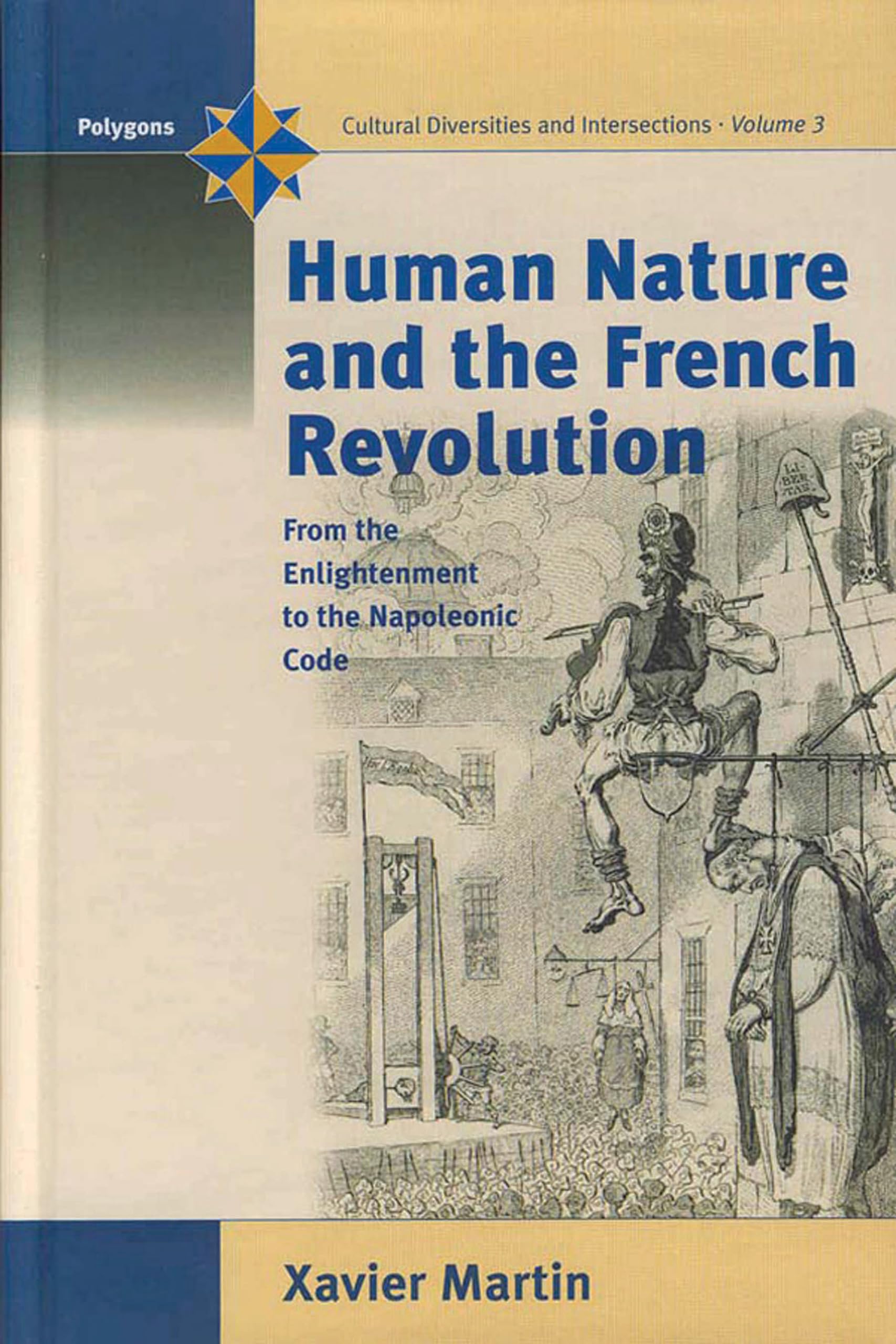
Human Nature and the French Revolution: From the Enlightenment to the Napoleonic Code: 3 (Polygons: Cultural Diversities and Intersections, 3)

History
The Unmaking of Home in Contemporary Art (Cultural Spaces)

History
Handbook to Life in Medieval and Early Modern Japan | by William E. Deal | Oxford University Press | by William E. Deal | Oxford University Press | by William E. Deal | Oxford University Press | by William E. Deal | Oxford University Press | by William E. Deal | Oxford University Press | by William E. Deal | Oxford University Press | by William E. Deal | Oxford University Press | by William E. Deal | Oxford University Press | by William E. Deal | Oxford University Press | by William E. Deal | Ox

History
The Narrators of Barbarian History (A.D. 550-800) | by Walter Goffart | University of Notre Dame Press | by Walter Goffart | University of Notre Dame Press | by Walter Goffart | University of Notre Dame Press | by Walter Goffart | University of Notre Dame Press | by Walter Goffart | University of Notre Dame Press | by Walter Goffart | University of Notre Dame Press | by Walter Goffart | University of Notre Dame Press | by Walter Goffart | University of Notre Dame Press | by Walter Goffart | Univ

History