
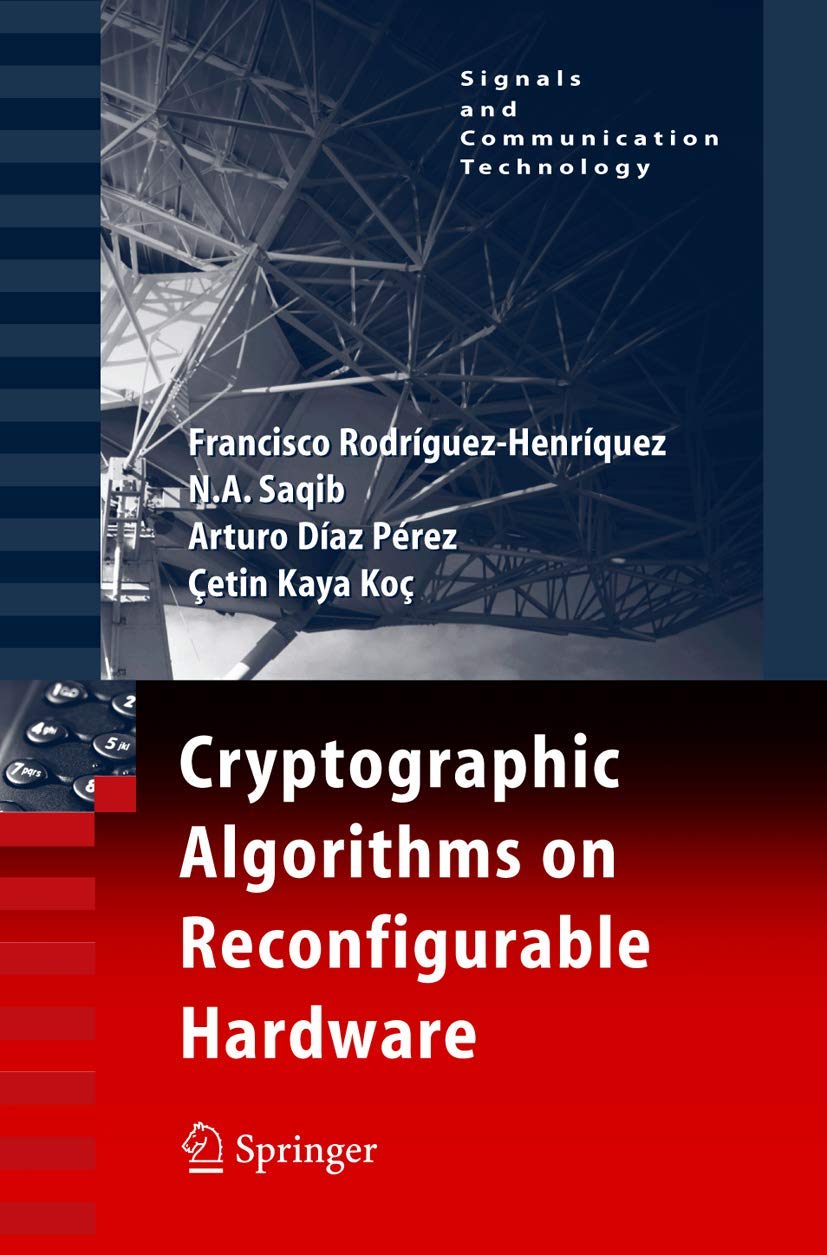
Cryptographic Algorithms on Reconfigurable Hardware by Francisco Rodriguez-Henriquez – A Comprehensive Guide to FPGA-Bas
Inclusive of all applicable taxes. FREE shipping on all orders.
Available Offers
- 🚚Free Delivery — Free shipping on all orders
- 💵Cash on Delivery — Pay when your order arrives
- ↩️15-Day Easy Returns — Hassle-free return policy
- 🔒Cash on Delivery — Pay safely when your order arrives
Check Delivery
Product Description
Introduction
In an era where data security is paramount, the demand for high-speed cryptographic solutions has never been greater. While software-based encryption methods suffice for low-traffic applications, real-time encryption of large data volumes calls for robust hardware implementations. Cryptographic Algorithms on Reconfigurable Hardware by Francisco Rodriguez-Henriquez offers a comprehensive exploration of how Field Programmable Gate Arrays (FPGAs) can be leveraged to build efficient, flexible, and high-performance cryptographic systems. This Springer publication is an essential resource for Indian students, researchers, and professionals seeking to master the intersection of cryptography and reconfigurable computing.
Book Overview
This hardcover volume delves deep into the design and implementation of cryptographic algorithms on reconfigurable hardware platforms. Unlike fixed-function ASICs, FPGAs allow rapid key changes and algorithm updates, making them ideal for evolving security standards. The book bridges theory and practice, covering everything from fundamental concepts to advanced optimization techniques. With a focus on real-world applicability, it equips readers with the knowledge to develop secure, high-speed cryptographic engines for applications ranging from network security to embedded systems.
Key Highlights
- Comprehensive coverage of symmetric and asymmetric cryptographic algorithms on FPGAs
- Step-by-step design methodology from algorithmic specification to hardware implementation
- Performance optimization strategies including pipelining, parallelism, and resource sharing
- Case studies of AES, RSA, ECC, and hash functions on reconfigurable platforms
- Practical guidance on using VHDL/Verilog for cryptographic hardware design
- Industry-relevant examples tailored for Indian engineering curricula and research
Inside the Book
The book is structured to guide readers from foundational principles to advanced topics. Early chapters introduce reconfigurable hardware architectures, FPGA families, and design flows. Subsequent sections delve into the implementation of block ciphers like AES, public-key cryptosystems such as RSA and elliptic curve cryptography, and cryptographic hash functions. Each algorithm is accompanied by detailed hardware architectures, timing analyses, and trade-off discussions. The final chapters explore side-channel attack countermeasures and future trends in reconfigurable cryptography.
Key Topics
- FPGA architecture and design flow for cryptographic applications
- Implementation of symmetric key algorithms (AES, DES, 3DES)
- Public-key cryptography on reconfigurable hardware (RSA, ECC, Diffie-Hellman)
- Cryptographic hash functions and message authentication codes
- Hardware acceleration techniques: pipelining, loop unrolling, and systolic arrays
- Side-channel attack resistance: DPA and fault analysis countermeasures
- Reconfigurable hardware for emerging post-quantum cryptography
Reader Benefits
- Gain hands-on expertise in designing cryptographic hardware using FPGAs
- Understand performance trade-offs between speed, area, and power consumption
- Learn industry-standard design practices applicable to VLSI and embedded systems
- Build a strong foundation for research in hardware security and cryptology
- Enhance career prospects in cybersecurity, semiconductor, and defense sectors
Learning Outcomes
By the end of this book, readers will be able to: analyze cryptographic algorithms for hardware suitability; design and simulate FPGA-based implementations using hardware description languages; optimize designs for throughput, latency, and resource utilization; implement countermeasures against common hardware attacks; and evaluate the feasibility of reconfigurable solutions for real-world security systems. These outcomes align with postgraduate courses in VLSI design, computer engineering, and information security offered at Indian institutes of technology and universities.
Who Should Read
- Engineering students in electronics, computer science, and information technology
- Research scholars working on hardware security and cryptographic engineering
- Practicing engineers in VLSI design, embedded systems, and network security
- Faculty members teaching advanced digital design or cryptography courses
- Professionals in defense, banking, and telecommunications requiring secure hardware solutions
About the Author
Francisco Rodriguez-Henriquez is a renowned researcher in the field of cryptographic hardware and reconfigurable computing. With decades of academic and industrial experience, he has contributed extensively to the design of efficient FPGA-based cryptosystems. His work has been published in leading journals and conferences, and he has collaborated with institutions worldwide. This book distills his expertise into a practical guide that has become a standard reference for students and professionals alike.
About the Publisher
Springer is a globally respected academic publisher known for its high-quality scientific and technical books. With a legacy spanning over 180 years, Springer delivers cutting-edge knowledge across disciplines. This volume is part of their prestigious series on signals and communication technology, ensuring rigorous peer review and editorial excellence. Indian readers can trust Springer publications for authoritative content that meets international academic standards.
Conclusion
Cryptographic Algorithms on Reconfigurable Hardware is an indispensable resource for anyone serious about hardware-based cryptography. Whether you are a student preparing for a career in cybersecurity, a researcher exploring novel FPGA architectures, or an engineer building secure systems, this book provides the theoretical depth and practical insights you need. Order your hardcover copy today from Bookshops.in and take a definitive step toward mastering the art of cryptographic hardware design.
Quick Summary
Cryptographic Algorithms on Reconfigurable Hardware by Francisco Rodriguez-Henriquez is a definitive guide for anyone interested in implementing cryptographic solutions using FPGAs. Unlike software-based methods, hardware approaches offer high-speed encryption essential for real-time data protection. This Springer hardcover delves into the advantages of reconfigurable hardware over traditional VLSI, highlighting flexibility, rapid key changes, and efficient implementation of cryptographic primitives. Targeted at VLSI engineers, embedded systems designers, and cryptography researchers, the book bridges theory and practice. Readers will learn to design secure, high-performance hardware for applications like secure communications and data storage. By choosing Bookshops.in, Indian customers get a reliable physical copy with fast delivery and trusted service.
Book Highlights
Book Specifications
| ISBN-13 | 9780387338835 |
| ISBN-10 | 0387338837 |
| Publisher | Springer-Verlag New York Inc. |
| Language | English |
| Dimensions | 16.1 x 2.97 x 24.18 cm |
| Weight | 776 g |
| Country | Germany |
| Category | Electrical & Electronic Engineering › Electronics |
| Genre | Non-fiction |
| Original Language | English |
Frequently Asked Questions
What is this book about?
Who is the author?
Is this book suitable for beginners?
What is the price in India?
What format is this book?
Is this book relevant for Indian students?
Does the book cover FPGA vs ASIC?
Can I use this for research?
What are the key topics?
Who is the publisher?
What is the ISBN?
Does it include practical examples?
Is it available in India?
What is the language?
Readers Also Search For
Customers Also Bought
Computer Science
Spring 2.5 Aspect Oriented Programming (English, Massimiliano Dess� | Massimiliano Dessi)

Computer Science
Asterisk 1.4 - the Professional's Guide (English, Colman Carpenter | David Duffett | Nik Middleton)
Computer Science
Advances In Natural Language Processing: 4th International Conference, Estal 2004, Alicante, Spain, October 20-22, 2004. Proceedings: 3230 (Lecture Notes in Computer Science)
Computer Science
Multimedia, Communication and Computing Application: Proceedings of the 2014 International Conference on Multimedia, Communication and Computing ... 2014), Xiamen, China, October 16-17, 2014
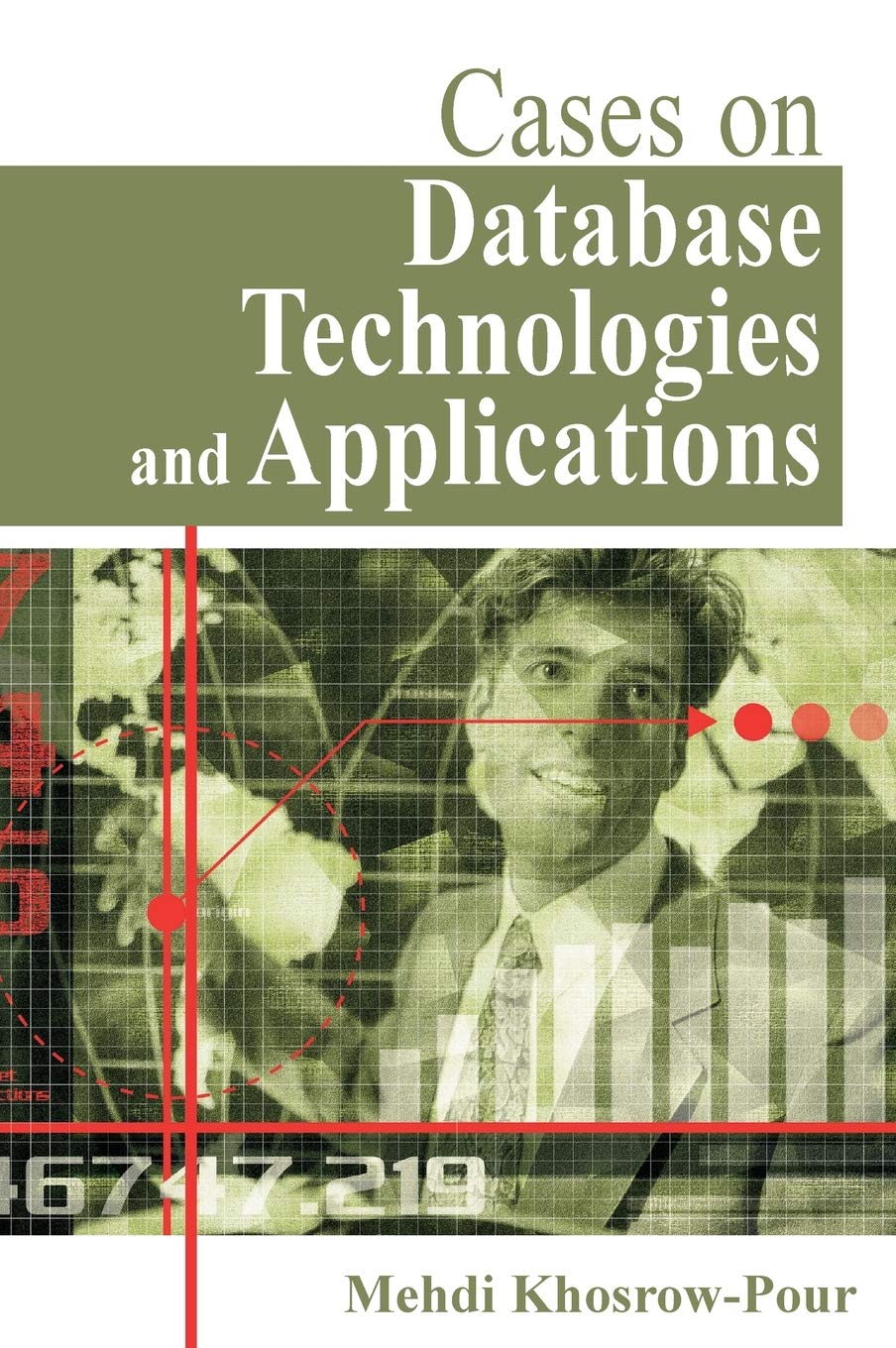
Computer Science
Cases on Database Technologies and Applications (Cases on Information Technology Series)
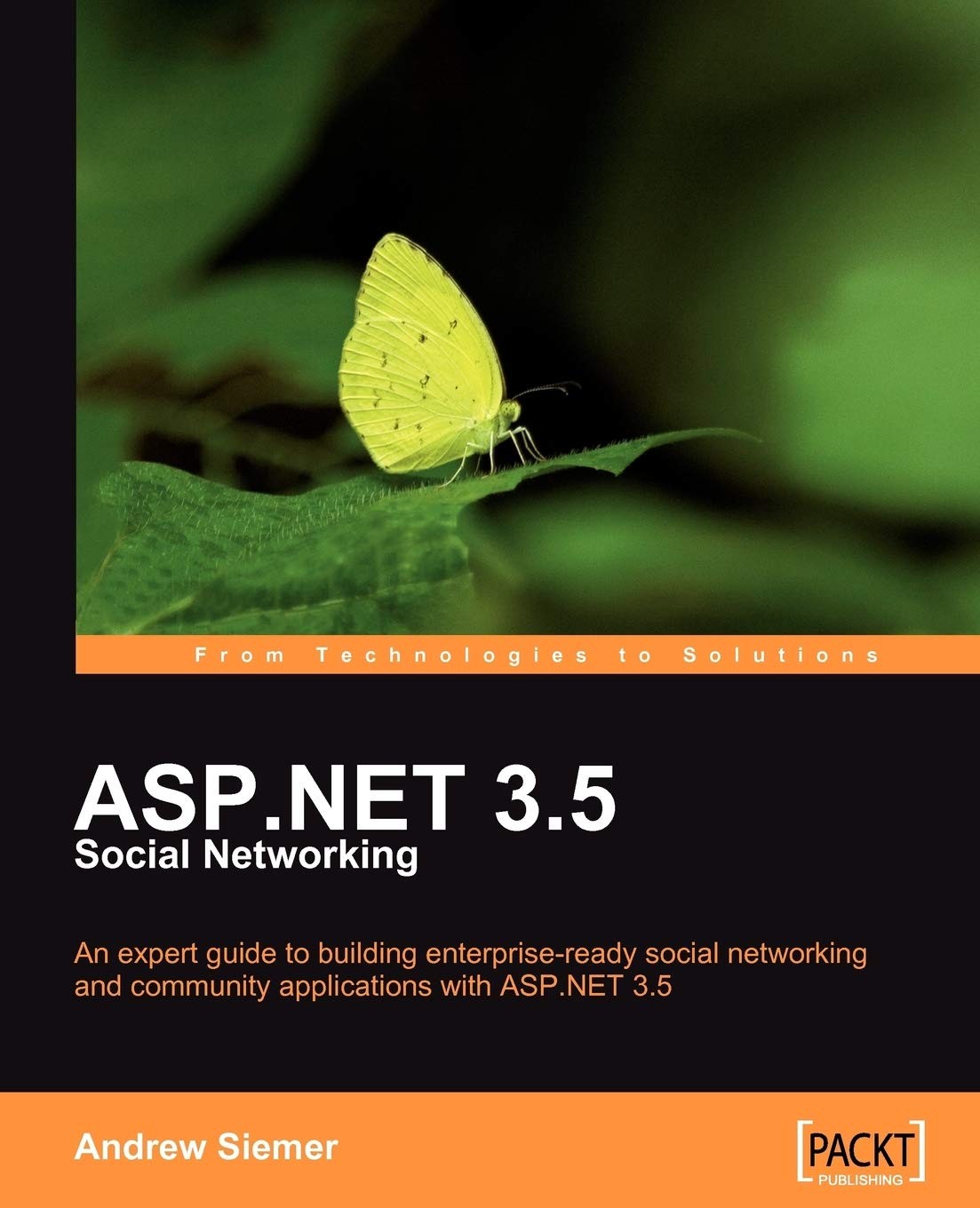
Computer Science
ASP.Net 3.5 Social Networking (English, Andrew Siemer)
Related Products
View All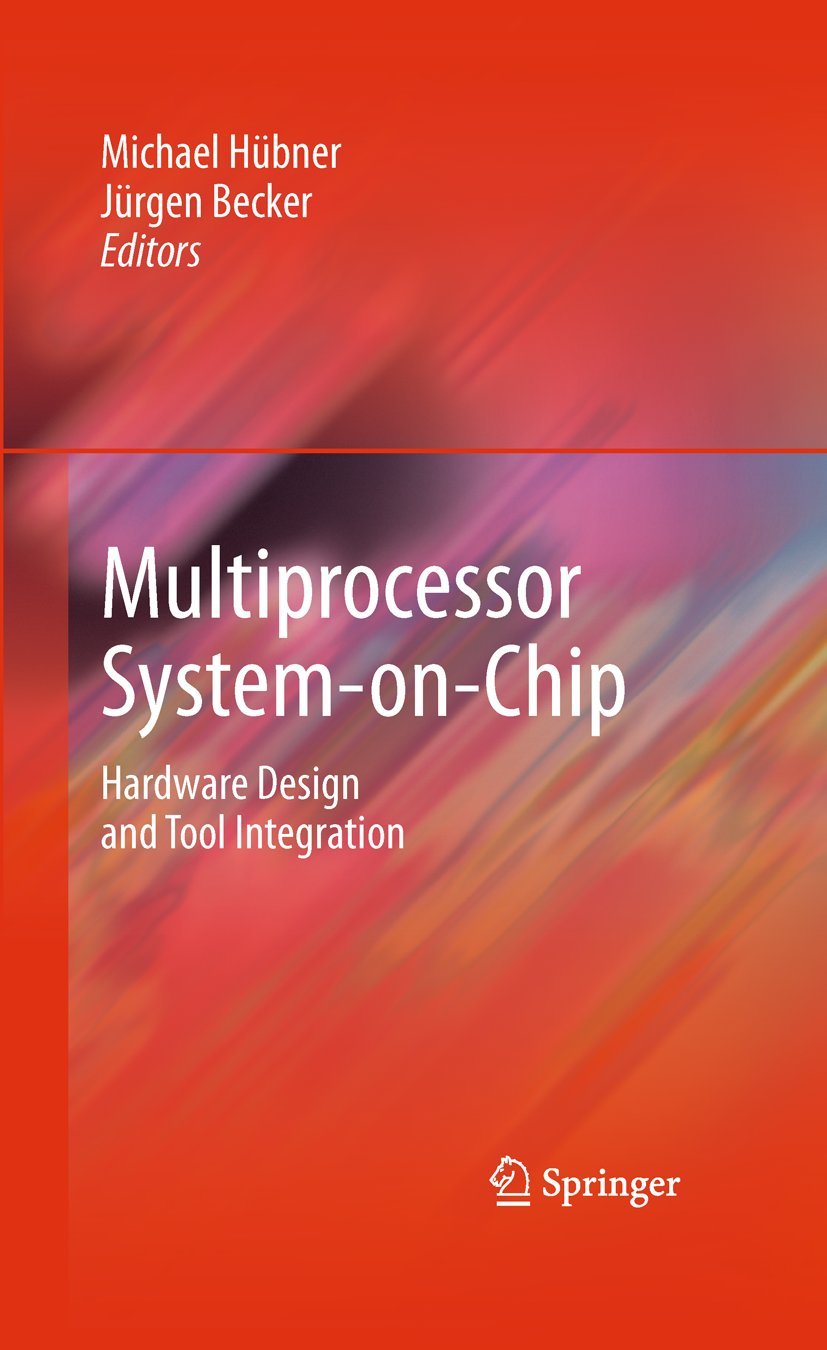
Electronics
Multiprocessor System-on-Chip: Hardware Design and Tool Integration
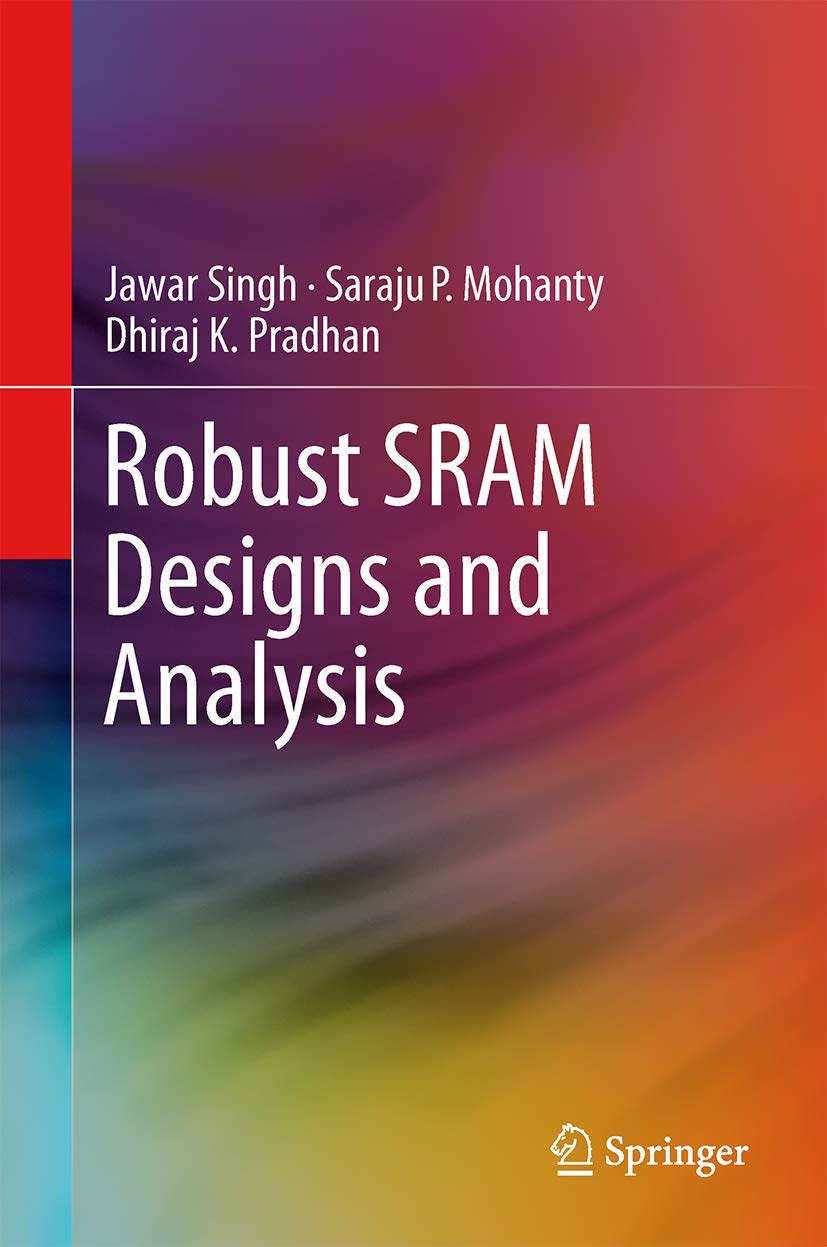
Electronics
Robust Sram Designs and Analysis
Electronics
Computational Accelerator Physics 2003 (English, M. Berz | K. Makino)
Electronics
Tiny Machine Learning Techniques for Constrained Devices (English, Khalid El-Makkaoui | Ismail Lamaakal | Ibrahim Ouahbi)
Electronics
Applied Computer Vision and Soft Computing with Interpretable AI (English, Swati V. Shinde | Darshan V. Medhane | Oscar Castillo)

Electronics