
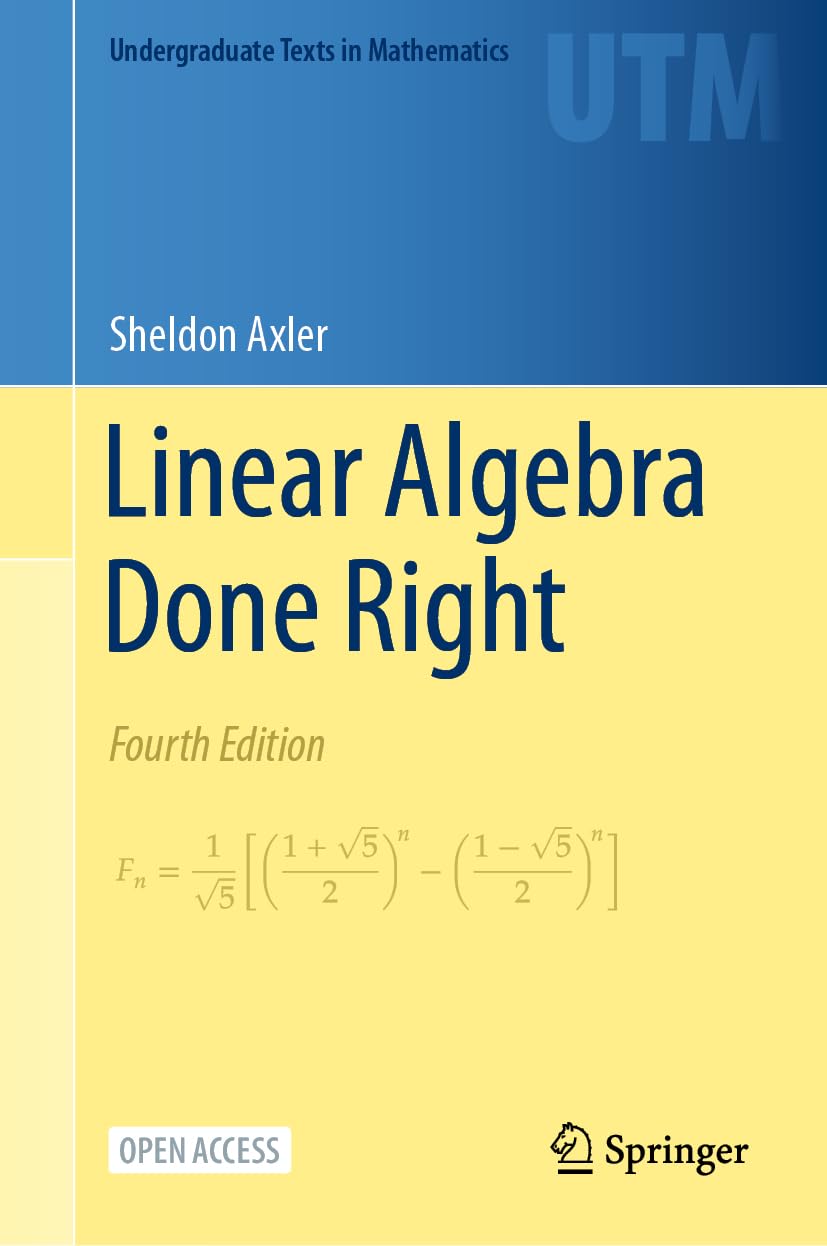
Linear Algebra Done Right – Sheldon Axler
Inclusive of all applicable taxes. FREE shipping on all orders.
Available Offers
- 🚚Free Delivery — Free shipping on all orders
- 💵Cash on Delivery — Pay when your order arrives
- ↩️15-Day Easy Returns — Hassle-free return policy
- 🔒Cash on Delivery — Pay safely when your order arrives
Check Delivery
Product Description
Introduction
Linear algebra is the backbone of modern mathematics, physics, data science, and engineering. Yet, many students find traditional treatments of the subject intimidating due to an over-reliance on determinants and computational heavy lifting. Sheldon Axler’s Linear Algebra Done Right (Fourth Edition) flips the script entirely. This celebrated textbook, now published by Springer in a hardcover edition, offers a conceptual, proof-driven approach that focuses on understanding the structure of linear operators rather than rote calculations. For Indian undergraduates, graduate students, and self-learners aiming for clarity and depth, this book is an indispensable companion.
Book Overview
Now available in an expanded fourth edition, Linear Algebra Done Right is a rigorous yet accessible textbook designed for a second course in linear algebra. The author, Sheldon Axler, is renowned for his pedagogical clarity and his decision to banish determinants to the final chapter—a bold move that allows readers to grasp the core ideas of vector spaces, eigenvalues, and inner products without unnecessary detours. This edition includes a completely new chapter on multilinear algebra, covering bilinear forms, quadratic forms, tensor products, and a fresh approach to determinants via alternating multilinear forms. With over 250 new exercises and expanded treatments of the singular value decomposition and minimal polynomial, this book equips students with both theoretical insight and practical problem-solving skills.
Key Highlights
- Determinants deferred: A unique approach that builds intuition before introducing determinants, making the subject more logical and less formulaic.
- New multilinear algebra chapter: Covers bilinear forms, quadratic forms, tensor products, and determinants via alternating forms—essential for advanced study.
- Expanded singular value decomposition: In-depth coverage with practical consequences for data analysis and machine learning.
- Minimal polynomial emphasis: Cleaner proofs and deeper insights into operator structure.
- Over 250 new exercises: Carefully crafted problems that test understanding and encourage creative thinking.
Inside the Book
The book is organized into ten well-structured chapters. It begins with vector spaces and linear maps, then moves to eigenvalues, eigenvectors, and inner product spaces. Operators on real and complex vector spaces are treated separately, with an emphasis on spectral theorems and normal operators. The later chapters cover trace, determinant, and the new multilinear algebra material. Each section is accompanied by illustrative examples and a wealth of exercises—ranging from routine to challenging—that reinforce core concepts. The writing is crisp, motivated, and free of unnecessary jargon, making it ideal for self-study or classroom use.
Key Topics
- Vector spaces and subspaces
- Linear maps, null spaces, and ranges
- Polynomials and eigenvalues
- Eigenvectors and upper-triangular matrices
- Inner product spaces and orthonormal bases
- Operators on real and complex vector spaces
- Spectral theorems and normal operators
- Trace, determinant, and their properties
- Bilinear forms, quadratic forms, and tensor products
- Singular value decomposition and its applications
Reader Benefits
Readers will develop a deep, conceptual understanding of linear algebra that goes beyond memorization. The book teaches you to think like a mathematician—constructing proofs, identifying patterns, and connecting ideas. The focus on operators over matrices clarifies why linear algebra is so powerful in higher mathematics and applied fields. The new exercises and expanded topics ensure that you are well-prepared for advanced courses in algebra, analysis, quantum mechanics, machine learning, and data science. Moreover, the hardcover binding makes this a durable reference for years to come.
Learning Outcomes
- Understand the fundamental structure of finite-dimensional vector spaces and linear operators.
- Prove key results such as the spectral theorem, Cayley-Hamilton theorem, and singular value decomposition.
- Work confidently with inner products, orthogonality, and adjoints.
- Apply multilinear algebra concepts including bilinear forms and tensor products.
- Solve complex problems using minimal polynomial and invariant subspaces.
Who Should Read
This book is ideal for undergraduate mathematics majors who have completed a first course in linear algebra. It is also highly recommended for graduate students in mathematics, physics, engineering, computer science, and economics who need a solid theoretical foundation. Self-learners and competitive exam aspirants (such as those preparing for GATE, IIT JAM, or CSIR NET) will find the clear proofs and extensive exercises invaluable. If you are an instructor looking for a textbook that prioritizes understanding over computation, this is an excellent choice.
About the Author
Sheldon Axler is a distinguished mathematician and professor emeritus at San Francisco State University. He is widely known for his innovative approach to teaching linear algebra and for his work in operator theory. Axler has received numerous awards for his teaching and writing, and his textbooks are used in universities around the world. His philosophy—that mathematics should be taught with clarity, motivation, and elegance—shines through every page of this book.
About the Publisher
Springer is one of the world’s leading academic publishers, known for its high-quality mathematics, science, and engineering books. With a legacy spanning over 180 years, Springer ensures rigorous peer review, excellent production standards, and global distribution. This hardcover edition is built to last, with crisp typesetting and durable binding—perfect for a textbook that will be revisited time and again.
Conclusion
Linear Algebra Done Right is more than a textbook—it is a masterclass in mathematical thinking. By delaying determinants and emphasizing conceptual clarity, Sheldon Axler gives readers the tools to truly understand linear algebra, not just compute with it. Whether you are a student in India preparing for advanced studies, a researcher, or a lifelong learner, this fourth edition offers the most up-to-date and thoughtful treatment available. Add it to your library today and experience linear algebra as it was meant to be learned.
Quick Summary
Linear Algebra Done Right by Sheldon Axler is a transformative textbook that reimagines how linear algebra is taught. Instead of starting with determinants, Axler builds the subject around the central goal of understanding linear operators on finite-dimensional vector spaces. This fourth edition, now in Open Access, includes a new chapter on multilinear algebra covering bilinear forms, quadratic forms, tensor products, and determinants via alternating multilinear forms. The singular value decomposition receives expanded treatment, and the use of the minimal polynomial simplifies many proofs. With over 250 new exercises, this book is ideal for undergraduate math majors and graduate students who want a rigorous yet intuitive grasp of linear algebra. Indian students will appreciate the clear, conceptual approach that aligns with advanced mathematics curricula. Purchasing from Bookshops.in ensures you receive a genuine Springer hardcover edition, carefully packaged and delivered across India.
Book Highlights
Book Specifications
| ISBN-13 | 9783031410253 |
| ISBN-10 | 3031410254 |
| Publisher | Springer Nature |
| Language | English |
| Dimensions | 15.88 x 2.54 x 23.5 cm |
| Weight | 794 g |
| Category | Mathematics › Algebra & Trigonometry |
| Genre | Mathematics |
| Original Language | English |
Frequently Asked Questions
What makes Linear Algebra Done Right different from other textbooks?
Is this book suitable for beginners?
Does this edition include solutions to exercises?
Can I use this book for self-study?
Is this book used in Indian universities?
What topics are covered in the multilinear algebra chapter?
Does the book cover applications?
How is the fourth edition different from the third?
Is the hardcover edition durable?
What is the price in INR?
Does the book include proofs?
Who is the author Sheldon Axler?
What is the ISBN?
Is this book available in paperback?
Readers Also Search For
Customers Also Bought
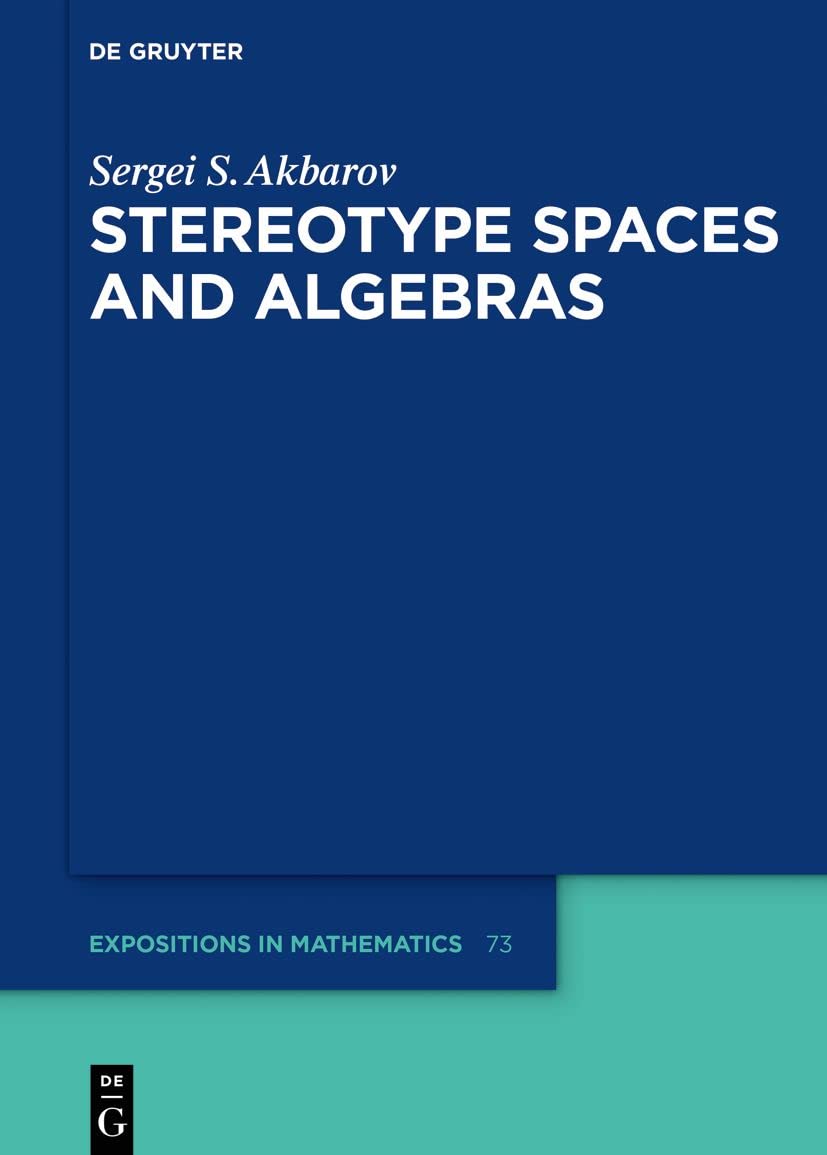
Mathematics
Stereotype Spaces and Algebras: 73 (De Gruyter Expositions in Mathematics, 73)

Mathematics
Semigroups in Algebra, Geometry and Analysis: 20 (De Gruyter Expositions in Mathematics, 20)
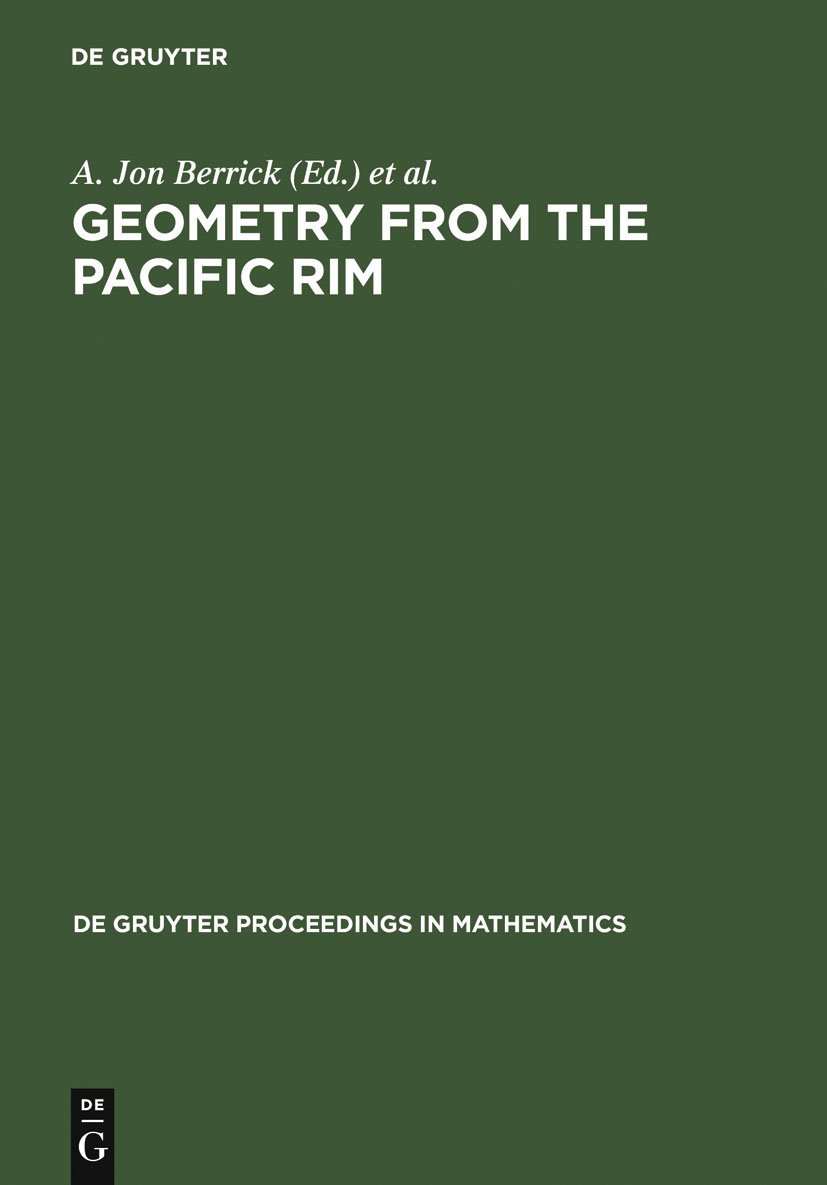
Mathematics
Geometry from the Pacific Rim: Proceedings of the Pacific Rim Geometry Conference held at National University of Singapore, Republic of Singapore, ... 1994 (De Gruyter Proceedings in Mathematics)
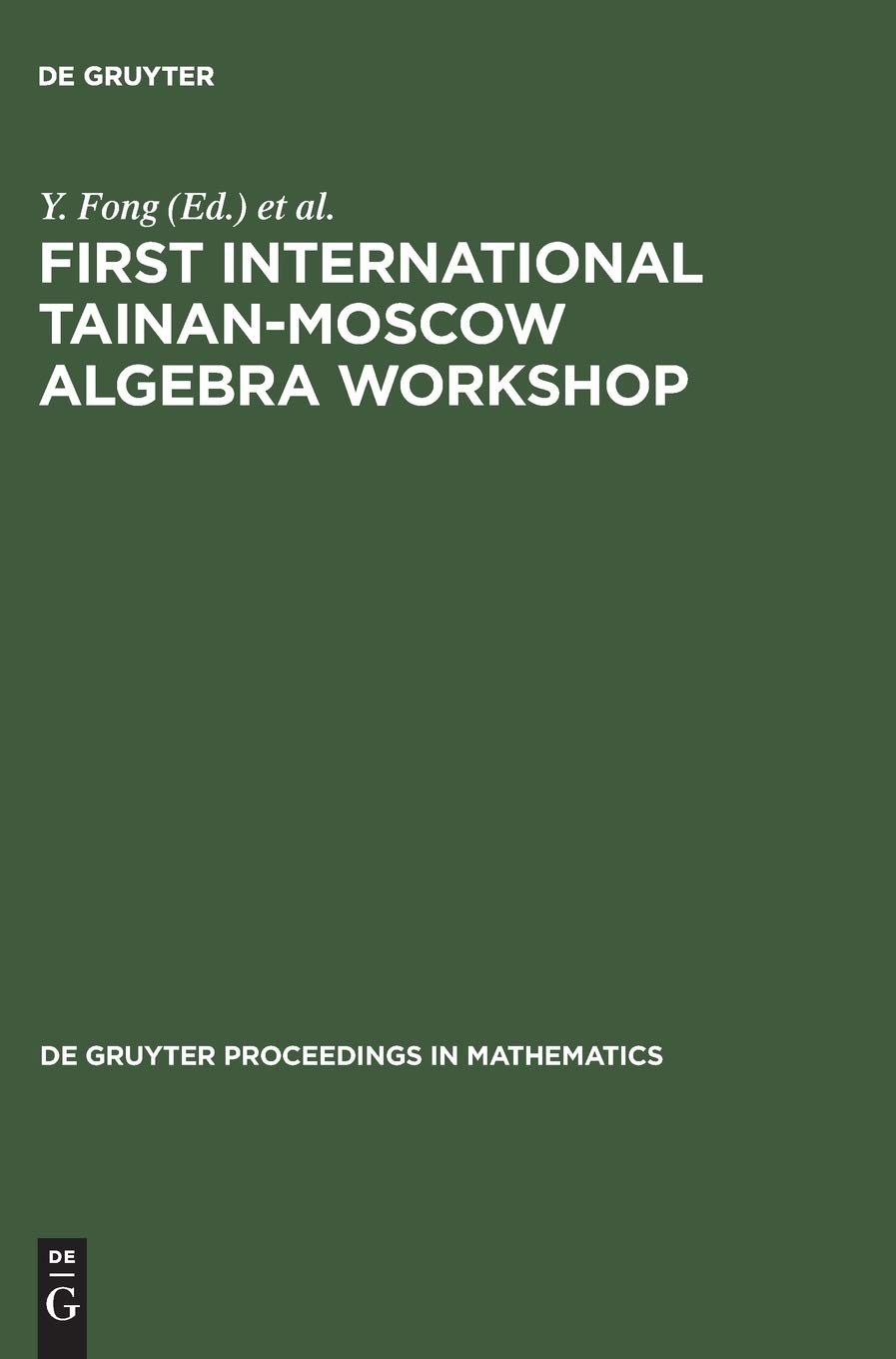
Mathematics
First International Tainan-Moscow Algebra Workshop: Proceedings of the International Conference held at National Cheng Kung University Tainan, Taiwan, ... 1994 (De Gruyter Proceedings in Mathematics)

Mathematics
Differential Geometry - Proceedings of the VIII International Colloquium (English, Jesus A. Alvarez Lopez | Eduardo Garcia-Rio)
Mathematics
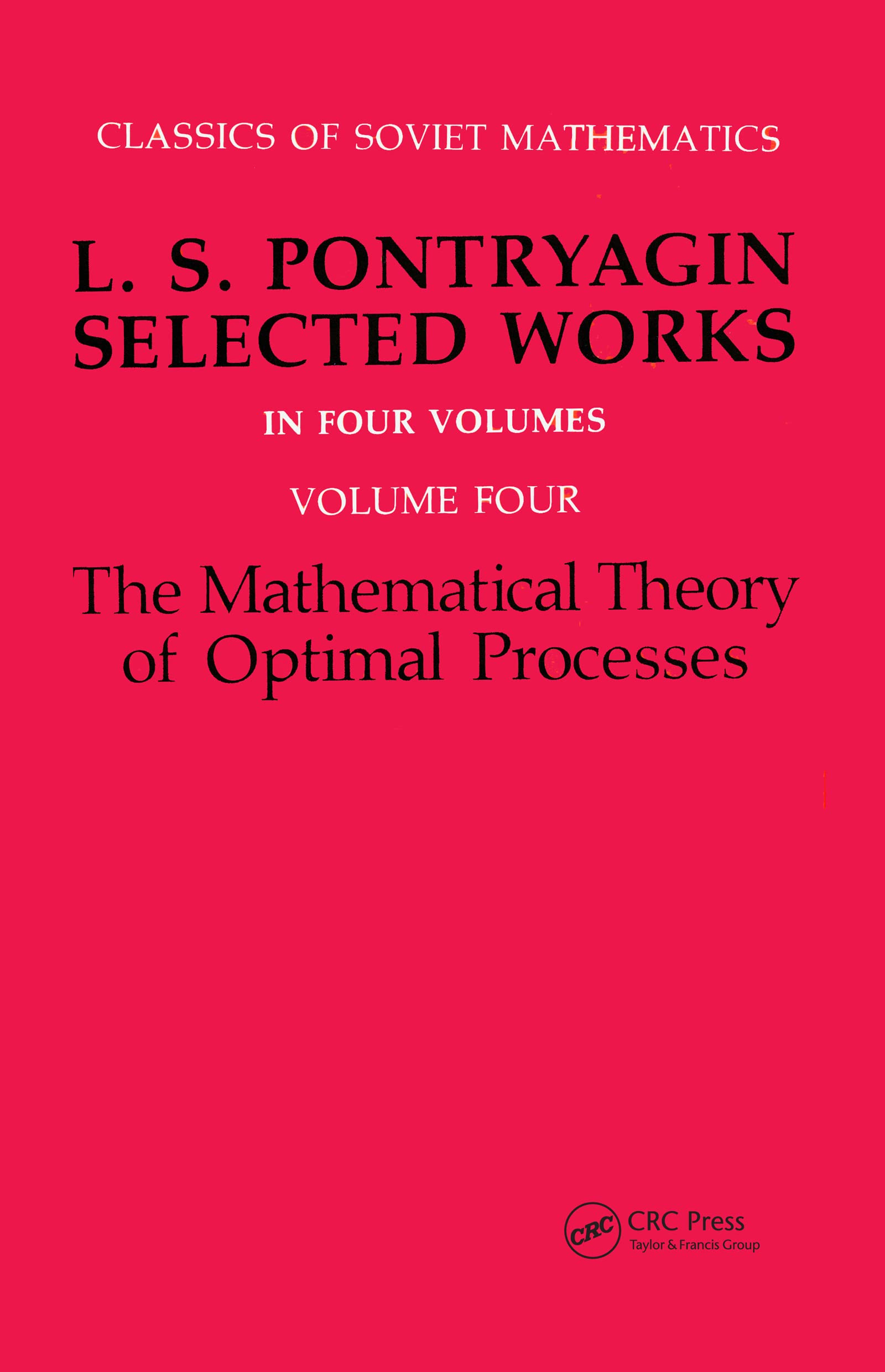
Mathematical Theory of Optimal Processes (Classics of Soviet Mathematics)
Related Products
View AllMathematics
Mathematical Theory of Optimal Processes (Classics of Soviet Mathematics)
Mathematics
Stereotype Spaces and Algebras: 73 (De Gruyter Expositions in Mathematics, 73)
Mathematics
Semigroups in Algebra, Geometry and Analysis: 20 (De Gruyter Expositions in Mathematics, 20)
Mathematics
Geometry from the Pacific Rim: Proceedings of the Pacific Rim Geometry Conference held at National University of Singapore, Republic of Singapore, ... 1994 (De Gruyter Proceedings in Mathematics)
Mathematics
First International Tainan-Moscow Algebra Workshop: Proceedings of the International Conference held at National Cheng Kung University Tainan, Taiwan, ... 1994 (De Gruyter Proceedings in Mathematics)
Mathematics