
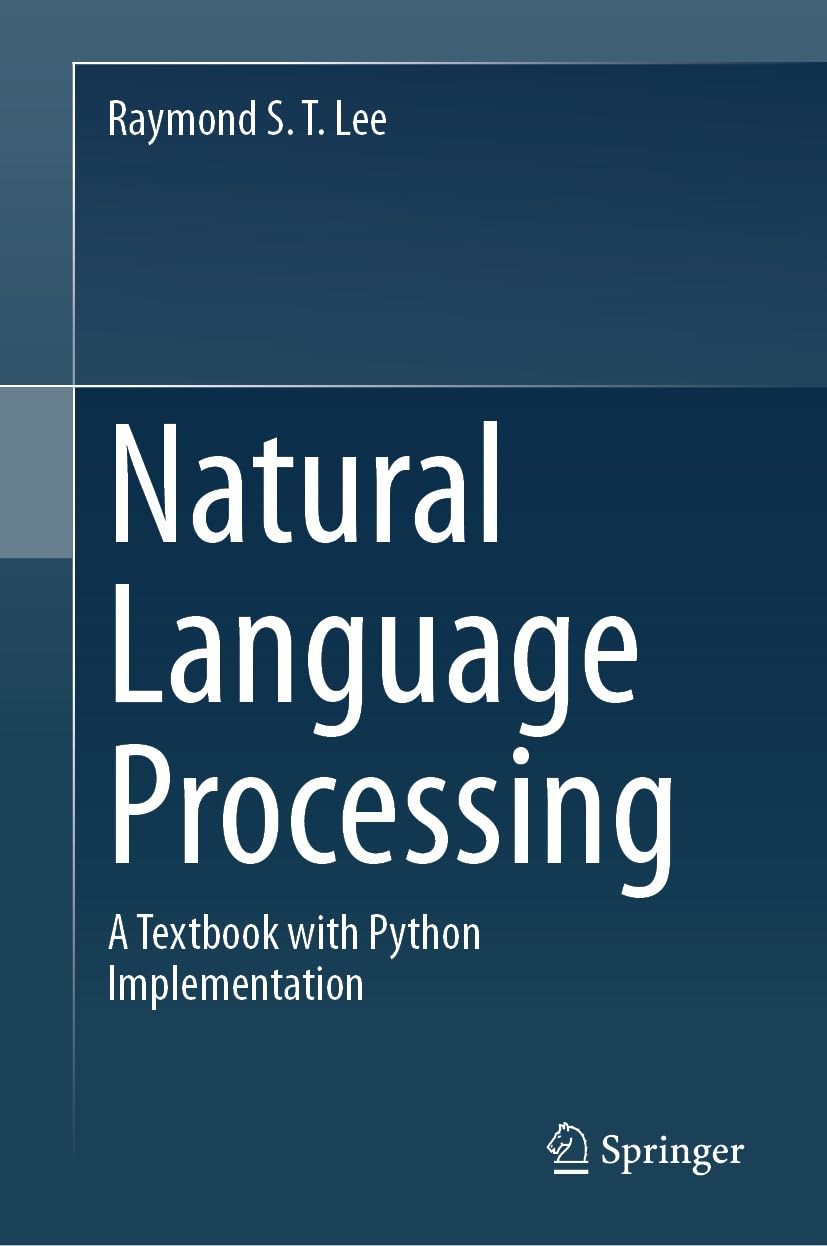
Natural Language Processing: A Textbook with Python Implementation by Raymond S. T. Lee – Complete Guide to Core Algorit
Inclusive of all applicable taxes. FREE shipping on all orders.
Available Offers
- 🚚Free Delivery — Free shipping on all orders
- 💵Cash on Delivery — Pay when your order arrives
- ↩️15-Day Easy Returns — Hassle-free return policy
- 🔒Cash on Delivery — Pay safely when your order arrives
Check Delivery
Product Description
Introduction
Natural Language Processing (NLP) has emerged as one of the most transformative fields in artificial intelligence, enabling machines to understand, interpret, and generate human language. For Indian students, researchers, and professionals looking to dive deep into this domain, Natural Language Processing: A Textbook with Python Implementation by Raymond S. T. Lee offers a complete, hands-on learning experience. Published by Springer, this hardbound volume bridges theory and practice, making it an essential resource for anyone aspiring to build real-world NLP applications, from chatbots to sentiment analysis tools.
Book Overview
This textbook provides a comprehensive journey through NLP, starting from foundational concepts and progressing to advanced algorithms and modern frameworks. Unlike many theoretical references, it integrates seven step-by-step Python workshops totaling 14 hours of guided practice. Readers gain proficiency with industry-standard libraries such as NLTK, spaCy, TensorFlow Keras, Transformer models, and BERT. The book is designed not just for passive reading but for active learning—each chapter builds on the previous, culminating in the ability to construct functional NLP systems independently.
Key Highlights
- Comprehensive Coverage: From basic text processing to state-of-the-art transformer architectures, the book covers the entire NLP spectrum in a structured manner.
- 14 Hours of Python Workshops: Seven dedicated workshops provide hands-on coding experience, ensuring readers can implement algorithms immediately using Python.
- Focus on Modern Tools: Practical exposure to NLTK, spaCy, TensorFlow Keras, and BERT prepares learners for current industry demands.
- Build a Chatbot System: By the end of the book, readers will be equipped to create their own chatbot applications—a highly relevant skill in today's AI-driven market.
- Academic and Practical Balance: The content is rigorous enough for university courses yet accessible for self-learners with basic programming knowledge.
Inside the Book
The book is organized into clear, progressive sections. Early chapters introduce core NLP concepts such as tokenization, stemming, lemmatization, part-of-speech tagging, and named entity recognition. Mid-section chapters delve into machine learning approaches for text classification, sequence labeling, and language modeling. Later chapters explore deep learning techniques, including recurrent neural networks (RNNs), long short-term memory (LSTM) networks, and attention mechanisms. The final portion focuses on transformer-based models and BERT, along with the workshops that tie everything together.
Key Topics
- Text Preprocessing: Tokenization, stop-word removal, stemming, and lemmatization using NLTK and spaCy
- Syntax and Parsing: Dependency parsing, constituency parsing, and grammar-based approaches
- Semantic Analysis: Word embeddings (Word2Vec, GloVe), semantic role labeling, and word sense disambiguation
- Machine Learning for NLP: Naive Bayes, support vector machines, and logistic regression for text classification
- Deep Learning Models: RNNs, LSTMs, GRUs, and sequence-to-sequence architectures
- Attention and Transformers: Self-attention, multi-head attention, and the transformer architecture
- BERT and Beyond: Pre-trained language models, fine-tuning, and transfer learning for NLP tasks
- Application Building: Designing and deploying chatbot systems with Python
Reader Benefits
- Learn by Doing: The 14-hour workshop format ensures that theoretical knowledge is immediately reinforced with practical coding exercises.
- Career-Ready Skills: Proficiency in NLTK, spaCy, TensorFlow Keras, and BERT are highly valued in AI and data science roles across India and globally.
- Self-Paced Learning: The book's clear structure allows students and professionals to progress at their own speed, making it ideal for both classroom use and independent study.
- Real-World Relevance: The focus on building a chatbot system provides a tangible outcome, demonstrating the practical utility of NLP in customer service, healthcare, and education.
Learning Outcomes
- Understand the fundamental concepts and challenges of natural language processing
- Implement core NLP algorithms using Python and popular libraries
- Apply machine learning and deep learning techniques to text data
- Work with pre-trained transformer models like BERT for advanced NLP tasks
- Design, develop, and deploy a functional chatbot application
- Gain confidence to tackle real-world NLP projects in research or industry
Who Should Read
This book is tailored for a diverse audience. Undergraduate and postgraduate students in computer science, data science, and artificial intelligence will find it an invaluable textbook for coursework. Lecturers and tutors can use it as a primary or supplementary resource for teaching NLP and related AI topics. Professionals—including software engineers, data analysts, and researchers—who wish to transition into NLP or enhance their skills will benefit from the hands-on workshops. Even readers from non-technical backgrounds with a basic understanding of Python can follow the material and build working applications by the end.
About the Author
Raymond S. T. Lee is an experienced educator and researcher in artificial intelligence and natural language processing. With years of academic teaching and practical project development, he brings a unique ability to explain complex concepts in an accessible manner. His expertise spans machine learning, deep learning, and NLP systems, and he is passionate about equipping students with the skills needed to thrive in the AI-driven world.
About the Publisher
Springer is a globally renowned academic publisher known for producing high-quality textbooks and reference works in science, technology, and medicine. With a legacy of excellence spanning decades, Springer ensures that each publication meets rigorous standards of accuracy, clarity, and relevance. This book is a testament to their commitment to advancing knowledge in artificial intelligence and computational linguistics.
Conclusion
Natural Language Processing: A Textbook with Python Implementation is more than just a book—it is a complete learning system. Whether you are a student aiming to master NLP, a teacher designing a course, or a professional seeking to build intelligent applications, this hardcover volume delivers the knowledge and practical experience you need. With its blend of theory, Python workshops, and real-world application building, it stands as a definitive guide for anyone serious about harnessing the power of language in AI. Add this essential resource to your library today and start your journey into the fascinating world of natural language processing.
Quick Summary
Natural Language Processing: A Textbook with Python Implementation by Raymond S. T. Lee is a comprehensive guide that bridges the gap between NLP theory and practical application. Published by Springer, this hardcover book covers everything from basic tokenization to advanced transformer models like BERT. It is uniquely designed for Indian undergraduate students, lecturers, and self-learners who want to master NLP using Python. The book features seven detailed workshops totaling 14 hours of hands-on practice with industry-standard libraries including NLTK, spaCy, TensorFlow, Keras, Transformer, and BERT. Readers will learn to build their own chatbot systems and gain skills directly applicable to AI careers. The content is presented in a clear, step-by-step manner suitable for beginners. By purchasing from Bookshops.in, Indian customers get fast delivery, genuine products, and competitive pricing. This textbook is an essential resource for anyone serious about entering the field of natural language processing.
Book Highlights
Book Specifications
| ISBN-13 | 9789819919987 |
| ISBN-10 | 9819919983 |
| Publisher | Springer Verlag, Singapore |
| Language | English |
| Dimensions | 15.88 x 3.18 x 23.5 cm |
| Weight | 794 g |
| Category | Languages › Python |
| Genre | Non-fiction |
| Original Language | English |
Frequently Asked Questions
What is Natural Language Processing?
Do I need prior programming experience?
Which Python libraries are covered?
How many workshops are included?
Can I build a chatbot using this book?
Is this book suitable for Indian university courses?
Who is the author?
Does the book cover deep learning for NLP?
Is this a physical book or digital?
What is the price in INR?
What makes this book different from other NLP textbooks?
Can I use this for self-study?
Does the book include exercises?
Is there any support for instructors?
Readers Also Search For
Customers Also Bought

Programming
Algorithmische Sprache Und Programmentwicklung | by H. Partsch | F. L. Bauer | P. Pepper | Springer | by H. Partsch | F. L. Bauer | P. Pepper | Springer | by H. Partsch | F. L. Bauer | P. Pepper | Springer | by H. Partsch | F. L. Bauer | P. Pepper | Springer | by H. Partsch | F. L. Bauer | P. Pepper | Springer | by H. Partsch | F. L. Bauer | P. Pepper | Springer | by H. Partsch | F. L. Bauer | P. Pepper | Springer | by H. Partsch | F. L. Bauer | P. Pepper | Springer | by H. Partsch | F. L. Bauer
Programming
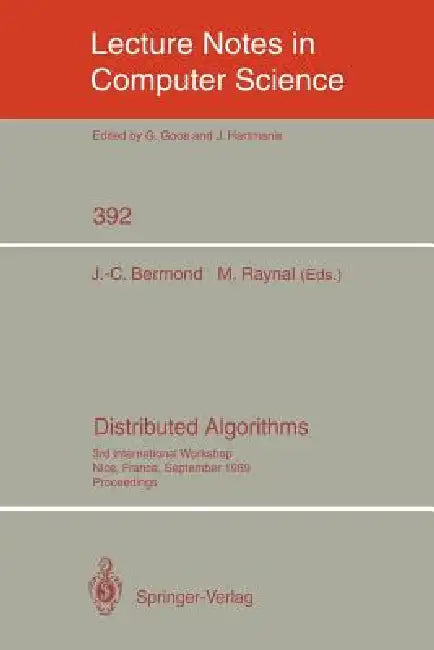
Distributed Algorithms | by Jean-Claude Bermond | Michel Raynal | Springer | by Jean-Claude Bermond | Michel Raynal | Springer | by Jean-Claude Bermond | Michel Raynal | Springer | by Jean-Claude Bermond | Michel Raynal | Springer | by Jean-Claude Bermond | Michel Raynal | Springer | by Jean-Claude Bermond | Michel Raynal | Springer | by Jean-Claude Bermond | Michel Raynal | Springer | by Jean-Claude Bermond | Michel Raynal | Springer | by Jean-Claude Bermond | Michel Raynal | Springer | by Jean
Programming
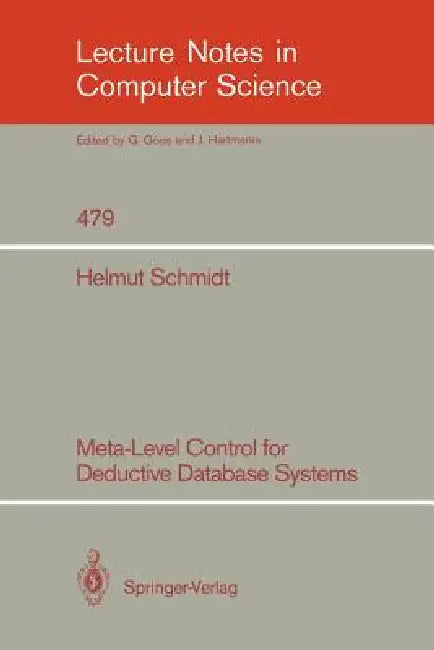
Meta-Level Control for Deductive Database Systems | by Helmut Schmidt | Springer | by Helmut Schmidt | Springer | by Helmut Schmidt | Springer | by Helmut Schmidt | Springer | by Helmut Schmidt | Springer | by Helmut Schmidt | Springer | by Helmut Schmidt | Springer | by Helmut Schmidt | Springer | by Helmut Schmidt | Springer | by Helmut Schmidt | Springer | by Helmut Schmidt | Springer | by Helmut Schmidt | Springer | by Helmut Schmidt | Springer | by Helmut Schmidt | Springer | by Helmut Schm
Programming
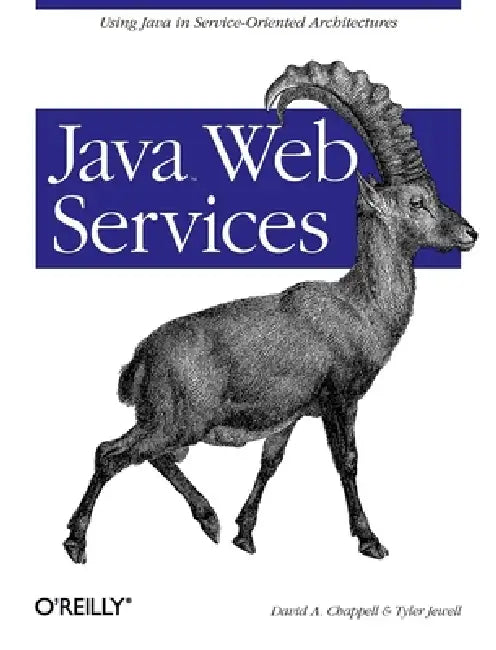
Java Web Services | by David A. Chappell | Tyler Jewell | O'Reilly Media | by David A. Chappell | Tyler Jewell | O'Reilly Media | by David A. Chappell | Tyler Jewell | O'Reilly Media | by David A. Chappell | Tyler Jewell | O'Reilly Media | by David A. Chappell | Tyler Jewell | O'Reilly Media | by David A. Chappell | Tyler Jewell | O'Reilly Media | by David A. Chappell | Tyler Jewell | O'Reilly Media | by David A. Chappell | Tyler Jewell | O'Reilly Media | by David A. Chappell | Tyler Jewell | O'
Programming
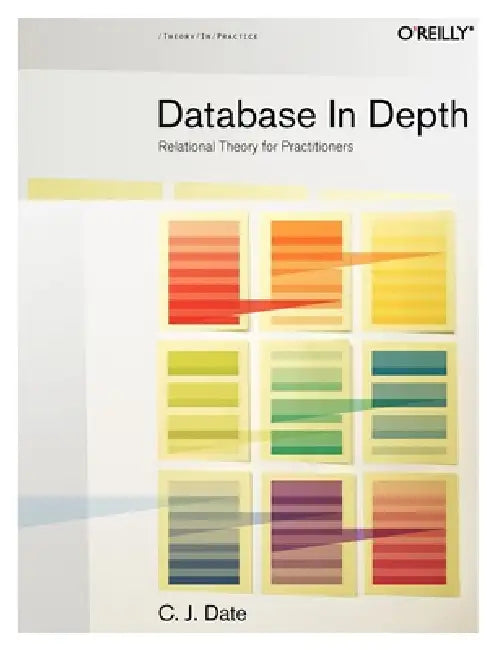
Database in Depth | by Chris J. Date | O'Reilly Media | by Chris J. Date | O'Reilly Media | by Chris J. Date | O'Reilly Media | by Chris J. Date | O'Reilly Media | by Chris J. Date | O'Reilly Media | by Chris J. Date | O'Reilly Media | by Chris J. Date | O'Reilly Media | by Chris J. Date | O'Reilly Media | by Chris J. Date | O'Reilly Media | by Chris J. Date | O'Reilly Media | by Chris J. Date | O'Reilly Media | by Chris J. Date | O'Reilly Media | by Chris J. Date | O'Reilly Media | by Chris J.
Programming
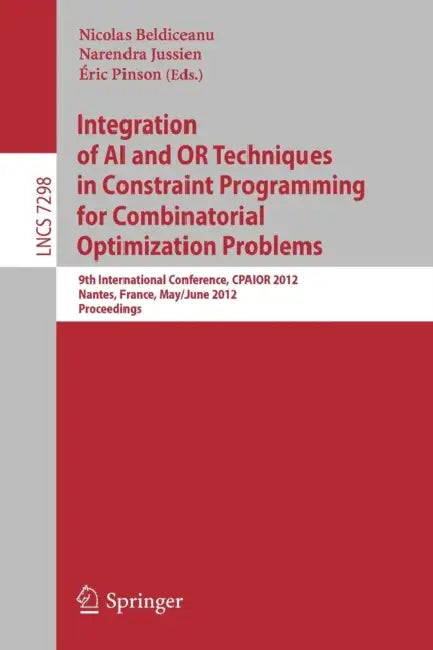
Integration of AI and OR Techniques in Constraint Programming for Combinatorial Optimization Problem | by Nicolas Beldiceanu | Narendra Jussien | Eric Pinson | Springer | by Nicolas Beldiceanu | Narendra Jussien | Eric Pinson | Springer | by Nicolas Beldiceanu | Narendra Jussien | Eric Pinson | Springer | by Nicolas Beldiceanu | Narendra Jussien | Eric Pinson | Springer | by Nicolas Beldiceanu | Narendra Jussien | Eric Pinson | Springer | by Nicolas Beldiceanu | Narendra Jussien | Eric Pinson |
Related Products
View All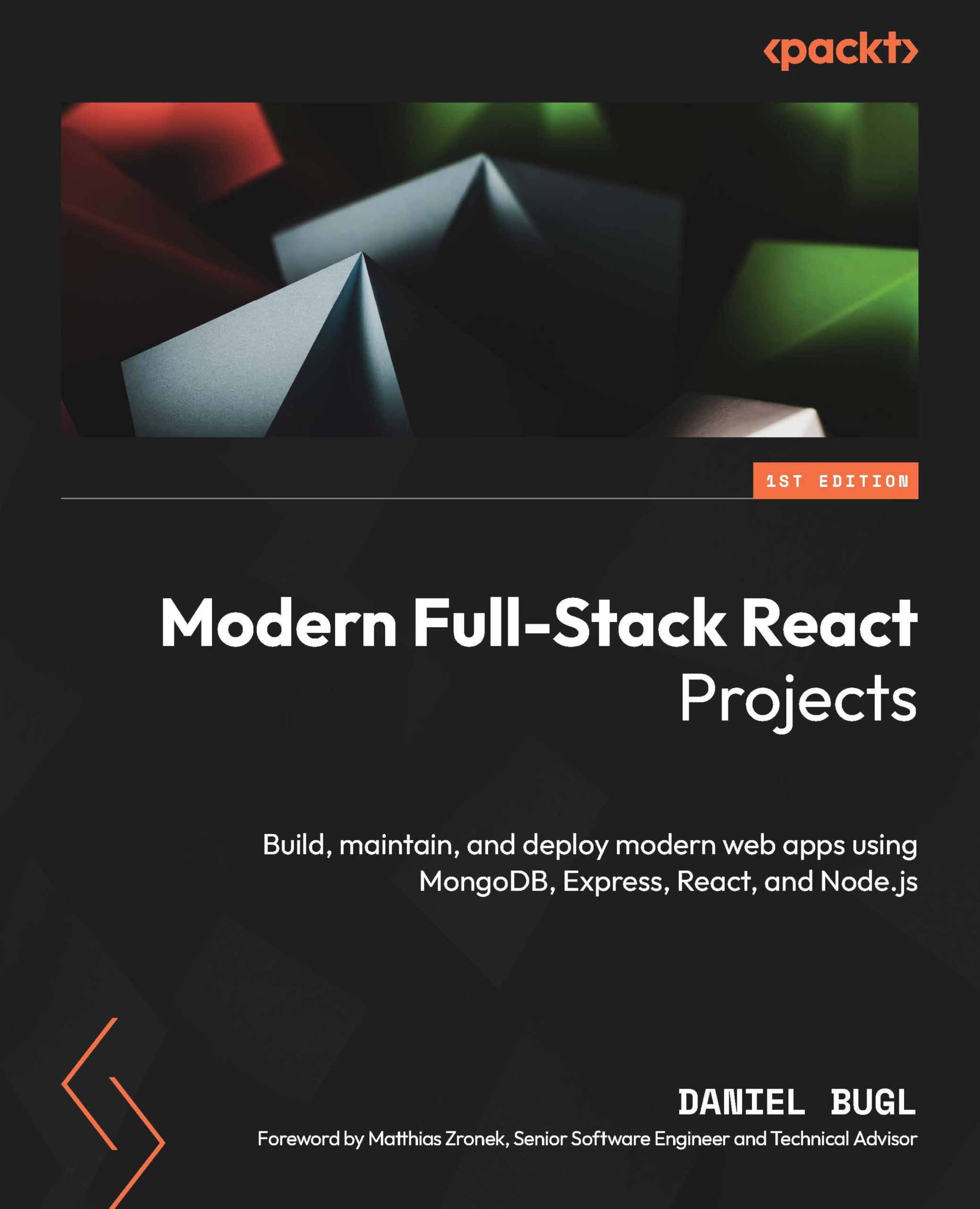
Computers & Internet
Modern Full-Stack React Projects by Daniel Bugl
Computers & Internet
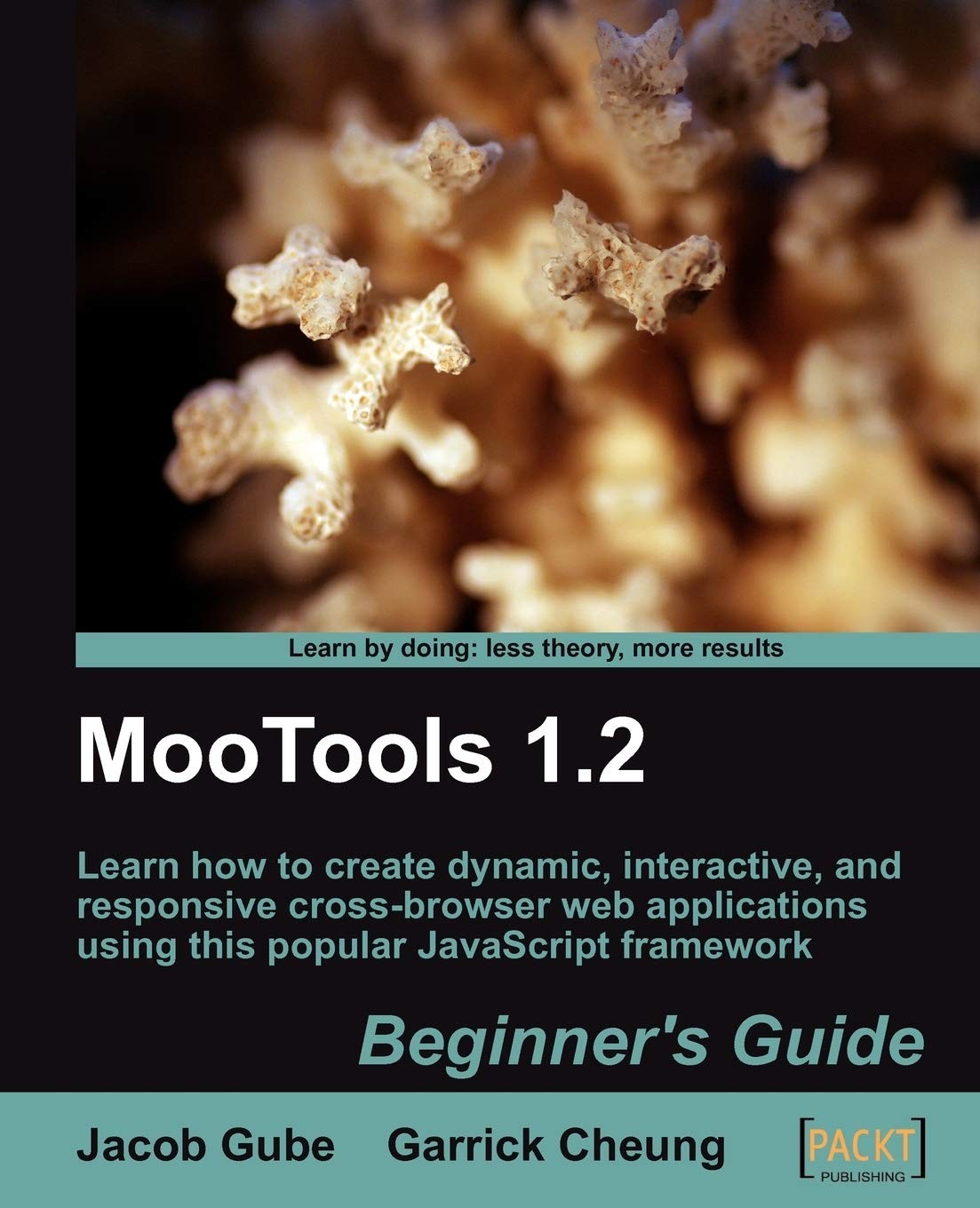
Mootools 1.2 Beginner's Guide (English, Jacob Gube)
Computers & Internet
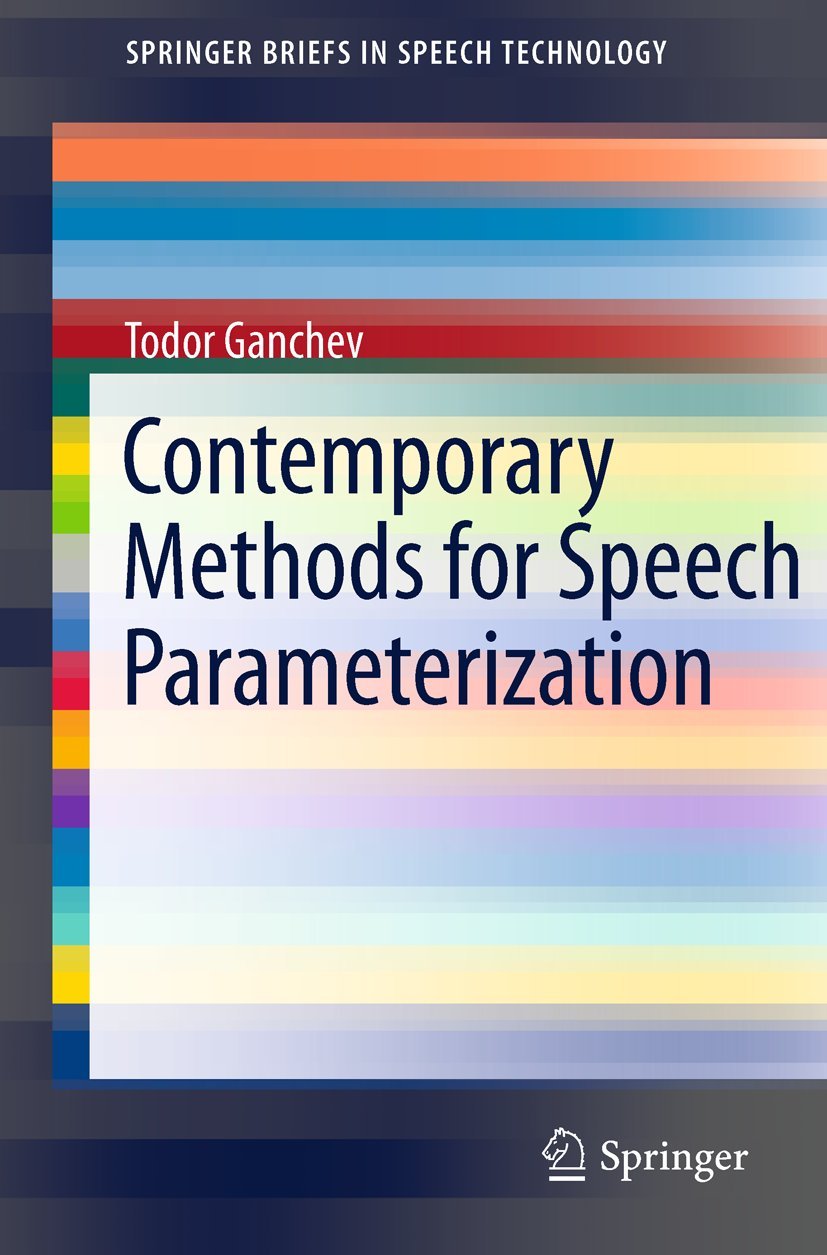
Contemporary Methods for Speech Parameterization (Springerbriefs in Electrical and Computer Engineering / Springerbriefs in Speech Technology)

Computers & Internet
Information Technology and Lawyers | by Arno R. Lodder | Anja Oskamp | Springer | by Arno R. Lodder | Anja Oskamp | Springer | by Arno R. Lodder | Anja Oskamp | Springer | by Arno R. Lodder | Anja Oskamp | Springer | by Arno R. Lodder | Anja Oskamp | Springer | by Arno R. Lodder | Anja Oskamp | Springer | by Arno R. Lodder | Anja Oskamp | Springer | by Arno R. Lodder | Anja Oskamp | Springer | by Arno R. Lodder | Anja Oskamp | Springer | by Arno R. Lodder | Anja Oskamp | Springer | by Arno R. Lo

Computers & Internet
Digital Analysis of Remotely Sensed Imagery | by Jay Gao | McGraw-Hill Companies | by Jay Gao | McGraw-Hill Companies | by Jay Gao | McGraw-Hill Companies | by Jay Gao | McGraw-Hill Companies | by Jay Gao | McGraw-Hill Companies | by Jay Gao | McGraw-Hill Companies | by Jay Gao | McGraw-Hill Companies | by Jay Gao | McGraw-Hill Companies | by Jay Gao | McGraw-Hill Companies | by Jay Gao | McGraw-Hill Companies | by Jay Gao | McGraw-Hill Companies | by Jay Gao | McGraw-Hill Companies | by Jay Gao

Computers & Internet