
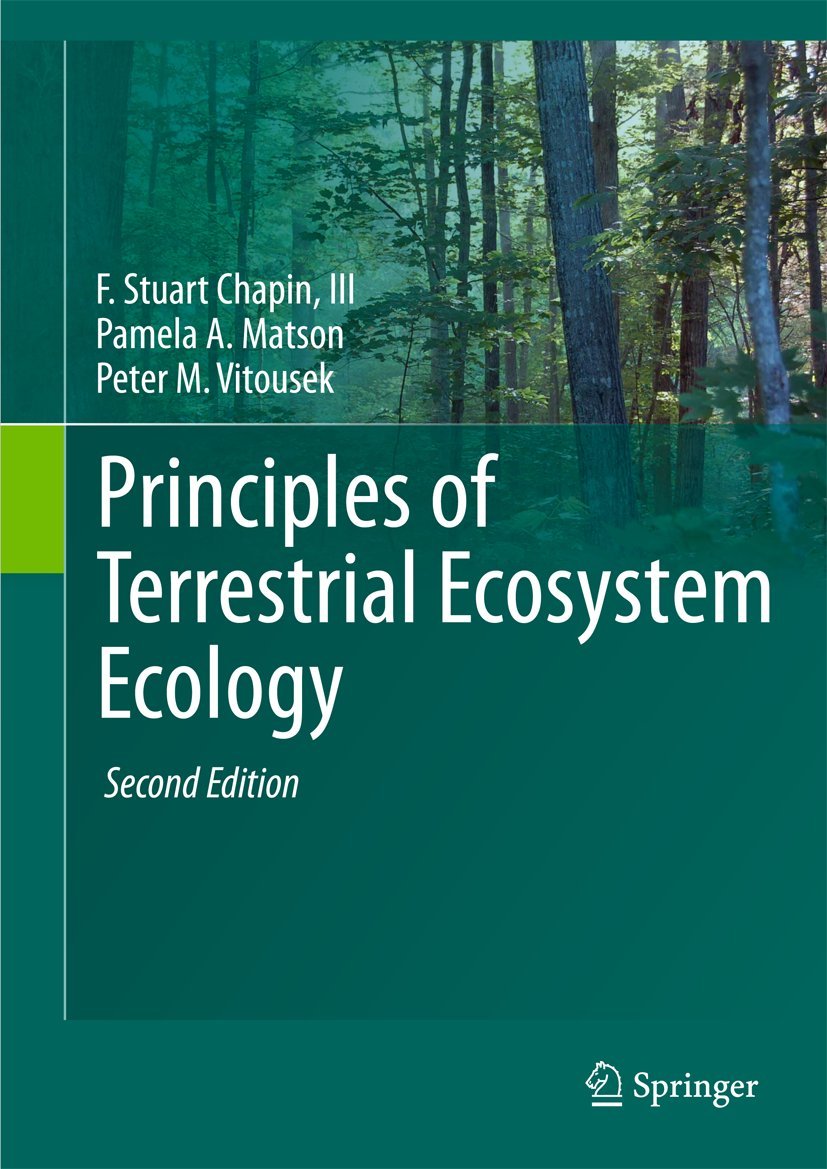
Principles of Terrestrial Ecosystem Ecology by F. Stuart Chapin III – A Comprehensive Textbook on Ecosystem Processes, E
Inclusive of all applicable taxes. FREE shipping on all orders.
Available Offers
- 🚚Free Delivery — Free shipping on all orders
- 💵Cash on Delivery — Pay when your order arrives
- ↩️15-Day Easy Returns — Hassle-free return policy
- 🔒Cash on Delivery — Pay safely when your order arrives
Check Delivery
Product Description
Introduction
Understanding how terrestrial ecosystems function is essential for addressing the environmental challenges of our time, from climate change to biodiversity loss. Principles of Terrestrial Ecosystem Ecology by F. Stuart Chapin III offers a comprehensive and authoritative exploration of the intricate processes that sustain life on land. This hardcover edition from Springer is an indispensable resource for Indian students, researchers, and professionals in ecology, environmental science, and natural resource management.
Book Overview
This textbook provides a holistic view of terrestrial ecosystems, treating living organisms—including humans—and their abiotic environment as components of a single integrated system. The book traces the flow of energy, water, carbon, and nutrients from their origins in the physical environment through their cycles in plants, animals, and decomposers. It bridges the gap between fundamental ecological principles and real-world applications, making complex concepts accessible without oversimplification. The coverage extends to freshwater components within terrestrial landscapes, offering a complete picture of ecosystem dynamics.
Key Highlights
- Comprehensive coverage of ecosystem processes, including energy flow, hydrology, and biogeochemical cycles
- Integration across scales—from local ecosystems to landscapes and the global biosphere
- Updated synthesis of recent ecological advances with established theory
- Pedagogical features such as review questions at the end of each chapter and a glossary of ecological terms
- Practical focus on human impacts and ecosystem management
Inside the Book
Organised into logically sequenced chapters, the book begins with foundational concepts of ecosystem ecology, then moves through energy and water dynamics, carbon and nutrient cycles, and finally to integrative topics such as disturbance, succession, and global change. Each chapter builds on the previous one, ensuring a smooth learning curve. The text is enriched with clear diagrams, tables, and case studies that illustrate key principles. The end-of-chapter review questions encourage self-assessment, while the glossary helps students master essential terminology.
Key Topics
- Ecosystem structure and function
- Energy flow and trophic dynamics
- Water balance and hydrological cycles
- Carbon cycling and climate interactions
- Nitrogen, phosphorus, and other nutrient cycles
- Decomposition and soil organic matter
- Disturbance, succession, and ecosystem stability
- Human impacts on terrestrial ecosystems
- Global change ecology
Reader Benefits
This book equips readers with a deep understanding of how ecosystems work, enabling them to analyse environmental problems critically. It provides the conceptual tools needed to design sustainable land-use strategies, assess ecosystem services, and contribute to conservation efforts. Students will appreciate the clear explanations and structured approach, while professionals will value the up-to-date references and integration of cutting-edge research.
Learning Outcomes
By studying this book, readers will be able to: explain the fundamental processes that govern terrestrial ecosystems; describe the flows of energy, water, and nutrients through ecosystems; analyse the interactions between biotic and abiotic components; evaluate the impacts of human activities on ecosystem function; and apply ecological principles to real-world environmental challenges. These outcomes are aligned with university curricula in ecology, environmental science, forestry, and agriculture.
Who Should Read
This textbook is ideal for undergraduate and postgraduate students in ecology, environmental science, botany, zoology, forestry, agriculture, and geography. It is also a valuable reference for researchers, wildlife biologists, conservationists, land managers, and policymakers working in environmental sectors. Indian readers will find the concepts directly applicable to diverse ecosystems, from the Himalayas to the Western Ghats and the Indo-Gangetic plains.
About the Author
F. Stuart Chapin III is a renowned ecologist and professor emeritus at the University of Alaska Fairbanks. With decades of research experience in ecosystem ecology, he has contributed extensively to our understanding of nutrient cycling, plant-soil interactions, and the impacts of climate change on terrestrial systems. His clear writing style and ability to synthesise complex information make this book a trusted resource worldwide.
About the Publisher
Springer is a leading global publisher of scientific and academic books, known for its high-quality publications in ecology, environmental science, and related fields. This hardcover edition reflects Springer's commitment to rigorous content, excellent production standards, and durable binding—perfect for repeated reference in classrooms and libraries.
Conclusion
Principles of Terrestrial Ecosystem Ecology remains a definitive textbook for anyone serious about understanding the natural world. Whether you are a student preparing for exams, a researcher seeking a solid foundation, or a practitioner looking for practical insights, this book delivers. Order your copy from Bookshops.in today and deepen your knowledge of the ecosystems that sustain life on Earth.
Quick Summary
Principles of Terrestrial Ecosystem Ecology by F. Stuart Chapin III is a comprehensive textbook that explores the fundamental processes governing terrestrial ecosystems, including energy flow, water, carbon, and nutrient cycles. It integrates these processes across ecosystem, landscape, and global scales, offering a holistic understanding of ecological patterns. The book is ideal for Indian undergraduate and postgraduate students in ecology, environmental science, and related fields, as well as researchers and professionals. Readers will learn how living organisms interact with their abiotic environment, how nutrients cycle through plants, animals, and decomposers, and how human activities impact ecosystem dynamics. By synthesizing recent advances with established ecosystem theory, this book provides a solid foundation for academic study and practical application. Purchasing from Bookshops.in ensures you receive a genuine hardcover edition with timely delivery across India, making it a reliable choice for students and educators.
Book Highlights
Book Specifications
| ISBN-13 | 9781441995032 |
| ISBN-10 | 144199503X |
| Publisher | Springer Nature |
| Language | English |
| Dimensions | 18.42 x 3.18 x 25.4 cm |
| Weight | 1 kg 130 g |
| Category | Biology & Life Sciences › Biology |
| Genre | Non-fiction |
| Original Language | English |
Frequently Asked Questions
What is the main focus of Principles of Terrestrial Ecosystem Ecology?
Who is the author of this book?
Is this book suitable for Indian students?
Does the book cover freshwater ecosystems?
What level of knowledge is required to read this book?
How is this book different from other ecology textbooks?
What are the key topics covered?
Is this book useful for researchers?
Does the book include case studies?
What is the ISBN-13 of this book?
Is this book available in hardcover?
Can I use this book for self-study?
Does the book address human impacts on ecosystems?
Why should I buy from Bookshops.in?
Readers Also Search For
Customers Also Bought
Mathematics
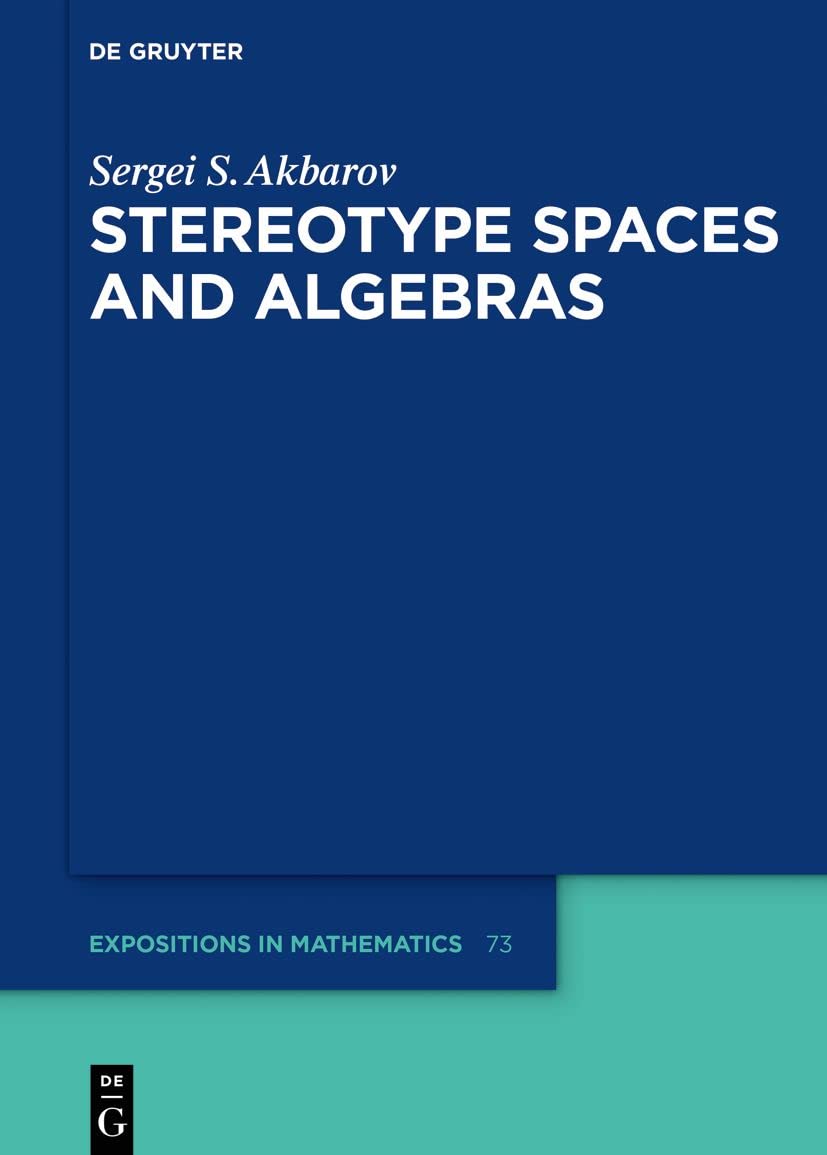
Stereotype Spaces and Algebras: 73 (De Gruyter Expositions in Mathematics, 73)
Mathematics
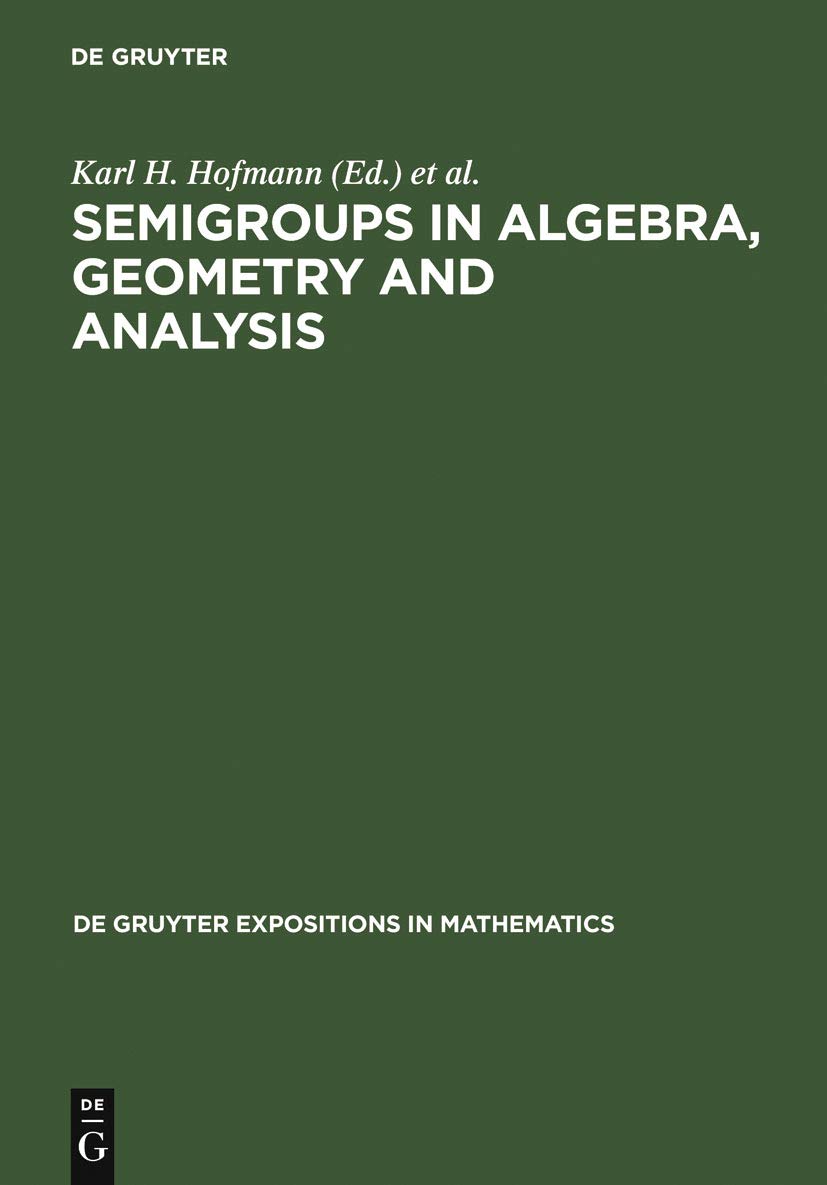
Semigroups in Algebra, Geometry and Analysis: 20 (De Gruyter Expositions in Mathematics, 20)
Mathematics
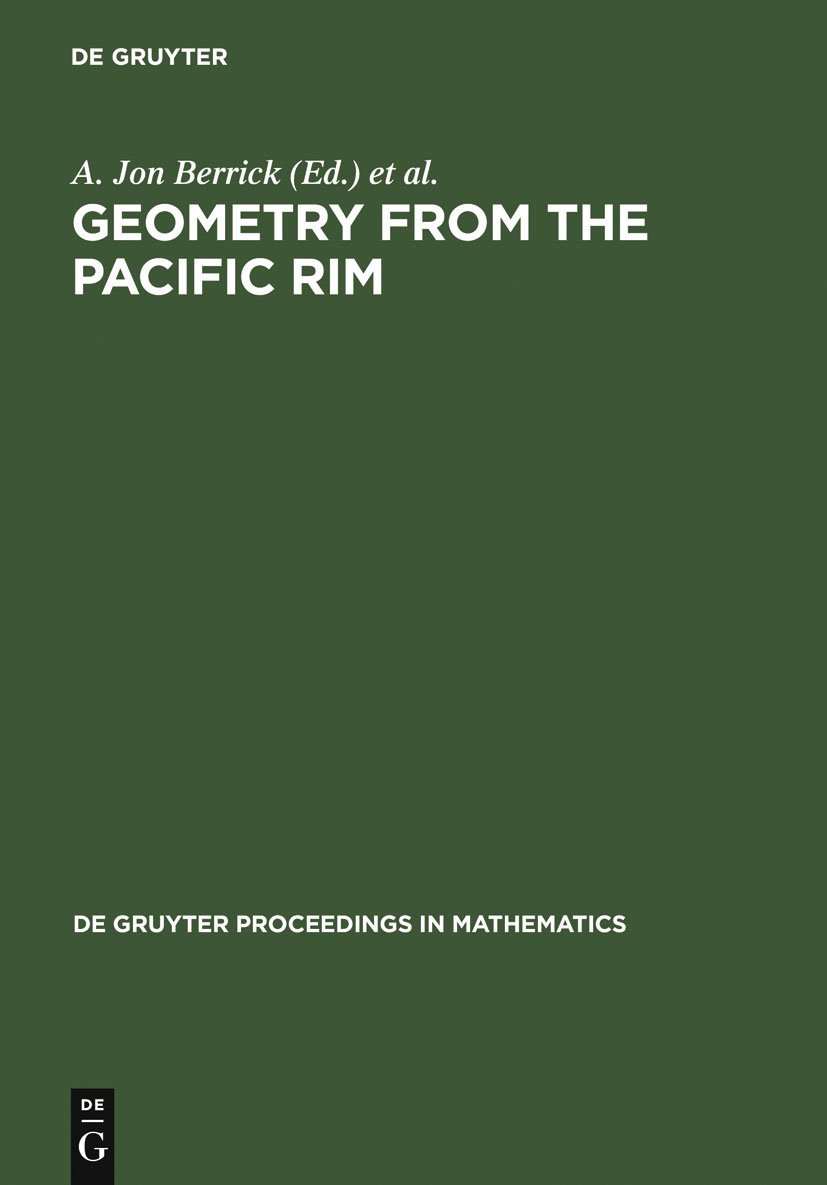
Geometry from the Pacific Rim: Proceedings of the Pacific Rim Geometry Conference held at National University of Singapore, Republic of Singapore, ... 1994 (De Gruyter Proceedings in Mathematics)
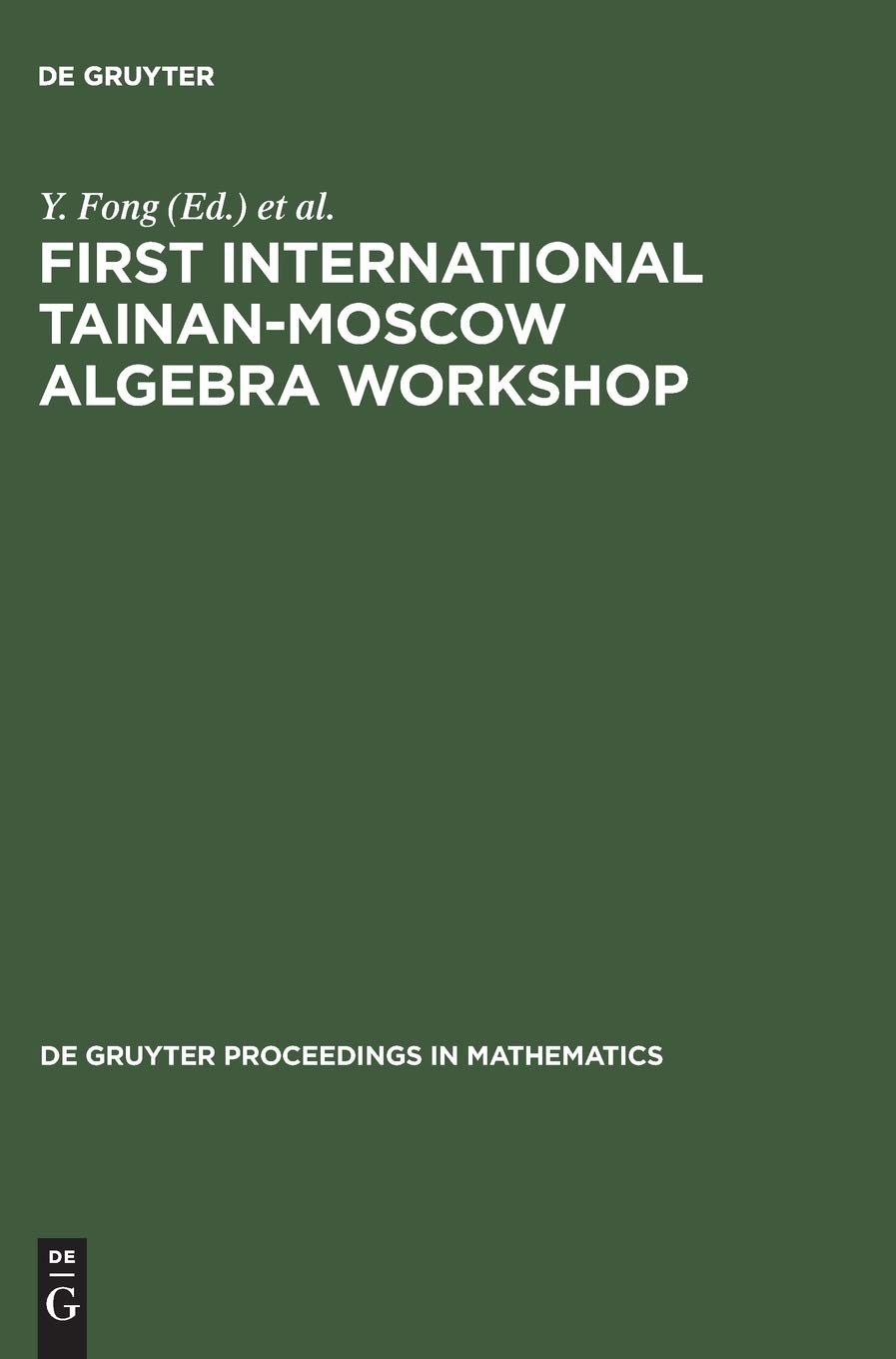
Mathematics
First International Tainan-Moscow Algebra Workshop: Proceedings of the International Conference held at National Cheng Kung University Tainan, Taiwan, ... 1994 (De Gruyter Proceedings in Mathematics)
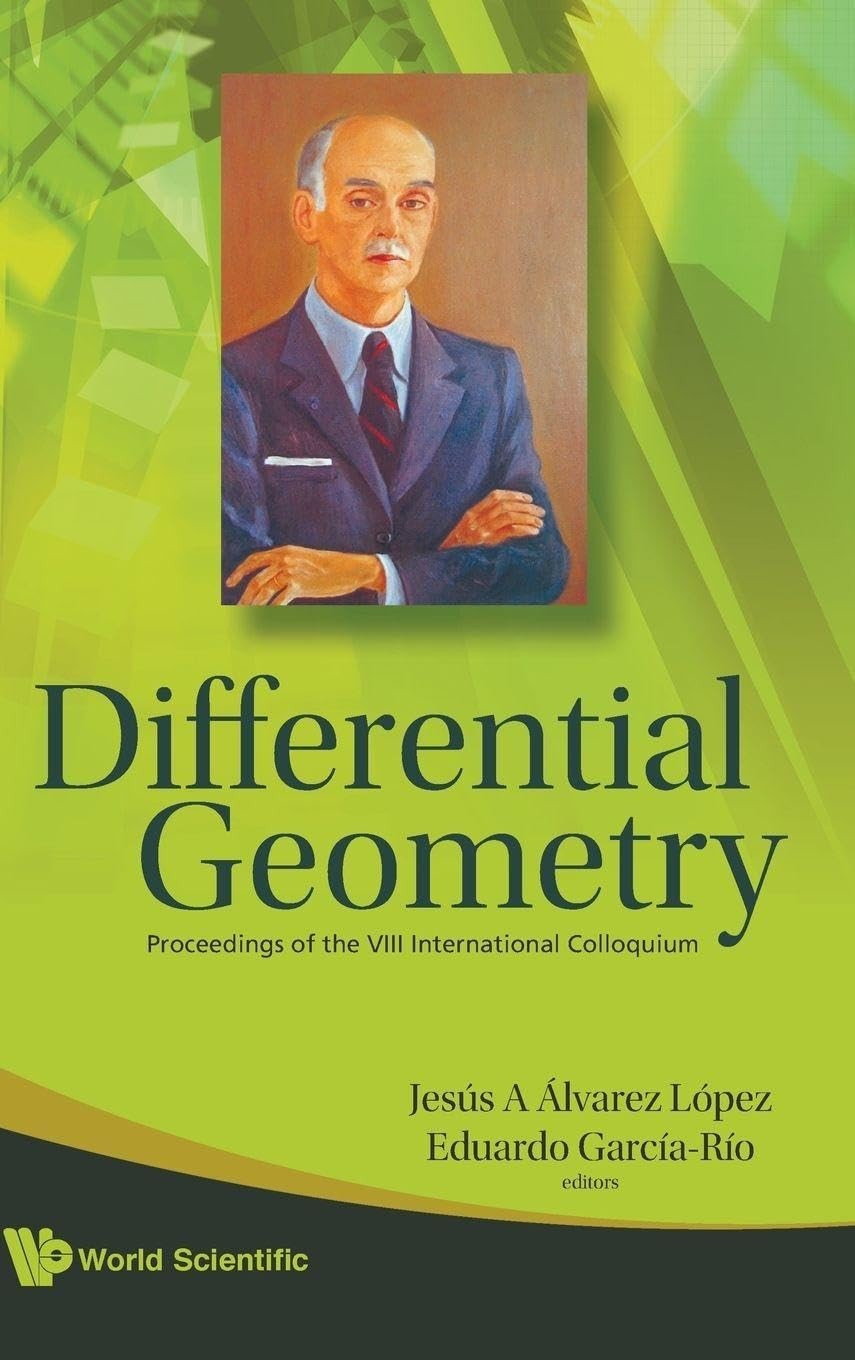
Mathematics
Differential Geometry - Proceedings of the VIII International Colloquium (English, Jesus A. Alvarez Lopez | Eduardo Garcia-Rio)
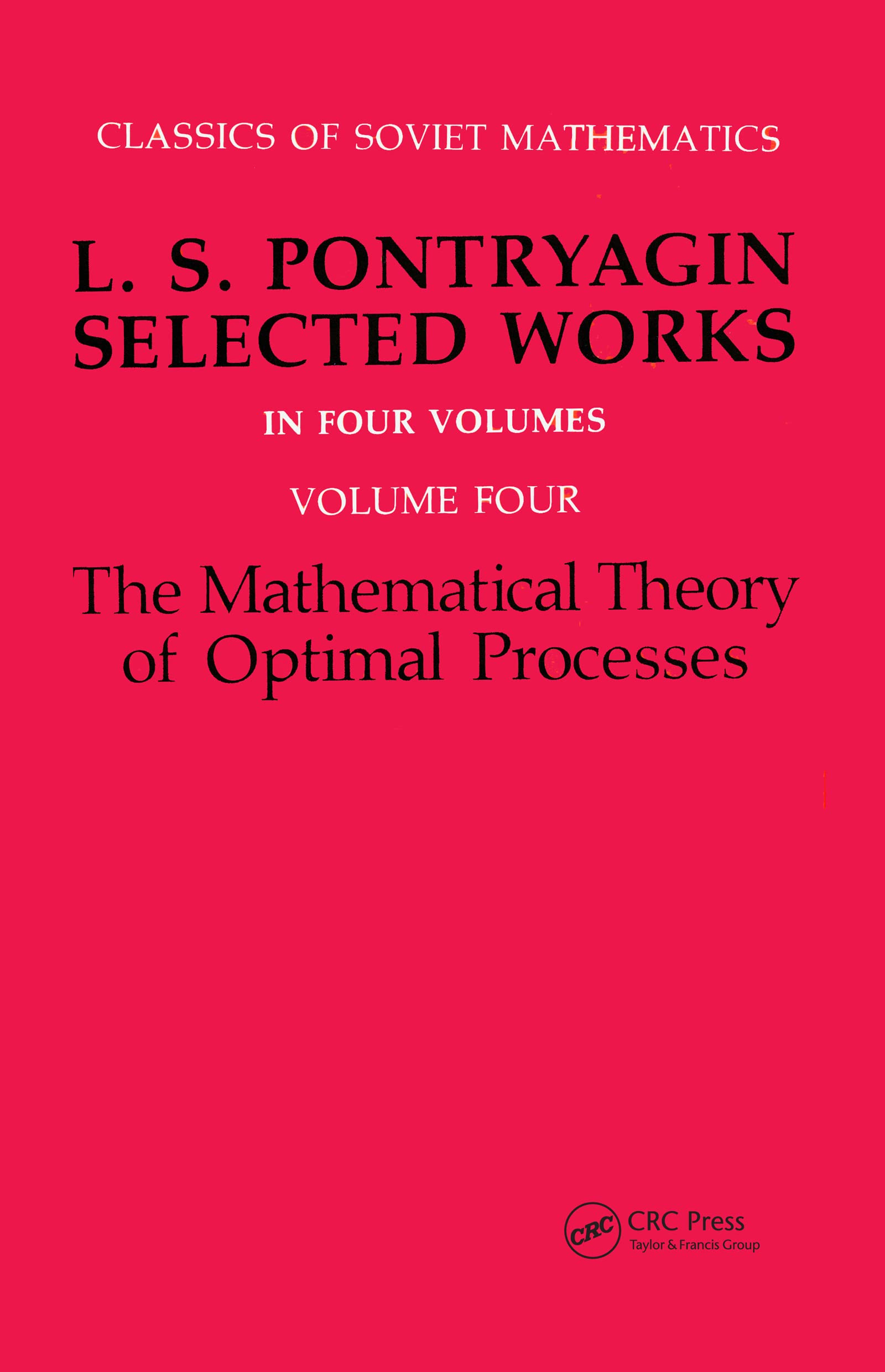
Mathematics
Mathematical Theory of Optimal Processes (Classics of Soviet Mathematics)
Related Products
View All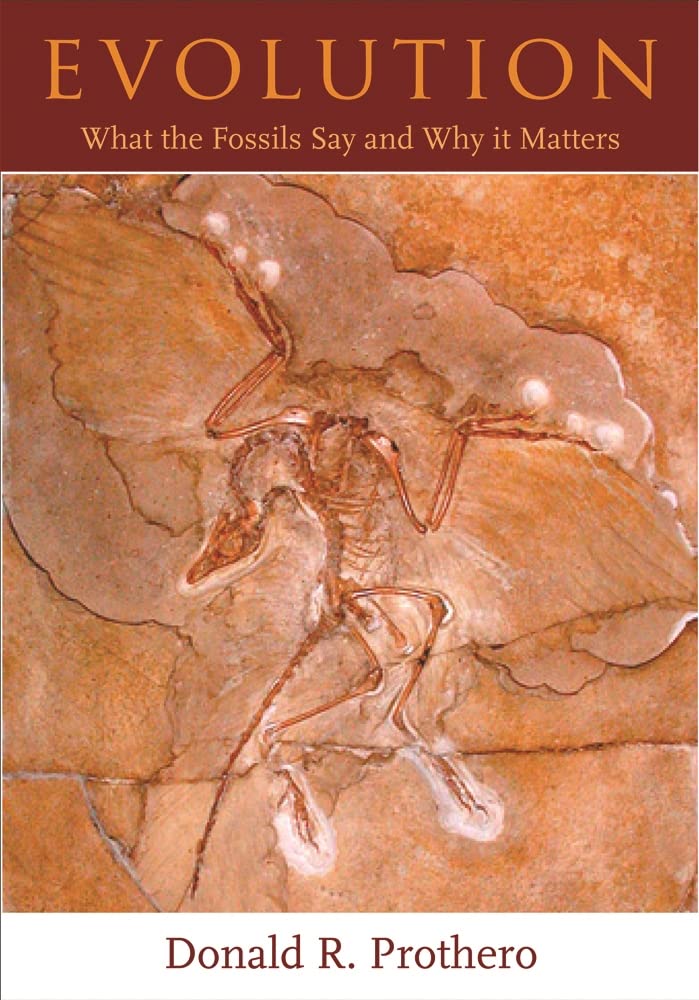
Biology
Evolution: What the Fossils Say and Why It Matters by Donald R. Prothero
Biology
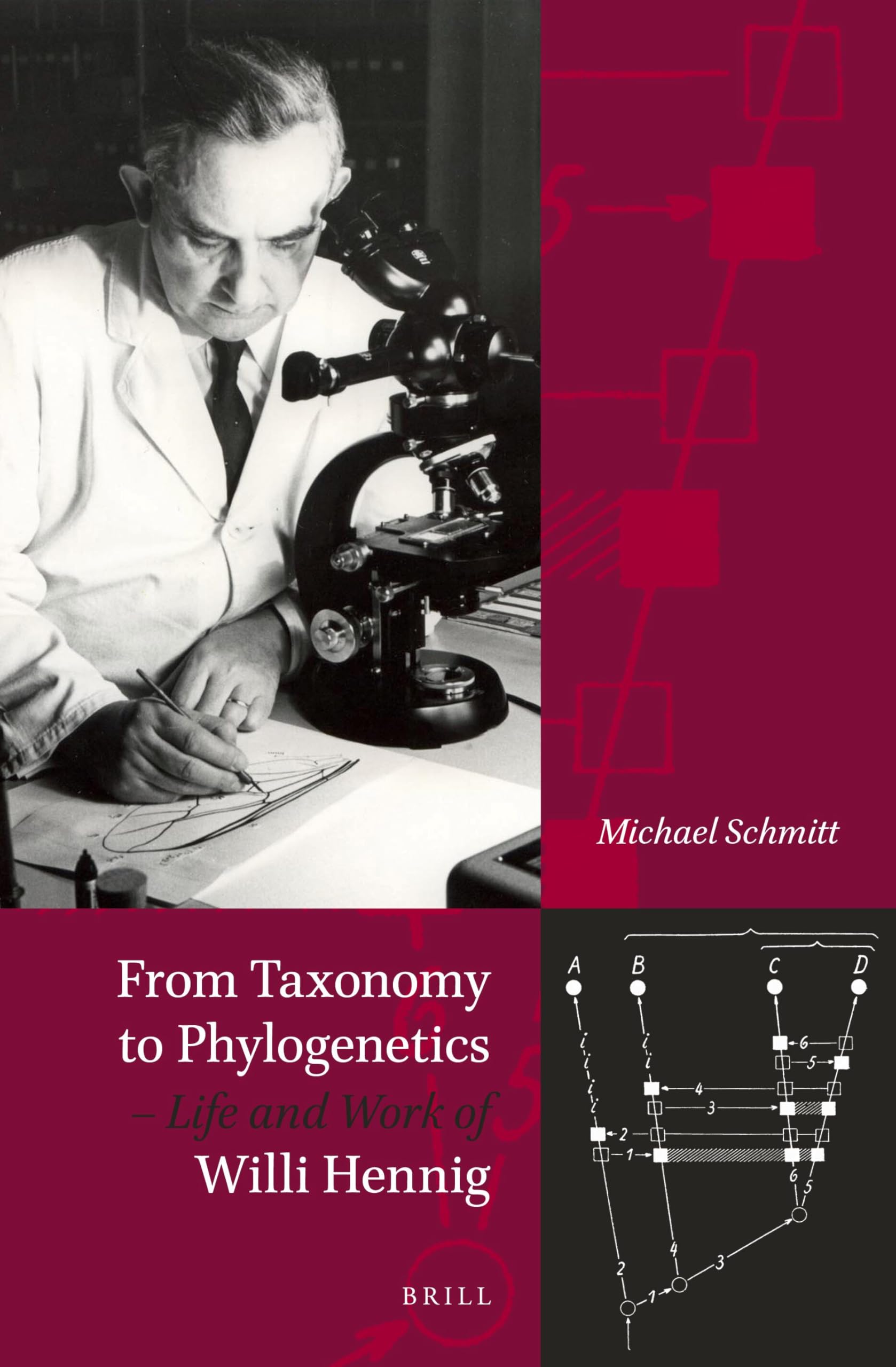
From Taxonomy to Phylogenetics – Life and Work of Willi Hennig
Biology
The Marine Biology of the South China Sea
Biology
Genetics Meets Metabolomics: from Experiment to Systems Biology
Biology
The Elements of Natural or Experimental Philosophy: 2
Biology