
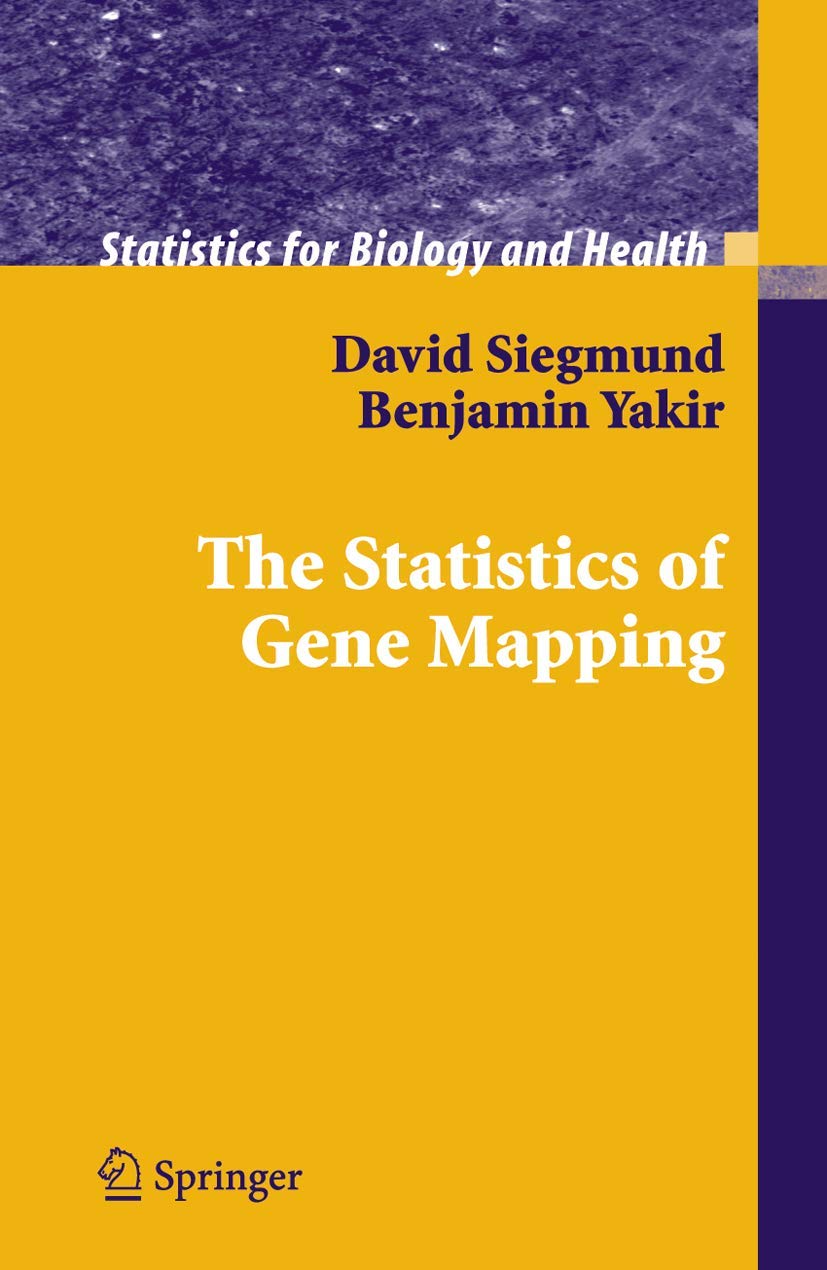
Statistics of Gene Mapping: A Comprehensive Statistical Guide by David Siegmund for Genetics and Bioinformatics Research
Inclusive of all applicable taxes. FREE shipping on all orders.
Available Offers
- 🚚Free Delivery — Free shipping on all orders
- 💵Cash on Delivery — Pay when your order arrives
- ↩️15-Day Easy Returns — Hassle-free return policy
- 🔒Cash on Delivery — Pay safely when your order arrives
Check Delivery
Product Description
Introduction
Statistics of Gene Mapping by David Siegmund is an authoritative reference that bridges the gap between advanced statistical theory and the practical challenges of genetic research. Designed for graduate students, researchers, and professionals in bioinformatics, this hardcover volume from Springer delivers rigorous methodologies for analyzing complex genetic data. Whether you are studying linkage analysis, association studies, or quantitative trait loci (QTL) mapping, this book provides the mathematical foundation and computational strategies essential for modern genomics.
Book Overview
This comprehensive text offers a deep dive into the statistical principles underlying gene mapping experiments. It systematically covers experimental design, hypothesis testing, and the interpretation of results from family-based and population-based studies. Siegmund’s approach balances theoretical rigor with real-world applicability, making it a valuable resource for anyone engaged in the statistical analysis of genetic data. Published by Springer, a leader in scientific literature, this hardcover edition is built to withstand years of reference use in libraries and laboratories alike.
Key Highlights
- Rigorous Statistical Framework: Provides a thorough treatment of likelihood-based methods, Bayesian approaches, and multiple testing corrections tailored to genetic mapping.
- Practical Examples: Includes worked-out problems and case studies drawn from human genetics, plant breeding, and animal genomics.
- Up-to-Date Methodology: Covers modern topics such as genome-wide association studies (GWAS), fine mapping, and next-generation sequence data analysis.
- Authoritative Reference: Written by a leading statistician with decades of experience in genetic epidemiology and statistical genetics.
Inside the Book
The book is organized into logical sections that guide the reader from basic concepts to advanced applications. Early chapters introduce fundamental probability models for genetic inheritance, including Mendelian segregation and linkage disequilibrium. Subsequent chapters delve into statistical tests for linkage and association, with careful attention to power calculations and sample size determination. Specialized chapters address the analysis of quantitative traits, complex pedigrees, and high-dimensional data. Each chapter concludes with exercises that reinforce key concepts and encourage independent exploration.
Key Topics
- Likelihood and score statistics for linkage analysis
- Multipoint mapping and hidden Markov models
- Nonparametric linkage methods for complex traits
- Population-based association studies and case-control designs
- Multiple comparison corrections: Bonferroni, permutation tests, and false discovery rate
- QTL mapping in experimental crosses
- Integration of genomic annotation and functional data
Reader Benefits
By studying this book, readers will gain the ability to design statistically sound gene mapping experiments and critically evaluate published results. The clear exposition helps demystify complex mathematical concepts, making them accessible to biologists with a solid foundation in statistics. Practitioners will appreciate the ready-to-implement algorithms and the discussion of computational tools available in R and other statistical software. The book also serves as an excellent preparation for advanced research in statistical genetics and bioinformatics.
Learning Outcomes
- Understand the mathematical basis of linkage and association mapping
- Apply appropriate statistical tests to various genetic study designs
- Interpret output from popular gene mapping software packages
- Assess the statistical power and limitations of different mapping strategies
- Develop customized analysis pipelines for complex genomic datasets
Who Should Read
This book is ideal for graduate students in statistics, biostatistics, genetics, and bioinformatics who are taking advanced courses in genetic data analysis. It is also a valuable resource for researchers in human genetics, plant and animal breeding, and evolutionary biology who need to apply statistical methods to their own data. Professionals working in pharmaceutical research and personalized medicine will find the chapters on association studies and fine mapping particularly relevant.
About the Author
David Siegmund is a professor of statistics at Stanford University, where he has made seminal contributions to the theory of sequential analysis, change-point detection, and statistical genetics. His research has been recognized with numerous awards, including the Institute of Mathematical Statistics’ Wald Prize. With over four decades of teaching and mentoring experience, Siegmund brings a unique clarity to the exposition of complex statistical ideas, ensuring that readers can grasp both the theory and its applications.
About the Publisher
Springer is one of the world’s most respected academic publishers, known for its high-quality books and journals in science, technology, and medicine. Founded in 1842, Springer has a long tradition of publishing definitive works by leading scholars. This hardcover edition reflects Springer’s commitment to producing durable, well-edited volumes that serve as lasting resources for the scientific community. Indian students and researchers can trust the accuracy and relevance of Springer’s content for their academic and professional needs.
Conclusion
Statistics of Gene Mapping is more than a textbook—it is a gateway to mastering the statistical tools that drive modern genetic discovery. With its blend of theory, application, and authoritative guidance, it belongs on the shelf of every serious student and researcher in the field. Whether you are preparing for a career in bioinformatics or advancing your current research, this Springer hardcover will equip you with the knowledge to tackle the most challenging problems in gene mapping. Order your copy from Bookshops.in today and take a decisive step toward excellence in statistical genetics.
Quick Summary
Statistics of Gene Mapping by David Siegmund is a definitive hardcover reference that bridges the gap between statistical theory and genetic mapping practice. Published by Springer, this book systematically introduces key statistical methods used to locate genes underlying complex traits. It covers classical linkage analysis, modern association studies, quantitative trait locus mapping, and advanced topics like Bayesian inference and likelihood-based methods. The author, a leading statistician from Stanford University, presents concepts with mathematical clarity and practical examples drawn from human, plant, and animal genetics. This book is ideal for graduate students, researchers, and professionals in statistics, genetics, bioinformatics, and genetic epidemiology. Readers will learn to design mapping studies, analyze genetic marker data, and interpret results accurately. By purchasing from Bookshops.in, Indian customers receive a genuine Springer hardcover at a fair price, with fast shipping and excellent customer service. Whether you are preparing for research in genomic medicine or agricultural breeding, this book provides the statistical foundation you need.
Book Highlights
Book Specifications
| ISBN-13 | 9780387496849 |
| ISBN-10 | 038749684X |
| Publisher | SPRINGER |
| Language | English |
| Dimensions | 16.21 x 2.13 x 23.55 cm |
| Weight | 215 g |
| Category | Biology & Life Sciences › Biology |
| Genre | Non-fiction |
| Original Language | English |
Frequently Asked Questions
What is the main focus of Statistics of Gene Mapping?
Who is the author of this book?
Is this book suitable for beginners in genetics?
What topics are covered in the book?
Is this a hardcover or paperback edition?
Does the book include exercises?
Can this book help with genome-wide association studies?
Is the book useful for bioinformatics students?
Does the book cover Bayesian statistics?
Is this book used in Indian universities?
What is the ISBN of this book?
Why should I buy this book from Bookshops.in?
Readers Also Search For
Customers Also Bought
Mathematics
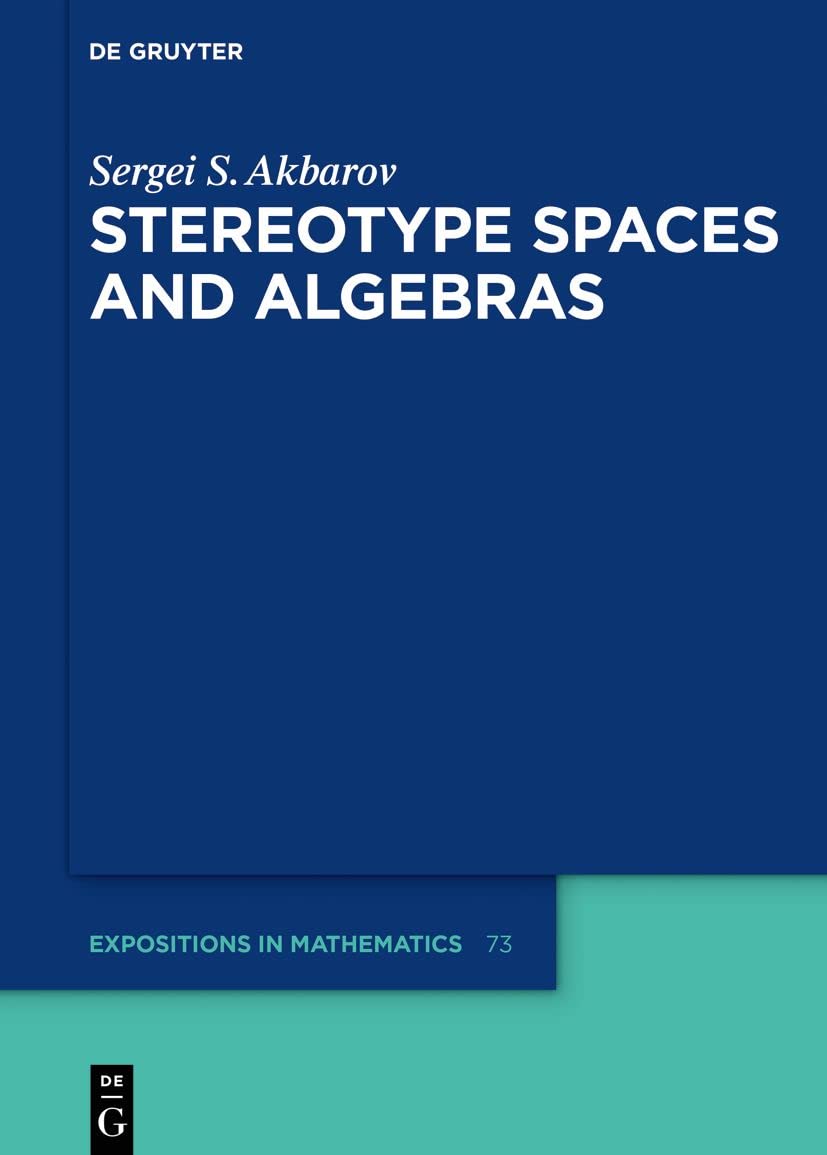
Stereotype Spaces and Algebras: 73 (De Gruyter Expositions in Mathematics, 73)

Mathematics
Semigroups in Algebra, Geometry and Analysis: 20 (De Gruyter Expositions in Mathematics, 20)

Mathematics
Geometry from the Pacific Rim: Proceedings of the Pacific Rim Geometry Conference held at National University of Singapore, Republic of Singapore, ... 1994 (De Gruyter Proceedings in Mathematics)

Mathematics
First International Tainan-Moscow Algebra Workshop: Proceedings of the International Conference held at National Cheng Kung University Tainan, Taiwan, ... 1994 (De Gruyter Proceedings in Mathematics)

Mathematics
Differential Geometry - Proceedings of the VIII International Colloquium (English, Jesus A. Alvarez Lopez | Eduardo Garcia-Rio)
Mathematics
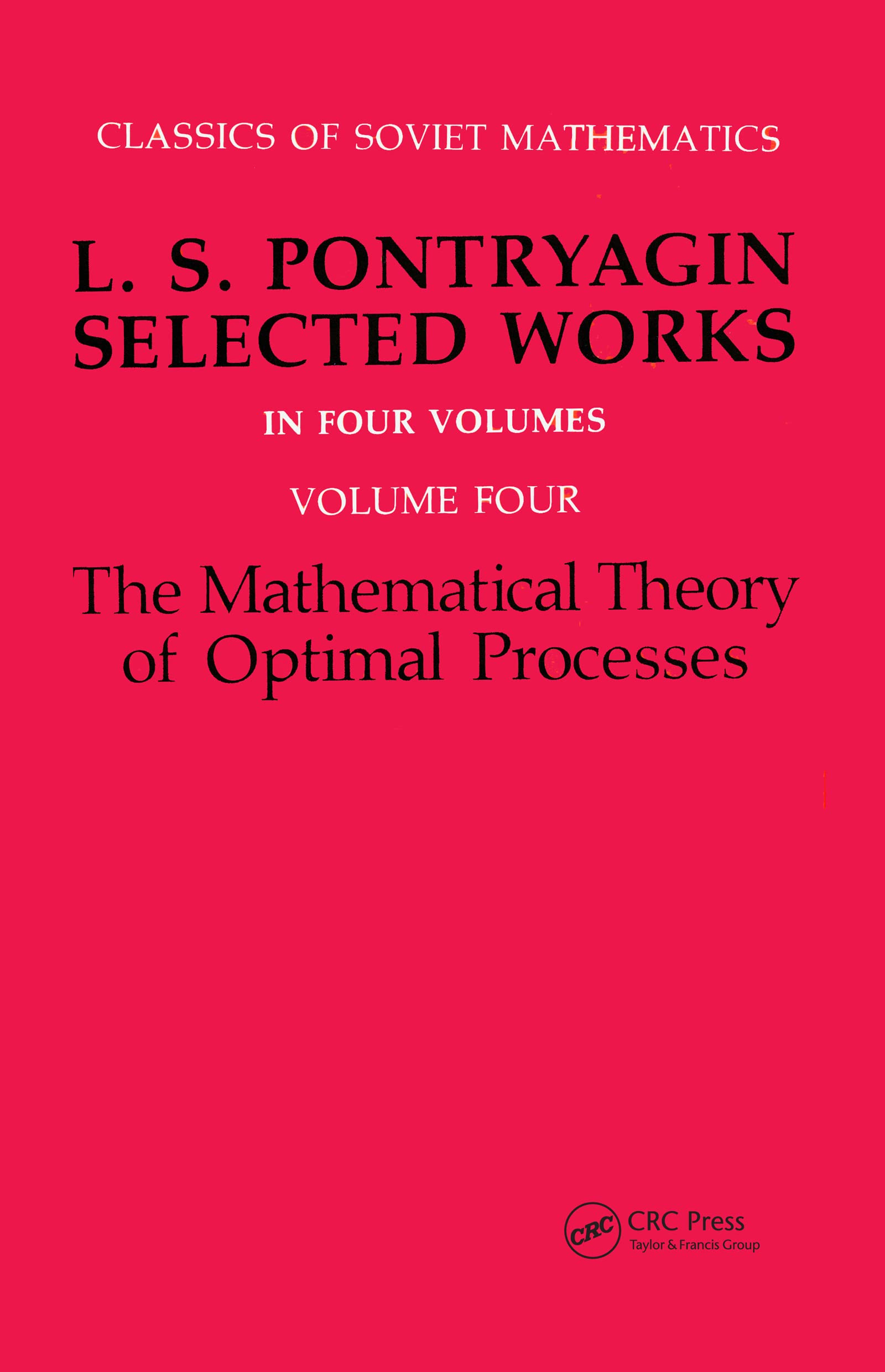
Mathematical Theory of Optimal Processes (Classics of Soviet Mathematics)
Related Products
View All
Biology
Evolution: What the Fossils Say and Why It Matters by Donald R. Prothero
Biology
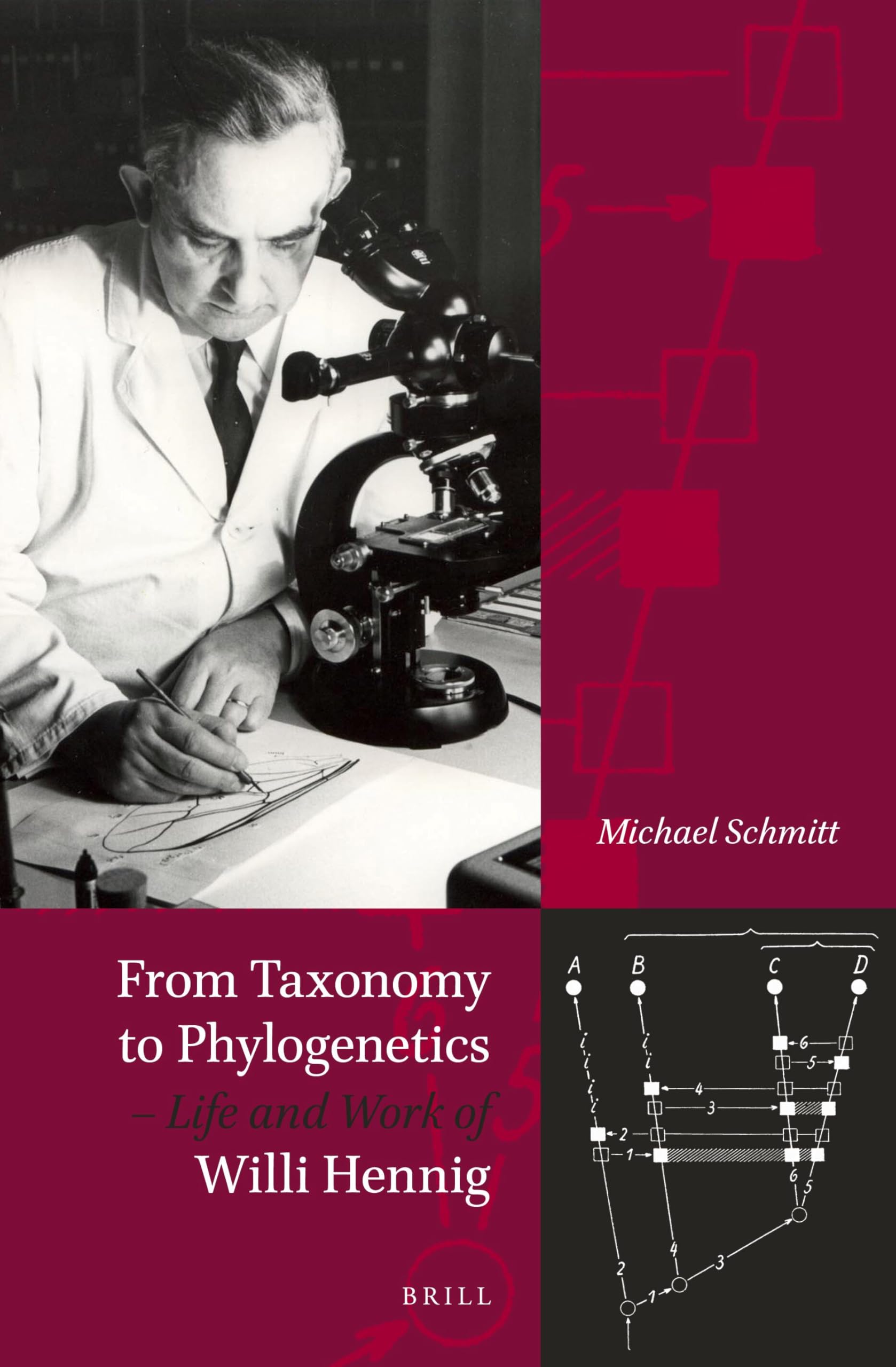
From Taxonomy to Phylogenetics – Life and Work of Willi Hennig

Biology
The Marine Biology of the South China Sea
Biology
Genetics Meets Metabolomics: from Experiment to Systems Biology

Biology
The Elements of Natural or Experimental Philosophy: 2
Biology