
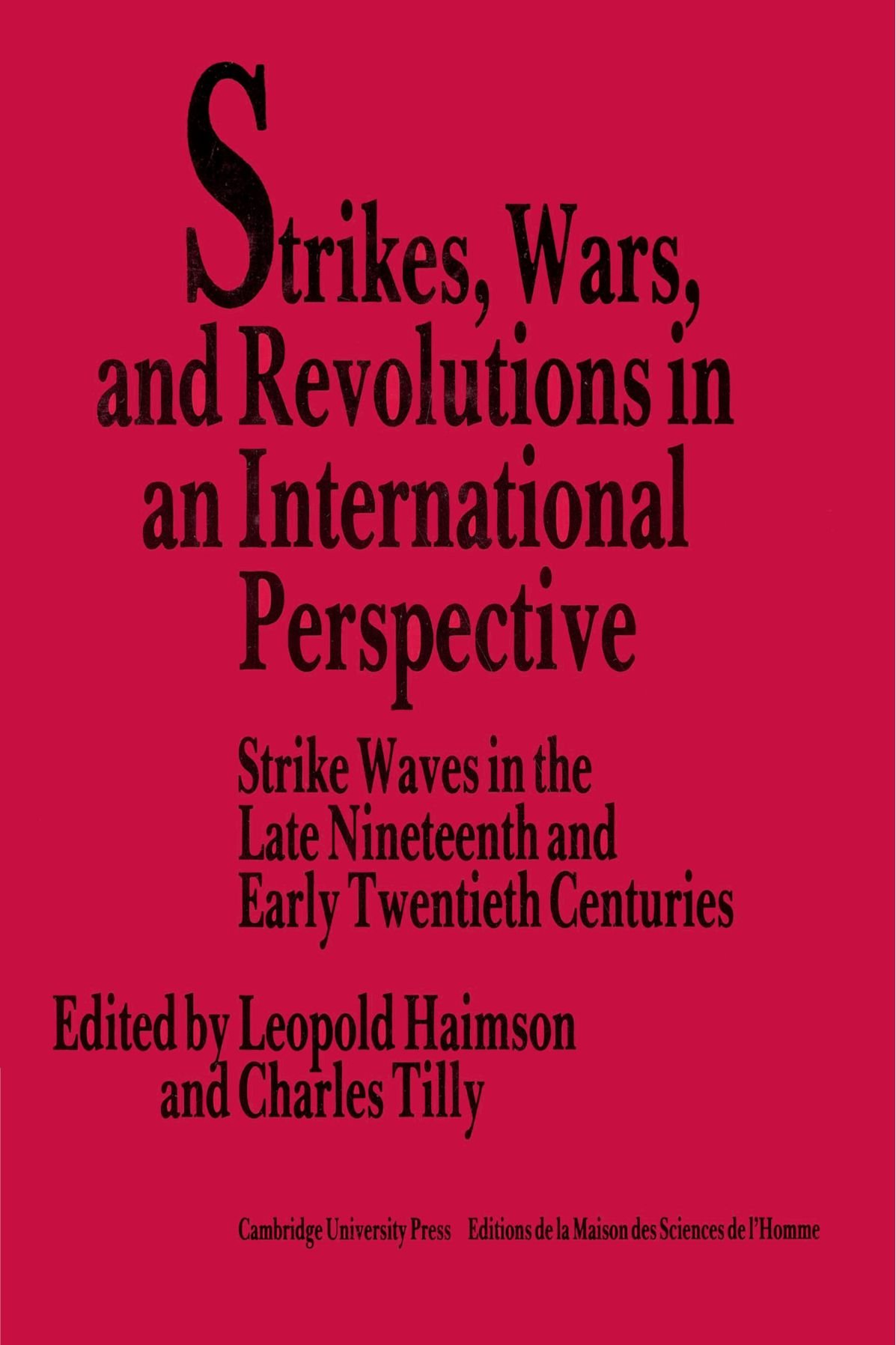
Strikes, Wars, and Revolutions in an International Perspective: Strike Waves in the Late Nineteenth and Early Twentieth
Inclusive of all applicable taxes. FREE shipping on all orders.
Available Offers
- 🚚Free Delivery — Free shipping on all orders
- 💵Cash on Delivery — Pay when your order arrives
- ↩️15-Day Easy Returns — Hassle-free return policy
- 🔒Cash on Delivery — Pay safely when your order arrives
Check Delivery
Product Description
Introduction
In the annals of modern history, few periods have witnessed as much social upheaval and transformative change as the late nineteenth and early twentieth centuries. Strikes, Wars, and Revolutions in an International Perspective: Strike Waves in the Late Nineteenth and Early Twentieth Centuries by Leopold Haimson offers a rigorous, comparative analysis of industrial labour conflicts across major industrialized nations. This hardcover volume, published by Cambridge University Press, is an essential resource for students, scholars, and history enthusiasts in India seeking to understand the complex interplay between labour movements, war, and revolution.
Book Overview
Originally published in 1989, this scholarly work brings together a series of deeply researched articles that examine patterns of continuity and change in industrial labour conflicts before, during, and immediately after the First World War. The book stands as a landmark in comparative labour history, applying quantitative techniques to analyse strike waves in countries such as Russia, Germany, France, Britain, and the United States. Haimson and his contributors challenge purely economic models of strike activity, offering nuanced political and organizational explanations that remain relevant to contemporary debates on labour rights and social movements.
Key Highlights
- Comparative Framework: Offers a rare side-by-side analysis of strike waves in multiple industrialized nations, making it invaluable for understanding global labour history.
- Quantitative Rigour: Employs statistical methods to dissect strike patterns, providing empirical depth to historical narratives.
- Critical Perspectives: Moves beyond simplistic economic determinism to explore political, organizational, and cultural factors driving industrial conflicts.
- Historical Context: Connects labour unrest to the broader crises of war and revolution, offering insights into the social fabric of early twentieth-century societies.
- Authoritative Scholarship: Edited by Leopold Haimson, a leading historian of Russian and comparative labour history, with contributions from eminent international scholars.
Inside the Book
The volume is structured around intensive case studies that trace the ebb and flow of strike waves across different national contexts. Readers will encounter detailed analyses of pre-war labour militancy, the impact of wartime mobilization on worker organization, and the explosive postwar strikes that reshaped political landscapes. The book includes statistical tables, comparative charts, and methodological discussions that make it a practical tool for researchers. Each chapter is self-contained yet builds toward a cohesive argument about the interconnectedness of industrial conflict and historical transformation.
Key Topics
- The rise of industrial unionism and socialist parties in the late nineteenth century
- Comparative strike wave patterns in Russia, Germany, France, Britain, and the United States
- The impact of World War I on labour markets, state repression, and worker consciousness
- Postwar revolutionary upheavals and their relationship to strike activity
- Methodological approaches to quantifying and interpreting strike data
- The role of political leadership, ideology, and organizational capacity in shaping labour movements
Reader Benefits
For Indian readers, this book offers a valuable lens to examine the global roots of labour struggles, many of which influenced India's own freedom movement and post-independence industrial relations. It equips students with analytical tools to compare historical labour conflicts with contemporary issues such as gig economy protests, unionization drives, and state responses to strikes. The clear, academic prose makes complex data accessible, while the comparative framework encourages critical thinking about how national contexts shape worker resistance.
Learning Outcomes
By engaging with this book, readers will develop a deep understanding of the causes and consequences of strike waves in a transformative era. They will learn to critically evaluate economic versus political explanations for labour unrest, gain proficiency in using quantitative historical methods, and appreciate how wars and revolutions alter the dynamics of industrial conflict. The book also fosters skills in comparative analysis, enabling readers to draw meaningful parallels between historical and present-day labour movements.
Who Should Read
- History Students: Especially those specializing in modern European, Russian, or global labour history.
- Sociology and Political Science Scholars: Interested in social movements, industrial relations, and state-society interactions.
- Economics Students: Seeking to understand the limitations of purely economic models of strikes.
- Labour Activists and Trade Unionists: Wanting historical perspective on the strategies and challenges of worker organization.
- General Readers: With a passion for understanding how ordinary people shaped the course of modern history through collective action.
About the Author
Leopold Haimson (1927–2010) was a distinguished professor of history at Columbia University and a pioneering scholar of Russian and Soviet history. His work on the Russian labour movement and the social history of the late imperial period remains foundational. Haimson's ability to combine meticulous archival research with comparative theoretical insights made him a towering figure in labour history. This volume reflects his lifelong commitment to understanding the dynamics of social conflict and political change.
About the Publisher
Cambridge University Press, established in 1534, is one of the world's oldest and most prestigious academic publishers. Known for its rigorous editorial standards and commitment to scholarly excellence, Cambridge University Press has published groundbreaking works in history, social sciences, and the humanities. This volume is a testament to their tradition of making high-quality research accessible to a global audience, including readers in India.
Conclusion
Strikes, Wars, and Revolutions in an International Perspective is more than a historical study; it is a vital toolkit for anyone seeking to comprehend the forces that have shaped modern labour relations and social upheaval. Leopold Haimson's masterful editing and the collective expertise of the contributors make this book a timeless addition to any serious library. For Indian students and scholars, it offers a unique opportunity to connect global historical currents with local realities, enriching our understanding of how workers’ struggles have—and continue to—transform societies. Order your hardcover copy today from Bookshops.in and delve into a world where strikes, wars, and revolutions converge.
Quick Summary
Strikes, Wars, and Revolutions in an International Perspective, edited by Leopold Haimson, is a seminal academic work that delves into the patterns of industrial labour conflicts across major industrialized countries from the late nineteenth century through the aftermath of World War I. This 1989 volume, reprinted in 2002 by Cambridge University Press, brings together contributions from leading historians who apply quantitative techniques to compare strike waves across nations. The book offers a critical examination of economic models of strike activity, arguing that political and organizational factors are equally important. Readers will gain a deep understanding of how labour unrest evolved during a period of profound social and political change. This hardcover edition is ideal for university students, researchers, and professionals in sociology, history, economics, and industrial relations. By purchasing from Bookshops.in, Indian readers receive a genuine imported copy with fast shipping and dedicated support, making it a valuable addition to any academic library.
Book Highlights
Book Specifications
| ISBN-13 | 9780521526982 |
| ISBN-10 | 0521526981 |
| Publisher | Cambridge University Press |
| Language | English |
| Dimensions | 15.19 x 3.51 x 22.81 cm |
| Weight | 896 g |
| Country | India |
| Category | Economics › Economic History |
| Genre | Academic |
| Original Language | English |
Frequently Asked Questions
What is the main focus of this book?
Who is the editor of this volume?
Which countries are covered in the strike wave analysis?
Does the book use statistical methods?
Is this book suitable for Indian readers?
What time period does the book cover?
Is this a new edition?
What is the binding of this book?
Does the book critique economic models of strikes?
How is this book different from other labour history books?
Can I use this book for my PhD research?
What is the language of the book?
Is there a digital version available?
Why should I buy from Bookshops.in?
Readers Also Search For
Related Products
View All
Science & Mathematics
Elements of Pelagos Biology: With Focus on the Mediterranean Sea

Science & Mathematics
Mathematical Theory of Optimal Processes (Classics of Soviet Mathematics)
Science & Mathematics
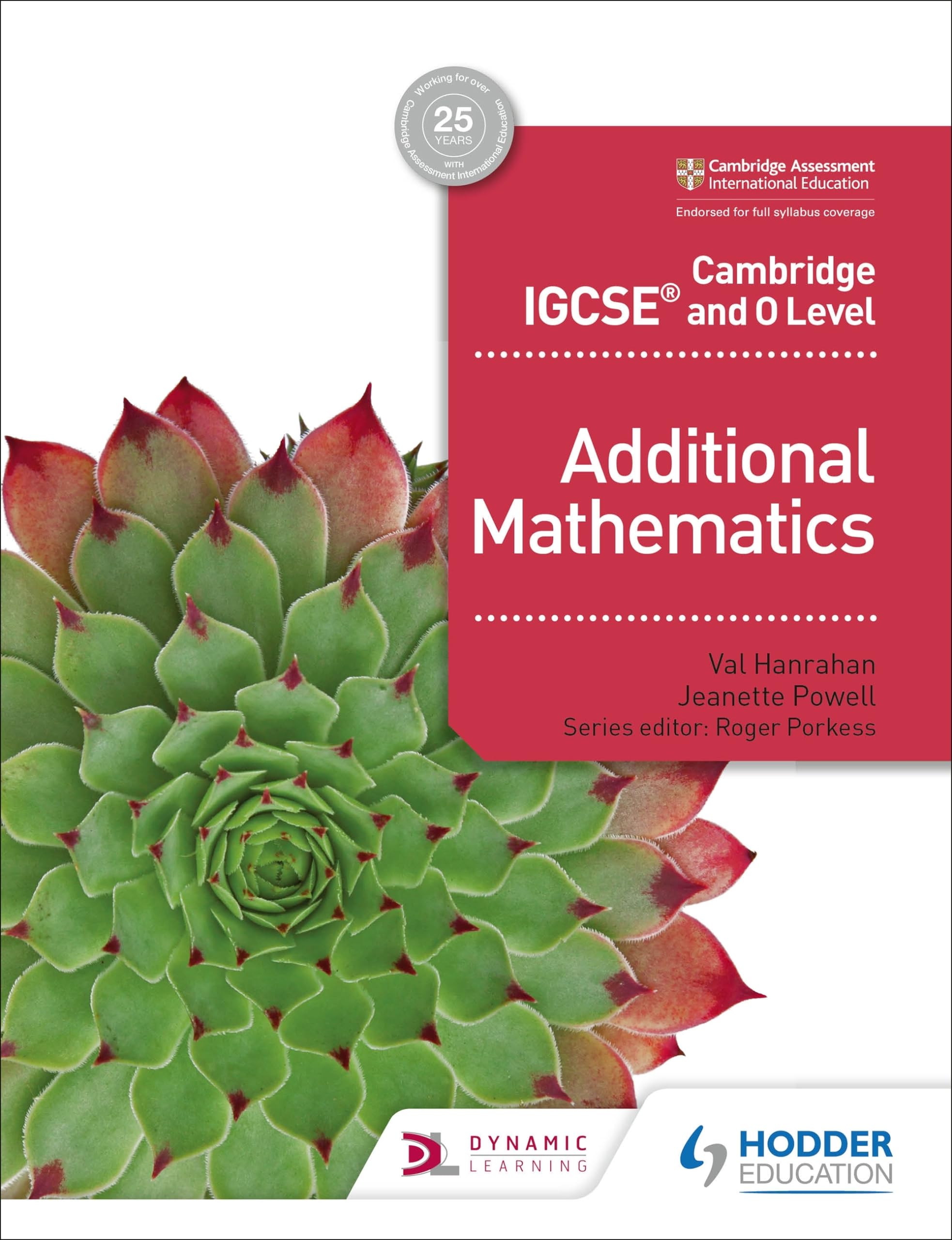
Cambridge IGCSE and O Level Additional Mathematics by Val Hanrahan – Textbook for 0606/4037

Science & Mathematics
Squid - Superconducting Quantum Interference Devices and Their Applications: Proceedings of the International Conference on Superconducting Quantum Devices, Berlin-west, October 4-8, 1976

Science & Mathematics
Concise Encyclopedia of Biochemistry
Science & Mathematics