
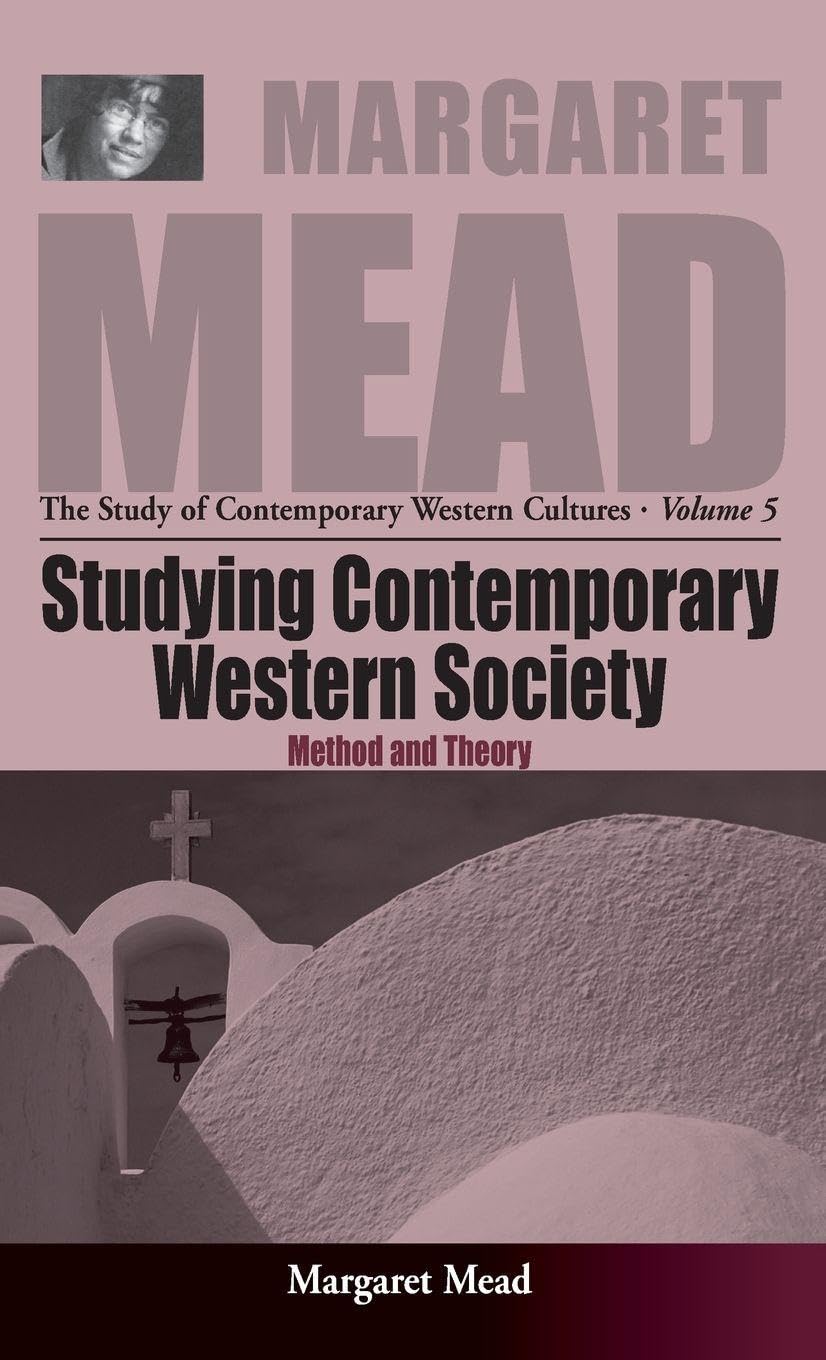
Studying Contemporary Western Society: Method and Theory by Margaret Mead – A Foundational Anthropology Book for Underst
Inclusive of all applicable taxes. FREE shipping on all orders.
Available Offers
- 🚚Free Delivery — Free shipping on all orders
- 💵Cash on Delivery — Pay when your order arrives
- ↩️15-Day Easy Returns — Hassle-free return policy
- 🔒Cash on Delivery — Pay safely when your order arrives
Check Delivery
Product Description
Introduction
Margaret Mead’s Studying Contemporary Western Society: Method and Theory is a landmark volume that brings together her most incisive essays on the study of modern cultures. While Mead is celebrated for her pioneering fieldwork in the South Pacific, this collection reveals her equally revolutionary work in applying anthropological lenses to Western societies—from American suburbs to European cities. For Indian students and scholars of sociology, anthropology, and cultural studies, this book offers timeless tools for understanding rapidly changing social landscapes, making it an essential addition to any academic library.
Book Overview
First published by Berghahn Books in hardcover, this compilation gathers essays originally scattered across limited-circulation journals, research reports, and edited volumes. Mead systematically explores how anthropological methods—participant observation, comparative analysis, and holistic inquiry—can be adapted to study complex, industrialised societies. The essays span topics such as intergenerational dynamics, urban architecture, industrialisation, and interracial relations, all grounded in Mead’s conviction that the anthropologist’s toolkit is indispensable for diagnosing the ailments and aspirations of contemporary life.
Key Highlights
- Pioneering methodology: Mead demonstrates how ethnographic techniques used in tribal societies can illuminate the hidden patterns of modern institutions.
- Cross-cultural scope: Essays examine American, European, and Japanese contexts, offering a comparative framework relevant to Indian readers studying globalisation.
- Interdisciplinary relevance: The book bridges anthropology, sociology, urban studies, and education, making it a versatile resource for diverse courses.
- Timeless insights: Despite being written decades ago, Mead’s observations on technology, family structures, and social change resonate powerfully with contemporary India.
Inside the Book
The volume is divided into thematic sections that guide readers through Mead’s intellectual journey. Early chapters lay out her theoretical principles, arguing that the study of contemporary culture requires both rigorous data collection and empathetic understanding. Later essays apply these principles to concrete settings: the design of schools and hospitals, the rhythm of factory work, and the negotiation of racial boundaries. Each piece is prefaced by contextual notes that help readers appreciate the historical moment in which Mead wrote. The result is a book that feels both archival and urgent—a conversation across time.
Key Topics
- Anthropological methods for modern societies: How fieldwork adapts to cities, corporations, and governments.
- Intergenerational relations: The changing dynamics between youth and elders in industrialised contexts.
- Architecture and social space: How built environments shape human interaction and community life.
- Industrialisation and social change: The human costs and gains of technological progress.
- Interracial and intercultural relations: Frameworks for studying diversity and conflict in plural societies.
- Gender and family roles: Mead’s early insights into shifting domestic arrangements.
Reader Benefits
This book offers Indian readers a unique vantage point. Students preparing for competitive exams or writing dissertations will find methodological templates that can be applied to Indian case studies—be it the study of a Mumbai slum, a Bengaluru tech park, or a Delhi neighbourhood. Researchers gain access to Mead’s reflective process, learning how she posed questions, collected evidence, and revised her theories. General readers with an interest in society will appreciate the clarity of Mead’s prose and the relevance of her observations to today’s debates about urbanisation, generational conflict, and identity.
Learning Outcomes
- Understand how anthropological methods can be transferred from small-scale societies to complex Western contexts.
- Critically evaluate the role of the researcher in studying one’s own culture.
- Analyse the interplay between physical space, social structure, and cultural values.
- Develop a comparative perspective on industrialisation and its effects across cultures.
- Gain practical tools for designing ethnographic studies in contemporary settings.
Who Should Read
This book is ideal for undergraduate and postgraduate students of anthropology, sociology, cultural studies, and urban planning. It also serves scholars researching globalisation, family dynamics, and social change. Indian educators looking for classic texts that challenge Eurocentric assumptions will find Mead’s work refreshingly global in scope. Additionally, professionals in community development, architecture, and public policy will benefit from her humanistic approach to understanding social systems.
About the Author
Margaret Mead (1901–1978) was one of the most influential anthropologists of the twentieth century. A student of Franz Boas and Ruth Benedict, she conducted groundbreaking fieldwork in Samoa, New Guinea, and Bali. Her popular works, including Coming of Age in Samoa, brought anthropology into public discourse. This volume showcases a lesser-known but equally vital side of her career: her relentless effort to make anthropology relevant to modern industrial societies. Mead’s legacy endures in her insistence that cultural understanding is essential for solving human problems.
About the Publisher
Berghahn Books is an independent academic publisher based in New York and Oxford, known for its distinguished lists in anthropology, history, and social sciences. Committed to publishing works that push disciplinary boundaries, Berghahn has made this classic collection available in a durable hardcover edition suitable for library and personal use. Indian readers can trust Berghahn’s rigorous editorial standards and commitment to preserving scholarly heritage.
Conclusion
Studying Contemporary Western Society: Method and Theory is more than a historical curiosity—it is a living manual for anyone seeking to understand the complexities of modern life through an anthropological lens. Margaret Mead’s essays challenge us to look beyond surface phenomena and engage with the deeper patterns that shape our world. For Indian students and scholars navigating the intersections of tradition and modernity, this book offers both inspiration and practical guidance. Order your hardcover copy from Bookshops.in today and add a timeless work of social science to your collection.
Quick Summary
Studying Contemporary Western Society: Method and Theory is a landmark collection of essays by the pioneering anthropologist Margaret Mead. The book brings together her lesser-known writings on how to study modern, complex societies using ethnographic and anthropological methods. Mead explores topics such as intergenerational relations, architecture and social space, industrialization, and interracial relations, drawing on examples from American and European cultures. This volume is essential for Indian students and researchers in anthropology, sociology, and cultural studies who want to understand how to apply traditional fieldwork techniques to contemporary settings. Readers will learn about innovative research approaches, the importance of context in social analysis, and the enduring relevance of Mead's work. By purchasing from Bookshops.in, you get a genuine hardcover edition delivered to your doorstep, supporting a trusted Indian bookstore committed to quality academic literature.
Book Highlights
Book Specifications
| ISBN-13 | 9781571818157 |
| ISBN-10 | 1571818154 |
| Publisher | Berghahn Books, Incorporated |
| Language | English |
| Dimensions | 13.97 x 1.91 x 21.59 cm |
| Weight | 476 g |
| Category | Society & Social Sciences › Anthropology |
| Genre | Non-fiction |
| Original Language | English |
Frequently Asked Questions
What is Studying Contemporary Western Society about?
Who is the author of this book?
Is this book suitable for Indian students?
What topics does the book cover?
What is the ISBN-13?
Is this book available in hardcover?
What is the price of this book?
Why should I buy from Bookshops.in?
Can I use this book for my anthropology course?
Does the book include case studies?
What language is the book in?
Is this a beginner-friendly book?
Readers Also Search For
Customers Also Bought
Sociology
Imagination Beyond Nation: Latin American Popular Culture: 349 (Pitt Latin American Series)

Sociology
Boomer Volunteer Engagement: Facilitator's Tool Kit

Sociology
Making a Success of Marriage: Planning for Happily Ever After

Sociology
Causal Mediation Analysis (Analytical Methods for Social Research)
Sociology
Marriage and the Moral Imagination (New Departures in Anthropology)

Sociology
Social Change, Resistance and Social Practices: 19 (Studies in Critical Social Sciences, 19)
Related Products
View All
Anthropology
Governing How We Care: Contesting Community and Defining Difference in U.S. Public Health Programs
Anthropology
What Gifts Engender (English, Rena Lederman)

Anthropology
Epistemology and Practice (English, Anne Warfield Rawls | Rawls Anne Warfield)
Anthropology
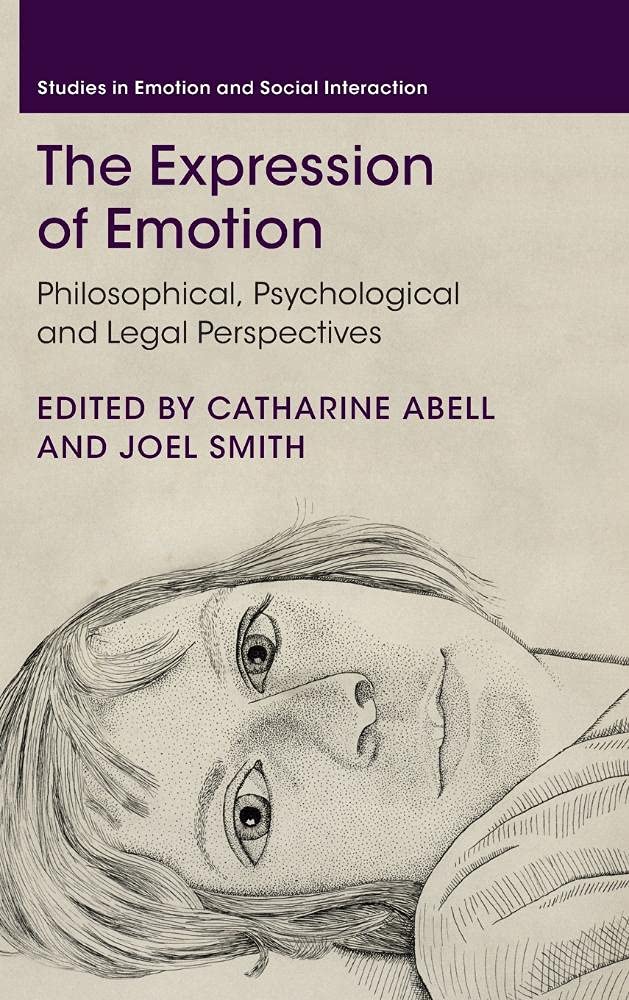
The Expression of Emotion: Philosophical, Psychological and Legal Perspectives (Studies in Emotion and Social Interaction)

Anthropology
Dramas of Nationhood: The Politics of Television in Egypt by Lila Abu-Lughod
Anthropology