
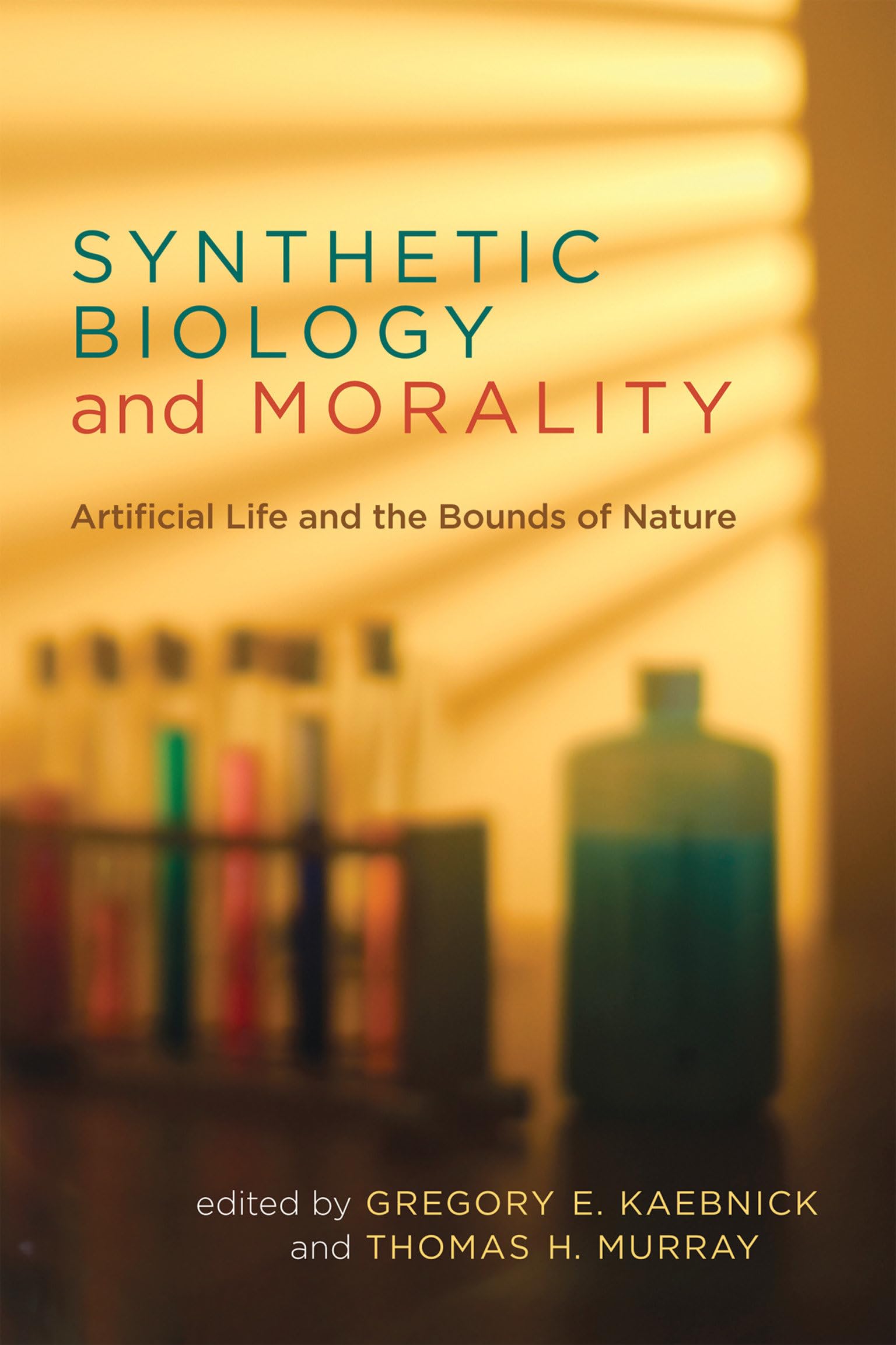
Synthetic Biology and Morality: Artificial Life and the Bounds of Nature by Gregory E. Kaebnick – A Philosophical Inquir
Inclusive of all applicable taxes. FREE shipping on all orders.
Available Offers
- 🚚Free Delivery — Free shipping on all orders
- 💵Cash on Delivery — Pay when your order arrives
- ↩️15-Day Easy Returns — Hassle-free return policy
- 🔒Cash on Delivery — Pay safely when your order arrives
Check Delivery
Product Description
Introduction
Synthetic biology stands at the frontier of modern science, promising to reshape the world by designing and building living organisms from scratch. But as humanity gains the power to create artificial life, profound moral questions arise. Synthetic Biology and Morality: Artificial Life and the Bounds of Nature, edited by Gregory E. Kaebnick and published by MIT Press, dives deep into these ethical dilemmas. This hardcover volume is an essential read for Indian students, researchers, and policy enthusiasts who wish to understand the philosophical and political dimensions of this cutting-edge field.
Book Overview
This thought-provoking collection brings together leading philosophers, bioethicists, and political theorists to examine whether synthetic biology is intrinsically troubling—or even a case of scientists “playing God.” The book moves beyond sensational headlines to offer a balanced, rigorous exploration of the morality behind creating novel life forms. It addresses not only the ethics of making new organisms but also the broader implications for public policy, environmental stewardship, and human identity. For anyone in India grappling with the rapid pace of biotechnological change, this book provides a solid foundation for informed debate.
Key Highlights
- Multidisciplinary Perspectives: Essays from ethics, philosophy, political science, and biology offer a holistic view of synthetic biology’s moral landscape.
- Intrinsic vs. Instrumental Value: Engages with the question of whether synthetic organisms have inherent worth or are merely tools for human ends.
- Policy-Relevant Analysis: Connects ethical reasoning to real-world governance, regulation, and public discourse—highly relevant for Indian policymakers.
- Accessible Yet Scholarly: Written in clear language suitable for advanced undergraduates, graduate students, and curious general readers alike.
Inside the Book
The volume is structured into thematic sections that guide the reader from foundational questions to applied concerns. Early chapters lay out the conceptual terrain, debating whether synthetic biology is a radical break from traditional genetic engineering. Later essays explore the possibility that artificial life forms could be inherently valuable, and what that means for our moral obligations. The book also tackles the tension between scientific freedom and societal oversight, making it a timely resource for Indian academic and policy circles.
Key Topics
- Playing God: Examining the religious and secular objections to creating life.
- Moral Status of Synthetic Organisms: Do they deserve rights or protections?
- Environmental Ethics: Risks and responsibilities of releasing synthetic life into ecosystems.
- Human Enhancement: The line between therapy and redesigning human nature.
- Democracy and Biotechnology: Who decides the limits of synthetic biology?
Reader Benefits
Indian readers will find this book particularly valuable as the country invests heavily in biotechnology and synthetic biology research. It equips students and professionals to participate in global conversations about responsible innovation. By engaging with diverse viewpoints, readers develop critical thinking skills essential for careers in science, ethics, law, and public policy. The hardcover edition makes for a durable addition to any library, perfect for repeated reference and study.
Learning Outcomes
- Ethical Reasoning: Learn to analyze moral arguments about emerging technologies.
- Interdisciplinary Understanding: Connect scientific facts with philosophical and political frameworks.
- Policy Awareness: Grasp how ethical debates shape regulations and funding priorities.
- Critical Debate: Develop the ability to articulate and defend your own position on synthetic biology.
Who Should Read
This book is ideal for undergraduate and postgraduate students in biotechnology, bioethics, philosophy, and political science. It is also a must-read for researchers in synthetic biology who want to reflect on the broader implications of their work. Indian educators can use it as a core text for courses on science and society. Additionally, journalists, environmental activists, and general readers with an interest in the future of life will find the essays engaging and accessible.
About the Author
Gregory E. Kaebnick is a senior research scholar at The Hastings Center, a leading bioethics research institute in the United States. He has written extensively on the ethics of biotechnology, genetic engineering, and synthetic biology. His editorial expertise ensures that the book maintains a balanced tone while presenting a spectrum of viewpoints, from cautious to optimistic.
About the Publisher
MIT Press is one of the world’s most respected academic publishers, known for advancing knowledge in science, technology, and the humanities. With a commitment to rigorous scholarship and accessible writing, MIT Press books are trusted by students and professionals across India. This hardcover edition reflects the high production standards that make it a lasting resource.
Conclusion
Synthetic Biology and Morality: Artificial Life and the Bounds of Nature is more than a book—it is a conversation starter for our times. As synthetic biology moves from labs to markets, the ethical questions it raises will only grow more urgent. This volume provides the intellectual tools to navigate that future with wisdom and responsibility. Whether you are a student, a scientist, or a concerned citizen, this book will change how you think about life itself.
Quick Summary
Synthetic Biology and Morality: Artificial Life and the Bounds of Nature, edited by Gregory E. Kaebnick, is a thought-provoking collection of essays that delves into the ethical dimensions of synthetic biology. This emerging field aims to design and build organisms for human benefit, from biofuels to behavioral programming, but it also raises profound moral questions. The book tackles the central issue of whether synthetic biology is inherently troubling—often framed as scientists 'playing God'—and explores its implications for public policy and our understanding of nature. Featuring diverse philosophical and political perspectives, it is an essential resource for students, researchers, and anyone interested in the intersection of science, ethics, and society. Readers will gain a nuanced understanding of the moral boundaries of biotechnology. Published by MIT Press, this hardcover edition is a valuable addition to any academic library. By purchasing from Bookshops.in, Indian readers support a trusted local bookstore that offers genuine, high-quality books with reliable delivery.
Book Highlights
Book Specifications
| ISBN-13 | 9780262519595 |
| ISBN-10 | 0262519593 |
| Publisher | The MIT Press |
| Language | English |
| Dimensions | 15.2 x 1.1 x 22.9 cm |
| Weight | 312 g |
| Country | India |
| Category | Philosophy › Ethics |
| Genre | Nonfiction |
| Reading Age | Adult |
| Original Language | English |
Frequently Asked Questions
What is the main theme of Synthetic Biology and Morality?
Who edited this book?
Is this book suitable for Indian students?
Does the book discuss 'playing God'?
What is the format of the book?
Is this book only for experts?
Does the book cover policy implications?
Can this book help with academic research?
Is the book available in Indian bookstores?
What language is the book in?
Does the book have any reviews?
What is the ISBN?
Readers Also Search For
Related Products
View All
Science & Mathematics
Elements of Pelagos Biology: With Focus on the Mediterranean Sea
Science & Mathematics
Mathematical Theory of Optimal Processes (Classics of Soviet Mathematics)
Science & Mathematics
Cambridge IGCSE and O Level Additional Mathematics by Val Hanrahan – Textbook for 0606/4037
Science & Mathematics
Squid - Superconducting Quantum Interference Devices and Their Applications: Proceedings of the International Conference on Superconducting Quantum Devices, Berlin-west, October 4-8, 1976
Science & Mathematics
Concise Encyclopedia of Biochemistry
Science & Mathematics