
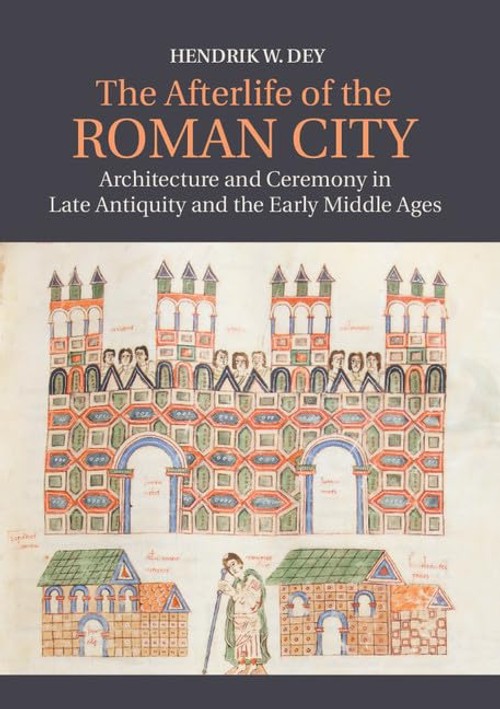
The Afterlife of the Roman City: Architecture and Ceremony in Late Antiquity and the Early Middle Ages by Hendrik W. Dey
Inclusive of all applicable taxes. FREE shipping on all orders.
Available Offers
- 🚚Free Delivery — Free shipping on all orders
- 💵Cash on Delivery — Pay when your order arrives
- ↩️15-Day Easy Returns — Hassle-free return policy
- 🔒Cash on Delivery — Pay safely when your order arrives
Check Delivery
Product Description
Introduction
The Afterlife of the Roman City: Architecture and Ceremony in Late Antiquity and the Early Middle Ages by Hendrik W. Dey is a compelling scholarly work that reimagines the urban history of the late Roman world. Published by Cambridge University Press, this hardcover edition offers a fresh perspective on how cities across the Roman Empire evolved between the third and ninth centuries AD. For Indian readers and students of history, architecture, or urban studies, this book presents an engaging narrative about the enduring power of ceremonial spaces and the leaders who shaped them long after the empire’s political decline.
Book Overview
This book challenges conventional views by arguing that the survival of major cities in the post-Roman world was not accidental. Instead, it was driven by the deliberate efforts of emperors, kings, bishops, and caliphs who used urban processional ways to display their authority. Hendrik W. Dey traces how these monumental corridors—essentially grand streets and public spaces—became stages for parades, liturgies, and solemn appearances. The study spans from the late antique period through the early Middle Ages, covering regions from the Mediterranean to the Near East. It integrates architectural analysis with the human actors who animated these spaces, offering a holistic view of urban continuity and change.
Key Highlights
- Original Thesis: Proposes that the persistence of Roman cities relied more on ceremonial processional routes than on economic or military factors.
- Chronological Scope: Covers a transformative period from the third to ninth centuries, bridging late antiquity and the early Middle Ages.
- Interdisciplinary Approach: Combines archaeology, history, and architecture to explore how urban spaces were used for public rituals.
- Global Relevance: Examines cities across the Roman world, including the Eastern Mediterranean, North Africa, and Western Europe.
- Authoritative Publisher: Published by Cambridge University Press, ensuring rigorous academic standards.
Inside the Book
Readers will find detailed analyses of urban layouts, including the famous processional ways of Rome, Constantinople, and other major cities. The book uses maps, architectural plans, and textual evidence to reconstruct how these corridors functioned. It also examines the role of Christian liturgies, imperial ceremonies, and Islamic processions in shaping urban life. Dey’s writing is accessible yet rich with scholarly detail, making it suitable for both specialists and advanced students. The hardcover edition is well-illustrated, enhancing the understanding of spatial dynamics.
Key Topics
- Urban continuity and transformation in late antiquity
- Processional architecture and public ceremony
- Role of bishops, emperors, and caliphs as urban patrons
- Liturgical and secular rituals in city spaces
- Comparative study of Roman, Byzantine, and early Islamic cities
- Decline and adaptation of classical urban forms
Reader Benefits
- Deepens Historical Understanding: Provides a nuanced view of how cities survived political collapse through ceremonial practices.
- Enhances Architectural Knowledge: Offers insights into the design and function of monumental urban spaces.
- Supports Academic Research: An essential resource for students and scholars of history, archaeology, and urban studies.
- Broadens Cultural Perspective: Highlights the interplay between religion, power, and city planning in different civilizations.
Learning Outcomes
By reading this book, you will be able to: understand the key factors that sustained Roman cities into the Middle Ages; analyze the relationship between architecture and political authority; identify the role of ceremonial routes in shaping urban identities; compare urban traditions across the Roman and post-Roman worlds; and critically evaluate existing narratives of urban decline.
Who Should Read
This book is ideal for postgraduate students and researchers in ancient history, archaeology, architecture, and religious studies. It is also valuable for Indian readers interested in comparative urbanism, as it offers parallels with ceremonial spaces in Indian historical cities. University faculty teaching courses on late antiquity, medieval history, or urban theory will find it an excellent reference. Additionally, history enthusiasts with a keen interest in the transformation of classical cities will appreciate its accessible yet scholarly tone.
About the Author
Hendrik W. Dey is a professor of history at Hunter College, City University of New York. He specializes in late antique and early medieval urbanism, with a focus on the architecture and ceremonial life of Mediterranean cities. His research combines archaeological evidence with literary sources, and he has published widely on the transformation of Roman public spaces. Dey’s work is known for its innovative approach to understanding how cities continued to function as centers of power and ritual long after the empire’s political fragmentation.
About the Publisher
Cambridge University Press is a world-leading academic publisher with a strong reputation for producing authoritative works in history, archaeology, and the humanities. Founded in 1534, it has a long tradition of supporting rigorous scholarship. This hardcover edition reflects the press’s commitment to high-quality production and editorial excellence, making it a reliable choice for academic libraries and personal collections alike.
Conclusion
The Afterlife of the Roman City is a groundbreaking study that redefines our understanding of urban endurance in a transformative era. Hendrik W. Dey’s focus on ceremonial architecture and the leaders who used it offers a vivid narrative of continuity amid change. For Indian readers and scholars seeking a deeper grasp of how cities evolve, this book provides both intellectual stimulation and practical insights. It is a valuable addition to any library, promising to enrich discussions on history, architecture, and the enduring human need for communal spectacle.
Quick Summary
The Afterlife of the Roman City by Hendrik W. Dey offers a groundbreaking reinterpretation of urban evolution across the Roman world from the third to the ninth centuries AD. Challenging the conventional narrative of urban decline after the fall of the Western Roman Empire, Dey argues that cities persisted and even flourished because rulers—emperors, kings, caliphs, and bishops—actively maintained monumental processional corridors to stage ceremonies that demonstrated their authority. These narrow but grandiose urban itineraries became the stage for parades, religious liturgies, and political displays, ensuring that urban life continued well into the early Middle Ages. Drawing on archaeological evidence, art history, and textual sources, the book examines key cities such as Rome, Constantinople, Ravenna, and Antioch, revealing how architecture and ritual were intertwined. Readers will learn how ceremonial spaces were adapted from pagan to Christian contexts and how urban elites invested in infrastructure to project power. This book is ideal for history students, archaeologists, and anyone interested in the resilience of urban centers. By purchasing from Bookshops.in, Indian readers gain access to a high-quality hardcover edition from Cambridge University Press, with reliable delivery and competitive pricing.
Book Highlights
Book Specifications
| ISBN-13 | 9781107069183 |
| ISBN-10 | 1107069181 |
| Publisher | Cambridge University Press |
| Language | English |
| Dimensions | 18.42 x 1.91 x 25.4 cm |
| Weight | 860 g |
| Category | Ancient › Rome |
| Genre | History |
| Reading Age | 18+ |
| Original Language | English |
Frequently Asked Questions
What is the main argument of The Afterlife of the Roman City?
Who is the author Hendrik W. Dey?
Which time period does this book cover?
Is this book suitable for Indian students?
Does the book include illustrations?
What makes this book different from other studies on Roman cities?
Which cities are discussed in detail?
Is this book based on original research?
Can I use this book for my university coursework?
Does the book cover non-Christian ceremonies?
How does the author define 'afterlife'?
What is the role of bishops in the book?
Is this book part of a series?
Where can I buy this book in India?
Readers Also Search For
Related Products
View All
History
The Information Revolution: Transforming the World Through Technology (World History)
History
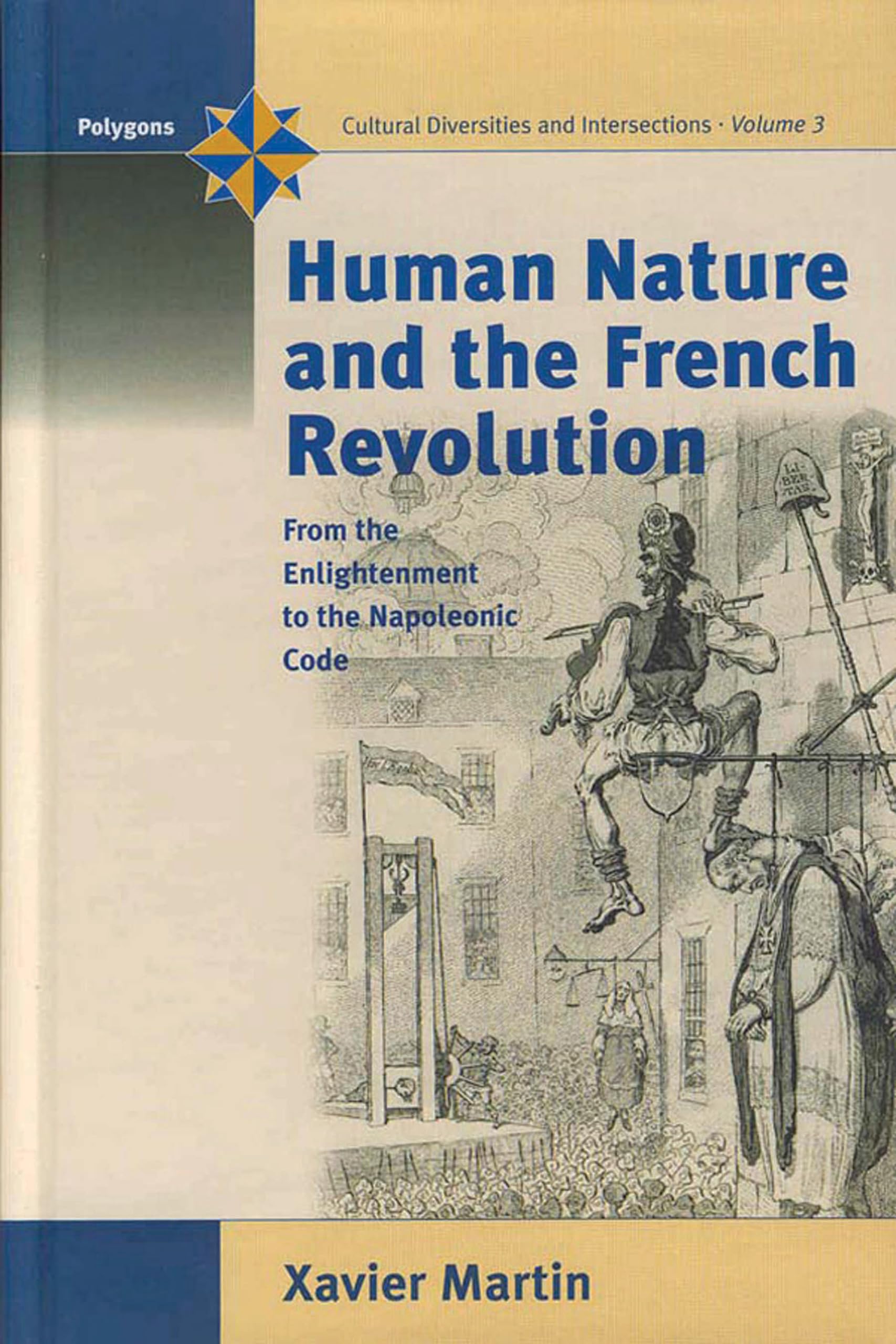
Human Nature and the French Revolution: From the Enlightenment to the Napoleonic Code: 3 (Polygons: Cultural Diversities and Intersections, 3)
History
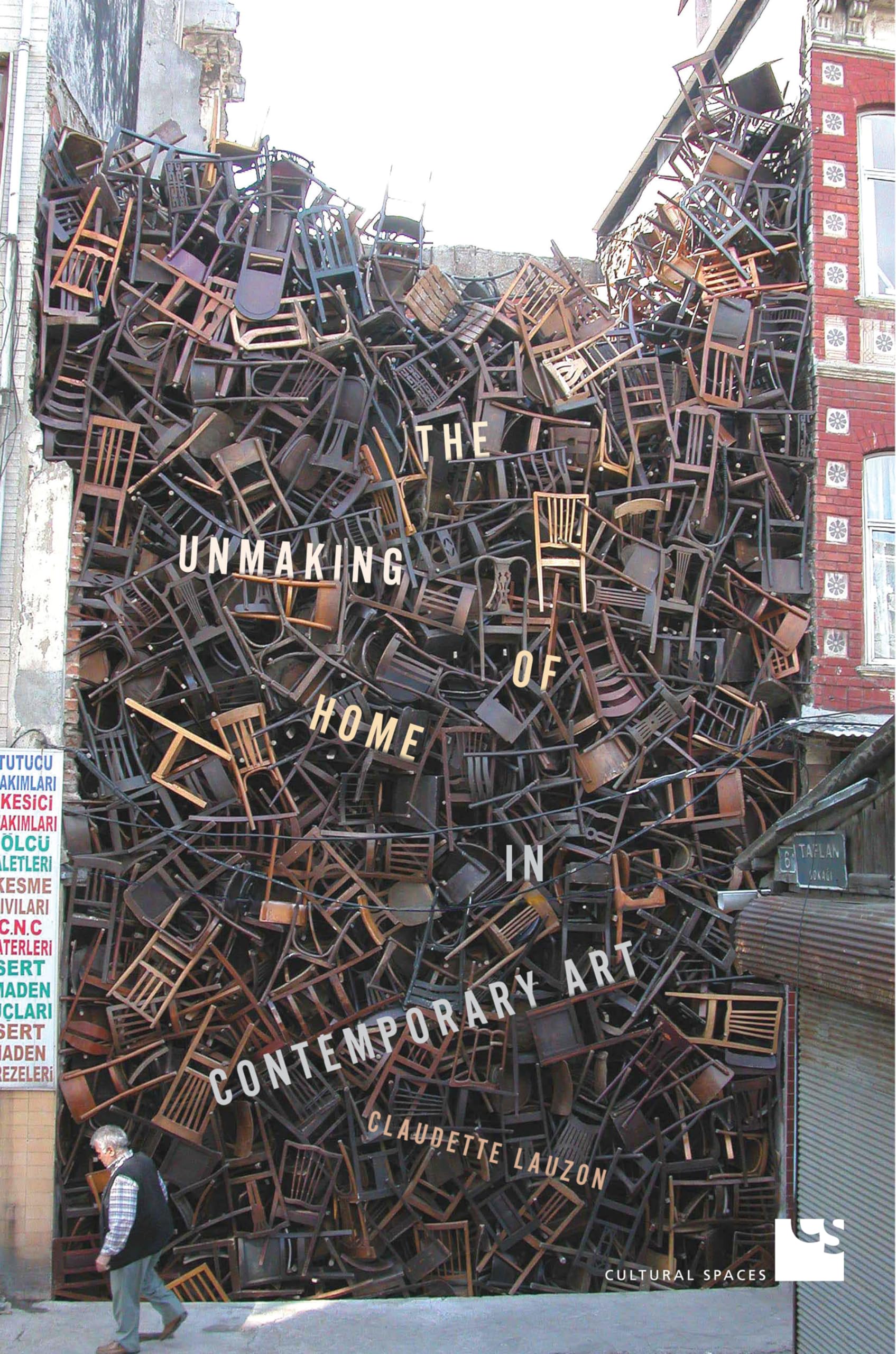
The Unmaking of Home in Contemporary Art (Cultural Spaces)

History
Handbook to Life in Medieval and Early Modern Japan | by William E. Deal | Oxford University Press | by William E. Deal | Oxford University Press | by William E. Deal | Oxford University Press | by William E. Deal | Oxford University Press | by William E. Deal | Oxford University Press | by William E. Deal | Oxford University Press | by William E. Deal | Oxford University Press | by William E. Deal | Oxford University Press | by William E. Deal | Oxford University Press | by William E. Deal | Ox

History
The Narrators of Barbarian History (A.D. 550-800) | by Walter Goffart | University of Notre Dame Press | by Walter Goffart | University of Notre Dame Press | by Walter Goffart | University of Notre Dame Press | by Walter Goffart | University of Notre Dame Press | by Walter Goffart | University of Notre Dame Press | by Walter Goffart | University of Notre Dame Press | by Walter Goffart | University of Notre Dame Press | by Walter Goffart | University of Notre Dame Press | by Walter Goffart | Univ
History