

The Birth of Bioethics: A Comprehensive History of Medical Ethics and Moral Dilemmas by Albert R. Jonsen
Inclusive of all applicable taxes. FREE shipping on all orders.
Available Offers
- 🚚Free Delivery — Free shipping on all orders
- 💵Cash on Delivery — Pay when your order arrives
- ↩️15-Day Easy Returns — Hassle-free return policy
- 🔒Cash on Delivery — Pay safely when your order arrives
Check Delivery
Product Description
Introduction
In an age where medical miracles and moral dilemmas walk hand in hand, understanding the ethical foundations of modern healthcare has never been more important. The Birth of Bioethics by Albert R. Jonsen offers a masterful and deeply researched account of how the field of bioethics emerged and evolved between 1947 and 1987. This hardcover volume from Oxford University Press is an essential addition to the library of every Indian student, scholar, and professional who seeks to comprehend the moral questions that shape life-and-death decisions in medicine and science.
Book Overview
Written by one of the founding figures of bioethics, this book traces the intellectual and social currents that gave rise to a discipline now central to global healthcare. Covering four transformative decades, Jonsen examines the debates over human experimentation, genetic engineering, organ transplantation, end-of-life care, and reproductive technologies. He shows how philosophy, theology, law, and the social sciences converged to create a new language for addressing ethical conflicts in medicine. The narrative is rooted in extensive archival research and interviews with key pioneers, making it both a scholarly treasure and a compelling read.
Key Highlights
- First comprehensive history of bioethics from its post-World War II origins to the late 1980s.
- Based on rare archival sources and personal interviews with leading figures in the field.
- Interdisciplinary approach weaving together insights from philosophy, theology, law, and social sciences.
- Engaging narrative style that balances rigorous scholarship with accessible storytelling.
- Relevance to Indian context — explores ethical issues that resonate deeply in India's diverse healthcare landscape.
Inside the Book
The book is organised around the major ethical controversies that defined the birth of bioethics. Readers will journey through the shocking revelations of the Tuskegee syphilis study, the heated debates over defining death for organ transplantation, the moral challenges of in vitro fertilisation, and the painful questions surrounding life-sustaining treatment. Jonsen does not merely list events; he reveals the personalities, institutions, and cultural shifts that turned ethical reflection into an academic discipline and a public concern. Each chapter brings to life the arguments of theologians, philosophers, lawyers, and physicians who shaped the discourse.
Key Topics
- Human experimentation and the Nuremberg Code
- Genetic engineering and the dawn of biotechnology
- Organ transplantation and the definition of death
- Reproductive technologies and the ethics of assisted conception
- End-of-life care and the right to refuse treatment
- Role of religion in shaping ethical principles
- Legal frameworks for patient autonomy and informed consent
Reader Benefits
Reading The Birth of Bioethics will equip you with a deep understanding of how ethical reasoning evolved alongside medical progress. You will gain clarity on the foundational concepts that continue to influence hospital ethics committees, medical curricula, and public policy. The book also sharpens your ability to analyse contemporary bioethical issues — from vaccine mandates to genetic privacy — by revealing their historical roots. For Indian readers, it offers a valuable lens through which to examine local challenges such as organ trafficking, surrogacy regulation, and access to experimental treatments.
Learning Outcomes
- Understand the historical origins of key bioethical principles like autonomy, beneficence, and justice.
- Identify the major ethical debates that shaped modern medical practice and research.
- Analyse the interplay between science, law, religion, and philosophy in ethical decision-making.
- Apply historical lessons to current ethical dilemmas in Indian healthcare settings.
- Develop critical thinking skills for evaluating arguments in medical ethics and public health.
Who Should Read
This book is indispensable for medical students, doctors, nurses, and healthcare administrators who confront ethical questions daily. It is equally valuable for students and faculty in philosophy, law, sociology, and theology. Journalists covering health and science, policymakers drafting healthcare regulations, and anyone curious about the moral dimensions of modern medicine will find this work enlightening. For Indian readers, it provides a global context that enriches understanding of India's own bioethics journey.
About the Author
Albert R. Jonsen is a preeminent figure in the field of bioethics, often recognised as one of its founding architects. A philosopher and historian, he co-authored the landmark book Clinical Ethics and served as a member of the President's Commission for the Study of Ethical Problems in Medicine. His deep knowledge of both the theoretical and practical aspects of bioethics makes him a uniquely authoritative guide through the discipline's formative years.
About the Publisher
Oxford University Press is a globally respected academic publisher with a long tradition of producing authoritative works in the humanities, sciences, and social sciences. This hardcover edition reflects OUP's commitment to excellence in scholarship and production, ensuring that the book will endure as a reference for years to come.
Conclusion
The Birth of Bioethics is more than a history — it is a foundational text that illuminates the moral heart of modern medicine. Whether you are a student preparing for a career in healthcare, a scholar exploring the intersections of ethics and science, or a concerned citizen trying to make sense of today's medical controversies, this book offers wisdom, context, and clarity. Add this essential volume to your collection and discover how the past continues to shape the ethical future of healing.
Quick Summary
The Birth of Bioethics by Albert R. Jonsen is the first comprehensive history of the field, covering the formative years 1947-1987. It delves into pivotal ethical debates surrounding human experimentation, genetic engineering, organ transplantation, termination of life-sustaining treatment, and new reproductive technologies. Jonsen, a founding figure in bioethics, draws on extensive archival research and interviews with key personalities to create a rich narrative that blends intellectual history with social and cultural context. The book assesses the contributions of philosophy, theology, law, and the social sciences to the evolution of bioethics. It is an essential read for students, healthcare professionals, ethicists, and anyone seeking to understand the moral foundations of modern medicine. By purchasing from Bookshops.in, Indian readers gain access to a premium hardcover edition of this landmark work, ideal for academic study or personal enrichment.
Book Highlights
Book Specifications
| ISBN-13 | 9780195171471 |
| ISBN-10 | 0195171470 |
| Publisher | OUP USA |
| Language | English |
| Dimensions | 15.6 x 2.57 x 23.39 cm |
| Weight | 612 g |
| Category | Special Topics › History |
| Genre | Non-fiction |
| Original Language | English |
Frequently Asked Questions
What is The Birth of Bioethics about?
Who is the author of The Birth of Bioethics?
Is this book suitable for Indian readers?
What topics does the book cover?
Who should read this book?
Does the book include interviews?
Is this book a textbook?
What is the ISBN of The Birth of Bioethics?
What is the price of this book on Bookshops.in?
Which publisher released this book?
What makes this book unique?
Does the book cover Indian bioethics issues?
Can I use this book for academic research?
Readers Also Search For
Related Products
View All
History
The Information Revolution: Transforming the World Through Technology (World History)

History
Human Nature and the French Revolution: From the Enlightenment to the Napoleonic Code: 3 (Polygons: Cultural Diversities and Intersections, 3)
History
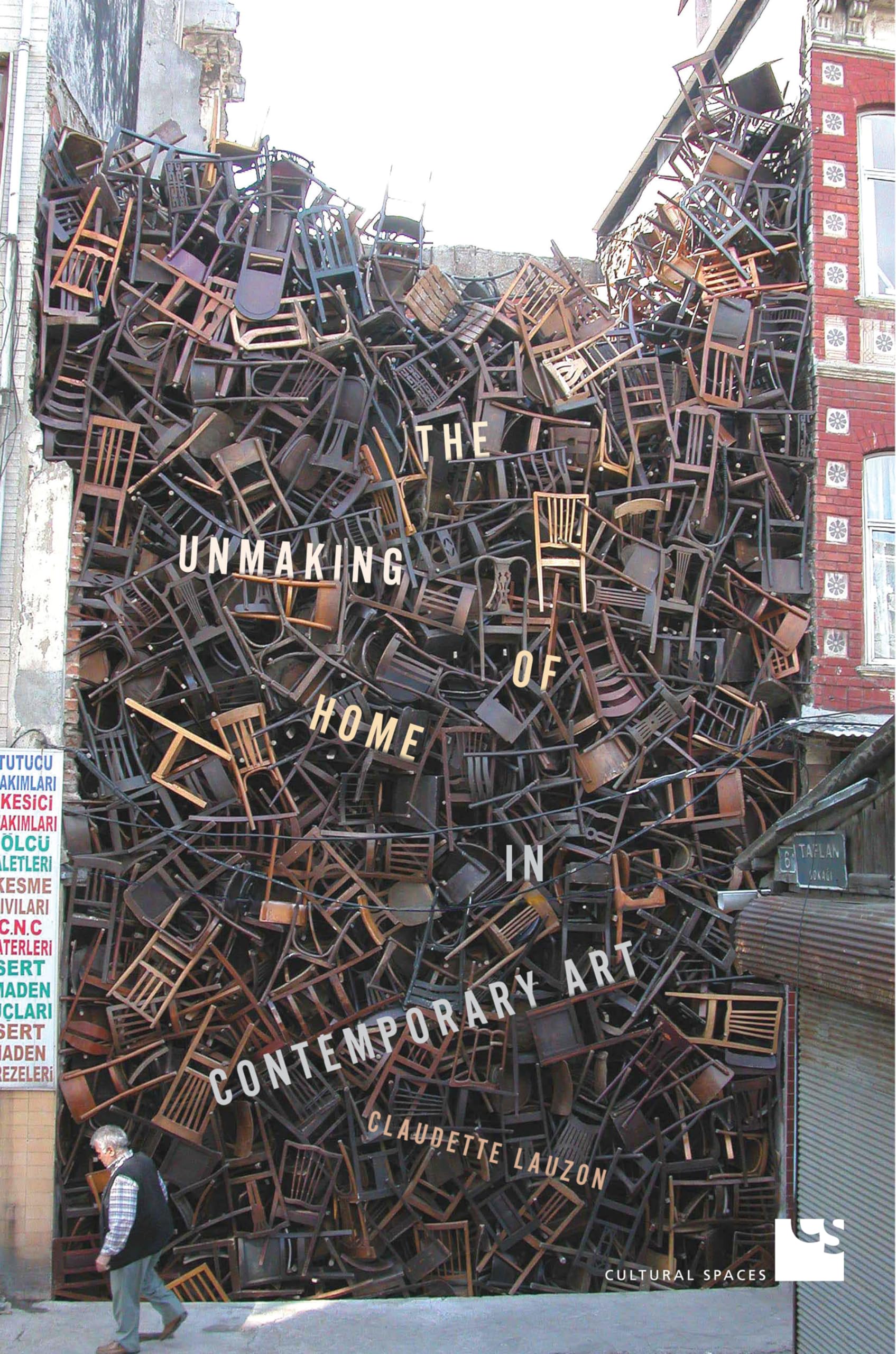
The Unmaking of Home in Contemporary Art (Cultural Spaces)

History
Handbook to Life in Medieval and Early Modern Japan | by William E. Deal | Oxford University Press | by William E. Deal | Oxford University Press | by William E. Deal | Oxford University Press | by William E. Deal | Oxford University Press | by William E. Deal | Oxford University Press | by William E. Deal | Oxford University Press | by William E. Deal | Oxford University Press | by William E. Deal | Oxford University Press | by William E. Deal | Oxford University Press | by William E. Deal | Ox

History
The Narrators of Barbarian History (A.D. 550-800) | by Walter Goffart | University of Notre Dame Press | by Walter Goffart | University of Notre Dame Press | by Walter Goffart | University of Notre Dame Press | by Walter Goffart | University of Notre Dame Press | by Walter Goffart | University of Notre Dame Press | by Walter Goffart | University of Notre Dame Press | by Walter Goffart | University of Notre Dame Press | by Walter Goffart | University of Notre Dame Press | by Walter Goffart | Univ

History