
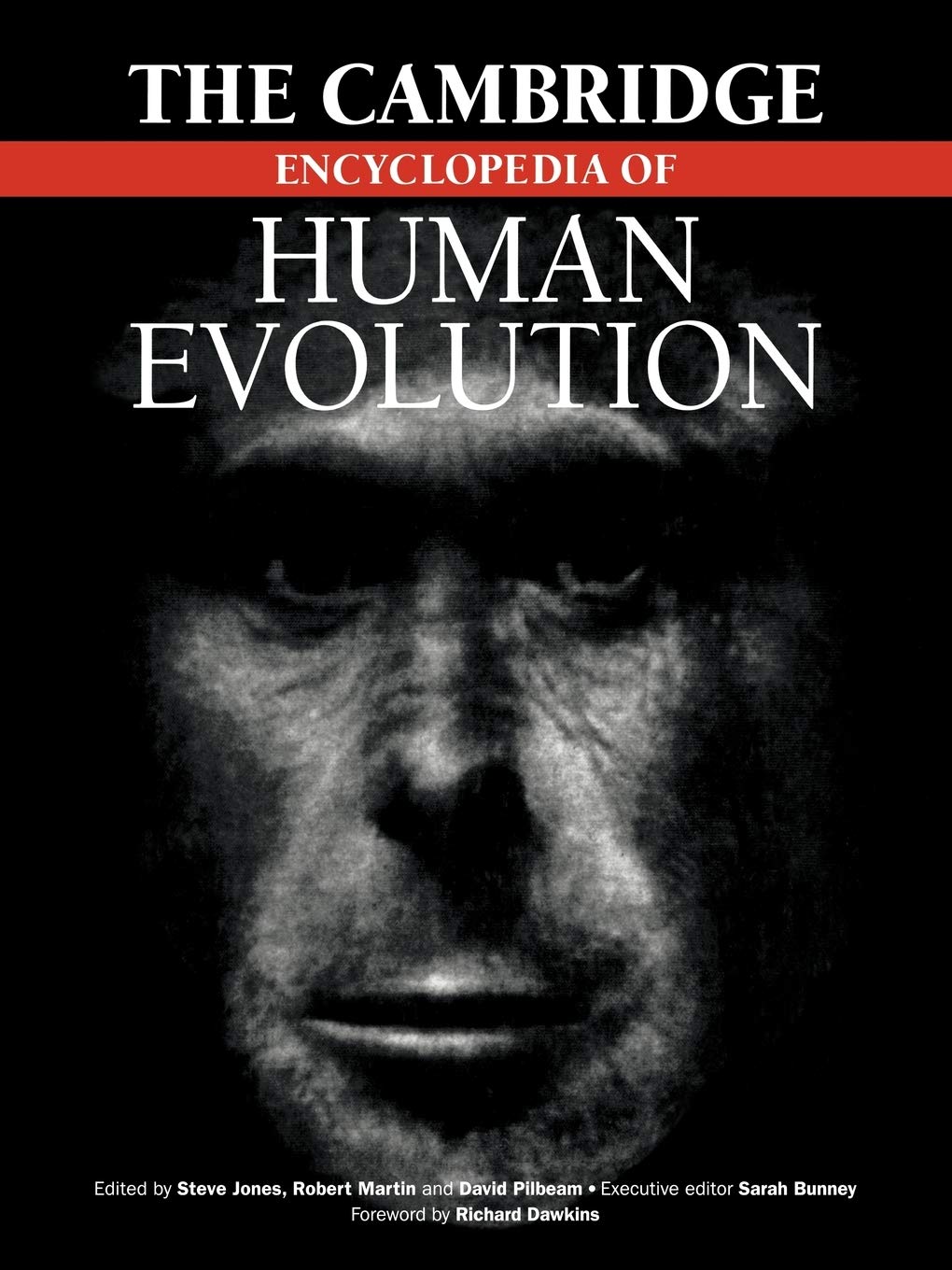
The Cambridge Encyclopedia of Human Evolution by Steve Jones – A Definitive Reference on Human Origins, Genetics, Primat
Inclusive of all applicable taxes. FREE shipping on all orders.
Available Offers
- 🚚Free Delivery — Free shipping on all orders
- 💵Cash on Delivery — Pay when your order arrives
- ↩️15-Day Easy Returns — Hassle-free return policy
- 🔒Cash on Delivery — Pay safely when your order arrives
Check Delivery
Product Description
Introduction
Few books manage to capture the full sweep of what it means to be human—our biological roots, our evolutionary journey, and our place in the natural world. The Cambridge Encyclopedia of Human Evolution, edited by the distinguished Steve Jones and published by Cambridge University Press, is one such masterpiece. This hardcover volume offers a comprehensive, authoritative, and accessible guide to the science of human origins. For Indian students, researchers, and curious minds, it serves as an indispensable reference that bridges the gap between genetics, paleontology, and anthropology. Whether you are preparing for competitive exams, writing a thesis, or simply marvelling at the story of our species, this encyclopedia will deepen your understanding of humanity’s shared heritage.
Book Overview
This encyclopedic work brings together the expertise of over seventy leading scholars from around the world. It explores the human species from every angle—from our genetic makeup and fossil ancestors to our behaviour, ecology, and cultural evolution. The book places modern humans in a broad evolutionary context, emphasising the biological diversity of contemporary populations and the growing convergence of fossil and genetic evidence. Special attention is given to our closest living relatives: lemurs, lorises, tarsiers, monkeys, and apes. By examining primate evolution and ecology, the encyclopedia provides a richer understanding of what makes us uniquely human. It also delves into the evolution of human society through archaeological remains and studies of tribal peoples and living primates today.
Key Highlights
- Multidisciplinary Approach: Combines genetics, primatology, palaeoanthropology, human biology, ecology, neuroscience, demography, and disease studies.
- Global Expert Contributions: Over seventy international scholars ensure accuracy and depth across every topic.
- Rich Visuals: Includes detailed diagrams, maps, photographs, and illustrations that bring complex concepts to life.
- Comprehensive Coverage: Addresses everything from fossil hominins and tool use to brain function, language, and social organisation.
- Indian Context: While global in scope, the content is highly relevant for Indian readers interested in human diversity, population genetics, and evolutionary biology.
Inside the Book
Opening this encyclopedia reveals a well-organised treasure trove of knowledge. The book is divided into thematic sections that progress logically from the origins of life to the biology of modern humans. Early chapters focus on evolutionary theory and the primate family tree. Subsequent sections explore the fossil evidence for human evolution, including key discoveries from Africa, Asia, and Europe. Later chapters examine human genetics, including the remarkable insights from DNA studies that have revolutionised our understanding of migration and adaptation. The volume also covers human behaviour, cognition, language, art, and culture, drawing on evidence from archaeology and ethnography. A final section addresses contemporary issues such as population growth, disease, and environmental change.
Key Topics
- Primate Evolution and Ecology: Classification, behaviour, and conservation of living primates.
- Human Fossil Record: From Australopithecus to Homo sapiens, including major sites and debates.
- Genetics and Human Diversity: Population genetics, adaptation, and the genetic basis of modern human variation.
- Brain and Behaviour: Evolution of the human brain, intelligence, language, and social cognition.
- Human Ecology and Demography: Diet, disease, reproduction, and population dynamics.
- Cultural Evolution: Origins of technology, art, religion, and complex societies.
Reader Benefits
- Authoritative Reference: Trustworthy information from world-class researchers, perfect for academic citations.
- Exam-Ready Knowledge: Ideal for UPSC, CSIR-NET, GATE, NEET, and university exams in anthropology, biology, and archaeology.
- Deepened Perspective: Gain a holistic view of human origins that connects science with philosophy and history.
- Accessible Writing: Complex topics are explained clearly, making the book suitable for both beginners and advanced readers.
- Lifetime Value: A hardcover edition that will last for decades, serving as a constant companion for learning.
Learning Outcomes
By reading this encyclopedia, you will be able to: trace the major milestones in human evolution from our primate ancestors to modern humans; understand the genetic evidence that underpins human diversity and migration; analyse the fossil record and interpret key discoveries; explain the biological and behavioural adaptations that define our species; and critically evaluate current debates in evolutionary anthropology. The book equips you with a solid foundation in evolutionary biology and anthropology, empowering you to engage with scientific literature and public discourse on human origins.
Who Should Read
This book is essential for undergraduate and postgraduate students of anthropology, biology, archaeology, psychology, and medicine. It is also highly valuable for school teachers, college professors, and researchers who need a reliable reference. Additionally, general readers with a keen interest in science, history, or human nature will find it captivating. For Indian readers, the content is particularly useful for those preparing for competitive examinations or pursuing careers in the life sciences and social sciences.
About the Author
Steve Jones is a renowned British geneticist, professor, and author. He has taught at University College London and is known for his ability to communicate complex scientific ideas to a broad audience. His work spans evolutionary biology, genetics, and human diversity. As the editor of this encyclopedia, he has curated contributions from the world’s leading experts, ensuring that the book is both rigorous and readable. Jones’s other popular books include The Language of the Genes and Almost Like a Whale.
About the Publisher
Cambridge University Press is one of the oldest and most prestigious academic publishers in the world. Established in 1534, it has a long tradition of publishing works of outstanding scholarly merit. This encyclopedia reflects the Press’s commitment to excellence, with meticulous editing, high-quality illustrations, and durable binding. For Indian readers, Cambridge University Press books are widely available and respected in libraries and educational institutions across the country.
Conclusion
The Cambridge Encyclopedia of Human Evolution is more than a book—it is a gateway to understanding our shared biological and cultural heritage. Its comprehensive scope, expert authorship, and accessible presentation make it an invaluable resource for anyone passionate about human origins. Whether you are a student, a teacher, or a lifelong learner, this hardcover volume will enrich your knowledge and inspire further exploration. Add it to your library today and embark on an unforgettable journey through the story of humanity.
Quick Summary
The Cambridge Encyclopedia of Human Evolution is a comprehensive reference work that provides an in-depth overview of the human species from an evolutionary standpoint. Edited by the renowned geneticist Steve Jones, this hardcover volume brings together contributions from over seventy leading scholars worldwide. The book covers a wide array of subjects including genetics, primatology, fossil origins, human biology, brain function, behavior, demography, and disease. It places special emphasis on the biological diversity of modern humans and the convergence of fossil and genetic evidence. Additionally, it explores the evolution and ecology of other living primates such as lemurs, lorises, tarsiers, monkeys, and apes. This encyclopedia is designed for Indian students, researchers, and competitive exam aspirants who seek a thorough understanding of human origins. Readers will learn about the latest scientific perspectives on how humans evolved, the role of genetics, and the importance of primate studies. Buying from Bookshops.in ensures you receive an authentic, high-quality hardcover edition with reliable delivery across India.
Book Highlights
Book Specifications
| ISBN-13 | 9780521467865 |
| ISBN-10 | 0521467861 |
| Publisher | Cambridge University Press |
| Language | English |
| Dimensions | 20.96 x 3.02 x 27.94 cm |
| Weight | 1 kg 170 g |
| Country | India |
| Category | Biology & Life Sciences › Biology |
| Genre | Non-fiction |
| Original Language | English |
Frequently Asked Questions
What is The Cambridge Encyclopedia of Human Evolution about?
Who edited this encyclopedia?
Is this book suitable for Indian students?
Does the book cover only human evolution?
What topics are included in the book?
Is this book a textbook or a reference?
Who is the publisher?
What is the language of the book?
Does the book include illustrations?
What is the price in India?
Can this book help with UPSC preparation?
Is the book still relevant given its 1994 publication?
Where can I buy this book in India?
Readers Also Search For
Customers Also Bought
Mathematics
Stereotype Spaces and Algebras: 73 (De Gruyter Expositions in Mathematics, 73)
Mathematics
Semigroups in Algebra, Geometry and Analysis: 20 (De Gruyter Expositions in Mathematics, 20)
Mathematics
Geometry from the Pacific Rim: Proceedings of the Pacific Rim Geometry Conference held at National University of Singapore, Republic of Singapore, ... 1994 (De Gruyter Proceedings in Mathematics)
Mathematics
First International Tainan-Moscow Algebra Workshop: Proceedings of the International Conference held at National Cheng Kung University Tainan, Taiwan, ... 1994 (De Gruyter Proceedings in Mathematics)
Mathematics
Differential Geometry - Proceedings of the VIII International Colloquium (English, Jesus A. Alvarez Lopez | Eduardo Garcia-Rio)
Mathematics
Mathematical Theory of Optimal Processes (Classics of Soviet Mathematics)
Related Products
View All
Biology
Evolution: What the Fossils Say and Why It Matters by Donald R. Prothero
Biology
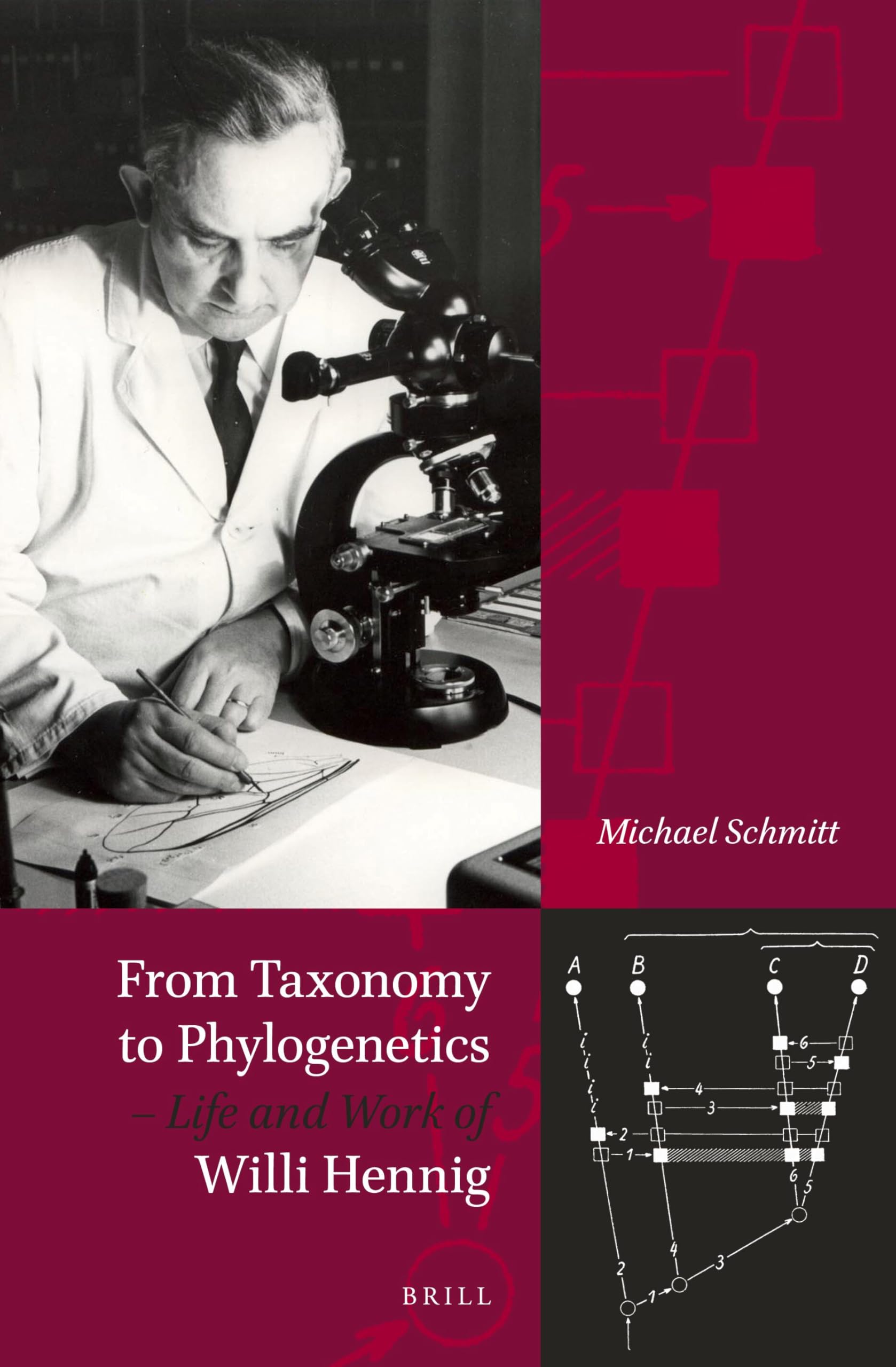
From Taxonomy to Phylogenetics – Life and Work of Willi Hennig
Biology
The Marine Biology of the South China Sea
Biology
Genetics Meets Metabolomics: from Experiment to Systems Biology
Biology
The Elements of Natural or Experimental Philosophy: 2
Biology