
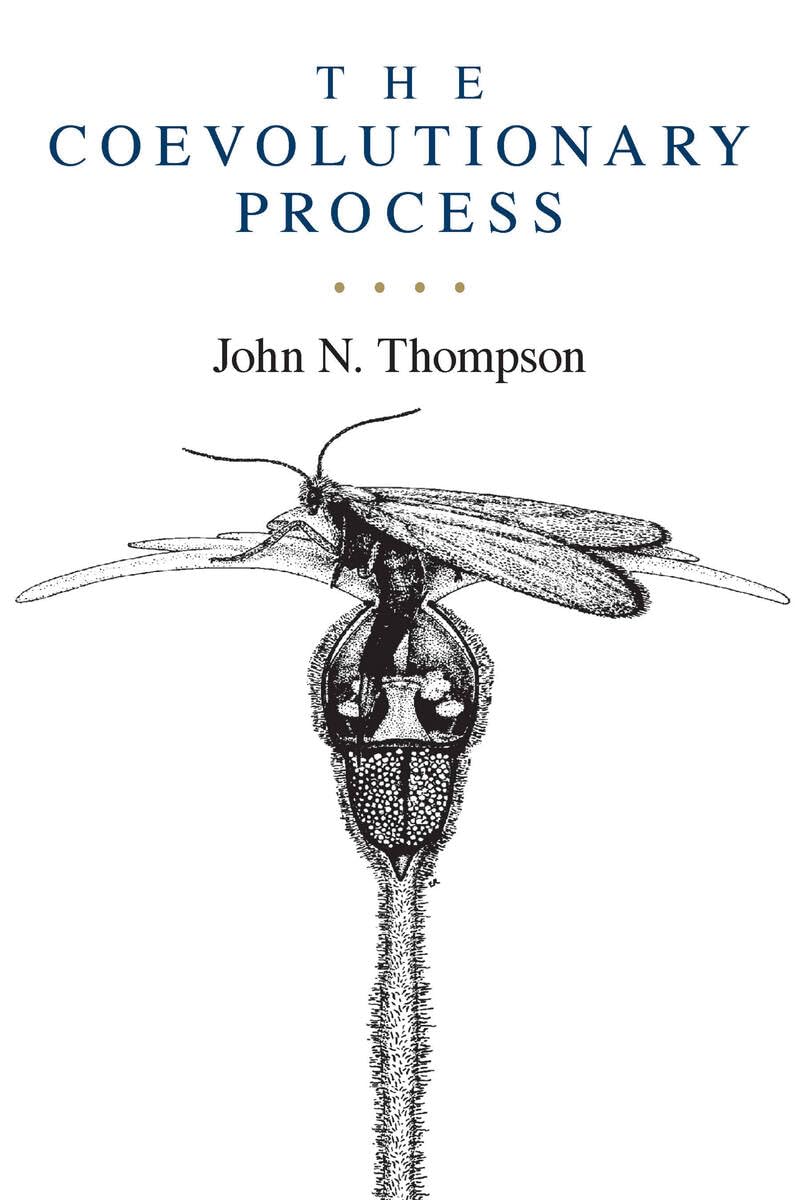
The Coevolutionary Process: Understanding Species Interactions and Geographic Mosaic Theory by John N. Thompson
Inclusive of all applicable taxes. FREE shipping on all orders.
Available Offers
- 🚚Free Delivery — Free shipping on all orders
- 💵Cash on Delivery — Pay when your order arrives
- ↩️15-Day Easy Returns — Hassle-free return policy
- 🔒Cash on Delivery — Pay safely when your order arrives
Check Delivery
Product Description
Introduction
In the vast and intricate tapestry of life on Earth, species do not evolve in isolation. They are locked in a constant dance of mutual influence, shaping each other's destinies across generations. For students, researchers, and nature enthusiasts in India, understanding this dynamic interplay is essential to grasping the true complexity of evolution. The Coevolutionary Process by John N. Thompson offers a groundbreaking lens through which to view these interactions, moving beyond traditional models to present a richer, more geographically nuanced perspective. This hardcover edition from the University of Chicago Press is an indispensable addition to any serious science library.
Book Overview
Published by the prestigious University of Chicago Press, The Coevolutionary Process presents a revolutionary framework known as the geographic mosaic theory of coevolution. John N. Thompson argues that coevolution—the reciprocal evolutionary change between interacting species—cannot be fully understood by studying isolated populations or short time spans. Instead, he demonstrates that the evolution of species interactions is a patchwork process, varying across different geographic regions and ecological contexts. Drawing on a vast array of examples from across the biological world, this book reshapes how we think about specialization, adaptation, and the very nature of biodiversity.
Key Highlights
- Geographic Mosaic Theory: Introduces a pioneering conceptual approach that integrates local adaptation, gene flow, and selection across landscapes.
- Rich Cross-Taxa Examples: Explores coevolution in plants, insects, birds, mammals, and marine organisms, making the concepts universally applicable.
- Bridges Ecology and Evolution: Seamlessly connects life history strategies, population genetics, and community ecology into a cohesive narrative.
- Rigorous yet Accessible: Written with clarity for advanced undergraduates, graduate students, and professional biologists alike.
Inside the Book
This volume systematically builds the geographic mosaic theory from foundational principles. Thompson begins by critiquing earlier coevolutionary models that assumed uniform selection pressures across a species' range. He then introduces the three core components of his theory: geographic selection mosaics, coevolutionary hotspots and coldspots, and trait remixing through gene flow and drift. Each chapter is packed with empirical case studies—from the arms race between newts and garter snakes to the intricate relationships between yucca plants and their moth pollinators. The book also delves into the evolution of specialization, asking why some species become exquisitely adapted to a single partner while others remain generalists.
Key Topics
- Geographic mosaic theory of coevolution
- Reciprocal adaptation and specialization
- Local adaptation versus metapopulation dynamics
- Coevolutionary hotspots and coldspots
- Gene flow, genetic drift, and trait remixing
- Evolution of mutualisms and antagonisms
- Speciation and coevolutionary diversification
- Conservation implications of coevolutionary processes
Reader Benefits
By engaging with this book, readers will gain a deeper appreciation for the hidden forces that shape the natural world. Indian students and ecologists, in particular, will find the geographic mosaic theory highly relevant to studying the country's incredible biodiversity—from the Western Ghats to the Himalayas. The book equips readers with a conceptual toolkit to design field studies, interpret complex ecological data, and generate novel hypotheses. Moreover, it challenges conventional wisdom, encouraging a more holistic and spatially explicit view of evolution.
Learning Outcomes
- Understand the limitations of traditional coevolutionary models and the need for a geographic perspective.
- Analyze how spatial variation in selection pressures drives divergent evolutionary trajectories.
- Evaluate empirical evidence for coevolution across different taxa and ecosystems.
- Apply the geographic mosaic framework to real-world conservation and biodiversity challenges.
- Develop critical thinking skills for interpreting complex species interactions.
Who Should Read
This book is ideal for advanced undergraduate and postgraduate students in evolutionary biology, ecology, zoology, and botany. It is also a must-read for professional researchers, conservation biologists, and science educators who wish to stay at the forefront of evolutionary theory. Indian readers with a passion for natural history and a background in biology will find the concepts both stimulating and applicable to local ecosystems.
About the Author
John N. Thompson is a distinguished evolutionary biologist and professor at the University of California, Santa Cruz. He is widely recognized for his pioneering work on coevolution and the geographic mosaic theory. His research spans plant-insect interactions, speciation, and the evolutionary dynamics of species interactions. Thompson is also the author of several influential books, including Interaction and Coevolution and Relentless Evolution, and his contributions have fundamentally reshaped modern evolutionary thinking.
About the Publisher
The University of Chicago Press is one of the most respected academic publishers in the world, known for its rigorous editorial standards and contributions to science, humanities, and social sciences. Since its founding in 1890, it has published works that have defined entire fields of study. This hardcover edition of The Coevolutionary Process reflects their commitment to producing durable, high-quality books that serve scholars and students for generations.
Conclusion
The Coevolutionary Process is not merely a book; it is a paradigm shift. John N. Thompson's geographic mosaic theory provides a powerful new lens for understanding the dynamic, spatially complex nature of evolution. For anyone serious about ecology and evolutionary biology, this volume is an essential reference that will deepen your understanding of life's interconnectedness. Add this hardcover edition to your collection today and explore coevolution as it truly unfolds—across landscapes, through time, and between species.
Quick Summary
The Coevolutionary Process by John N. Thompson is a landmark work that redefines how we understand the evolution of species interactions. Thompson introduces the geographic mosaic theory of coevolution, arguing that reciprocal adaptations between species are not uniform but vary across geographic landscapes due to differences in selection, gene flow, and ecological conditions. The book synthesizes concepts from life history theory, population genetics, and biogeography to explain how and why extreme specialization evolves in interdependent species. Drawing on examples from plants, insects, birds, and other taxa, it demonstrates that coevolution is a dynamic, spatially structured process. This book is essential for graduate students, researchers, and professionals in evolutionary biology, ecology, and conservation science. Readers will gain a comprehensive framework for studying coevolution in natural populations and learn to appreciate the complexity of species interactions. By purchasing from Bookshops.in, Indian readers receive a genuine hardcover edition from a trusted local bookstore, ensuring quality and fast delivery across the country.
Book Highlights
Book Specifications
| ISBN-13 | 9780226797601 |
| ISBN-10 | 0226797600 |
| Publisher | Univ of Chicago Pr |
| Language | English |
| Dimensions | 15.24 x 2.24 x 22.86 cm |
| Weight | 544 g |
| Country | India |
| Category | Biology & Life Sciences › Biology |
| Genre | Non-fiction |
| Original Language | English |
Frequently Asked Questions
What is The Coevolutionary Process about?
Who is the author of The Coevolutionary Process?
Is this book suitable for Indian students?
What is the geographic mosaic theory?
Is this book available in hardcover?
Does the book include case studies?
What is the ISBN of this book?
Can I use this book for my research?
Is the language easy to understand?
What topics does the book cover?
How does this book differ from other coevolution books?
Where can I buy this book in India?
Readers Also Search For
Customers Also Bought
Mathematics
Stereotype Spaces and Algebras: 73 (De Gruyter Expositions in Mathematics, 73)
Mathematics
Semigroups in Algebra, Geometry and Analysis: 20 (De Gruyter Expositions in Mathematics, 20)

Mathematics
Geometry from the Pacific Rim: Proceedings of the Pacific Rim Geometry Conference held at National University of Singapore, Republic of Singapore, ... 1994 (De Gruyter Proceedings in Mathematics)
Mathematics
First International Tainan-Moscow Algebra Workshop: Proceedings of the International Conference held at National Cheng Kung University Tainan, Taiwan, ... 1994 (De Gruyter Proceedings in Mathematics)
Mathematics
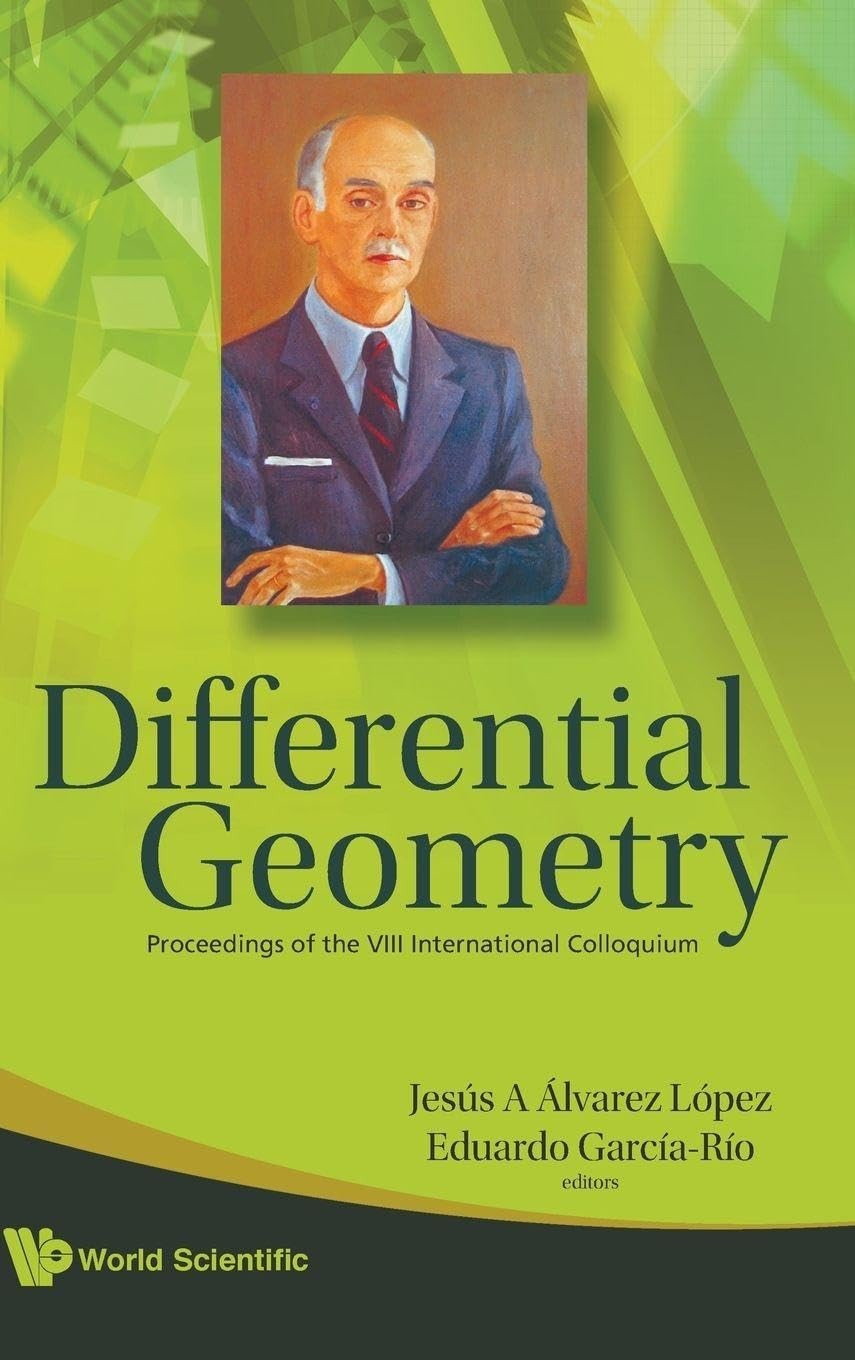
Differential Geometry - Proceedings of the VIII International Colloquium (English, Jesus A. Alvarez Lopez | Eduardo Garcia-Rio)

Mathematics
Mathematical Theory of Optimal Processes (Classics of Soviet Mathematics)
Related Products
View All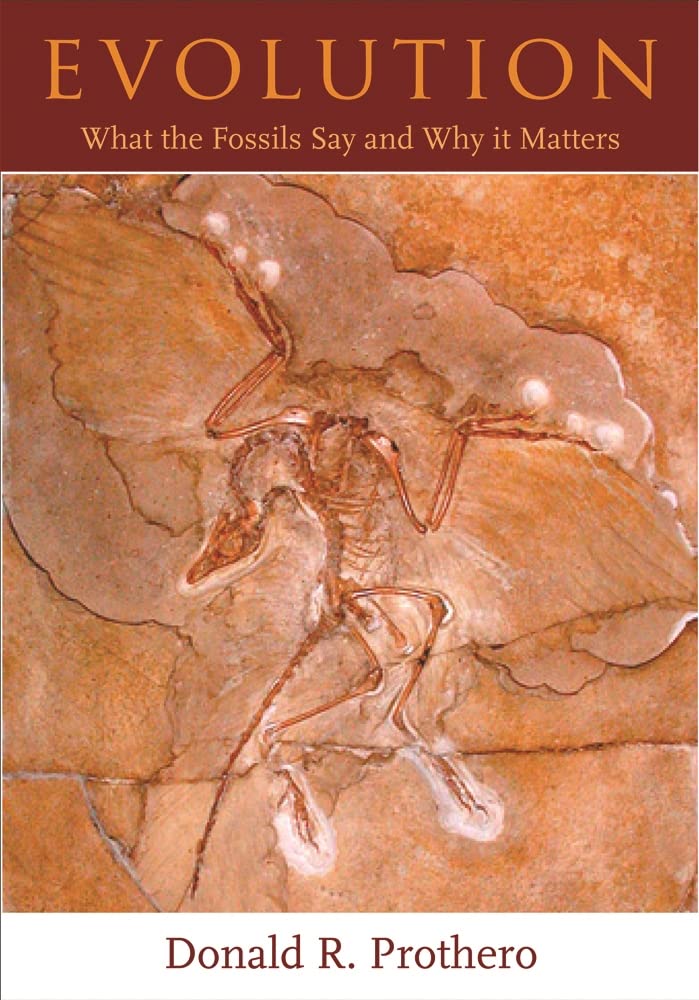
Biology
Evolution: What the Fossils Say and Why It Matters by Donald R. Prothero
Biology
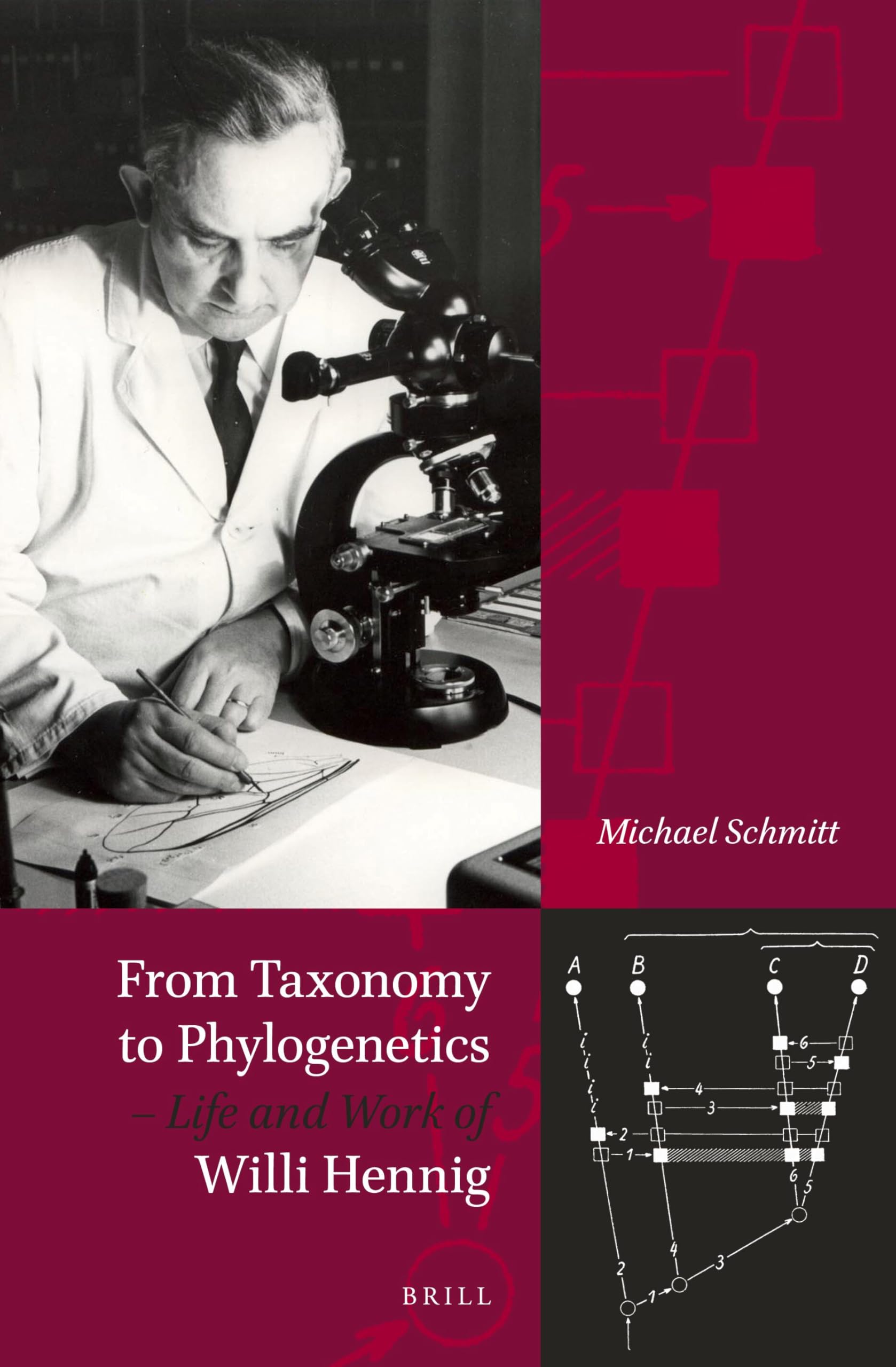
From Taxonomy to Phylogenetics – Life and Work of Willi Hennig

Biology
The Marine Biology of the South China Sea

Biology
Genetics Meets Metabolomics: from Experiment to Systems Biology
Biology
The Elements of Natural or Experimental Philosophy: 2
Biology