
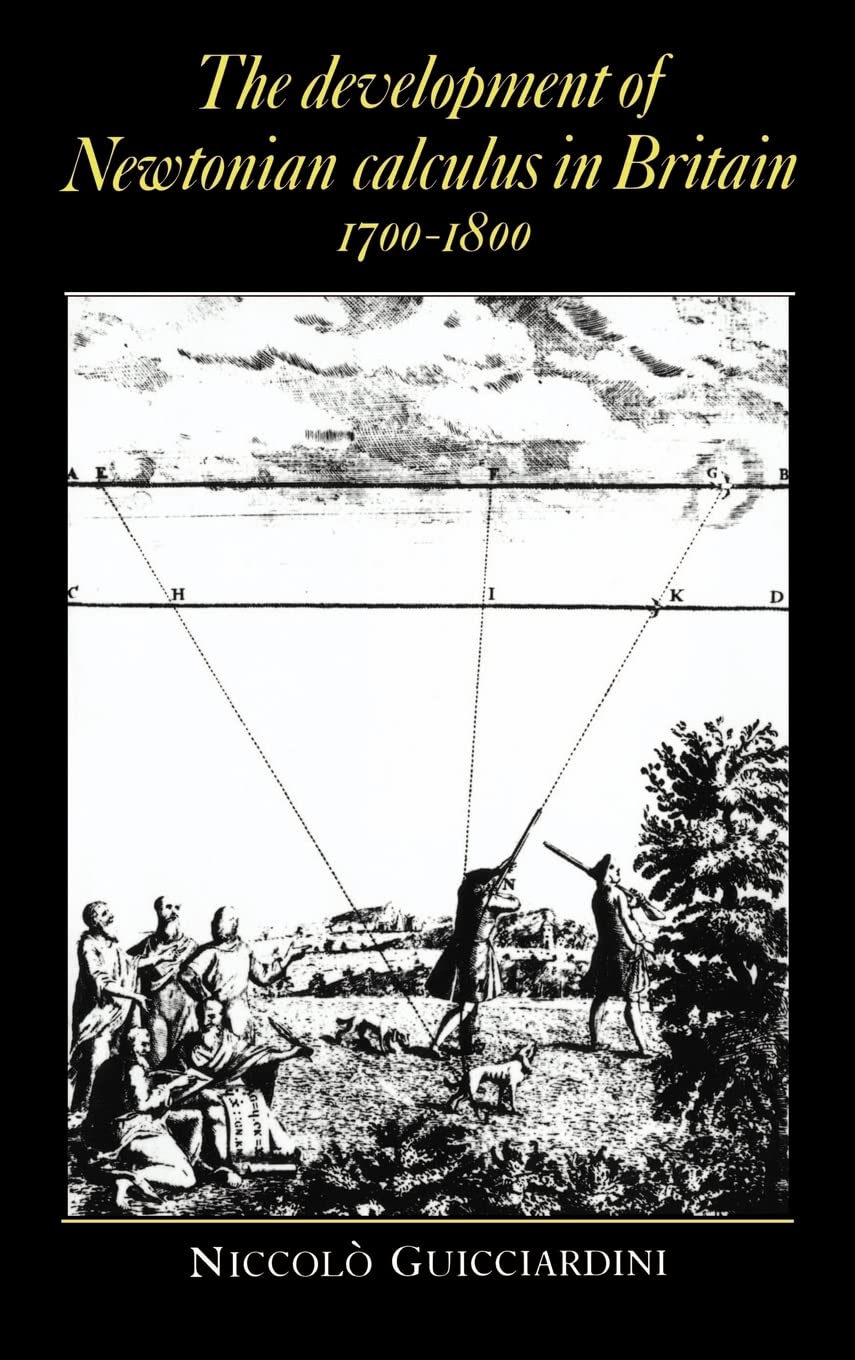
The Development of Newtonian Calculus in Britain, 1700–1800 by Niccolo Guicciardini – A Comprehensive History of Mathema
Inclusive of all applicable taxes. FREE shipping on all orders.
Available Offers
- 🚚Free Delivery — Free shipping on all orders
- 💵Cash on Delivery — Pay when your order arrives
- ↩️15-Day Easy Returns — Hassle-free return policy
- 🔒Cash on Delivery — Pay safely when your order arrives
Check Delivery
Product Description
Introduction
The history of mathematics is often told as a story of steady progress, but few chapters are as intriguing as the century following Isaac Newton's monumental breakthroughs. The Development of Newtonian Calculus in Britain, 1700–1800 by Niccolo Guicciardini offers a deep, scholarly exploration of how British mathematicians built upon, adapted, and sometimes struggled with Newton's calculus. This hardcover volume from Cambridge University Press is an essential addition to any serious student's or researcher's library, providing a nuanced view of a period often dismissed as one of decline.
Book Overview
This meticulously researched work challenges the conventional narrative that British mathematics stagnated after Newton. Instead, Guicciardini reveals a vibrant, if complex, landscape of mathematical innovation. The book traces the evolution of calculus from Newton's original fluxions through the work of his immediate followers, the challenges of mid-century, and the eventual reforms that paved the way for modern analysis. It is a story of intellectual ambition, methodological debate, and the slow, sometimes painful, transition from geometric to algebraic approaches. For Indian readers and students of science history, this book offers a critical perspective on how mathematical knowledge is transmitted, transformed, and sometimes resisted.
Key Highlights
- Original Research: Based on extensive archival work, this book presents fresh insights into the mathematical practices of 18th-century Britain.
- Reevaluation of Decline: Offers a balanced assessment, showing that even during perceived decline, foundational work for later reforms was underway.
- Focus on Key Figures: Provides detailed analysis of the contributions of Newton, Cotes, Taylor, Stirling, de Moivre, Maclaurin, Bayes, Landen, and Waring.
- Scholarly Yet Accessible: Written for historians, philosophers, and advanced students, but clear enough for motivated undergraduates.
- Authoritative Publisher: Published by Cambridge University Press, a hallmark of academic excellence.
Inside the Book
The book is structured to guide the reader through the chronological and thematic development of Newtonian calculus. It begins with an examination of Newton's own methods and their immediate reception. Subsequent chapters explore the work of Roger Cotes and Brook Taylor, who extended and systematized Newton's ideas. The mid-century period, often seen as a low point, is carefully analyzed to reveal the persistent efforts of mathematicians like Maclaurin and Stirling. The final sections focus on the reform movement, led by figures such as John Landen and Edward Waring, which set the stage for the adoption of continental methods. Each chapter is rich with mathematical examples and historical context, making complex ideas tangible.
Key Topics
- Newton's method of fluxions and its philosophical foundations
- The geometric approach to calculus in early 18th-century Britain
- The contributions of Roger Cotes and Brook Taylor to the calculus of finite differences
- James Stirling's work on series and interpolation
- Abraham de Moivre's probability theory and its connection to calculus
- Colin Maclaurin's geometric calculus and his defence of Newton
- Thomas Bayes's work on fluxions and probability
- The algebraic reforms of John Landen and Edward Waring
- The decline and revival of British mathematics in the 18th century
- The teaching of mathematics in British universities and academies
Reader Benefits
By reading this book, you will gain a deeper understanding of a crucial, yet often misunderstood, period in the history of mathematics. You will learn to appreciate the diverse methods used by British mathematicians and the reasons behind their eventual shift toward continental analysis. The book equips you with historical context that illuminates modern calculus, showing how foundational concepts were debated and refined. For Indian students, it offers a global perspective on mathematical development, highlighting how national traditions and institutional structures shape scientific progress. It is an invaluable resource for anyone preparing for advanced studies in mathematics, history of science, or philosophy.
Learning Outcomes
- Understand the key concepts and methods of Newtonian calculus as practiced in 18th-century Britain.
- Identify the major figures and their contributions to the development of calculus.
- Critically evaluate the narrative of decline in British mathematics and its historical basis.
- Analyze the transition from geometric to algebraic approaches in calculus.
- Appreciate the role of institutions, textbooks, and patronage in shaping mathematical research.
- Connect the mathematical developments of the 18th century to the rise of modern analysis.
Who Should Read
This book is ideal for historians of science and mathematics, philosophers of science, and advanced undergraduate or graduate students in mathematics. It will also appeal to scholars of British intellectual history and anyone interested in the cultural context of scientific discovery. Indian readers with a passion for the history of ideas will find the book's careful scholarship and engaging narrative highly rewarding. It is particularly suited for those studying the history of calculus, the Newton-Leibniz controversy, or the evolution of mathematical rigor.
About the Author
Niccolo Guicciardini is a leading historian of mathematics, known for his expertise on Isaac Newton and 18th-century calculus. His research has reshaped our understanding of the mathematical culture of Britain after Newton. He has held academic positions at prestigious institutions and is widely published in international journals. His meticulous archival work and clear analytical writing make him a trusted guide through this complex historical terrain.
About the Publisher
Cambridge University Press is one of the oldest and most respected academic publishers in the world. With a history dating back to 1534, it has been at the forefront of publishing groundbreaking research in science, mathematics, and the humanities. This book is part of their distinguished list in the history of science, ensuring the highest standards of editorial quality and scholarly accuracy.
Conclusion
The Development of Newtonian Calculus in Britain, 1700–1800 is not just a book for specialists; it is a window into a fascinating era of mathematical thought. By overturning simplistic narratives, Niccolo Guicciardini invites us to see the 18th century as a time of active, if contested, development. For anyone seeking to understand the roots of modern calculus or the dynamics of scientific communities, this book is an indispensable resource. Order your hardcover copy today from Bookshops.in and add a truly scholarly work to your collection.
Quick Summary
The Development of Newtonian Calculus in Britain, 1700–1800 by Niccolo Guicciardini is a scholarly work that reexamines the commonly held belief that British mathematics declined in the century following Isaac Newton. Instead, Guicciardini reveals through original research that mathematicians like Roger Cotes, Brook Taylor, James Stirling, Abraham de Moivre, Colin Maclaurin, Thomas Bayes, John Landen, and Edward Waring made substantial contributions to the foundations and applications of calculus. The book argues that even during the so-called decline in mid-century, the groundwork for later reform was being laid, eventually transforming the British mathematical community. This volume is essential for historians of mathematics, graduate students, and researchers interested in the evolution of calculus. Readers will gain a nuanced understanding of the period, learning about key theorems, methods, and the cultural context. Published by Cambridge University Press, this hardcover edition is a durable addition to any library. Buying from Bookshops.in ensures you receive a genuine imported copy with prompt service across India.
Book Highlights
Book Specifications
| ISBN-13 | 9780521364669 |
| ISBN-10 | 0521364663 |
| Publisher | Cambridge University Press |
| Language | English |
| Dimensions | 15.88 x 2.54 x 22.86 cm |
| Weight | 530 g |
| Category | Mathematics › Calculus |
| Genre | Non-fiction |
| Original Language | English |
Frequently Asked Questions
What is the main focus of this book?
Who is the author?
Is this book suitable for beginners?
Does the book cover continental calculus?
What period does the book cover?
Which mathematicians are featured?
Is this book available in hardcover?
Can I use this for my university research?
Does the book claim British mathematics declined?
Is the book written in English?
What is the ISBN?
Why buy from Bookshops.in?
Readers Also Search For
Customers Also Bought
Mathematics
Stereotype Spaces and Algebras: 73 (De Gruyter Expositions in Mathematics, 73)
Mathematics
Semigroups in Algebra, Geometry and Analysis: 20 (De Gruyter Expositions in Mathematics, 20)
Mathematics
Geometry from the Pacific Rim: Proceedings of the Pacific Rim Geometry Conference held at National University of Singapore, Republic of Singapore, ... 1994 (De Gruyter Proceedings in Mathematics)
Mathematics
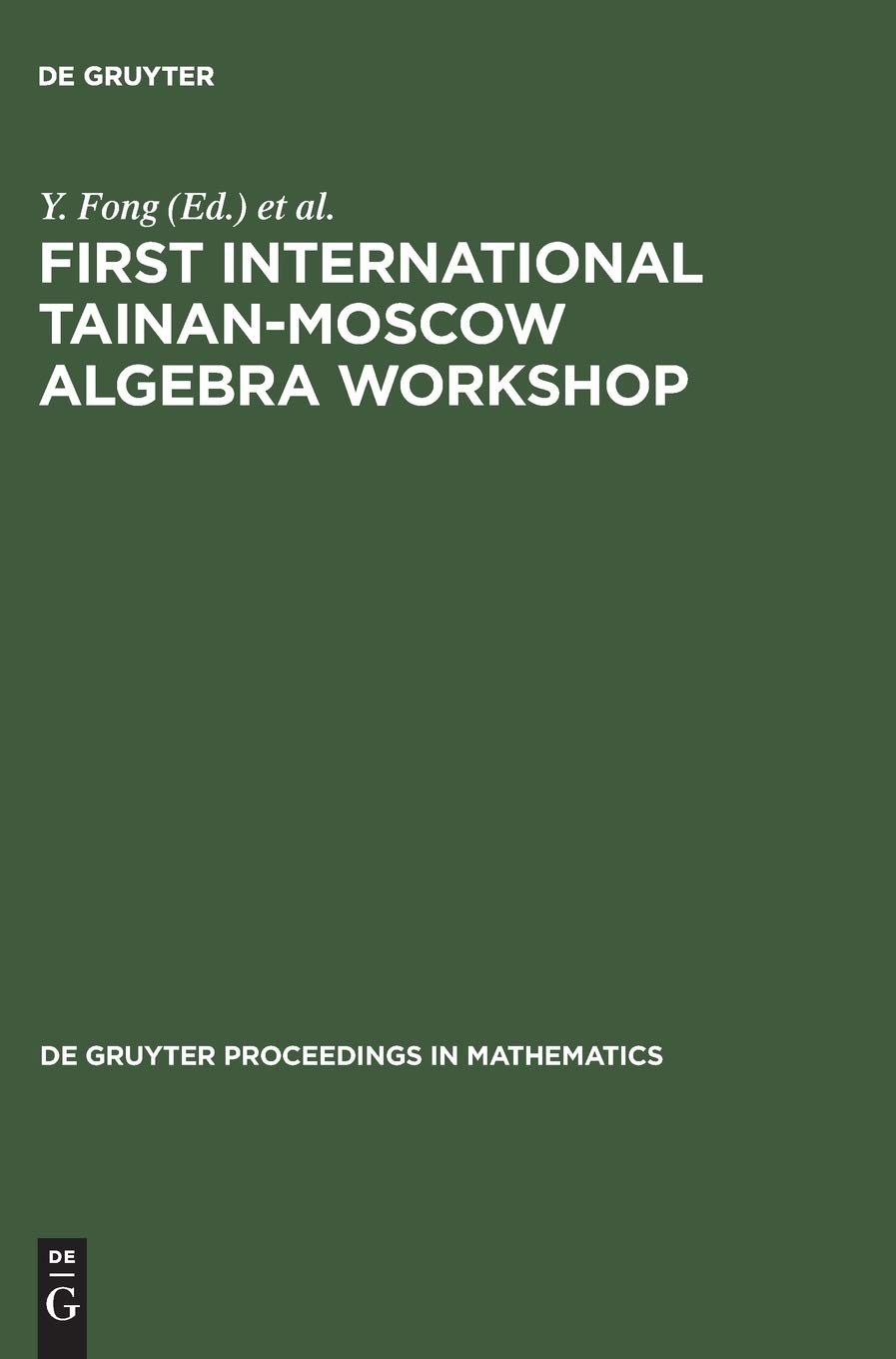
First International Tainan-Moscow Algebra Workshop: Proceedings of the International Conference held at National Cheng Kung University Tainan, Taiwan, ... 1994 (De Gruyter Proceedings in Mathematics)
Mathematics
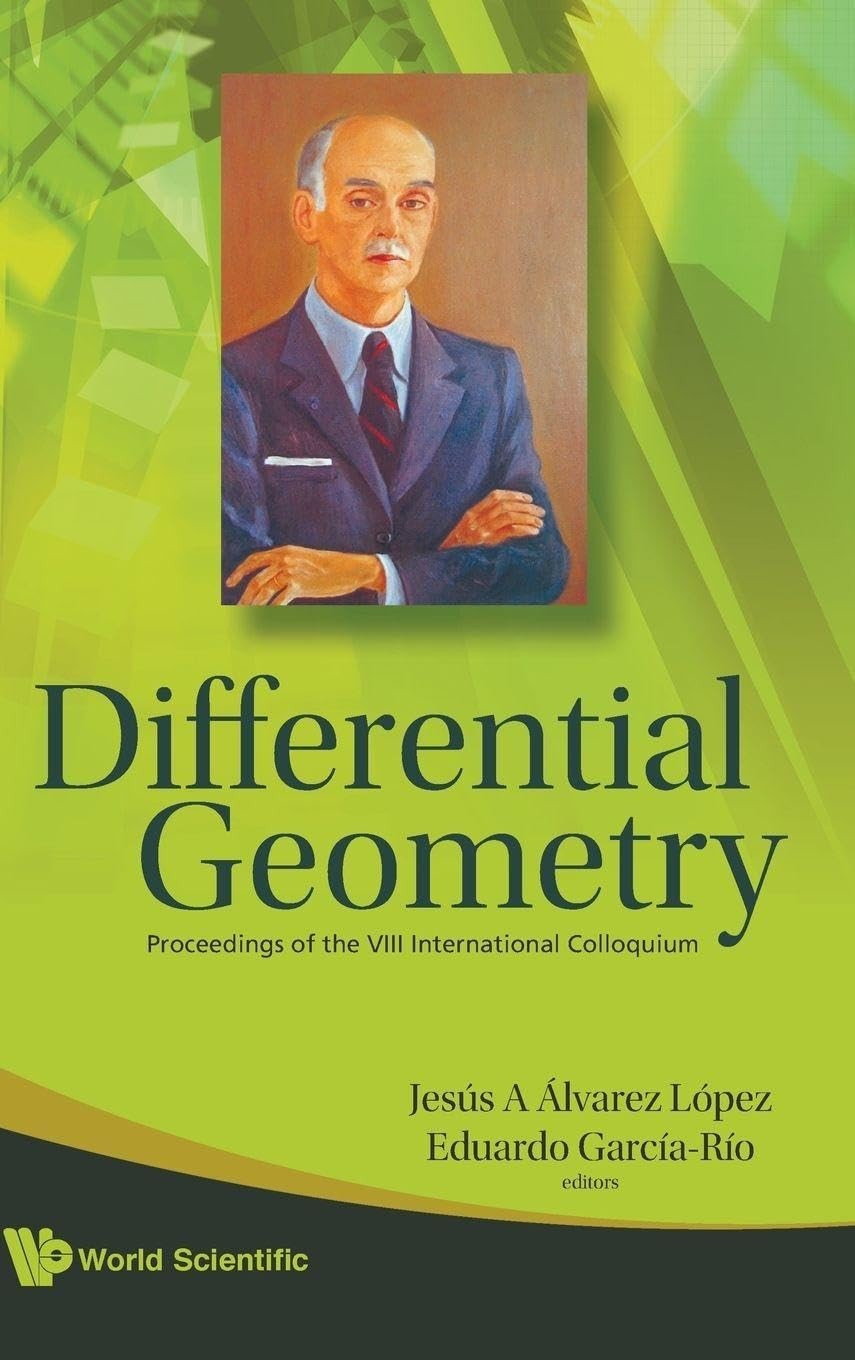
Differential Geometry - Proceedings of the VIII International Colloquium (English, Jesus A. Alvarez Lopez | Eduardo Garcia-Rio)
Mathematics
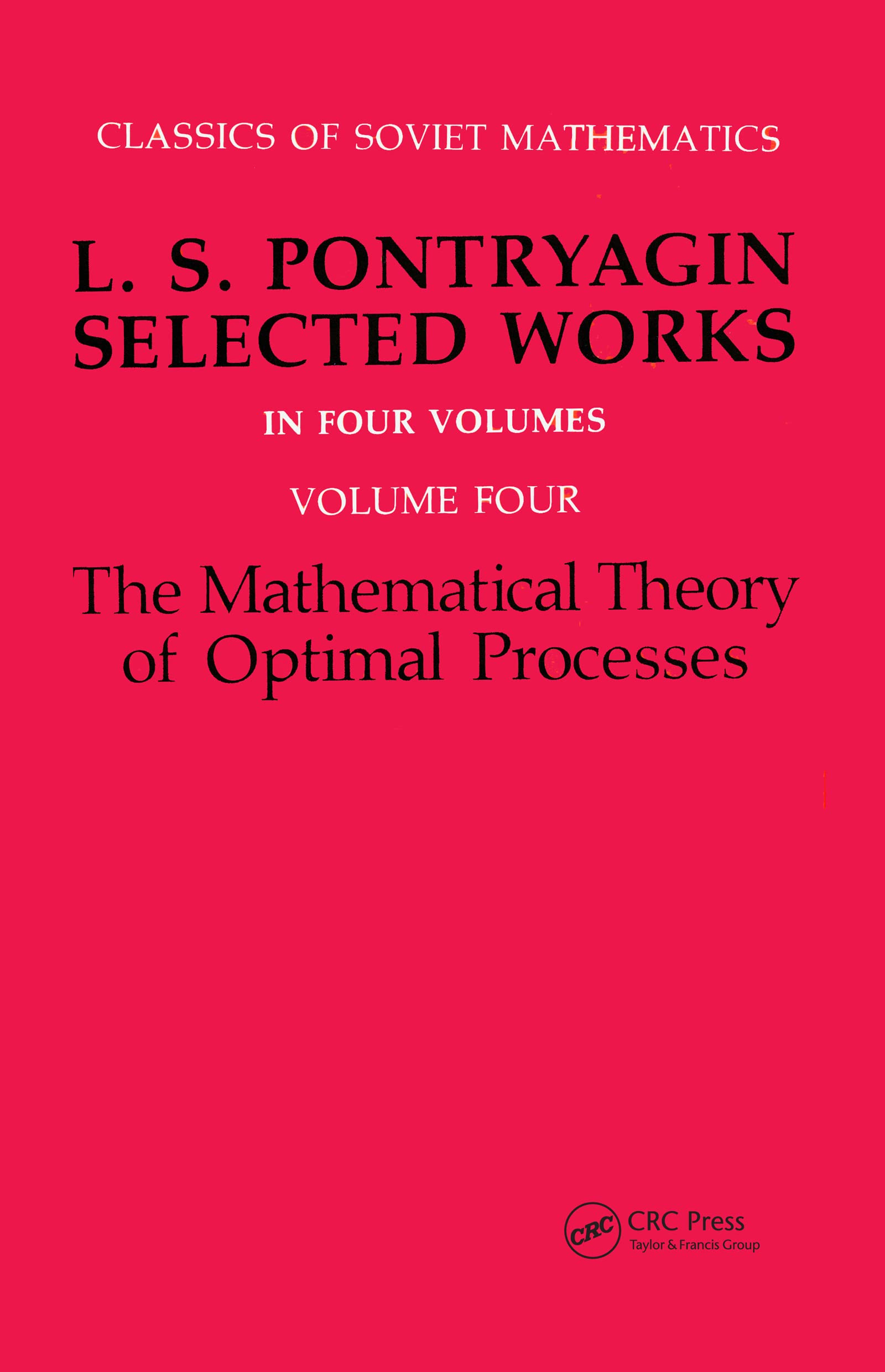
Mathematical Theory of Optimal Processes (Classics of Soviet Mathematics)
Related Products
View AllMathematics
Mathematical Theory of Optimal Processes (Classics of Soviet Mathematics)
Mathematics
Stereotype Spaces and Algebras: 73 (De Gruyter Expositions in Mathematics, 73)
Mathematics
Semigroups in Algebra, Geometry and Analysis: 20 (De Gruyter Expositions in Mathematics, 20)
Mathematics
Geometry from the Pacific Rim: Proceedings of the Pacific Rim Geometry Conference held at National University of Singapore, Republic of Singapore, ... 1994 (De Gruyter Proceedings in Mathematics)
Mathematics
First International Tainan-Moscow Algebra Workshop: Proceedings of the International Conference held at National Cheng Kung University Tainan, Taiwan, ... 1994 (De Gruyter Proceedings in Mathematics)
Mathematics