

The Dobama Movement in Burma: A Comprehensive History of Burmese Nationalism and Independence Struggle by Khin Yi
Inclusive of all applicable taxes. FREE shipping on all orders.
Available Offers
- 🚚Free Delivery — Free shipping on all orders
- 💵Cash on Delivery — Pay when your order arrives
- ↩️15-Day Easy Returns — Hassle-free return policy
- 🔒Cash on Delivery — Pay safely when your order arrives
Check Delivery
Product Description
Introduction
The Dobama Movement in Burma by Khin Yi is an essential historical work that delves into the heart of Burma’s struggle for independence during the 1930s. Published by Southeast Asia Program Publications, this hardcover edition offers a meticulously researched account of the radical nationalist group that shaped the destiny of modern Myanmar. For Indian readers and students of Southeast Asian history, this book provides a compelling parallel to India’s own freedom movement, highlighting themes of unity, intellectual leadership, and the complexities of anti-colonial resistance. Khin Yi’s narrative brings to life the fervor, challenges, and ultimate fragmentation of the Dobama Movement, making it a valuable resource for understanding the region’s political evolution.
Book Overview
This book focuses on the formative years of the Dobama Movement from 1930 to 1938, a period marked by intense political activism and national awakening. Khin Yi traces the movement’s origins under the leadership of Thakin Ba Thoung, its rapid expansion among Burmese intellectuals and students, and its dramatic split in 1938—a year famously known as “The Year of Strife.” While the movement itself did not achieve its immediate goal of independence, it served as a training ground for future leaders, most notably General Aung San, the father of Burmese independence. The narrative is grounded in primary sources, interviews, and archival material, offering readers an authentic glimpse into the ideological battles and organizational strategies of the era.
Key Highlights
- Founding Vision: Explores how Thakin Ba Thoung and other intellectuals ignited a nationalist consciousness among the Burmese people.
- Radical Leadership: Profiles key figures like Aung San, whose early political activism was shaped by the Dobama Movement.
- Year of Strife: Detailed analysis of the 1938 crisis that fractured the movement, revealing internal conflicts and external pressures.
- Grassroots Mobilization: Examines how the movement engaged students, peasants, and monks in the fight for unity and independence.
- Legacy of Resistance: Shows how the movement’s ideals influenced later struggles and Myanmar’s path to sovereignty.
Inside the Book
The book is structured chronologically, beginning with the socio-political conditions of colonial Burma in the early 20th century. Khin Yi describes the rise of nationalist publications, the formation of the Dobama Asiayone (We Burmans Association), and the adoption of the title “Thakin” (master) as a bold assertion of self-respect. The middle chapters cover the movement’s peak, including its participation in the 1936 student strike and its alliance with other anti-colonial groups. The final sections dissect the 1938 rift, which stemmed from ideological differences over tactics, leadership, and relations with other political forces. Throughout, the author weaves in personal anecdotes and speeches, making the history vivid and engaging.
Key Topics
- Colonial Burma and Nationalist Awakening: The impact of British rule on Burmese society and identity.
- Thakin Movement: Ideological foundations and organizational structure of the Dobama group.
- Student and Peasant Activism: The role of young intellectuals and rural communities in the independence struggle.
- Internal Divisions and Factionalism: Causes and consequences of the 1938 split.
- Legacy of Aung San: How the movement shaped the future leader’s political philosophy.
- Comparative Anti-Colonial Movements: Parallels with India’s freedom struggle and other Asian nationalist movements.
Reader Benefits
- Authentic Historical Insight: Gain a nuanced understanding of a pivotal but often overlooked movement in Southeast Asian history.
- Academic Rigor: Benefit from Khin Yi’s thorough research, which includes rare documents and firsthand accounts.
- Contextual Knowledge: Connect the dots between colonial policies, nationalist responses, and post-independence challenges in Myanmar.
- Inspirational Leadership Lessons: Learn from the strategies and sacrifices of early Burmese leaders.
- Enhanced Perspective: Develop a deeper appreciation for the complexities of nation-building in a multi-ethnic society.
Learning Outcomes
- Understand the Origins: Identify the key factors that led to the formation of the Dobama Movement in 1930.
- Analyze Leadership Dynamics: Evaluate the roles of Thakin Ba Thoung, Aung San, and other figures in shaping the movement’s direction.
- Assess the 1938 Crisis: Explain the reasons behind the movement’s fragmentation and its long-term implications.
- Compare Nationalist Strategies: Contrast the Dobama approach with other anti-colonial movements in Asia, including India’s.
- Appreciate Historical Continuity: Trace how the movement’s ideals influenced Myanmar’s subsequent political history.
Who Should Read
- History Students: Especially those studying Southeast Asian history, colonialism, or nationalist movements.
- Researchers and Scholars: Academics focusing on Burma/Myanmar, political science, or comparative history.
- Indian Readers Interested in Regional History: Those who want to understand the shared struggles against colonial rule in Asia.
- Policy Makers and Diplomats: Professionals seeking historical context for contemporary Myanmar politics.
- General Enthusiasts: Anyone passionate about stories of resistance, leadership, and the fight for freedom.
About the Author
Khin Yi is a respected historian and scholar of Burmese history, known for his meticulous research and deep engagement with primary sources. His work on the Dobama Movement is widely regarded as a definitive account, drawing on interviews with surviving participants and archival records from both Burma and the United Kingdom. Khin Yi’s writing combines academic rigor with a narrative flair, making complex political histories accessible to a broad audience. His dedication to preserving the legacy of Burma’s early nationalists has earned him recognition among historians of Southeast Asia.
About the Publisher
Southeast Asia Program Publications (SEAP) is an academic imprint based at Cornell University, renowned for its authoritative works on the history, politics, and cultures of Southeast Asia. With a commitment to scholarly excellence, SEAP has published numerous seminal texts that have shaped the field of Southeast Asian studies. This hardcover edition of The Dobama Movement in Burma reflects the publisher’s dedication to producing high-quality, durable books that serve as lasting resources for students, researchers, and libraries worldwide.
Conclusion
The Dobama Movement in Burma is more than a historical account; it is a testament to the power of ideas and collective action in the face of oppression. Khin Yi’s work offers Indian readers a rich, comparative lens through which to view the anti-colonial struggles of our own subcontinent and beyond. Whether you are a student, scholar, or history enthusiast, this book will deepen your understanding of how movements are born, grow, and sometimes fracture—and how their legacies endure. Add this essential volume to your collection and explore the roots of modern Myanmar’s political identity.
Quick Summary
The Dobama Movement in Burma by Khin Yi is a meticulously researched historical work that delves into the radical nationalist organization known as the Dobama Asiayone. The book covers the movement's formation in 1930 under Thakin Ba Thoung, its rapid growth among Burmese intellectuals, and its eventual fragmentation in 1938 during the 'Year of Strife.' Although the movement did not achieve its immediate goals, it nurtured future leaders like Aung San, who later became the father of Burmese independence. This book is ideal for students, researchers, and history enthusiasts interested in Southeast Asian colonialism, nationalism, and independence struggles. Readers will gain a nuanced understanding of the political dynamics in pre-independence Burma and the intellectual currents that shaped the nation. By purchasing from Bookshops.in, you support a trusted Indian bookstore offering authentic, high-quality print editions with reliable delivery across India.
Book Highlights
Book Specifications
| ISBN-13 | 9780877271185 |
| ISBN-10 | 0877271186 |
| Publisher | Southeast Asia Program Publications, Cornell University |
| Language | English |
| Dimensions | 17.78 x 0.91 x 25.4 cm |
| Weight | 340 g |
| Country | India |
| Category | Political Science › International Relations |
| Genre | History |
| Original Language | English |
Frequently Asked Questions
What is the Dobama Movement in Burma about?
Who is the author of this book?
Which time period does the book cover?
Who founded the Dobama Movement?
Why is the Dobama Movement important?
What is the 'Year of Strife'?
Is this book suitable for Indian readers?
Does the book include information about Aung San?
What language is the book in?
Is this a hardcover edition?
What is the ISBN of this book?
Can I use this book for academic research?
Where can I buy this book in India?
Readers Also Search For
Customers Also Bought

International Relations
Clients, Rivals, and Rogues: Why Great Powers Intervene in Revolutionary Civil Wars

International Relations
Foreign Ministries and the Information Revolution: Going Virtual?: 2 (Diplomatic Studies)
International Relations
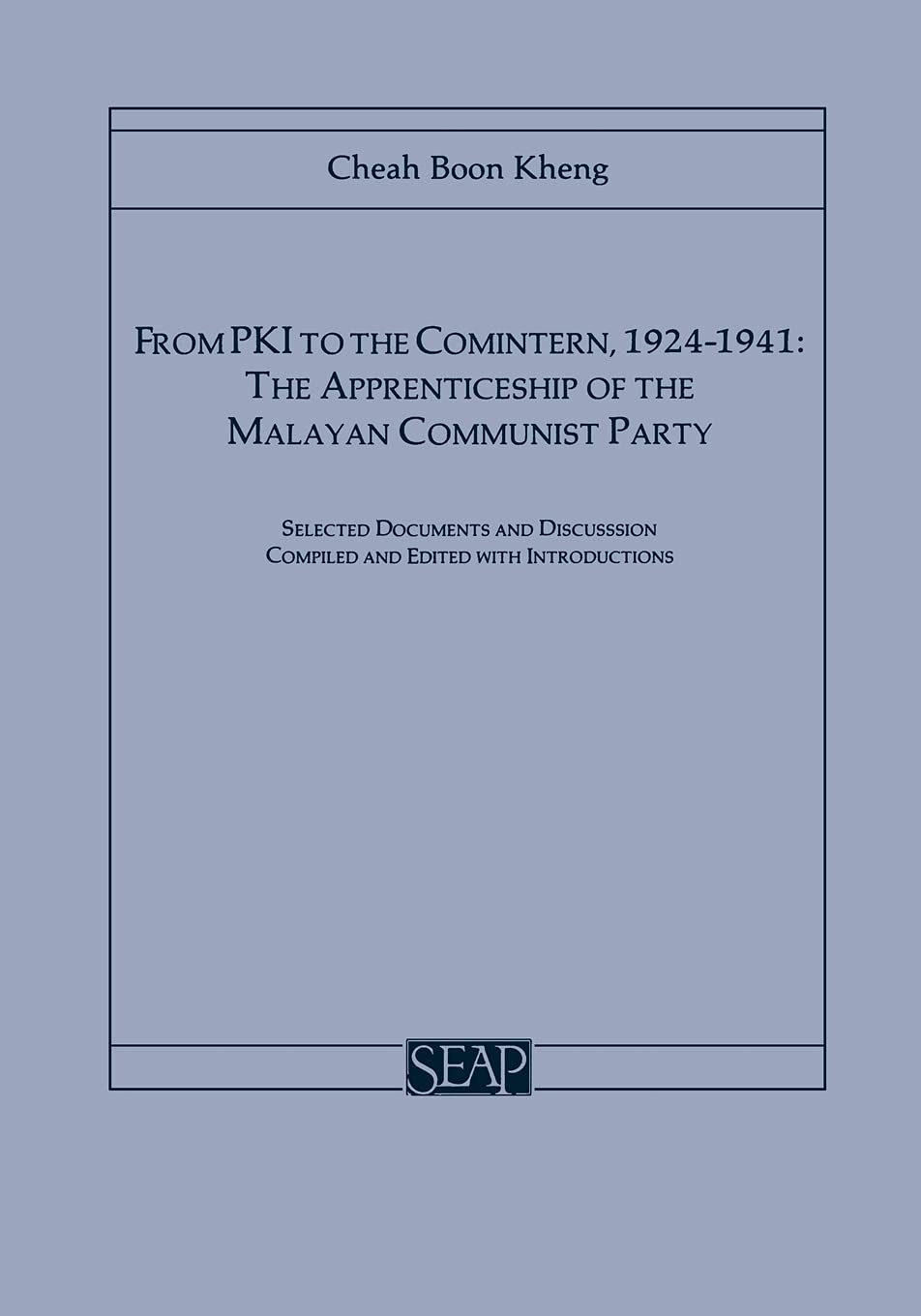
From Pki to Comintern, 1924-1941: The Apprenticeship of the Malayan Communist Party: 8 (Southeast Asia Program Series, 8)
International Relations
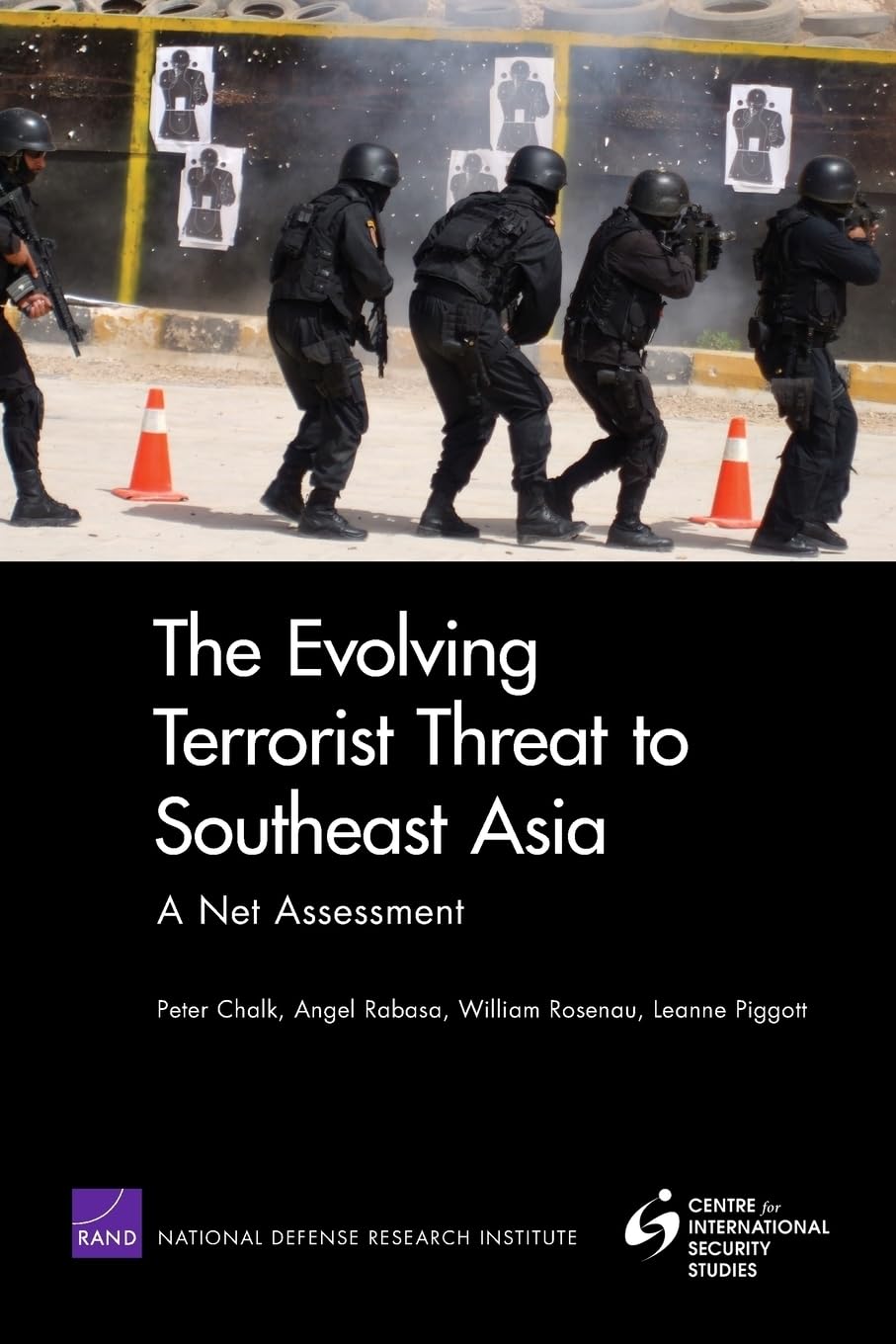
The Evolving Terrorist Threat to Southeast Asia: A Net Assessment

International Relations
The Naval Policy of Austria-Hungary 1867-1918: Navalism, Industrial Development, and the Politics of Dualism (Central European Studies)

International Relations
New Technologies and Law of the Marine Environment: Nouvelles Technologies Et Droit De L'Environment Marin: 55 (International Enviornmental Law and Policy, 55)
Related Products
View AllInternational Relations
Clients, Rivals, and Rogues: Why Great Powers Intervene in Revolutionary Civil Wars
International Relations
Foreign Ministries and the Information Revolution: Going Virtual?: 2 (Diplomatic Studies)
International Relations
From Pki to Comintern, 1924-1941: The Apprenticeship of the Malayan Communist Party: 8 (Southeast Asia Program Series, 8)
International Relations
The Evolving Terrorist Threat to Southeast Asia: A Net Assessment
International Relations
The Naval Policy of Austria-Hungary 1867-1918: Navalism, Industrial Development, and the Politics of Dualism (Central European Studies)
International Relations