
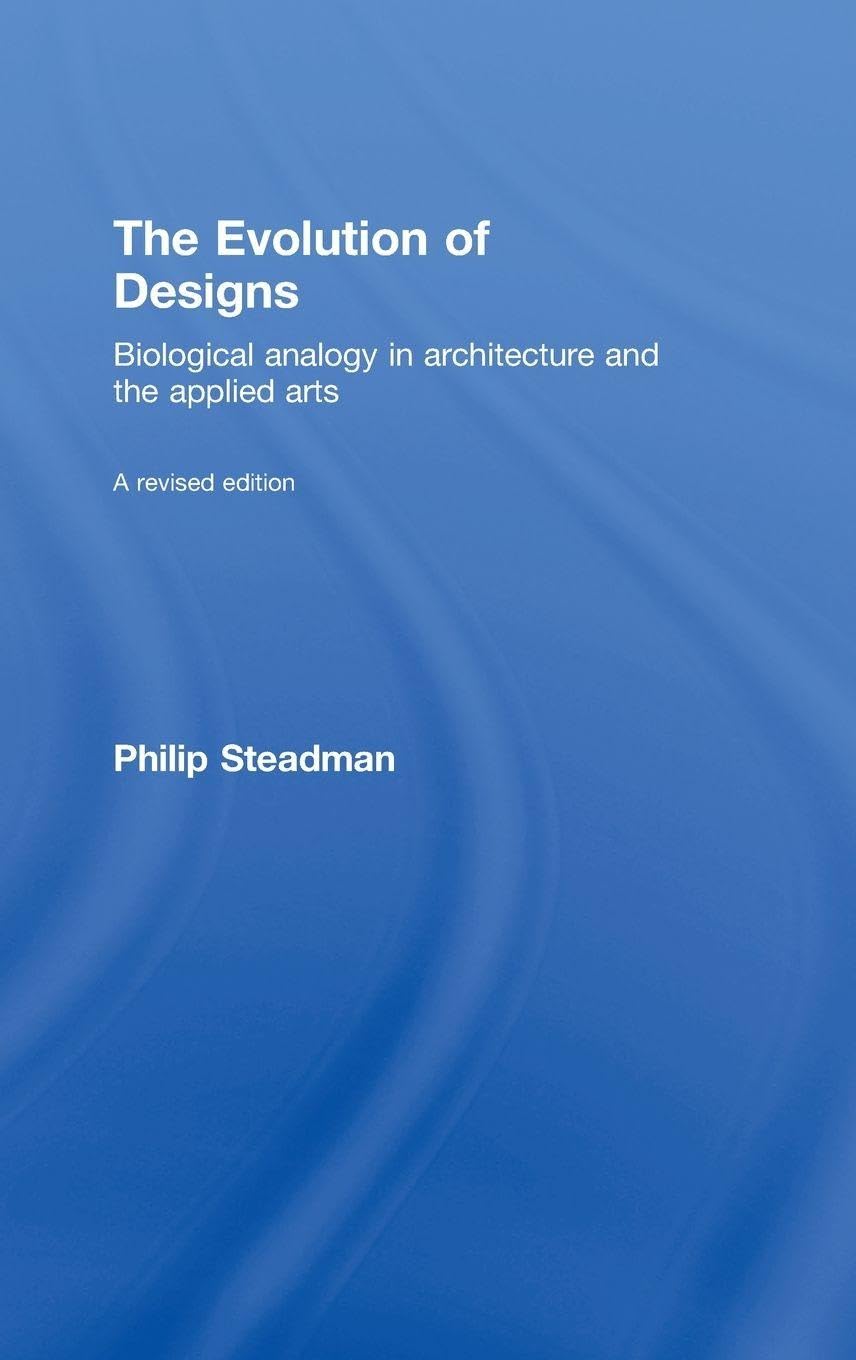
The Evolution of Designs: Biological Analogy in Architecture and the Applied Arts by Philip Steadman – A Deep Dive into
Inclusive of all applicable taxes. FREE shipping on all orders.
Available Offers
- 🚚Free Delivery — Free shipping on all orders
- 💵Cash on Delivery — Pay when your order arrives
- ↩️15-Day Easy Returns — Hassle-free return policy
- 🔒Cash on Delivery — Pay safely when your order arrives
Check Delivery
Product Description
Introduction
In the ever-evolving landscape of architecture and design, the quest for inspiration often leads to nature. 'The Evolution of Designs: Biological Analogy in Architecture and the Applied Arts' by Philip Steadman is a seminal work that explores the profound and fascinating relationship between biological evolution and human creativity. This book is not merely a historical account; it is a deep intellectual journey that examines how architects and designers have consistently looked to the natural world for models of growth, adaptation, and form. For Indian students and professionals in architecture, design, and the sciences, this hardcover edition offers an invaluable resource to understand the roots of biomorphic design and its modern computational resurgence.
Book Overview
First published as a classic in its field, this revised edition of 'The Evolution of Designs' brings a comprehensive analysis of how biological analogies have shaped architectural and applied arts theory from the early 19th century to the present day. Philip Steadman meticulously traces the history of these analogies, from the earliest attempts to imitate plant and animal forms to the sophisticated use of genetic algorithms in contemporary design. The book argues that the most potent influence of biology on design is not in copying appearances but in adopting processes—such as natural selection, growth, and adaptation—as methods for creating artefacts. This new edition includes an extensive afterword that covers the revolutionary impact of computer methods in design during the 1980s and 1990s, opening doors to a new kind of 'biomorphic' architecture. Published by Routledge, this hardcover is a must-have for anyone serious about the intellectual foundations of design.
Key Highlights
- Revised and Expanded Edition: Includes a critical afterword on computer-aided design and genetic algorithms, bringing the discussion into the modern digital age.
- Interdisciplinary Approach: Bridges architecture, biology, design history, and philosophy, offering a holistic perspective.
- Rich Historical Context: Covers over two centuries of biological analogies in design, from the 19th-century theorists to contemporary practitioners.
- Accessible Scholarship: Written in clear, engaging prose suitable for both academic and general readers.
- Premium Hardback: Durable and elegant, perfect for libraries, studios, and personal collections.
Inside the Book
Inside this hardcover, readers will find a well-structured narrative that moves chronologically through key periods and thinkers. The book begins with early 19th-century attempts to draw direct analogies between organisms and buildings, such as the works of Viollet-le-Duc and others. It then progresses through the 20th century, examining the influence of D'Arcy Thompson's 'On Growth and Form', the rise of functionalism, and the organic architecture of Frank Lloyd Wright. A significant portion is dedicated to the post-war period, where cybernetics and systems theory brought new biological models into design. The revised edition's afterword is a standout feature, detailing how the advent of powerful computers allowed designers to simulate evolutionary processes—using 'genetic algorithms' to generate and select optimal forms. This section connects historical ideas directly to contemporary practices in parametric and computational design, making the book incredibly relevant for today's students.
Key Topics
- The history of biological analogies in architecture from 1800 to the present
- Comparative analysis of organic and mechanical models in design theory
- D'Arcy Thompson's influence on architectural morphology
- The role of cybernetics and systems thinking in post-war design
- Genetic algorithms and evolutionary computation in contemporary architecture
- Case studies of buildings and artefacts inspired by biological processes
- Critiques of biological determinism in design
Reader Benefits
By reading 'The Evolution of Designs', you will gain a deep understanding of the intellectual currents that have shaped modern architecture and applied arts. The book helps you see beyond mere aesthetics, revealing the underlying logic and philosophy that connect design to the natural world. For Indian readers, especially those studying or working in fields like architecture, urban design, product design, or even computer science, this book offers a unique lens to view your own work. It encourages a more thoughtful, process-oriented approach to creation, moving away from superficial mimicry of nature towards a deeper engagement with its principles. The revised edition ensures you stay updated with the latest computational trends, making it a practical guide as well as a historical treatise.
Learning Outcomes
- Understand the historical evolution of biological analogies in design theory.
- Identify key figures and movements that used nature as a model for design processes.
- Analyze the differences between imitating natural forms and adopting natural processes in design.
- Evaluate the impact of computer technology on biomorphic architecture and design.
- Apply concepts of evolution, growth, and adaptation to your own design projects.
- Critically assess the strengths and limitations of biological analogies in human-made artefacts.
Who Should Read
This book is essential for architecture students and professionals who wish to understand the theoretical foundations of their discipline. It is equally valuable for designers in the applied arts—such as furniture, textile, and industrial designers—who are curious about organic forms and processes. Scholars and students in the history of science, biology, and philosophy will find the interdisciplinary connections enlightening. Additionally, computer scientists and digital artists working with generative design, artificial life, or evolutionary algorithms will discover the historical roots of their tools. In the Indian context, this book is ideal for B.Arch, M.Arch, and design school curricula, as well as for self-learners passionate about the intersection of nature and creativity.
About the Author
Philip Steadman is a highly respected British academic and author, known for his pioneering work in the fields of architectural theory, design computing, and the history of design. He has held positions at the University of Cambridge and the Open University, where his research has consistently explored the boundaries between architecture, science, and technology. Steadman's work is characterized by a rigorous, analytical approach combined with a deep appreciation for historical context. His other notable books include 'The Geometry of Environment' and 'Vermeer's Camera', showcasing his wide-ranging intellect. In 'The Evolution of Designs', he brings decades of scholarship to bear on a topic that remains central to contemporary design discourse.
About the Publisher
Routledge is a premier global publisher of academic books, journals, and online resources in the humanities, social sciences, and behavioural sciences. With a history spanning over 150 years, Routledge is known for its commitment to scholarly excellence and high-quality production. This hardcover edition reflects Routledge's dedication to preserving and disseminating classic works that continue to influence modern thought. Indian readers can trust Routledge for authoritative, well-edited texts that are essential for serious study and reference.
Conclusion
'The Evolution of Designs: Biological Analogy in Architecture and the Applied Arts' is more than a book; it is a bridge between the natural world and human ingenuity. Philip Steadman's comprehensive and updated study offers a timeless perspective that is as relevant to today's computational designers as it was to the pioneers of organic architecture. Whether you are a student seeking to deepen your understanding, a professional looking for fresh inspiration, or a curious mind fascinated by the patterns of nature and culture, this hardcover edition deserves a place on your shelf. Order your copy from Bookshops.in today and embark on a journey through the evolutionary logic of design.
Quick Summary
The Evolution of Designs: Biological Analogy in Architecture and the Applied Arts by Philip Steadman is a seminal work that traces the history of how architects and designers have drawn inspiration from biological evolution. Since the early 19th century, creators have sought not just to imitate the forms of plants and animals but to adopt methods analogous to natural growth and evolution. This revised edition adds a significant afterword covering the impact of computer methods in the 1980s and 1990s, which opened up new possibilities for biomorphic design. The book is ideal for architecture students, design historians, applied arts practitioners, and anyone fascinated by the intersection of nature and human creativity. Readers will learn about key figures, movements, and theories that have shaped nature-inspired design, and gain a deeper understanding of how biological thinking can inform contemporary practice. By purchasing from Bookshops.in, Indian readers receive a high-quality hardcover edition delivered promptly, with the assurance of supporting a trusted local bookstore that values scholarly works.
Book Highlights
Book Specifications
| ISBN-13 | 9780415447522 |
| ISBN-10 | 0415447526 |
| Publisher | Routledge |
| Language | English |
| Dimensions | 16.2 x 2.31 x 23.99 cm |
| Weight | 862 g |
| Category | Performing Arts › Music |
| Genre | Non-fiction |
| Original Language | English |
Frequently Asked Questions
What is the main theme of The Evolution of Designs?
Who is the author of this book?
Is this book suitable for Indian readers?
What makes this edition different from the original?
Does the book focus only on architecture?
Is this a textbook or a general read?
What is the ISBN?
Can I use this book for my design thesis?
Does the book include illustrations?
Is the language easy to understand?
What is the price in India?
How is this book relevant today?
Readers Also Search For
Customers Also Bought
Art History
The Italian Renaissance in Art

Art History
Photovoltaic Design & Installation For Dummies | by Mayfield | ForDummies | by Mayfield | ForDummies | by Mayfield | ForDummies | by Mayfield | ForDummies | by Mayfield | ForDummies | by Mayfield | ForDummies | by Mayfield | ForDummies | by Mayfield | ForDummies | by Mayfield | ForDummies | by Mayfield | ForDummies | by Mayfield | ForDummies | by Mayfield | ForDummies | by Mayfield | ForDummies | by Mayfield | ForDummies | by Mayfield | ForDummies | by Mayfield | ForDummies | by Mayfield | ForDu
Art History
Designing School Systems for All Students (English, Robert J. Manley | Richard J. Hawkins)

Art History
Routledge Library Editions: Art and Culture in the Nineteenth Century
Art History
An Errant Design (English, S. H. Long)

Art History
Distributed System Design | by Jie Wu | CRC Press | by Jie Wu | CRC Press | by Jie Wu | CRC Press | by Jie Wu | CRC Press | by Jie Wu | CRC Press | by Jie Wu | CRC Press | by Jie Wu | CRC Press | by Jie Wu | CRC Press | by Jie Wu | CRC Press | by Jie Wu | CRC Press | by Jie Wu | CRC Press | by Jie Wu | CRC Press | by Jie Wu | CRC Press | by Jie Wu | CRC Press | by Jie Wu | CRC Press | by Jie Wu | CRC Press | by Jie Wu | CRC Press | by Jie Wu | CRC Press | by Jie Wu | CRC Press | by Jie Wu | CRC
Related Products
View All
Music
The Cambridge Companion to Michael Tippett by Kenneth Gloag – Music Analysis

Music
Making Light: Haydn, Musical Camp, and the Long Shadow of German Idealism
Music
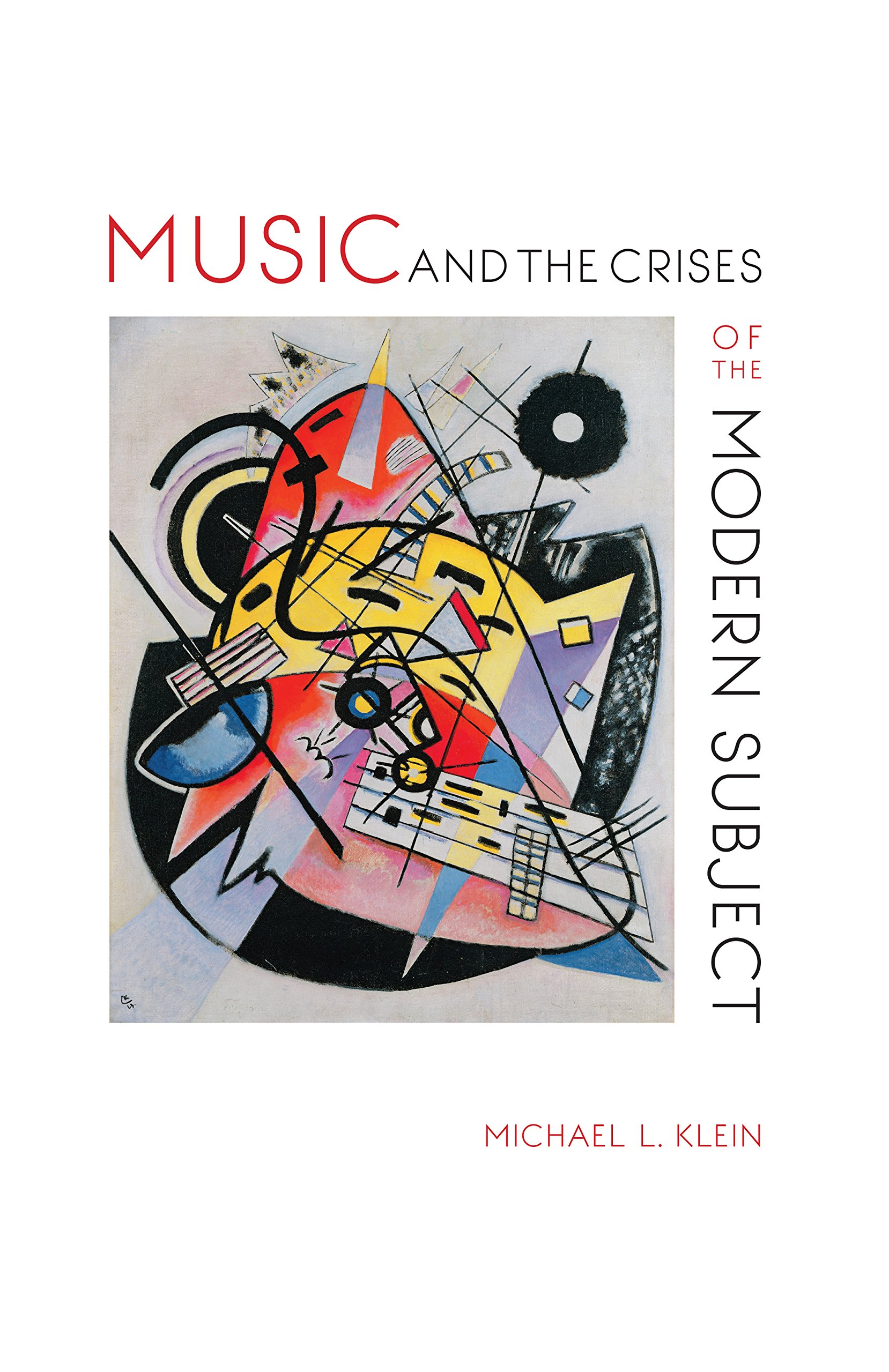
Music and the Crises of the Modern Subject by Michael L. Klein – Music Theory & Criticism
Music
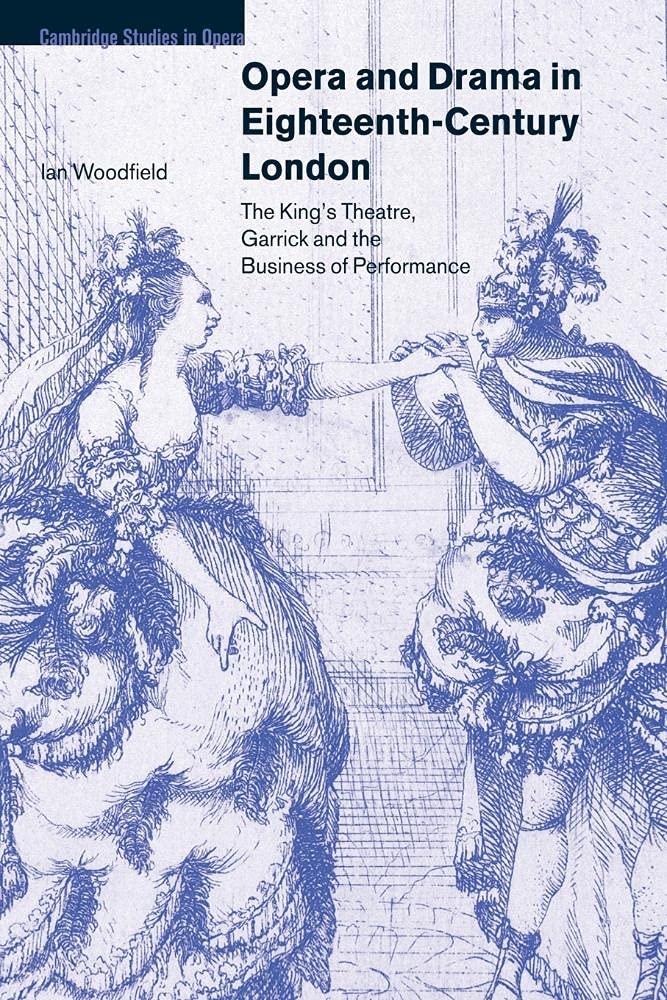
Opera and Drama in Eighteenth-Century London: The King's Theatre, Garrick and the Business of Perfor

Music
Music in Theory and Practice Volume 1 | by Bruce Benward | Marilyn Saker | McGraw-Hill Companies | by Bruce Benward | Marilyn Saker | McGraw-Hill Companies | by Bruce Benward | Marilyn Saker | McGraw-Hill Companies | by Bruce Benward | Marilyn Saker | McGraw-Hill Companies | by Bruce Benward | Marilyn Saker | McGraw-Hill Companies | by Bruce Benward | Marilyn Saker | McGraw-Hill Companies | by Bruce Benward | Marilyn Saker | McGraw-Hill Companies | by Bruce Benward | Marilyn Saker | McGraw-Hill

Music