

The Fascist Revolution in Tuscany, 1919–22 by Frank Snowden – A Scholarly Analysis of Agrarian Fascism and Political Vio
Inclusive of all applicable taxes. FREE shipping on all orders.
Available Offers
- 🚚Free Delivery — Free shipping on all orders
- 💵Cash on Delivery — Pay when your order arrives
- ↩️15-Day Easy Returns — Hassle-free return policy
- 🔒Cash on Delivery — Pay safely when your order arrives
Check Delivery
Product Description
Introduction
For students of modern European history, political science, and social movements, The Fascist Revolution in Tuscany, 1919–22 by Frank Snowden offers an indispensable deep dive into the grassroots origins of Italian fascism. Published by Cambridge University Press, this hardbound volume examines the violent and transformative period that saw the rise of Benito Mussolini’s movement, focusing specifically on the Tuscan region—a heartland of agrarian and urban unrest. Unlike broad national surveys, this book zooms in on local dynamics, revealing how class tensions, economic pressures, and political militancy converged to fuel a revolutionary reaction. For Indian readers and scholars interested in comparative fascism, rural sociology, or the mechanics of authoritarian takeovers, this work provides a meticulously researched case study that resonates far beyond Italy’s borders.
Book Overview
First published in 1989, The Fascist Revolution in Tuscany, 1919–22 remains a landmark in historical scholarship. Frank Snowden challenges simplistic narratives by asking: Who supported fascism in Tuscany, and why? The book argues that Tuscan fascism was uniquely violent, organized, and intransigent—second to none in its missionary zeal. Snowden traces the movement’s roots in the aftermath of World War I, when mass strikes, land occupations, and socialist agitation swept the region. He explores how landowners, industrialists, middle-class professionals, and even sections of the peasantry turned to the black-shirts as a bulwark against revolution. The study is divided into thematic sections: agrarian fascism in the countryside, industrial and urban activity, and the fraught relationship between fascist squads and state authorities. By the end, readers understand how local violence paved the way for national dictatorship.
Key Highlights
- Regional Focus: An in-depth analysis of Tuscany, a crucial but often overlooked region in fascism’s rise.
- Thematic Structure: Separate treatment of agrarian, industrial, and urban fascism for clear comparative insights.
- Social Origins: A rigorous examination of which classes and groups provided the foot soldiers and financiers of the movement.
- Violence and Organization: Details the brutal squadrismo tactics that made Tuscan fascism a model for the rest of Italy.
- State Complicity: Explores how local officials and the military enabled fascist violence against socialists and trade unions.
- Original Research: Based on extensive archival sources, including police reports, party records, and personal testimonies.
Inside the Book
The book is organized into three major parts. The first part, Agrarian Fascism, dissects the countryside: the role of sharecroppers, day labourers, and large landowners in the fascist offensive. Snowden shows how the collapse of the post-war agricultural economy radicalized both right and left. The second part, Industrial and Urban Fascism, shifts to cities like Florence, Siena, and Pisa, examining the support from industrialists, shopkeepers, and students. The third part, Fascism and the State, uncovers the ambiguous relationship between Mussolini’s squads and the liberal state apparatus, revealing how state inertia and occasional collusion allowed fascism to seize power. Each chapter is packed with statistical data, maps, and vivid narratives of clashes, strikes, and reprisals.
Key Topics
- Agrarian unrest and the formation of fascist squads in the Tuscan countryside
- The role of World War I veterans in mobilizing violence
- Class alliances between landowners, industrialists, and the middle classes
- Urban fascism in Florence: intellectual roots and street violence
- The failure of socialist and Catholic opposition movements
- State responses: from neutrality to tacit support
- Gender and fascism: the participation of women in the movement
- Comparative perspectives: Tuscany versus other Italian regions
Reader Benefits
This book offers multiple advantages for serious readers. First, it provides a microhistorical lens that reveals how national political shifts are grounded in local realities—a lesson applicable to understanding any authoritarian movement. Second, it challenges oversimplified views of fascism as merely a middle-class reaction, showing instead a complex coalition of interests. Third, the thematic organization allows scholars to quickly access specific topics, such as agrarian violence or state-fascist relations. Fourth, the rigorous use of primary sources makes it a model of historical methodology. Finally, for Indian readers, the parallels with agrarian conflicts, communal violence, and state responses in South Asia offer rich comparative material for seminars and research.
Learning Outcomes
After reading The Fascist Revolution in Tuscany, 1919–22, you will be able to:
- Analyze the social and economic conditions that foster fascist movements in rural and urban settings.
- Evaluate the role of violence as a political tool in the transition from democracy to dictatorship.
- Identify the key social groups—landowners, industrialists, professionals, peasants—that supported early fascism.
- Compare Italian fascism with other authoritarian regimes in Europe and beyond.
- Critique historiographical debates on the nature of fascism, from Marxist to liberal interpretations.
- Apply insights from Tuscan history to understand contemporary populist and nationalist movements.
Who Should Read
This book is essential for undergraduate and postgraduate students of modern European history, political science, and sociology. It is equally valuable for researchers specializing in fascism, authoritarianism, or Italian studies. History enthusiasts with an interest in the interwar period will find the detailed narratives gripping. For Indian academics studying comparative fascism or agrarian conflicts, this work offers a rigorous framework. Additionally, journalists and policy analysts seeking historical context for contemporary far-right movements will benefit from Snowden’s nuanced analysis.
About the Author
Frank Snowden is a distinguished historian of modern Italy and a professor emeritus at the University of Oxford. His research focuses on social history, public health, and political violence. He is also the author of Naples in the Time of Cholera, 1884–1911 and The Conquest of Malaria: Italy, 1900–1962, both acclaimed for their archival depth and narrative clarity. Snowden’s work is known for combining rigorous scholarship with accessible prose, making complex social dynamics understandable to a wide audience.
About the Publisher
Cambridge University Press is one of the world’s oldest and most prestigious academic publishers, with a history dating back to 1534. Known for its rigorous peer-review process and commitment to scholarly excellence, Cambridge publishes works that shape academic discourse across disciplines. This book is part of their distinguished list in history and political science, ensuring high editorial standards and lasting relevance.
Conclusion
The Fascist Revolution in Tuscany, 1919–22 is more than a regional history; it is a vital contribution to understanding how fascism actually works on the ground. Frank Snowden’s meticulous research, clear thematic structure, and nuanced analysis make this book an enduring resource for anyone seeking to comprehend the roots of authoritarianism. For Indian readers, it offers a powerful reminder of how economic dislocation, social fear, and political violence can combine to upend democracy. Order your hardcover copy from Bookshops.in today and add this essential work to your library.
Quick Summary
The Fascist Revolution in Tuscany, 1919–22 by Frank Snowden is a scholarly examination of the social foundations of fascism in one of Italy's most significant regions. Published by Cambridge University Press, this hardcover volume delves into the agrarian, industrial, and urban dynamics that fueled the fascist movement's rise. Snowden asks critical questions: who supported fascism, and why did Tuscan fascism exhibit such extreme violence and organizational zeal? The book offers a thematic approach, analyzing the roles of landowners, peasants, industrial workers, and state officials. It challenges readers to understand how regional patterns diverged from or aligned with national trends. This work is ideal for Indian students and researchers in modern European history, political science, and sociology. Readers will gain deep insights into the class conflicts and political strategies that enabled fascism to take root. By purchasing from Bookshops.in, you receive an authentic hardcover edition, ensuring a durable addition to your academic library.
Book Highlights
Book Specifications
| ISBN-13 | 9780521361170 |
| ISBN-10 | 0521361176 |
| Publisher | Cambridge University Press |
| Language | English |
| Dimensions | 15.88 x 2.54 x 23.5 cm |
| Weight | 620 g |
| Category | Region & Countries › Europe |
| Genre | History |
| Original Language | English |
Frequently Asked Questions
What is The Fascist Revolution in Tuscany about?
Who is the author of this book?
Is this book suitable for Indian students?
Which publisher released this book?
What is the ISBN-13 of this book?
What is the price of this book?
What is the language of the book?
What is the binding of this book?
What is the rating of this book?
What category does this book belong to?
Does this book cover the rise of Mussolini?
Is this book based on primary sources?
Can I use this book for my university course?
Readers Also Search For
Related Products
View All
History
The Information Revolution: Transforming the World Through Technology (World History)

History
Human Nature and the French Revolution: From the Enlightenment to the Napoleonic Code: 3 (Polygons: Cultural Diversities and Intersections, 3)
History
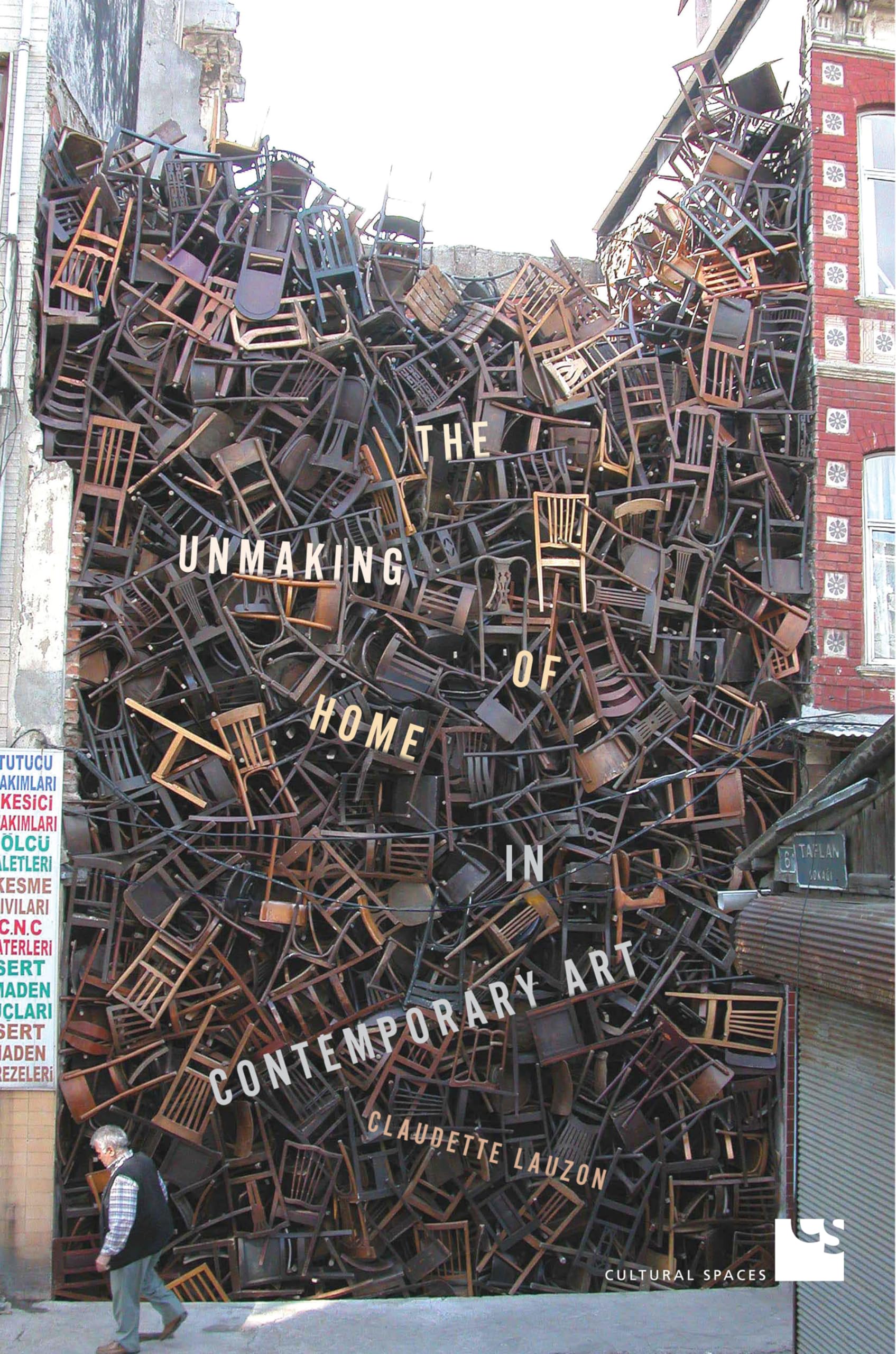
The Unmaking of Home in Contemporary Art (Cultural Spaces)

History
Handbook to Life in Medieval and Early Modern Japan | by William E. Deal | Oxford University Press | by William E. Deal | Oxford University Press | by William E. Deal | Oxford University Press | by William E. Deal | Oxford University Press | by William E. Deal | Oxford University Press | by William E. Deal | Oxford University Press | by William E. Deal | Oxford University Press | by William E. Deal | Oxford University Press | by William E. Deal | Oxford University Press | by William E. Deal | Ox

History
The Narrators of Barbarian History (A.D. 550-800) | by Walter Goffart | University of Notre Dame Press | by Walter Goffart | University of Notre Dame Press | by Walter Goffart | University of Notre Dame Press | by Walter Goffart | University of Notre Dame Press | by Walter Goffart | University of Notre Dame Press | by Walter Goffart | University of Notre Dame Press | by Walter Goffart | University of Notre Dame Press | by Walter Goffart | University of Notre Dame Press | by Walter Goffart | Univ

History