

The Improvisation of Musical Dialogue: A Phenomenology of Music by Bruce Benson – Understanding Music as an Improvisator
Inclusive of all applicable taxes. FREE shipping on all orders.
Available Offers
- 🚚Free Delivery — Free shipping on all orders
- 💵Cash on Delivery — Pay when your order arrives
- ↩️15-Day Easy Returns — Hassle-free return policy
- 🔒Cash on Delivery — Pay safely when your order arrives
Check Delivery
Product Description
Introduction
In the vast world of music philosophy, most books focus on the finished score or the recorded performance. Bruce Benson’s The Improvisation of Musical Dialogue: A Phenomenology of Music turns this idea on its head. It argues that the true essence of music lies not in the written notes but in the act of making music in the moment. Published by Cambridge University Press, this hardcover edition offers a fresh perspective for Indian students, musicians, and thinkers who want to understand music as a living, breathing dialogue between performers, composers, and listeners.
Book Overview
This book is a deep dive into the phenomenology of music-making—how we experience music as it happens. Benson challenges the conventional view that composition and reproduction are central. Instead, he makes a bold case: improvisation is primary. Drawing on examples from classical music, jazz, early music, and Indian classical traditions, the book bridges analytic and continental philosophy with real-world performance practice. It is a rich, accessible work that speaks to anyone curious about the creative process behind every note.
Key Highlights
- Radical Thesis: Argues that improvisation is not a special skill but the fundamental mode of all musical creation.
- Interdisciplinary Approach: Merges philosophy, musicology, and performance-practice in a seamless narrative.
- Global Musical Examples: Includes Western classical, jazz, early music, and nods to non-Western traditions, making it relevant for Indian readers.
- Accessible Language: Written without excessive jargon, perfect for students and general readers alike.
- Hardcover Quality: A premium edition from Cambridge University Press, built to last on your shelf.
Inside the Book
The book unfolds in a series of thoughtful chapters. Benson begins by questioning why Western music philosophy has long privileged the written score. He then explores how performers—whether a pianist interpreting a Beethoven sonata or a sitarist improvising a raga—engage in a continuous dialogue. Each chapter unpacks real musical moments: the spontaneity of a jazz solo, the ornamentation in Baroque music, the interplay in a chamber ensemble. The text is peppered with philosophical insights from thinkers like Husserl, Heidegger, and Merleau-Ponty, but always grounded in the tangible experience of playing and listening.
Key Topics
- Phenomenology of Music: Understanding music as an intentional, embodied act.
- Improvisation as Primary: Why the moment-to-moment creation is more fundamental than the written work.
- Dialogue in Performance: How musicians converse with each other, with the composer, and with the audience.
- Music and Time: The role of temporal flow in shaping musical meaning.
- Performance Practice: Historical and contemporary perspectives on improvisation across genres.
Reader Benefits
- For Students: Gain a solid grounding in music philosophy without drowning in technicality.
- For Performers: Discover new ways to think about your own creative process, whether you play guitar, tabla, or violin.
- For Teachers: A valuable resource for courses on aesthetics, musicology, or performance studies.
- For General Readers: Enjoy a thought-provoking journey that changes how you listen to music forever.
Learning Outcomes
After reading this book, you will be able to: articulate why improvisation is central to all music-making; analyze musical performances as dialogues rather than fixed objects; connect philosophical concepts to real-world musical examples; appreciate the role of spontaneity in both Western and Indian classical traditions; and critically engage with debates in contemporary musicology and philosophy of art.
Who Should Read
This book is ideal for Indian students of music, philosophy, and performing arts. It is equally valuable for professional musicians, music teachers, and curious listeners who want to go beyond surface-level appreciation. If you have ever felt that music is more than just notes on a page, this book will give you the vocabulary and framework to explore that feeling deeply.
About the Author
Bruce Benson is a philosopher and musician whose work sits at the intersection of continental philosophy and musicology. He has taught at several universities and brings a performer’s sensitivity to his writing. His research focuses on the phenomenology of music, improvisation, and the philosophy of dialogue. This book reflects his conviction that music is not a product but an event—a living exchange that happens in real time.
About the Publisher
Cambridge University Press is one of the world’s oldest and most respected academic publishers. Known for rigorous scholarship and high-quality production, Cambridge has been a trusted name for over four centuries. This hardcover edition reflects their commitment to excellence, with a sturdy binding and clear typesetting that makes reading a pleasure.
Conclusion
The Improvisation of Musical Dialogue is a transformative read for anyone who loves music. It turns the spotlight away from the static score and onto the dynamic, unpredictable act of music-making. For Indian readers, it offers a bridge between Western philosophy and our own rich traditions of improvisation—from Hindustani classical to folk music. Whether you are a student, a performer, or a passionate listener, this book will open your ears and mind to the spontaneous dialogue that is the heart of music.
Quick Summary
'The Improvisation of Musical Dialogue: A Phenomenology of Music' by Bruce Benson is a thought-provoking exploration of music as an improvisatory act. Unlike traditional philosophy of music books that emphasize composition or reproduction, Benson argues that improvisation is the primary mode of music making. Drawing on both analytic and continental philosophy, as well as musicology and performance practice, the book uses examples from classical music, jazz, early music, and other genres to illustrate its thesis. Written in an accessible style, it invites Indian students, musicians, and general readers to rethink music as a dynamic, dialogical process. Readers will learn to appreciate the creative spontaneity inherent in all music performance. By purchasing from Bookshops.in, you get a genuine Cambridge University Press edition at a great price with reliable delivery across India.
Book Highlights
Book Specifications
| ISBN-13 | 9780521009324 |
| ISBN-10 | 0521009324 |
| Publisher | Cambridge University Press |
| Language | English |
| Dimensions | 13.97 x 1.37 x 21.59 cm |
| Weight | 259 g |
| Country | India |
| Category | Performing Arts › Music |
| Genre | Music |
| Original Language | English |
Frequently Asked Questions
What is the main thesis of 'The Improvisation of Musical Dialogue'?
Is this book suitable for readers without a philosophy background?
Which musical genres does the book cover?
How does this book differ from other philosophy of music books?
Who is Bruce Benson?
Is this book relevant for Indian classical music students?
Does the book discuss specific composers or performers?
What is phenomenology in the context of this book?
Can this book help me become a better musician?
Is the book only about Western music?
Does the book include musical notation or technical diagrams?
Why should I buy this book from Bookshops.in?
Is this book used in university courses?
What is the price of this book?
Readers Also Search For
Customers Also Bought
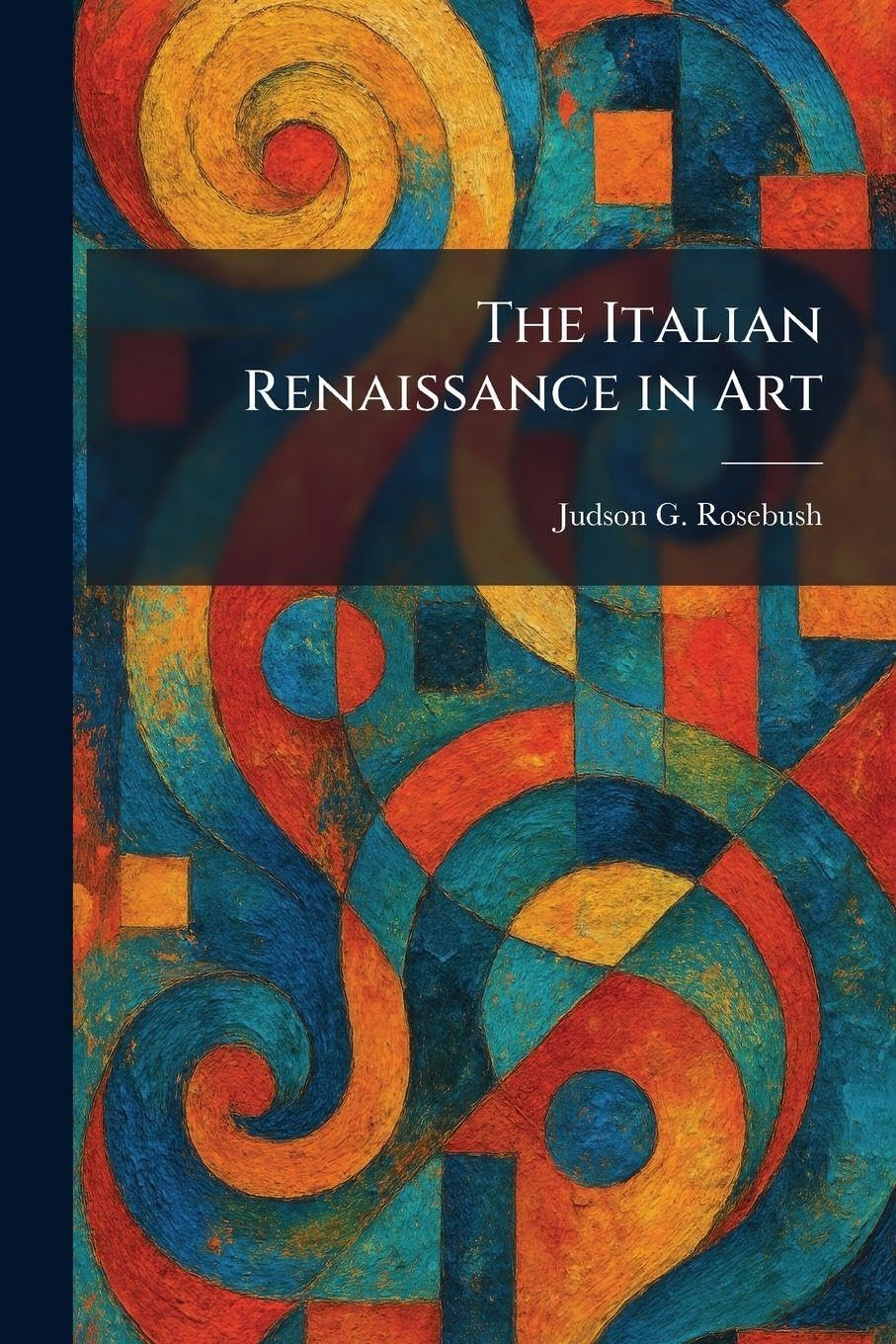
Art History
The Italian Renaissance in Art

Art History
Photovoltaic Design & Installation For Dummies | by Mayfield | ForDummies | by Mayfield | ForDummies | by Mayfield | ForDummies | by Mayfield | ForDummies | by Mayfield | ForDummies | by Mayfield | ForDummies | by Mayfield | ForDummies | by Mayfield | ForDummies | by Mayfield | ForDummies | by Mayfield | ForDummies | by Mayfield | ForDummies | by Mayfield | ForDummies | by Mayfield | ForDummies | by Mayfield | ForDummies | by Mayfield | ForDummies | by Mayfield | ForDummies | by Mayfield | ForDu
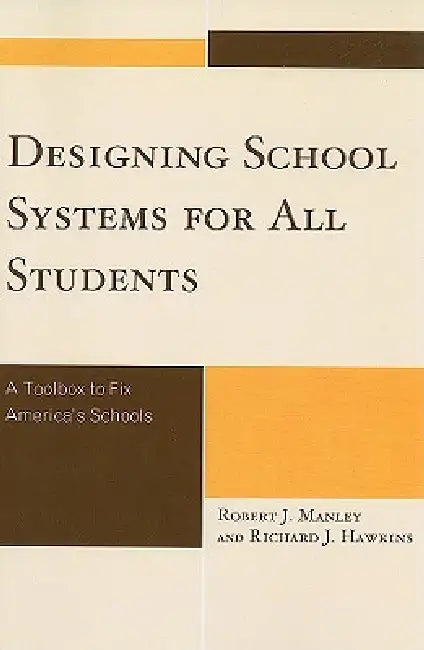
Art History
Designing School Systems for All Students (English, Robert J. Manley | Richard J. Hawkins)

Art History
Routledge Library Editions: Art and Culture in the Nineteenth Century

Art History
An Errant Design (English, S. H. Long)
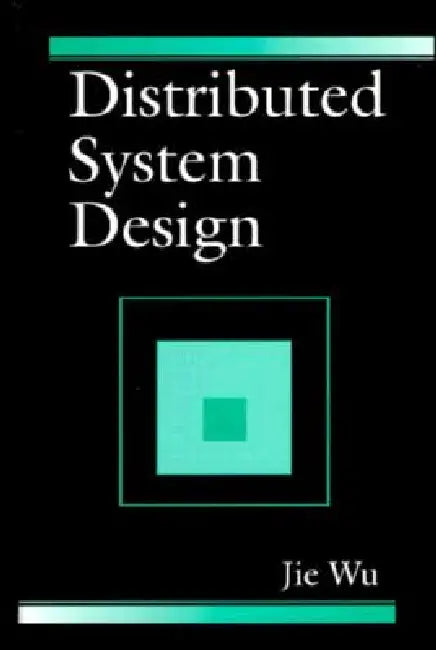
Art History
Distributed System Design | by Jie Wu | CRC Press | by Jie Wu | CRC Press | by Jie Wu | CRC Press | by Jie Wu | CRC Press | by Jie Wu | CRC Press | by Jie Wu | CRC Press | by Jie Wu | CRC Press | by Jie Wu | CRC Press | by Jie Wu | CRC Press | by Jie Wu | CRC Press | by Jie Wu | CRC Press | by Jie Wu | CRC Press | by Jie Wu | CRC Press | by Jie Wu | CRC Press | by Jie Wu | CRC Press | by Jie Wu | CRC Press | by Jie Wu | CRC Press | by Jie Wu | CRC Press | by Jie Wu | CRC Press | by Jie Wu | CRC
Related Products
View All
Music
The Cambridge Companion to Michael Tippett by Kenneth Gloag – Music Analysis
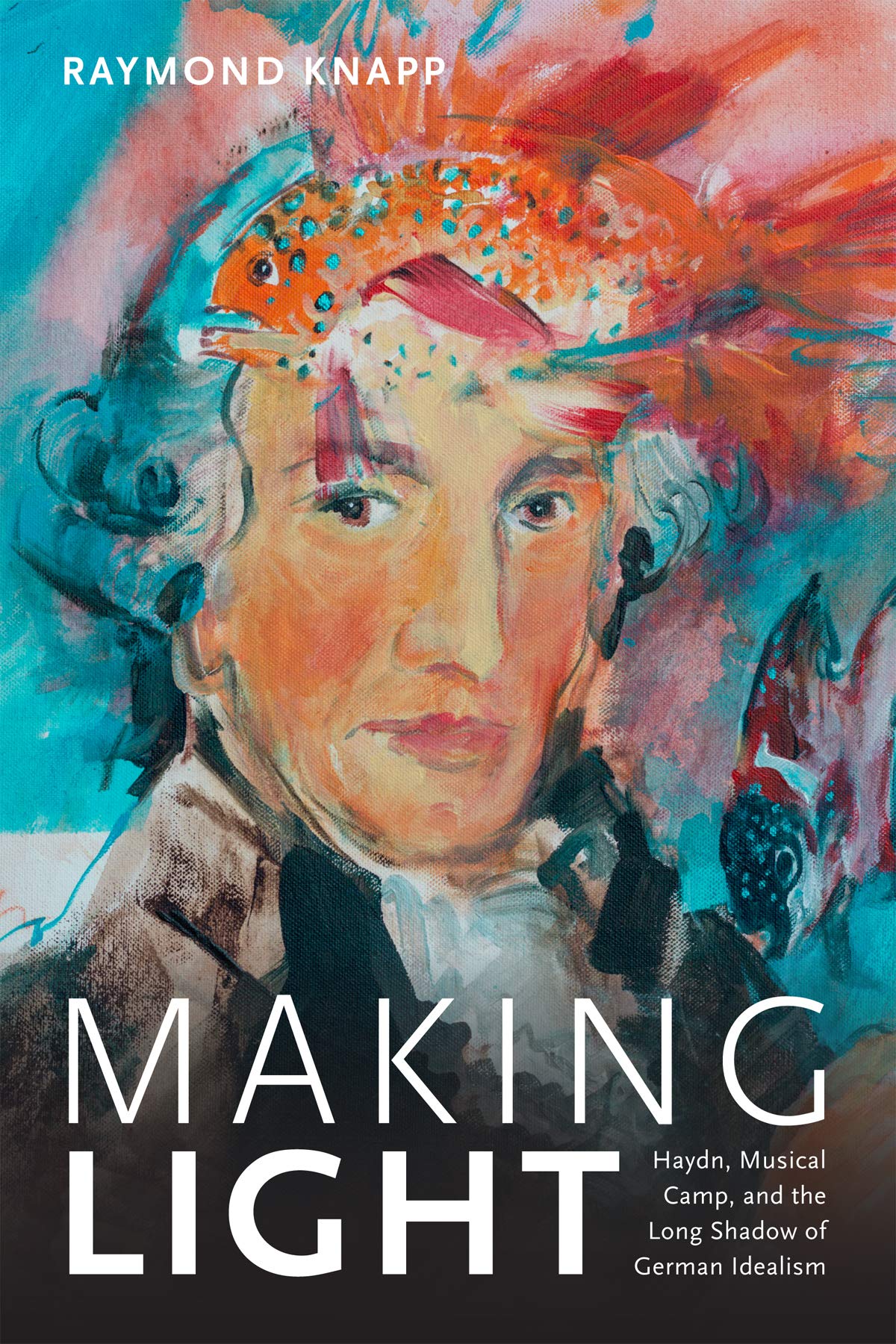
Music
Making Light: Haydn, Musical Camp, and the Long Shadow of German Idealism
Music
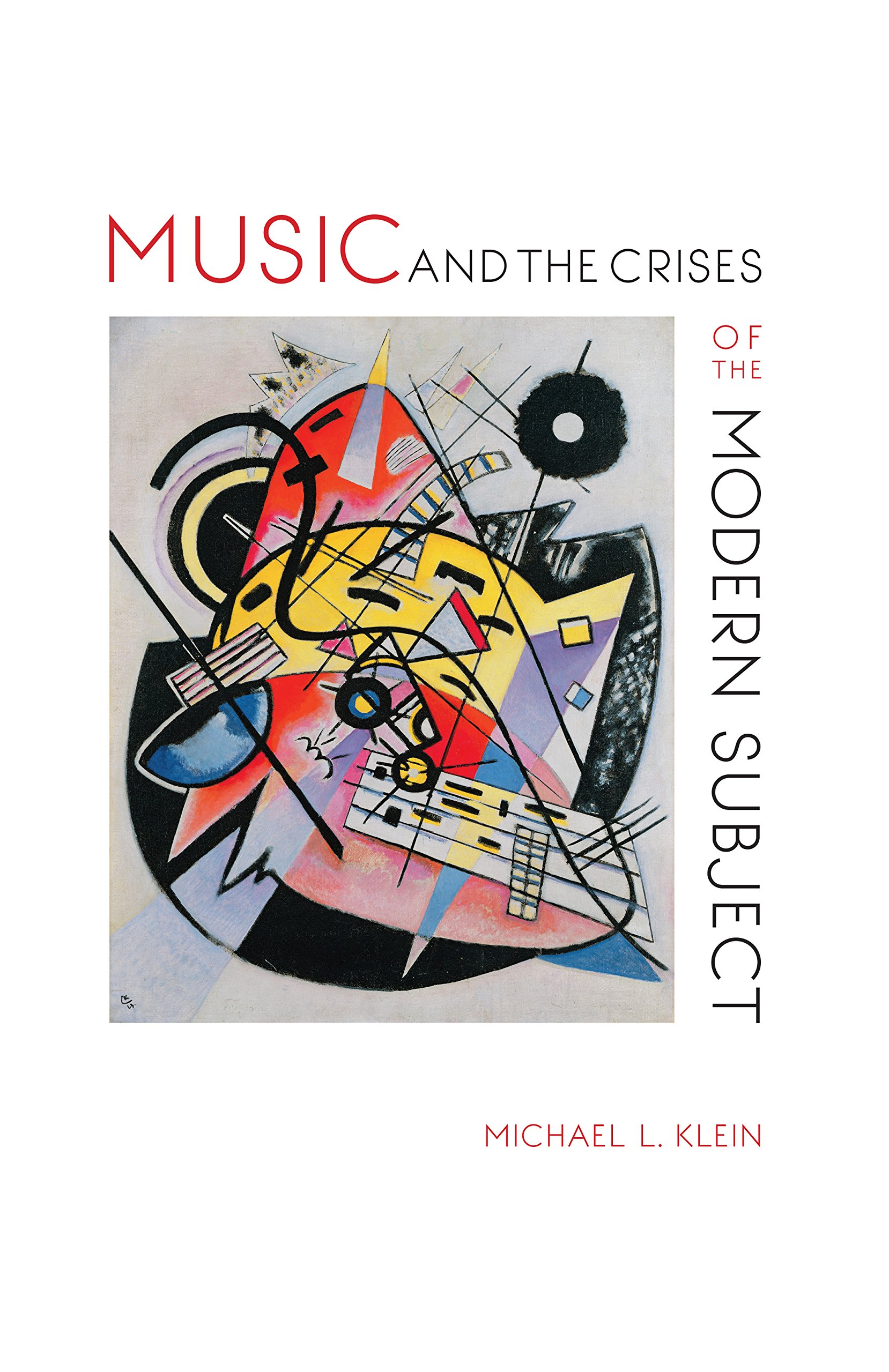
Music and the Crises of the Modern Subject by Michael L. Klein – Music Theory & Criticism
Music
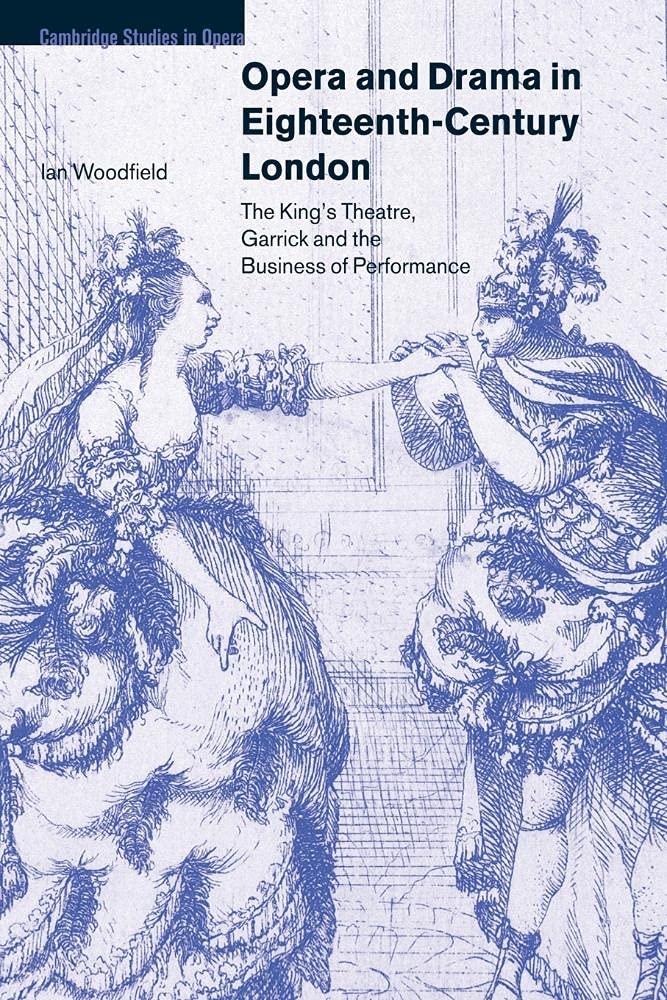
Opera and Drama in Eighteenth-Century London: The King's Theatre, Garrick and the Business of Perfor
Music
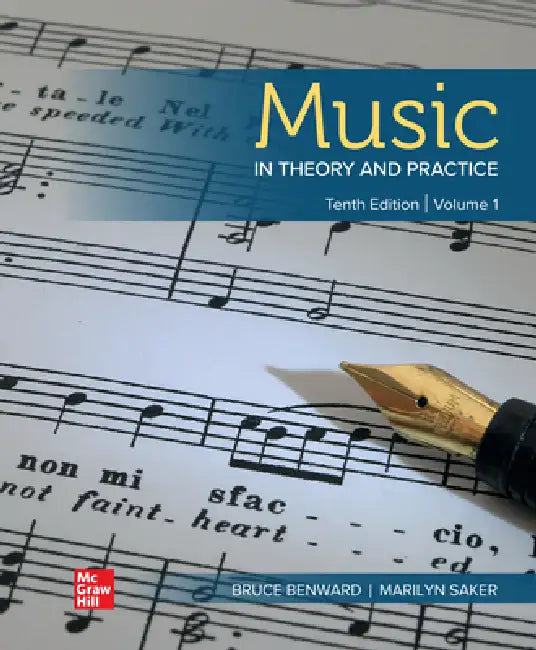
Music in Theory and Practice Volume 1 | by Bruce Benward | Marilyn Saker | McGraw-Hill Companies | by Bruce Benward | Marilyn Saker | McGraw-Hill Companies | by Bruce Benward | Marilyn Saker | McGraw-Hill Companies | by Bruce Benward | Marilyn Saker | McGraw-Hill Companies | by Bruce Benward | Marilyn Saker | McGraw-Hill Companies | by Bruce Benward | Marilyn Saker | McGraw-Hill Companies | by Bruce Benward | Marilyn Saker | McGraw-Hill Companies | by Bruce Benward | Marilyn Saker | McGraw-Hill
Music