
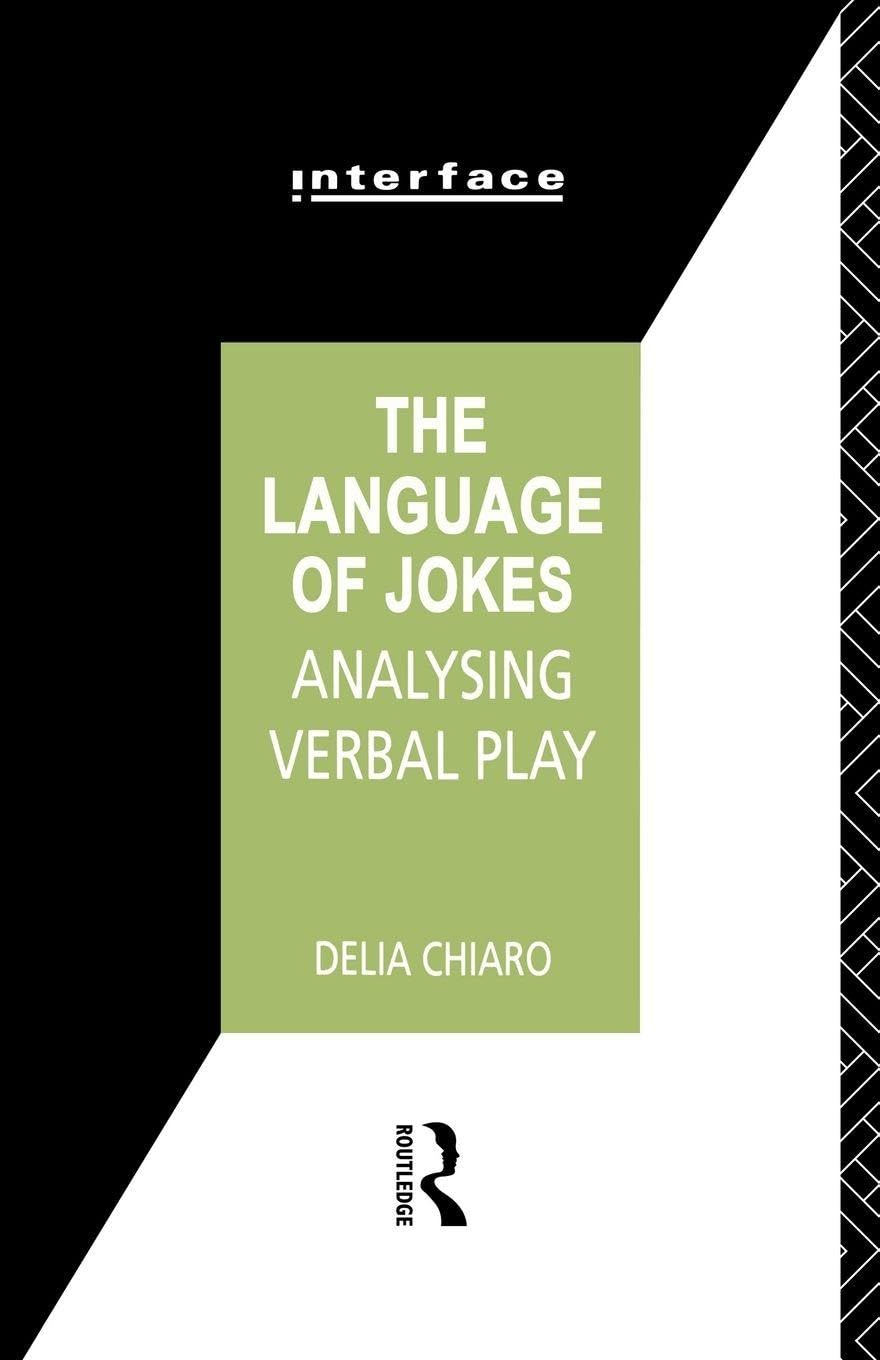
The Language of Jokes: Analyzing Verbal Play by Delia Chiaro – A Comprehensive Study of Humour Linguistics and Sociocult
Inclusive of all applicable taxes. FREE shipping on all orders.
Available Offers
- 🚚Free Delivery — Free shipping on all orders
- 💵Cash on Delivery — Pay when your order arrives
- ↩️15-Day Easy Returns — Hassle-free return policy
- 🔒Cash on Delivery — Pay safely when your order arrives
Check Delivery
Product Description
Introduction
Humor is a universal human experience, yet the mechanics of what makes something funny often remain elusive. In The Language of Jokes: Analyzing Verbal Play, Delia Chiaro takes readers on a fascinating journey into the heart of wordplay, offering a scholarly yet accessible exploration of how jokes work within the fabric of everyday conversation. This hardcover edition, published by Routledge, is an essential resource for anyone interested in the intersection of language, culture, and comedy.
Book Overview
This book is not a simple collection of punchlines; it is a rigorous linguistic analysis of verbal humor. Chiaro draws on frameworks from descriptive linguistics to dissect jokes, quips, riddles, and asides, using real-life conversations as her primary data. She examines how jokes are structured, how they conform to or deviate from linguistic conventions, and how listeners interpret them. The book emphasizes the sociocultural contexts that shape humor production and reception, making it equally relevant for students of linguistics, literature, and cultural studies in India.
Key Highlights
- Real-World Data: Based on personally recorded conversations, offering authentic insights into spontaneous humor.
- Cross-Cultural Lens: Explores both universal appeal and culture-specific humor, including examples relevant to diverse audiences.
- Linguistic Frameworks: Applies pragmatics, discourse analysis, and sociolinguistics to the study of jokes.
- Accessible Style: Written in a highly readable manner, making complex ideas understandable for students and general readers alike.
- Comprehensive Coverage: Covers puns, wordplay, riddles, and the role of the listener in co-creating humor.
Inside the Book
Chiaro begins by defining the boundaries of verbal play, then moves into the structural properties of jokes. She discusses the concept of 'tellability'—what makes a joke worth telling—and the interpretative role of the listener. The book delves into the creative use of puns and wordplay, examining how linguistic ambiguity generates laughter. Each chapter is rich with examples from everyday speech, demonstrating how humor operates in real social interactions rather than in artificial contexts.
Key Topics
- The pragmatics of wordplay and joke structure
- Conformity and deviation in linguistic conventions
- The sociocultural contexts of humor production
- Puns, riddles, and creative discourse strategies
- Universality versus cultural specificity in jokes
- The listener's role in interpreting and appreciating humor
Reader Benefits
By reading this book, you will gain a deeper understanding of the cognitive and social processes behind humor. You will learn to analyze jokes not just as entertainment, but as sophisticated linguistic artifacts. For Indian students and scholars, the cross-cultural perspective is particularly valuable, as it helps navigate humor in multilingual and multicultural settings. This book also enhances critical thinking and communication skills, making it a practical addition to any academic or personal library.
Learning Outcomes
- Understand the structural and pragmatic components of verbal humor
- Analyze jokes using linguistic frameworks such as pragmatics and discourse analysis
- Identify cultural influences on humor and joke-telling
- Evaluate the role of the listener in the success of a joke
- Apply insights to your own use of language in creative and professional contexts
Who Should Read
This book is ideal for students and researchers in linguistics, literature, communication studies, and cultural studies. It is also a rewarding read for language teachers, writers, comedians, and anyone curious about the science behind laughter. Indian readers with an interest in the diversity of humor across languages and regions will find it especially enlightening.
About the Author
Delia Chiaro is a renowned scholar in the field of linguistics, with a special focus on pragmatics, humor studies, and cross-cultural communication. She has published extensively on verbal play and is known for her engaging, research-backed approach to analyzing everyday language. Her work has influenced both academic discourse and popular understanding of humor.
About the Publisher
Routledge is a leading global academic publisher, known for producing authoritative texts in the humanities and social sciences. With a commitment to rigorous scholarship and accessible writing, Routledge books are trusted by students and academics worldwide. This hardcover edition is built to last, making it a valuable addition to any serious reader's collection.
Conclusion
The Language of Jokes: Analyzing Verbal Play is more than a book about humor—it is a key to unlocking the linguistic and cultural codes that make us laugh. Whether you are a student, a teacher, or a lifelong learner, Delia Chiaro's work will transform the way you hear and tell jokes. Order your copy from Bookshops.in today and discover the science behind the smile.
Quick Summary
The Language of Jokes: Analyzing Verbal Play by Delia Chiaro is a seminal work in the linguistics of humour. Using frameworks from descriptive linguistics, Chiaro dissects jokes, quips, riddles and asides drawn from her own recorded conversations. The book explores how verbal humour conforms to or breaks linguistic conventions, the 'tellability' of jokes, and the active role of the listener in interpretation. Special attention is given to creative wordplay such as puns, and the sociocultural contexts that shape humour production and reception. Chiaro also examines the tension between universal humour elements and culture-specific joke forms, making the book relevant for Indian readers interested in cross-cultural communication. This hardcover edition from Routledge is ideal for students of linguistics, literature, and cultural studies, as well as anyone curious about the mechanics of laughter. By buying from Bookshops.in, Indian readers get a trusted source for academic texts with reliable delivery and competitive pricing.
Book Highlights
Book Specifications
| ISBN-13 | 9780415030908 |
| ISBN-10 | 0415030900 |
| Publisher | Routledge |
| Language | English |
| Dimensions | 13.79 x 0.81 x 21.59 cm |
| Weight | 204 g |
| Country | India |
| Category | Humanities › Language & Linguistics |
| Genre | Non-fiction |
| Original Language | English |
Frequently Asked Questions
What is The Language of Jokes about?
Who is the author Delia Chiaro?
Is this book suitable for Indian students?
What academic level is this book?
Does the book include examples from Indian languages?
How is this book different from other humour studies?
What will I learn about joke structure?
Is there a focus on cultural humour?
Can I use this book for research?
Does the book cover puns?
Is it a hardcover edition?
Where can I buy this book in India?
What is the price in INR?
Readers Also Search For
Customers Also Bought
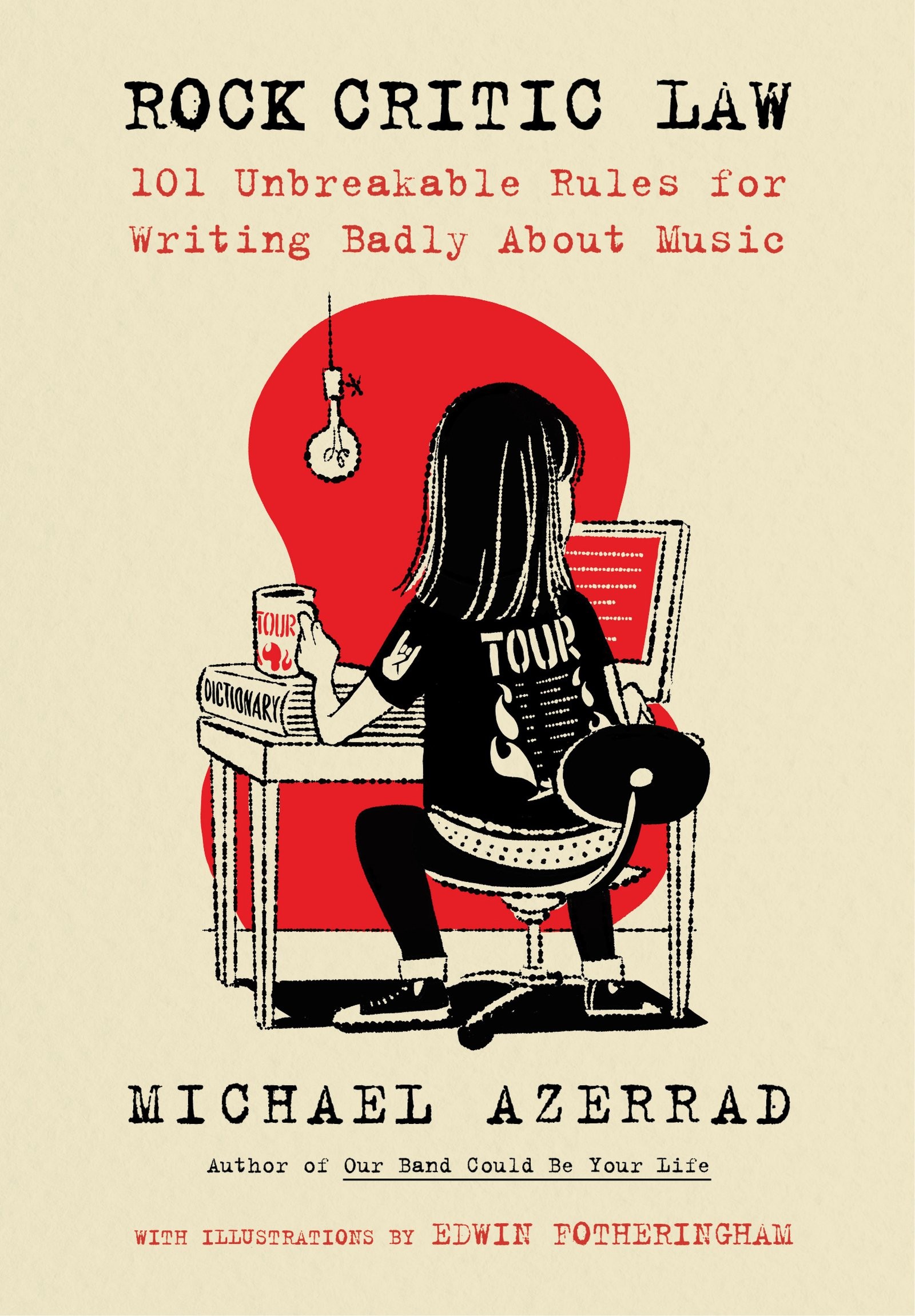
Journalism
Rock Critic Law (English, Michael Azerrad)
Journalism
What Is Sustainable Journalism?: Integrating the Environmental, Social, and Economic Challenges of Journalism
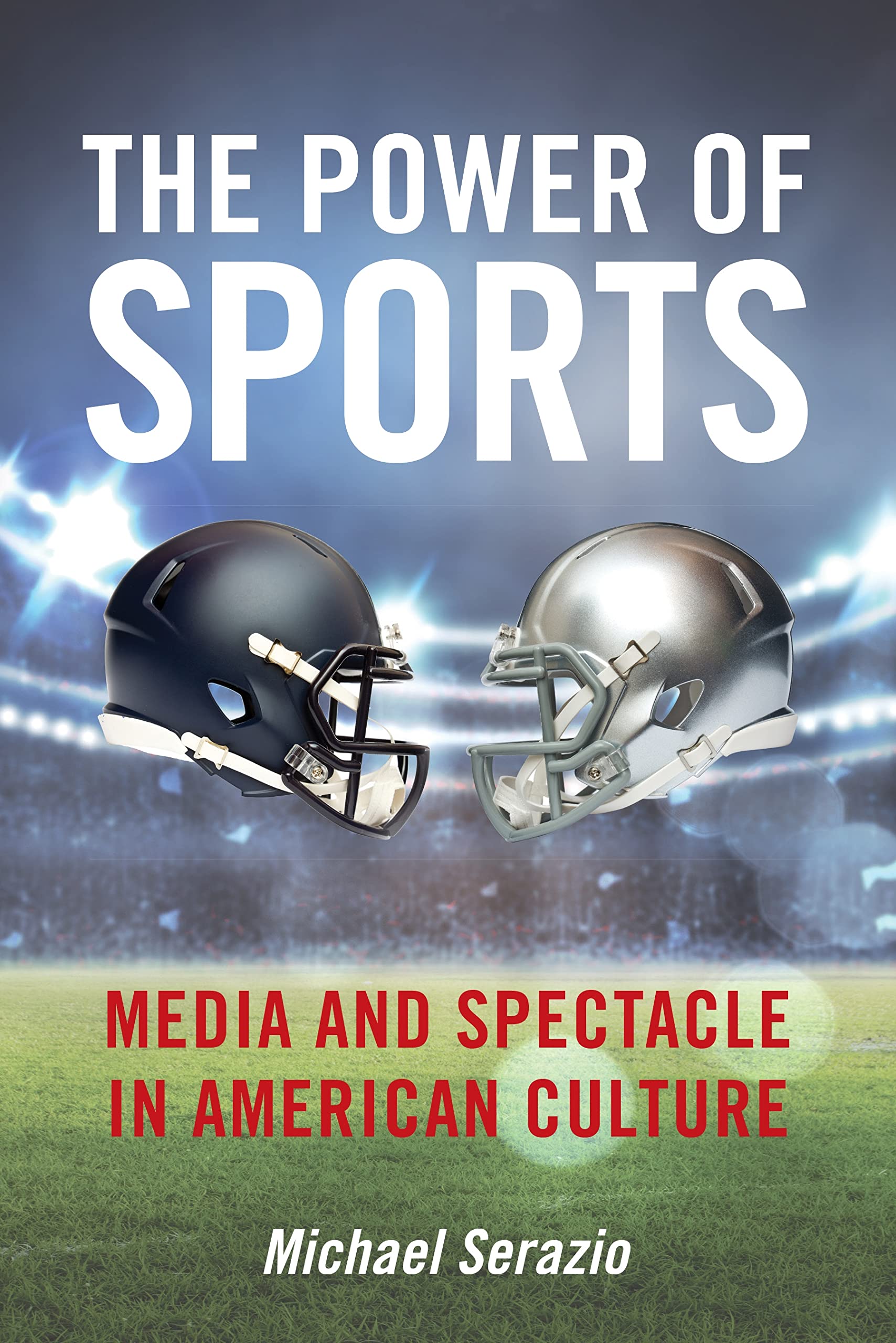
Journalism
The Power of Sports: Media and Spectacle in American Culture: 23 (Postmillennial Pop)
Journalism
Research Guide to People's Daily Editorials, 1949-1975
Vocabulary
Prince Edward Island Sayings (Heritage)
Vocabulary
Grammar Survival for Primary Teachers: A Practical Toolkit by Jo Shackleton
Related Products
View All
Language, Linguistics & Writing
The Language of Turn and Sequence | by Cecilia E. Ford | Barbara A. Fox | Sandra A. Thompson | Oxford University Press | by Cecilia E. Ford | Barbara A. Fox | Sandra A. Thompson | Oxford University Press | by Cecilia E. Ford | Barbara A. Fox | Sandra A. Thompson | Oxford University Press | by Cecilia E. Ford | Barbara A. Fox | Sandra A. Thompson | Oxford University Press | by Cecilia E. Ford | Barbara A. Fox | Sandra A. Thompson | Oxford University Press | by Cecilia E. Ford | Barbara A. Fox | S
Language, Linguistics & Writing
Handbook of Color Psychology by Andrew J. Elliot
Language, Linguistics & Writing
The Language of Postcolonial Literatures (English, Ismail S. Talib)
Language, Linguistics & Writing
The Other Side of Language | by Gemma Corradi Fiumara | Routledge | by Gemma Corradi Fiumara | Routledge | by Gemma Corradi Fiumara | Routledge | by Gemma Corradi Fiumara | Routledge | by Gemma Corradi Fiumara | Routledge | by Gemma Corradi Fiumara | Routledge | by Gemma Corradi Fiumara | Routledge | by Gemma Corradi Fiumara | Routledge | by Gemma Corradi Fiumara | Routledge | by Gemma Corradi Fiumara | Routledge | by Gemma Corradi Fiumara | Routledge | by Gemma Corradi Fiumara | Routledge | by
Language, Linguistics & Writing
An Introduction to Cognitive Linguistics | by Friedrich Ungerer | Hans-Jorg Schmid | Routledge | by Friedrich Ungerer | Hans-Jorg Schmid | Routledge | by Friedrich Ungerer | Hans-Jorg Schmid | Routledge | by Friedrich Ungerer | Hans-Jorg Schmid | Routledge | by Friedrich Ungerer | Hans-Jorg Schmid | Routledge | by Friedrich Ungerer | Hans-Jorg Schmid | Routledge | by Friedrich Ungerer | Hans-Jorg Schmid | Routledge | by Friedrich Ungerer | Hans-Jorg Schmid | Routledge | by Friedrich Ungerer | Ha
Language, Linguistics & Writing