
Economics
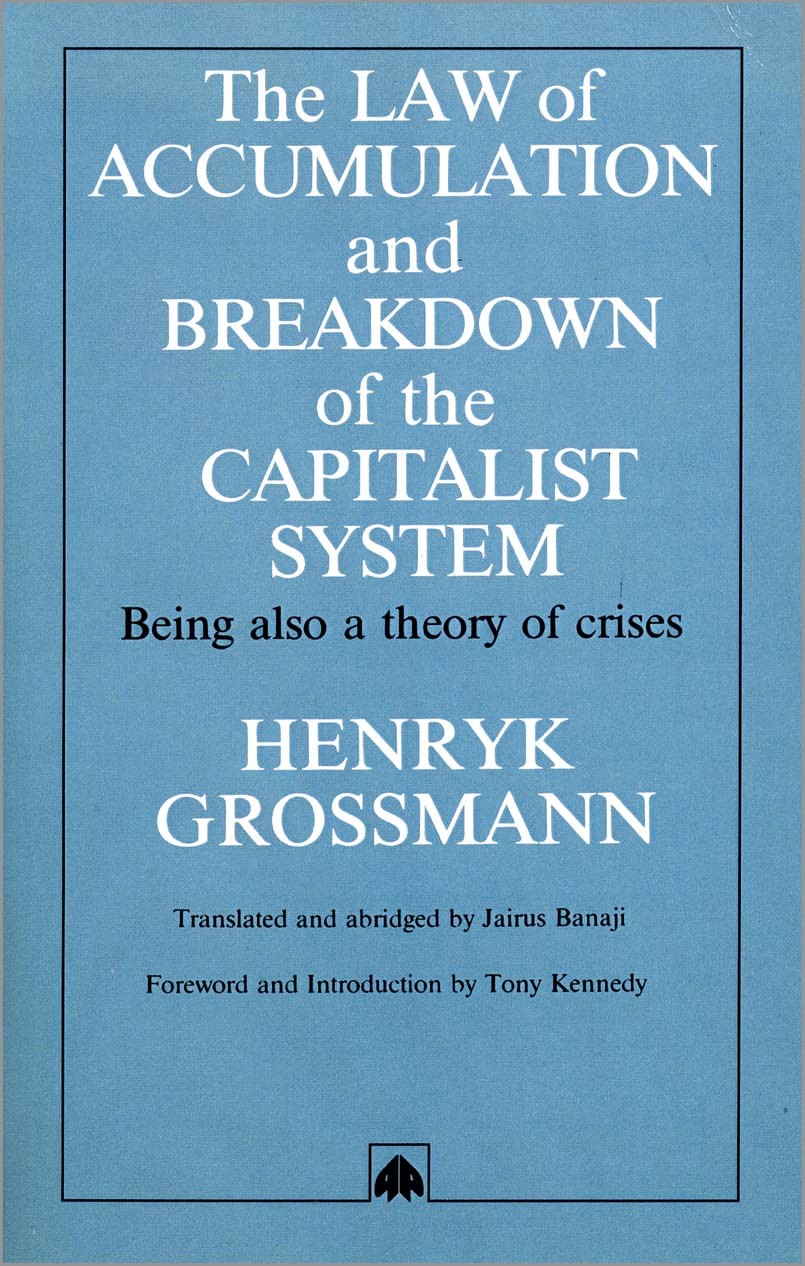
The Law of Accumulation and Breakdown of the Capitalist System (English, Henryk Grossmann | Jairus Banaji | Tony Kennedy)
₹3,429
Inclusive of all applicable taxes. FREE shipping on all orders.
Quantity:
1
Free DeliveryOn every order
15-Day ReturnEasy returns
Genuine BookPhysical copy only
Available Offers
- 🚚Free Delivery — Free shipping on all orders
- 💵Cash on Delivery — Pay when your order arrives
- ↩️15-Day Easy Returns — Hassle-free return policy
- 🔒Cash on Delivery — Pay safely when your order arrives
Check Delivery
Product Description
This popular illustrated history explores the dramatic highs and lows of Wall Street and its development through the 19th century.
Product description Review 'First published in German in 1929, this is essential reading for anyone with an interest in the development of Marxian economic theory.' --Science About the Author Douglas Dowd is a widely respected academic and political activist. He has taught at Cornell University, Johns Hopkins University, University of California, Berkeley, and San Jose State University and is currently teaching at the University of Modena in Italy. He is the author of Capitalism and its Economics (Pluto, 2004). Excerpt. © Reprinted by permission. All rights reserved. The Law of Accumulation and Breakdown of the Capitalist SystemBeing also a Theory of CrisesBy Henryk Grossmann, Jairus BanajiPluto PressCopyright © 1992 Pluto PressAll rights reserved.ISBN: 978-0-7453-0459-5ContentsForeword TONY KENNEDY, ix, Henryk Grossmann and the Theory of Capitalist Collapse TONY KENNEDY, 1, Introduction by Henryk Grossmann, 29, 1 The Downfall of Capitalism in the Existing Literature, 35, 2 The Law of Capitalist Breakdown, 3 Modifying Countertendencies, Bibliography, 202, Index, 206, CHAPTER 1The Downfall of Capitalism in the Existing LiteratureThe point at issueAlready prior to Marx certain representatives of political economy had a clear presentiment of the historically ephemeral character of the bourgeois mode of production. Jean C L Simonde de Sismondi was the first to uphold it against David Ricardo. He argued that in the course of time every mode of production becomes 'intolerable' and 'the social order, continually threatened, can only be maintained by force' (cited Grossmann, 1924, pp. 63–4). However, in terms of capitalism, this conclusion was based not on an economic analysis of its mode of production but purely on historical analogies. Therefore Marx was right to say that:at the bottom of his [Sismondi's] argument is indeed the inkling that new forms of the appropriation of wealth must correspond to productive forces and the material and social conditions for the production of wealth which have developed within capitalist society; that the bourgeois forms are only transitory and contradictory forms. (1972, p. 56)A quarter of a century after Sismondi, Richard Jones developed the same insights when he described capitalism 'as a transitional phase in the development of social production' (cited Marx, 1972, p. 428). But like Sismondi, Jones gained his insight into the historically transitory character of capitalism through a mainly historical-comparative analysis of successive forms of economy.The development of the productive power of social labour is the driving force of historical evolution. When the earliest modes of production proved unable to develop the productive forces of society any further, they were bound to disintegrate:Hence the necessity for the separation, for the rupture, for the antithesis of labour and property (by which property in the conditions of production is to be understood). The most extreme form of this rupture, and the one in which the productive forces of social labour are also most powerfully developed, is capital. (Marx, 1972, p. 423)Elsewhere Marx writes:It is one of the civilising aspects of capital that it enforces this surplus-labour in a manner and under conditions which are more advantageous to the development of the productive forces, social relations and the creation of the elements for a new and higher form than under the preceding forms of slavery, serfdom, etc. (1959, p. 819)At a certain point in its historical development capitalism fails to encourage the expansion of the productive forces any further. From this point on the downfall of capitalism becomes economically inevitable. To provide an exact description of this process and to grasp its causes through a scientific analysis of capitalism was the real task Marx posed for himself in Capital. His scientific advance over Sismondi and Jones consisted precisely in this. But how did Marx carry through this analysis? He says, at a certain stage: The monopoly of capital becomes a fetter upon the mode of productionwhich has flourished alongside with and under it. Centralisation of the means of production and the socialisation of labour at last reach a point where they become incompatible with their capitalist integument. This integument is burst asunder. The knell of capitalist private property sounds. (1954, p. 715)Marx refers to an antagonism between the productive forces and their capitalist shell. What is this, however? There is nothing more erroneous than the prevalent identification of the development of productive forces with the growth of c in relation to v. This simply confuses the capitalist shell in which human productivity obtains a form of appearance with the essence of that productivity itself. The development of productivity has in itself nothing to do with the capitalist valorisation process which, as a process of formation of values, has its roots in abstract human labour. The antagonism that Marx refers to is
Book Specifications
| ISBN-13 | 9780745304595 |
| ISBN-10 | 0745304591 |
| Publisher | Pluto Pr |
| Language | English |
| Dimensions | 13.97 x 1.42 x 21.59 cm |
| Weight | 272 g |
| Country | India |
| Category | Economics › Economic Theory |
Frequently Asked Questions
What is the price of The Law of Accumulation and Breakdown of the Capitalist System?
The Law of Accumulation and Breakdown of the Capitalist System is available at ₹3,429 on BookShops.in.
Does BookShops.in offer free delivery for The Law of Accumulation and Breakdown of the Capitalist System?
FREE delivery on all orders for The Law of Accumulation and Breakdown of the Capitalist System.
Is Cash on Delivery available for The Law of Accumulation and Breakdown of the Capitalist System?
Yes, Cash on Delivery (COD) is available for The Law of Accumulation and Breakdown of the Capitalist System on BookShops.in. Pay when your order arrives.
What is the return policy for The Law of Accumulation and Breakdown of the Capitalist System?
BookShops.in offers a 15-day hassle-free return policy for The Law of Accumulation and Breakdown of the Capitalist System. Contact us at [email protected] or call +91 81899 68108.
Is The Law of Accumulation and Breakdown of the Capitalist System authentic?
The Law of Accumulation and Breakdown of the Capitalist System is listed on BookShops.in after verification of product details including ISBN, title, and availability information.
Customers Also Bought

Entrepreneurship
Chinese Economic Revolution (English, Linda Grove)
₹5,020
Entrepreneurship
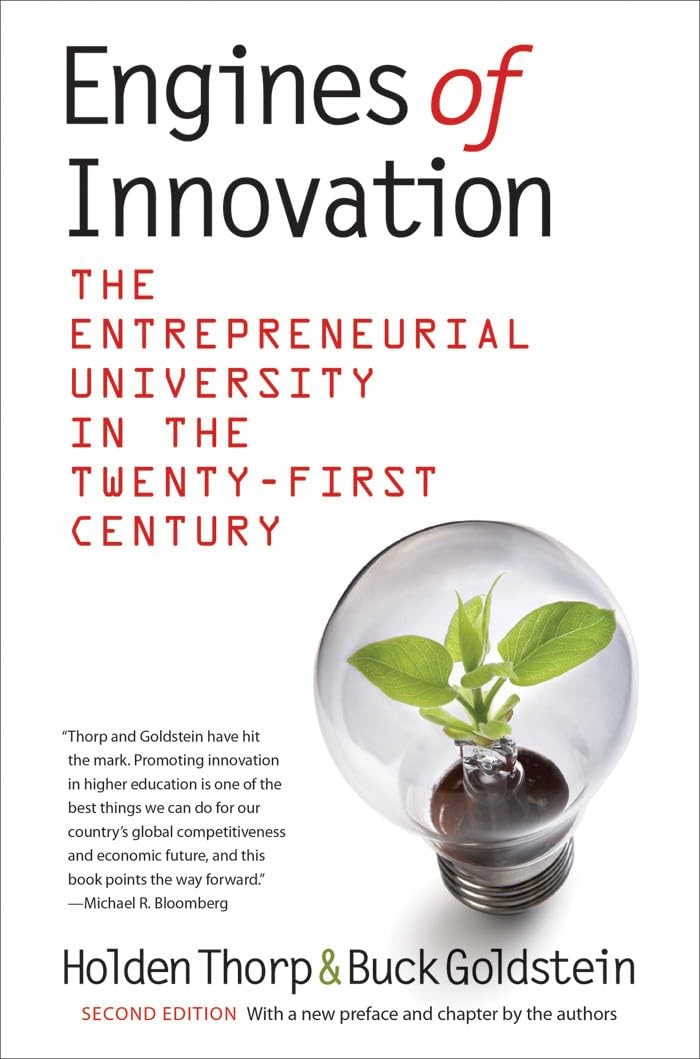
Engines of Innovation: The Entrepreneurial University in the Twenty-First Century by Holden Thorp
₹2,491

Entrepreneurship
Invention to Innovation (English, PhD Marshall Larry | Jenna Daroczy)
₹2,842

Entrepreneurship
Database Management Systems by Raghu Ramakrishnan – DBMS Textbook
₹5,491

Entrepreneurship
Decision-making for Technology Executives by Harold A. Linstone
₹5,577

Entrepreneurship
The Business Innovation Audit (English, William Tate)
₹4,992
Related Products
View All
Economics
Political Economy from Pufendorf to Marx (English, István Hont | Lasse S. Andersen | Béla Kapossy)
₹2,920
Economics
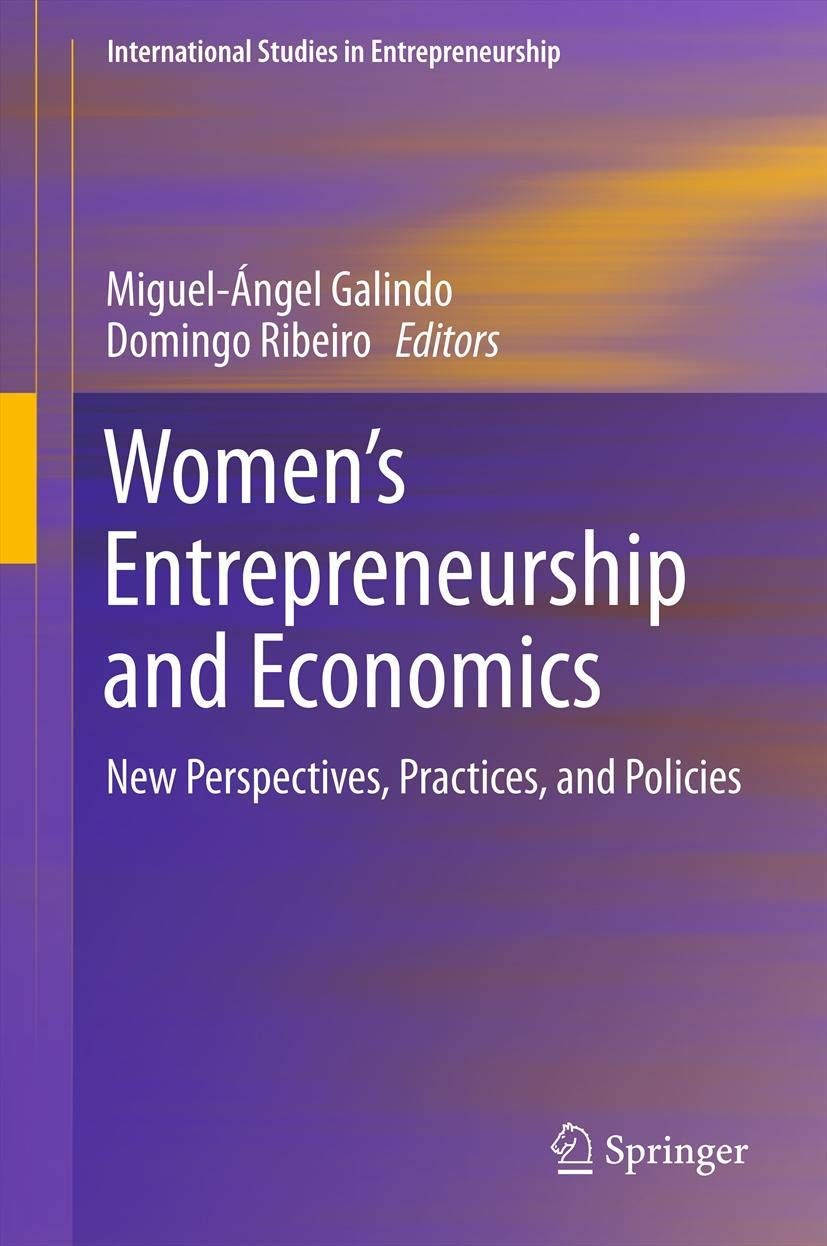
Women's Entrepreneurship and Economics (English, Miguel-Angel Galindo | Domingo Ribeiro)
₹5,163
Economics
Trade Policy and Industrialization in Turbulent Times | by Gerry Helleiner | Routledge | by Gerry Helleiner | Routledge | by Gerry Helleiner | Routledge | by Gerry Helleiner | Routledge | by Gerry Helleiner | Routledge | by Gerry Helleiner | Routledge | by Gerry Helleiner | Routledge | by Gerry Helleiner | Routledge | by Gerry Helleiner | Routledge | by Gerry Helleiner | Routledge | by Gerry Helleiner | Routledge | by Gerry Helleiner | Routledge | by Gerry Helleiner | Routledge | by Gerry Hellei
₹4,305
Economics
History of Economic Analysis | by Schumpeter Joseph A. | Taylor & Francis Ltd | by Schumpeter Joseph A. | Taylor & Francis Ltd | by Schumpeter Joseph A. | Taylor & Francis Ltd | by Schumpeter Joseph A. | Taylor & Francis Ltd | by Schumpeter Joseph A. | Taylor & Francis Ltd | by Schumpeter Joseph A. | Taylor & Francis Ltd | by Schumpeter Joseph A. | Taylor & Francis Ltd | by Schumpeter Joseph A. | Taylor & Francis Ltd | by Schumpeter Joseph A. | Taylor & Franci
₹5,158

Economics
OECD Compendium of Productivity Indicators 2015 | by Organization for Economic Cooperation an | Organization for Economic Co-Operation & Deve | by Organization for Economic Cooperation an | Organization for Economic Co-Operation & Deve | by Organization for Economic Cooperation an | Organization for Economic Co-Operation & Deve | by Organization for Economic Cooperation an | Organization for Economic Co-Operation & Deve | by Organization for Economic Cooperation an | Organization
₹3,202

Economics
The Hacker's Handbook: The Strategy Behind Breaking into and Defending Networks by Susan Young
₹5,554