
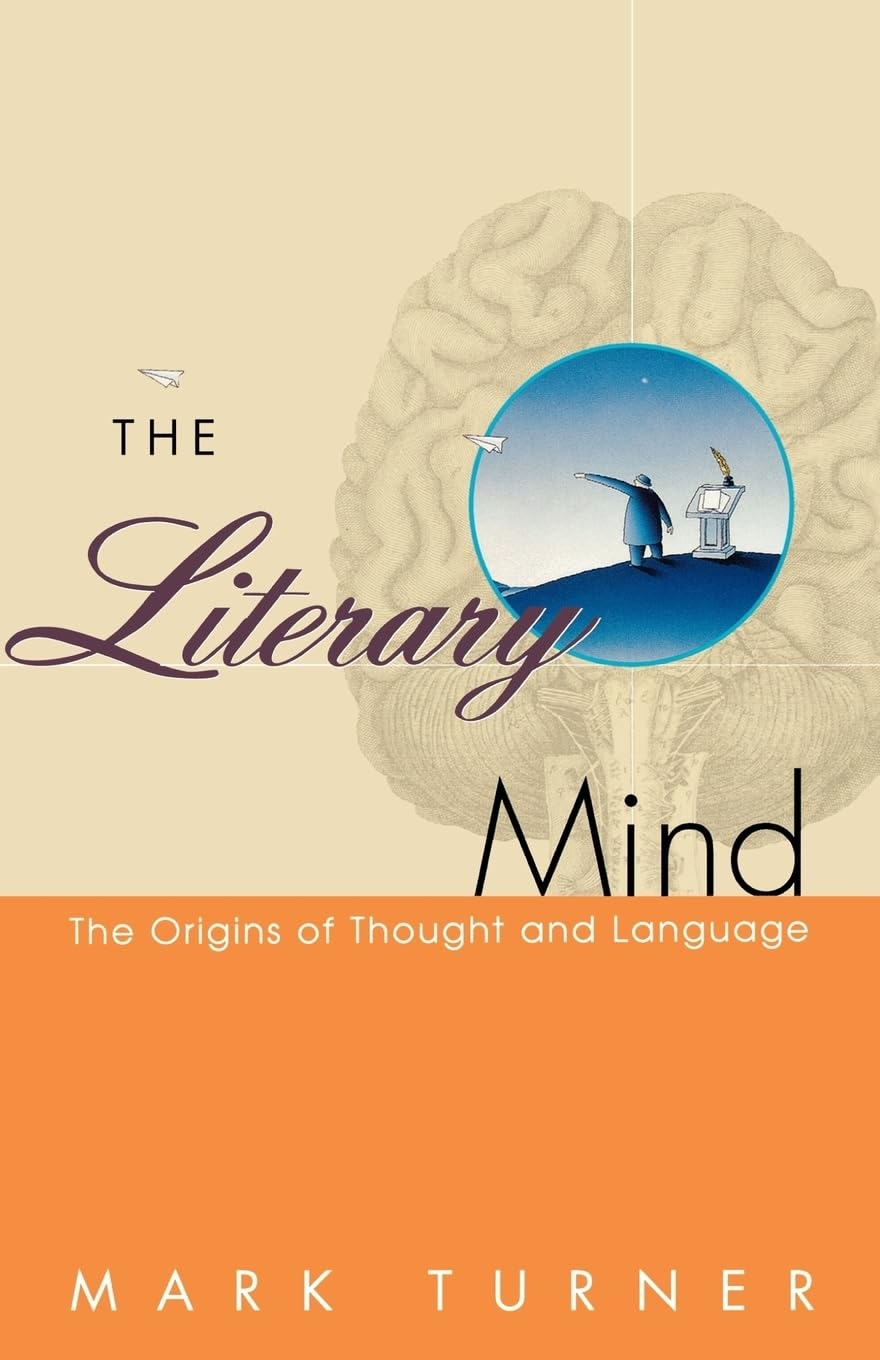
The Literary Mind: The Origins of Thought and Language by Mark Turner – A Groundwork in Cognitive Science and Literary T
Inclusive of all applicable taxes. FREE shipping on all orders.
Available Offers
- 🚚Free Delivery — Free shipping on all orders
- 💵Cash on Delivery — Pay when your order arrives
- ↩️15-Day Easy Returns — Hassle-free return policy
- 🔒Cash on Delivery — Pay safely when your order arrives
Check Delivery
Product Description
Introduction
For generations, we have been taught to believe that literary thinking—the art of storytelling, metaphor, and parable—is a decorative luxury, a pastime for poets and dreamers. But what if this assumption is fundamentally wrong? In The Literary Mind: The Origins of Thought and Language, renowned cognitive scientist Mark Turner presents a radical and compelling argument: that the literary mind is not a peripheral activity but the very foundation of human thought and language. This book, published by Oxford University Press, is a must-read for anyone curious about how our minds create meaning, reason, and communicate.
Book Overview
Mark Turner challenges the conventional wisdom that separates literary imagination from everyday cognition. Through a rigorous blend of cognitive science, linguistics, and literary analysis, he demonstrates that story and parable are not merely entertaining diversions but essential tools for survival. Turner argues that our ability to project simple narratives onto new situations—what he calls 'parable'—is the basic mechanism of everyday reason. From understanding a friend's dilemma to grasping complex scientific concepts, we rely on the same mental processes that produce myths, fables, and novels. This book offers a revolutionary perspective on the origins of thought, language, and even consciousness itself.
Key Highlights
- Groundbreaking Thesis: Argues that literary thinking is the foundation of all cognition, not a specialized skill.
- Interdisciplinary Approach: Bridges cognitive science, linguistics, anthropology, and literary theory.
- Clear Examples: Uses familiar stories like Aesop's Fables and The Thousand and One Nights to illustrate complex ideas.
- Practical Implications: Shows how parable and narrative shape our everyday reasoning, decision-making, and communication.
- Authoritative Source: Written by a leading scholar and published by Oxford University Press, ensuring academic rigor and accessibility.
Story Themes
At the heart of this book is the theme that human beings are fundamentally storytellers. Turner explores how narrative structure—with its characters, actions, goals, and outcomes—provides the template for all thought. Parable, the projection of one story onto another, enables us to understand new experiences by relating them to familiar ones. The book also examines themes of creativity, metaphor, and the evolution of language, arguing that our literary capacities are not recent cultural inventions but deep biological inheritances. Turner shows that even the most abstract reasoning—in mathematics, science, or philosophy—is grounded in the same narrative logic that drives myths and parables.
Reader Benefits
By reading The Literary Mind, you will gain a profound understanding of how your own mind works. You will learn to recognize the narrative patterns that underlie your thoughts, decisions, and conversations. This book will enhance your appreciation for literature, not as an escape from reality, but as a window into the very structure of human cognition. Students of psychology, linguistics, literature, and philosophy will find invaluable insights that bridge these disciplines. For writers and educators, Turner's framework offers practical tools for crafting more effective stories and explanations. Most importantly, you will never again dismiss a 'simple story' as trivial—you will see it as a key to unlocking the mysteries of the human mind.
Who Should Read
- Students and Scholars of cognitive science, linguistics, literature, and philosophy seeking a foundational text.
- Writers and Journalists who want to understand the cognitive power of narrative and metaphor.
- Educators and Teachers looking to incorporate cognitive insights into their teaching methods.
- General Readers curious about the origins of thought, language, and creativity.
- Indian Readers interested in how ancient storytelling traditions—from the Panchatantra to the Jataka tales—reflect universal cognitive principles.
About the Author
Mark Turner is a distinguished cognitive scientist and professor of cognitive science, English, and linguistics at Case Western Reserve University. He is a pioneering figure in the field of cognitive poetics and has authored several influential books, including Reading Minds and The Cognitive Neuroscience of Literary Reading. Turner's work has reshaped our understanding of how the mind creates meaning, and he is widely regarded for his ability to make complex ideas accessible to a broad audience.
About the Publisher
Oxford University Press (OUP) is the world's largest university press, with a rich history of publishing authoritative works in academic and general interest fields. Known for its rigorous editorial standards and commitment to excellence, OUP has been a trusted name in scholarly publishing for over five centuries. This edition of The Literary Mind is a high-quality hardcover, printed on acid-free paper, ensuring durability for years of reading and reference.
Conclusion
The Literary Mind: The Origins of Thought and Language is not just a book—it is a paradigm shift. Mark Turner's compelling argument that story and parable are the bedrock of human cognition will change the way you think about thinking itself. Whether you are a student, a writer, or simply a curious reader, this book offers a transformative journey into the very origins of your mind. Add this essential hardcover to your collection today and discover the literary roots of every thought you have.
Quick Summary
The Literary Mind: The Origins of Thought and Language by Mark Turner is a groundbreaking work that redefines the role of literary thinking in human cognition. Turner argues that story and parable are not mere entertainments but the very foundation of how we think, reason, and use language. Drawing on examples from Aesop's Fables to The Thousand and One Nights, he demonstrates how narrative structures shape our understanding of the world. This book is ideal for Indian students and scholars of cognitive science, linguistics, literature, and psychology, as well as anyone curious about the deep connections between storytelling and the mind. Readers will learn how conceptual blending and parable projection underlie creativity, problem-solving, and everyday reasoning. By purchasing from Bookshops.in, you get a premium Oxford University Press hardcover delivered across India, supporting a trusted local bookstore that values academic excellence.
Book Highlights
Book Specifications
| ISBN-13 | 9780195126679 |
| ISBN-10 | 019512667X |
| Publisher | Oxford Univ Pr on Demand |
| Language | English |
| Dimensions | 13.97 x 1.52 x 21.34 cm |
| Weight | 181 g |
| Country | India |
| Category | Language, Linguistics & Writing › Linguistics |
| Genre | Non-fiction |
| Reading Age | Adult |
| Original Language | English |
Frequently Asked Questions
What is The Literary Mind about?
Who is Mark Turner?
Is this book suitable for beginners?
What disciplines does this book cover?
Does the book use examples from Indian literature?
How does this book differ from standard cognitive science texts?
Is this a textbook or a popular science book?
Can I use this book for a university course?
What is the price in India?
Is the book available in hardcover?
Why is this book important for Indian readers?
Does it discuss artificial intelligence?
What is the ISBN?
Readers Also Search For
Customers Also Bought
Journalism
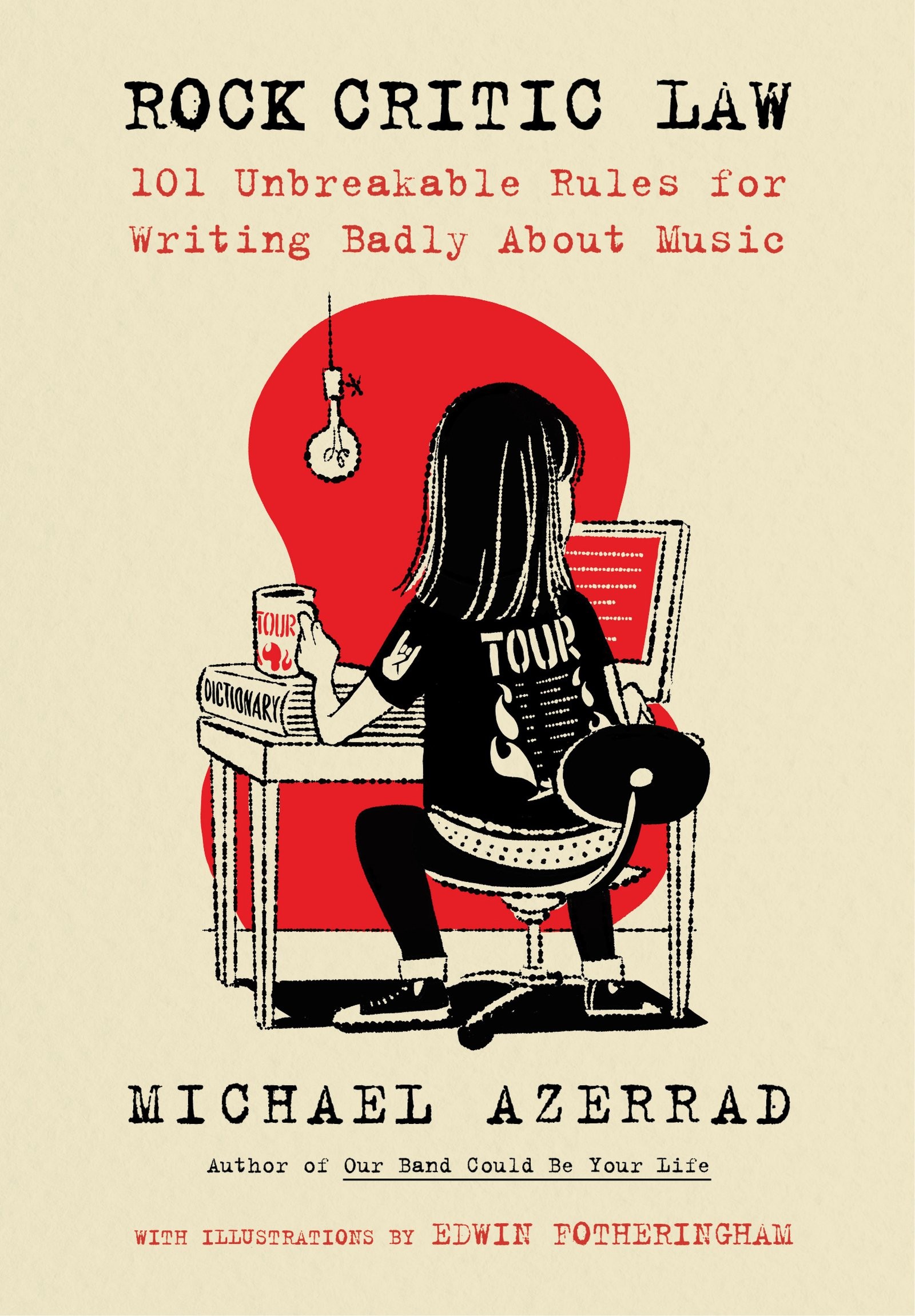
Rock Critic Law (English, Michael Azerrad)
Journalism
What Is Sustainable Journalism?: Integrating the Environmental, Social, and Economic Challenges of Journalism

Journalism
The Power of Sports: Media and Spectacle in American Culture: 23 (Postmillennial Pop)

Journalism
Research Guide to People's Daily Editorials, 1949-1975
Vocabulary
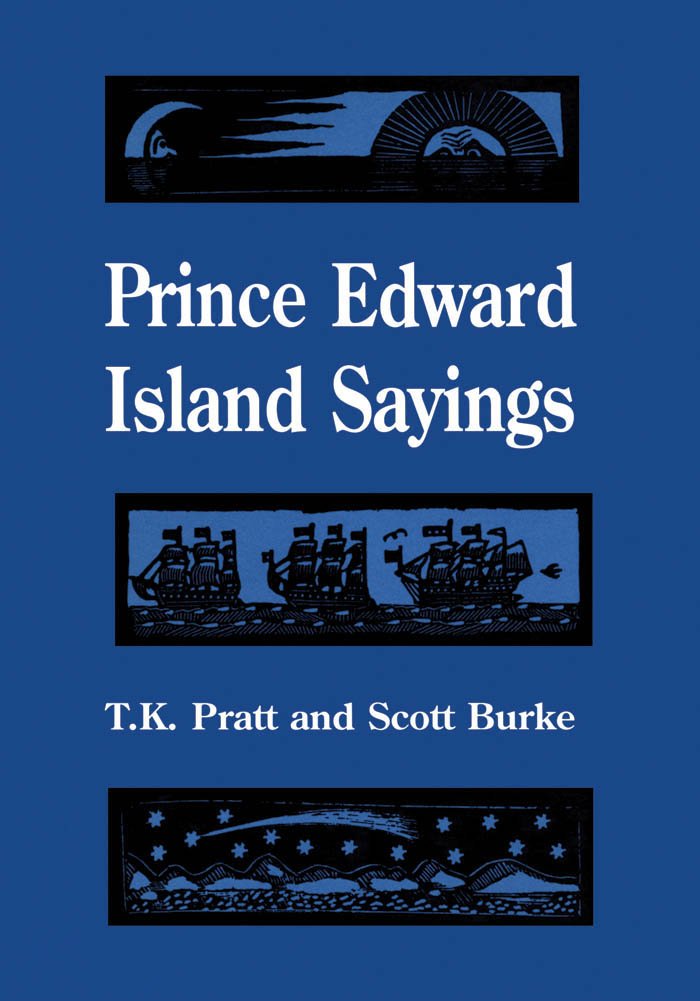
Prince Edward Island Sayings (Heritage)
Vocabulary
Grammar Survival for Primary Teachers: A Practical Toolkit by Jo Shackleton
Related Products
View All
Language, Linguistics & Writing
The Language of Turn and Sequence | by Cecilia E. Ford | Barbara A. Fox | Sandra A. Thompson | Oxford University Press | by Cecilia E. Ford | Barbara A. Fox | Sandra A. Thompson | Oxford University Press | by Cecilia E. Ford | Barbara A. Fox | Sandra A. Thompson | Oxford University Press | by Cecilia E. Ford | Barbara A. Fox | Sandra A. Thompson | Oxford University Press | by Cecilia E. Ford | Barbara A. Fox | Sandra A. Thompson | Oxford University Press | by Cecilia E. Ford | Barbara A. Fox | S
Language, Linguistics & Writing
Handbook of Color Psychology by Andrew J. Elliot
Language, Linguistics & Writing
The Language of Postcolonial Literatures (English, Ismail S. Talib)
Language, Linguistics & Writing
The Other Side of Language | by Gemma Corradi Fiumara | Routledge | by Gemma Corradi Fiumara | Routledge | by Gemma Corradi Fiumara | Routledge | by Gemma Corradi Fiumara | Routledge | by Gemma Corradi Fiumara | Routledge | by Gemma Corradi Fiumara | Routledge | by Gemma Corradi Fiumara | Routledge | by Gemma Corradi Fiumara | Routledge | by Gemma Corradi Fiumara | Routledge | by Gemma Corradi Fiumara | Routledge | by Gemma Corradi Fiumara | Routledge | by Gemma Corradi Fiumara | Routledge | by
Language, Linguistics & Writing
An Introduction to Cognitive Linguistics | by Friedrich Ungerer | Hans-Jorg Schmid | Routledge | by Friedrich Ungerer | Hans-Jorg Schmid | Routledge | by Friedrich Ungerer | Hans-Jorg Schmid | Routledge | by Friedrich Ungerer | Hans-Jorg Schmid | Routledge | by Friedrich Ungerer | Hans-Jorg Schmid | Routledge | by Friedrich Ungerer | Hans-Jorg Schmid | Routledge | by Friedrich Ungerer | Hans-Jorg Schmid | Routledge | by Friedrich Ungerer | Hans-Jorg Schmid | Routledge | by Friedrich Ungerer | Ha
Language, Linguistics & Writing