
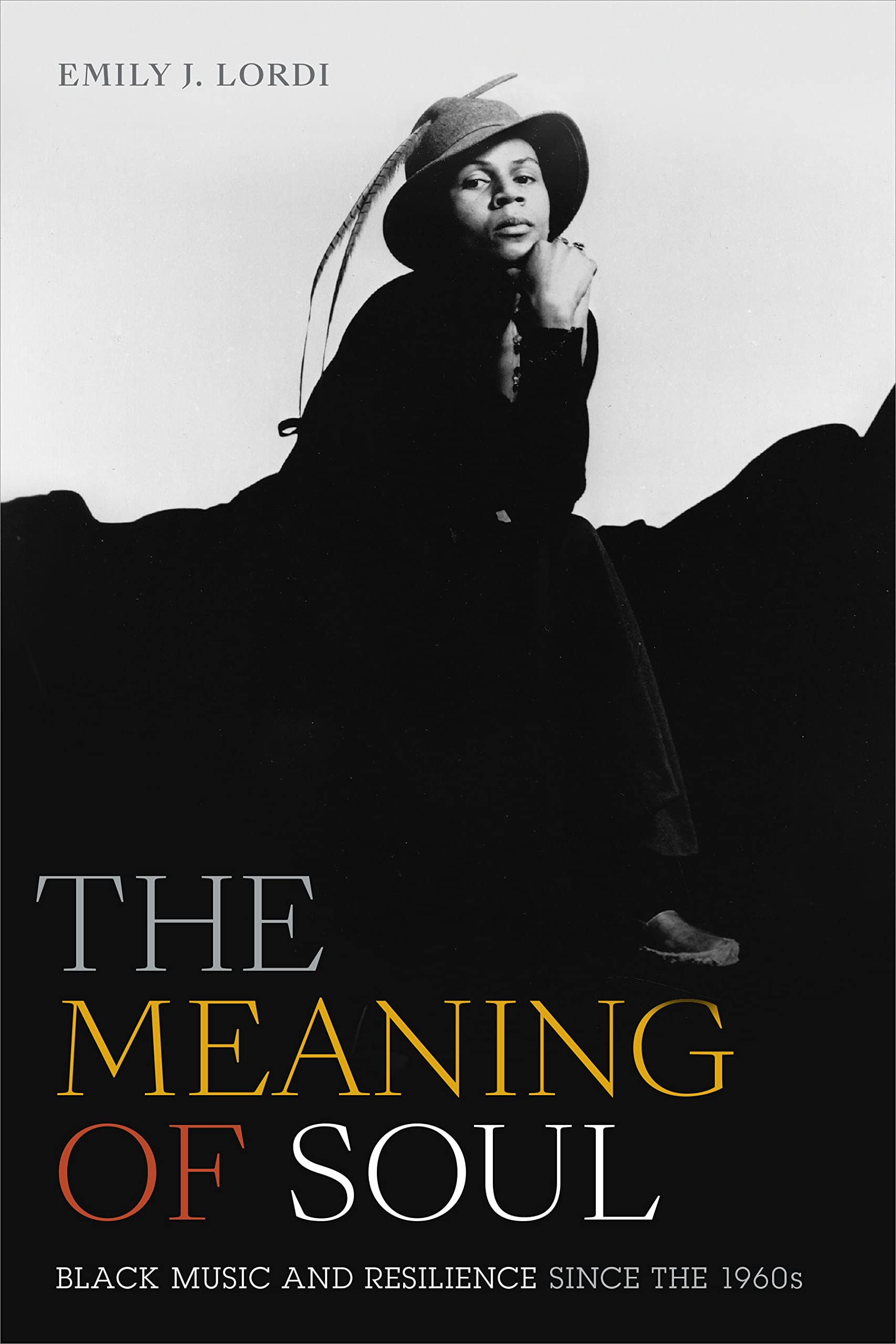
The Meaning of Soul: Black Music and Resilience since the 1960s by Emily J. Lordi – A Deep Dive into African American Mu
Inclusive of all applicable taxes. FREE shipping on all orders.
Available Offers
- 🚚Free Delivery — Free shipping on all orders
- 💵Cash on Delivery — Pay when your order arrives
- ↩️15-Day Easy Returns — Hassle-free return policy
- 🔒Cash on Delivery — Pay safely when your order arrives
Check Delivery
Product Description
Introduction
In a world where music often serves as both a refuge and a rallying cry, few genres have embodied resilience as powerfully as Black American soul. Emily J. Lordi's The Meaning of Soul: Black Music and Resilience since the 1960s is a revelatory work that redefines how we understand this iconic music. Published by Duke University Press, this hardcover edition is an essential addition to the library of any student, scholar, or music lover in India who seeks to grasp the profound cultural and emotional depth of soul. Lordi moves beyond clichés to offer a fresh, technically grounded, and deeply human exploration of how soul music became a testament to survival, creativity, and community.
Book Overview
This book is not just another history of soul music. Instead, Emily J. Lordi crafts a compelling argument: soul is not a vague, masculine political slogan tied to the Black Power movement, but a set of specific musical practices that enact resilience. Focusing on the 1960s as a pivotal era, Lordi examines how artists like Aretha Franklin, Donny Hathaway, Nina Simone, Marvin Gaye, Isaac Hayes, and Minnie Riperton used inventive cover versions, falsetto vocals, ad-libs, and false endings to perform virtuosic survivorship. These techniques, she argues, helped galvanize Black communities during a time of both danger and hope. The book then traces how these soul legacies were reanimated by later stars such as Prince, Solange Knowles, and Flying Lotus, showing a dynamic, evolving tradition.
Key Highlights
- Redefines 'soul' as a set of musical techniques rather than a vague political label.
- Centers Black women artists like Aretha Franklin, Minnie Riperton, and Solange Knowles as leading figures in soul's evolution.
- Offers close readings of specific songs and performances, making the analysis tangible and accessible.
- Spans decades, connecting the 1960s to contemporary artists, showing soul's enduring relevance.
- Challenges conventional narratives that often sideline the craft and complexity of soul music.
Inside the Book
Lordi's writing is both rigorous and vivid. She dissects iconic recordings with the precision of a musicologist and the warmth of a devoted fan. Each chapter focuses on a different soul technique—from the transformative power of the cover song to the emotional weight of the falsetto cry. Readers will encounter detailed analyses of Aretha Franklin's reimagining of Otis Redding's 'Respect,' Donny Hathaway's intimate performances, and Nina Simone's politically charged interpretations. The book also explores the often-overlooked contributions of session musicians, producers, and arrangers, painting a fuller picture of how soul music was made. The final chapters bring the story into the twenty-first century, examining how Prince's Minneapolis sound, Solange's avant-garde soul, and Flying Lotus's electronic experiments continue the tradition of resilience through musical innovation.
Key Topics
- Musical techniques of resilience: cover versions, falsetto, ad-libs, and false endings.
- The role of Black women in shaping soul music's identity.
- Soul as a performance of survivorship in the civil rights and Black Power eras.
- The evolution of soul from the 1960s to contemporary R&B and experimental music.
- Intersections of race, gender, and musical craft in American popular music.
Reader Benefits
- Deepen your appreciation for soul music by understanding its technical and emotional nuances.
- Gain a new perspective on how music can function as a tool for community building and personal resilience.
- Access scholarly insights written in an engaging, non-academic style suitable for general readers.
- Discover lesser-known artists and songs that expand your musical horizons beyond the usual hits.
- Connect the dots between classic soul and modern Black music, seeing the lineage clearly.
Learning Outcomes
- Identify and explain key musical techniques that define soul music as a practice of resilience.
- Analyze how specific songs and performances reflect the social and political contexts of their time.
- Understand the central role of Black women artists in the development and transformation of soul.
- Trace the continuity of soul aesthetics from the 1960s to the present day.
- Critically evaluate popular narratives about soul music and propose alternative frameworks based on musical craft.
Who Should Read
This book is perfect for Indian readers who are students of musicology, cultural studies, or African American history. It is also a treasure for musicians, singers, and songwriters who want to understand the technical roots of soul. General readers with a passion for music, especially those interested in R&B, funk, and contemporary Black music, will find Lordi's insights illuminating. If you have ever felt the power of a soulful voice and wondered how it works its magic, this book will answer your questions and inspire new ones.
About the Author
Emily J. Lordi is a professor of English at Vanderbilt University and a respected scholar of African American literature and music. She is the author of Black Resonance: Iconic Women Singers and African American Literature and has written for outlets like The New Yorker and The New York Times. Her work bridges the gap between academic rigor and public accessibility, making her an ideal guide through the rich terrain of soul music. Lordi's deep love for the music and her commitment to highlighting the contributions of Black women artists shine through every page.
About the Publisher
Duke University Press is a prestigious academic publisher based in Durham, North Carolina, known for its influential books in the humanities and social sciences. With a strong focus on critical theory, cultural studies, and musicology, Duke UP has published landmark works that shape scholarly conversations worldwide. This hardcover edition maintains the press's high standards of production, with quality binding and clear, readable type, making it a durable addition to any personal or institutional library.
Conclusion
The Meaning of Soul: Black Music and Resilience since the 1960s is a transformative book that will change how you listen to and think about soul music. Emily J. Lordi's original framework, grounded in musical practice and centered on the artistry of Black women, offers a necessary corrective to tired narratives. For Indian readers eager to understand the deep cultural currents that flow through global music, this book is an invaluable resource. It is a celebration of craft, a testament to resilience, and a call to listen more closely. Add this hardcover to your collection and discover soul anew.
Quick Summary
The Meaning of Soul: Black Music and Resilience since the 1960s by Emily J. Lordi is a transformative study that redefines soul music as a dynamic practice of resilience rather than a static genre. Lordi examines how artists like Aretha Franklin, Nina Simone, Marvin Gaye, and Donny Hathaway used inventive cover versions, falsetto vocals, ad-libs, and false endings to perform what she calls 'virtuosic survivorship.' These techniques helped galvanize black communities during the civil rights era and beyond. The book also traces how later musicians such as Prince, Solange Knowles, and Flying Lotus reanimated these soul legacies. Breaking with earlier scholarship that tied soul narrowly to the Black Power movement, Lordi offers a more inclusive and musically grounded understanding. This book is ideal for students of musicology, African American studies, and cultural history, as well as general readers passionate about soul music. By purchasing from Bookshops.in, you receive an authentic hardcover edition with fast delivery across India.
Book Highlights
Book Specifications
| ISBN-13 | 9781478008699 |
| ISBN-10 | 1478008695 |
| Publisher | Duke University Press |
| Language | English |
| Dimensions | 15.24 x 1.42 x 22.86 cm |
| Weight | 476 g |
| Category | Performing Arts › Music |
| Genre | Music History & Criticism |
| Original Language | English |
Frequently Asked Questions
What is The Meaning of Soul about?
Who is the author Emily J. Lordi?
Which artists are discussed in the book?
What makes this book different from other soul music studies?
Is this book suitable for general readers?
Does the book cover contemporary soul music?
What are the key musical techniques analyzed?
How does the book relate soul to resilience?
What is the publication date?
What is the ISBN?
Can I use this book for academic research?
Does the book include musical examples?
Why buy from Bookshops.in?
Readers Also Search For
Customers Also Bought
Art History
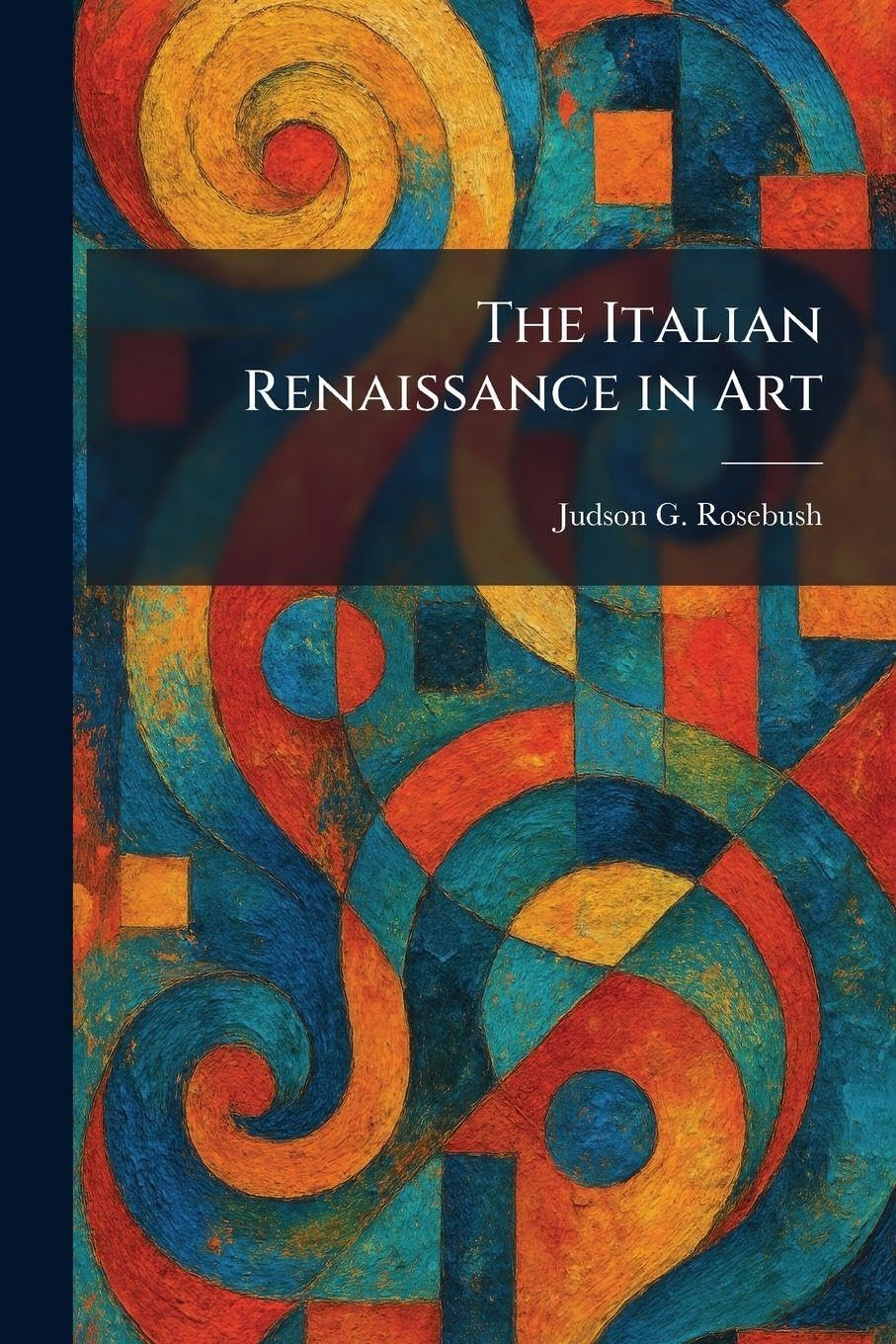
The Italian Renaissance in Art

Art History
Photovoltaic Design & Installation For Dummies | by Mayfield | ForDummies | by Mayfield | ForDummies | by Mayfield | ForDummies | by Mayfield | ForDummies | by Mayfield | ForDummies | by Mayfield | ForDummies | by Mayfield | ForDummies | by Mayfield | ForDummies | by Mayfield | ForDummies | by Mayfield | ForDummies | by Mayfield | ForDummies | by Mayfield | ForDummies | by Mayfield | ForDummies | by Mayfield | ForDummies | by Mayfield | ForDummies | by Mayfield | ForDummies | by Mayfield | ForDu
Art History
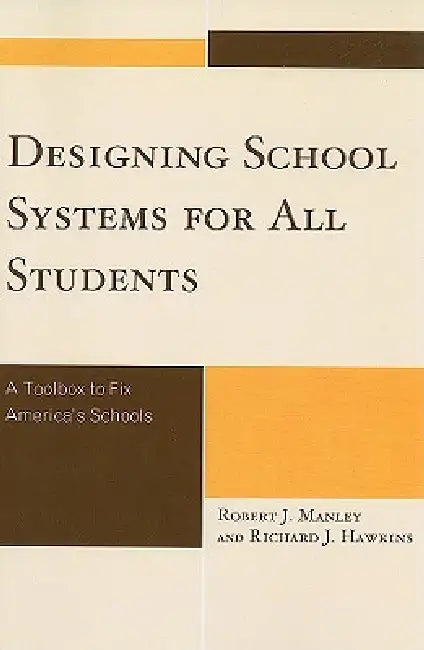
Designing School Systems for All Students (English, Robert J. Manley | Richard J. Hawkins)

Art History
Routledge Library Editions: Art and Culture in the Nineteenth Century

Art History
An Errant Design (English, S. H. Long)

Art History
Distributed System Design | by Jie Wu | CRC Press | by Jie Wu | CRC Press | by Jie Wu | CRC Press | by Jie Wu | CRC Press | by Jie Wu | CRC Press | by Jie Wu | CRC Press | by Jie Wu | CRC Press | by Jie Wu | CRC Press | by Jie Wu | CRC Press | by Jie Wu | CRC Press | by Jie Wu | CRC Press | by Jie Wu | CRC Press | by Jie Wu | CRC Press | by Jie Wu | CRC Press | by Jie Wu | CRC Press | by Jie Wu | CRC Press | by Jie Wu | CRC Press | by Jie Wu | CRC Press | by Jie Wu | CRC Press | by Jie Wu | CRC
Related Products
View All
Music
The Cambridge Companion to Michael Tippett by Kenneth Gloag – Music Analysis
Music
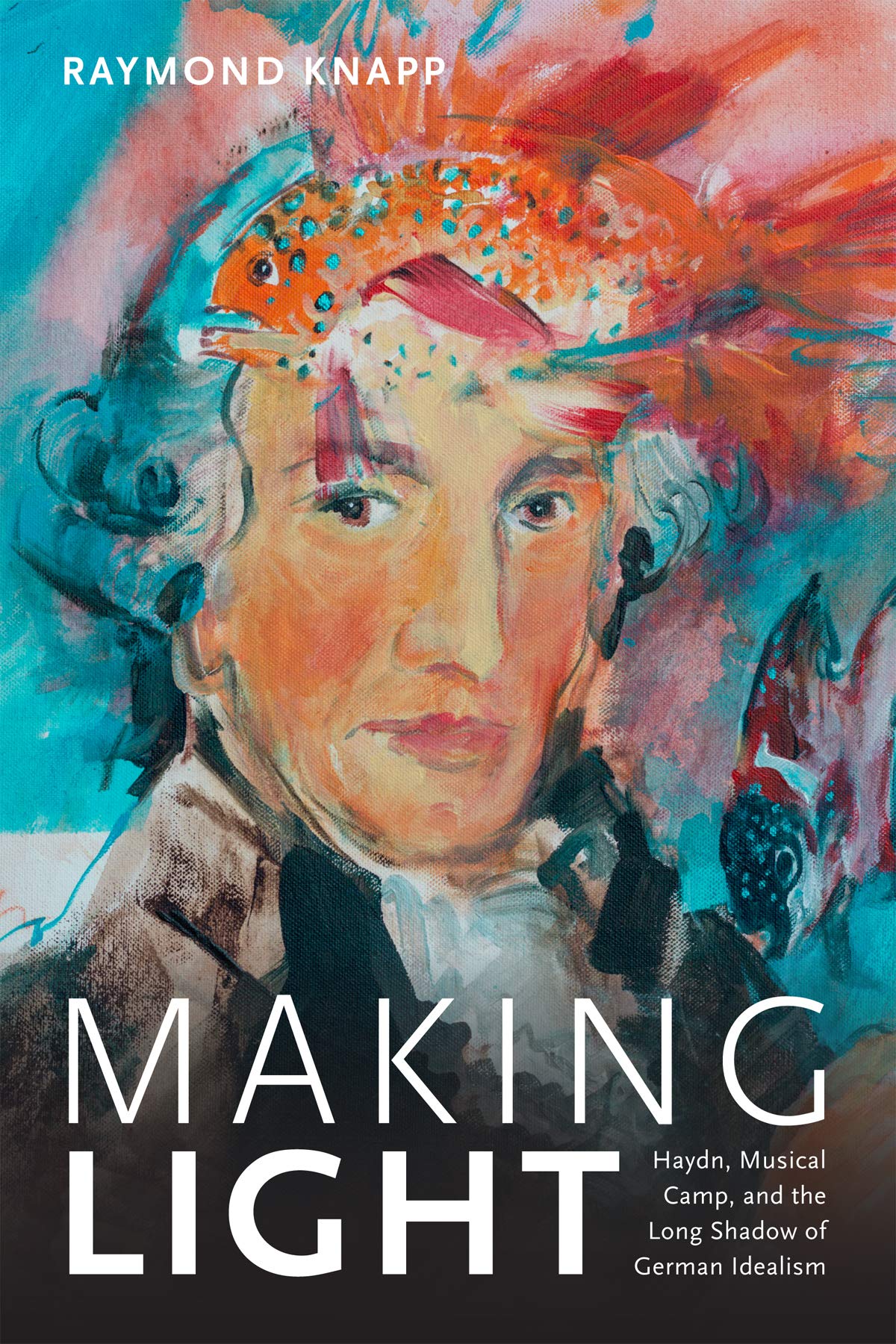
Making Light: Haydn, Musical Camp, and the Long Shadow of German Idealism
Music
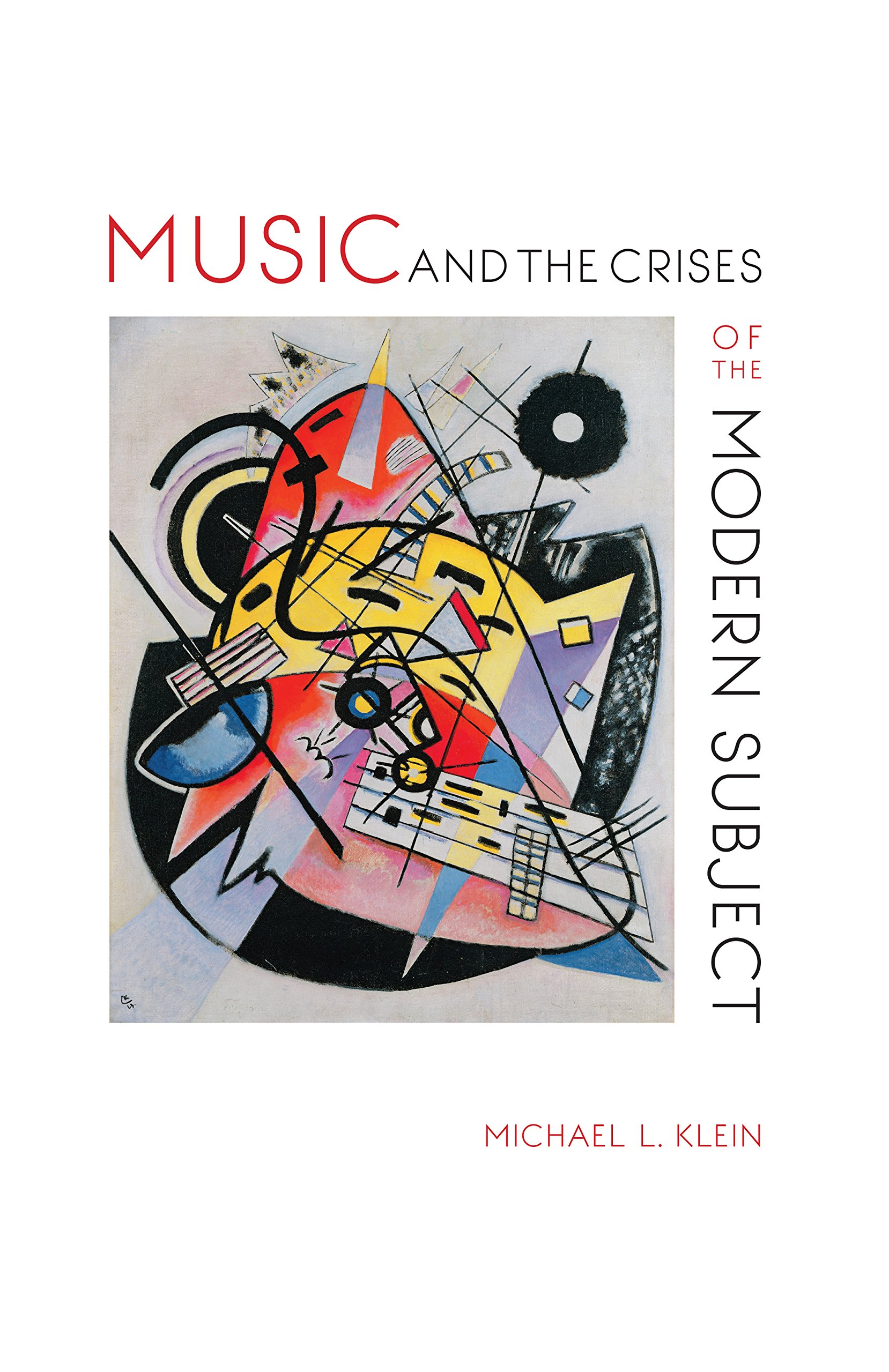
Music and the Crises of the Modern Subject by Michael L. Klein – Music Theory & Criticism

Music
Opera and Drama in Eighteenth-Century London: The King's Theatre, Garrick and the Business of Perfor
Music
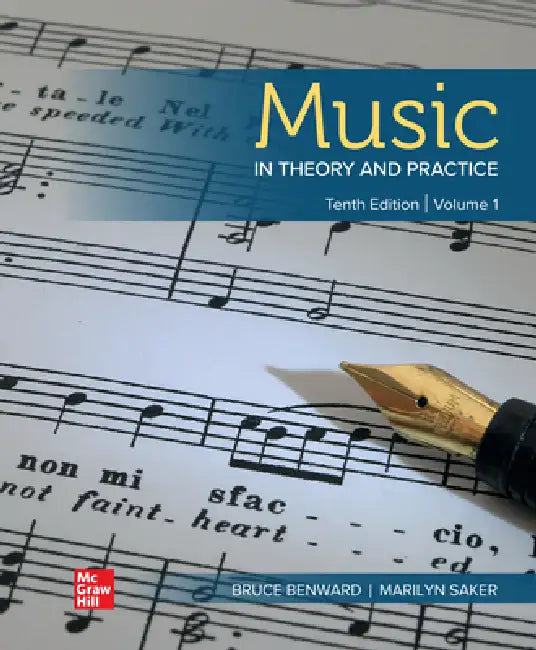
Music in Theory and Practice Volume 1 | by Bruce Benward | Marilyn Saker | McGraw-Hill Companies | by Bruce Benward | Marilyn Saker | McGraw-Hill Companies | by Bruce Benward | Marilyn Saker | McGraw-Hill Companies | by Bruce Benward | Marilyn Saker | McGraw-Hill Companies | by Bruce Benward | Marilyn Saker | McGraw-Hill Companies | by Bruce Benward | Marilyn Saker | McGraw-Hill Companies | by Bruce Benward | Marilyn Saker | McGraw-Hill Companies | by Bruce Benward | Marilyn Saker | McGraw-Hill

Music