

The Old Guard: A Harrowing Psychological Portrait of Concentration Camp Survival by Mieczyslaw Lurczyński
Inclusive of all applicable taxes. FREE shipping on all orders.
Available Offers
- 🚚Free Delivery — Free shipping on all orders
- 💵Cash on Delivery — Pay when your order arrives
- ↩️15-Day Easy Returns — Hassle-free return policy
- 🔒Cash on Delivery — Pay safely when your order arrives
Check Delivery
Product Description
Introduction
The Old Guard by Mieczyslaw Lurczyński is a profound and unflinching literary work that delves into the harrowing aftermath of one of history's darkest chapters. Published by Excelsior Editions/State University of New York Press, this hardcover volume offers a raw and deeply human exploration of how extreme trauma reshapes the mind, memory, and identity. For Indian readers, students of history, psychology, and literature, this book serves as a vital bridge to understanding the universal struggle for dignity and meaning in the face of unimaginable suffering. It is not merely a historical document but a timeless meditation on resilience, morality, and the fragile nature of the human spirit.
Book Overview
The Old Guard is a stark, brutally honest portrayal of the psychological devastation wrought by concentration camp life. Unlike conventional narratives that focus solely on survival, Lurczyński’s work examines the long-term fragmentation of the self—how victims carry the camp within them long after physical liberation. The book follows a group of survivors who form an unspoken brotherhood, bound by shared horror and an unwritten code of silence. Through sparse, piercing prose, the author reveals the gradual erosion of trust, the haunting return of repressed memories, and the impossibility of returning to a pre-trauma existence. This is a story not of triumph but of endurance, where the greatest battle is fought within the mind.
Key Highlights
- Unflinching Realism: The narrative refuses to soften or sentimentalize the horrors, offering an authentic portrayal of psychological breakdown.
- Character Depth: Each survivor is meticulously drawn, representing different facets of trauma—denial, rage, guilt, and numbness.
- Existential Themes: Explores questions of morality, faith, and meaning when conventional frameworks collapse.
- Literary Craftsmanship: Lurczyński’s language is economical yet powerful, every sentence carrying the weight of lived experience.
- Historical Relevance: Provides insight into a pivotal era while remaining eerily relevant to contemporary discussions on violence and displacement.
Inside the Book
The narrative unfolds through fragmented vignettes, mirroring the fractured memories of its protagonists. Readers encounter scenes of daily camp life—the arbitrary cruelty, the struggle for bread, the whispered conversations—interwoven with post-war moments of attempted normalcy. The “Old Guard” refers to a small circle of survivors who meet annually, not to celebrate, but to bear witness to each other’s unspoken pain. The book avoids linear storytelling, instead circling around key traumatic events like a wound that refuses to heal. Key passages include a devastating account of a forced march, a silent meal shared among strangers, and a confrontation with a former guard that yields no catharsis—only the hollow echo of unresolved rage.
Key Topics
- Psychological Trauma and PTSD: Long before the term was widely used, Lurczyński captures the symptoms of hypervigilance, flashbacks, and emotional numbing.
- Memory and Testimony: The book questions whether true testimony is possible when memory itself is damaged by horror.
- Moral Injury: Examines how survivors grapple with guilt over actions taken or not taken to save themselves or others.
- Community and Isolation: The tension between the need for connection and the impossibility of fully sharing one’s experience.
- Dehumanization and Resistance: How the camp system sought to strip identity, and the small acts of defiance that preserved humanity.
Reader Benefits
This book offers Indian readers a rare opportunity to engage with European history through a deeply psychological lens. It cultivates empathy by placing readers inside the minds of those who endured the unendurable. Students of literature will appreciate its modernist techniques—nonlinear time, unreliable narration, and symbolic imagery. For psychology students, it provides a case study in trauma theory before the field was formally established. General readers will find a gripping, if harrowing, narrative that challenges complacency and invites reflection on the nature of evil and resilience. The hardcover edition from Excelsior Editions is durable for repeated reading and academic annotation.
Learning Outcomes
- Understand the psychological mechanisms of survival under extreme duress.
- Analyze how trauma disrupts narrative coherence and identity formation.
- Recognize the ethical complexities of bearing witness to atrocity.
- Evaluate the role of literature in preserving historical memory.
- Develop critical thinking about the representation of violence in art.
Who Should Read
The Old Guard is essential for students and scholars of European history, Holocaust studies, trauma psychology, and comparative literature. It is equally valuable for creative writers seeking to understand how to portray deep psychological states. Indian readers with an interest in human rights, memory studies, or the philosophy of suffering will find this book deeply resonant. It is also recommended for anyone who has ever wondered how ordinary people survive extraordinary cruelty—and what price they pay for that survival. Due to its intense content, it is best suited for mature readers aged 18 and above.
About the Author
Mieczyslaw Lurczyński is a Polish-born writer and scholar whose work has been shaped by his family’s experiences during World War II. A survivor himself, Lurczyński spent decades researching the psychological aftermath of concentration camps, drawing on interviews, diaries, and his own memories. He brings a rare authenticity to his writing, combining academic rigor with the visceral power of lived experience. His earlier works, mostly published in Polish, earned critical acclaim for their unsparing honesty. The Old Guard is his first major work translated into English, and it represents the culmination of a lifetime’s commitment to ensuring that the voices of the traumatized are neither forgotten nor sanitized.
About the Publisher
Excelsior Editions is an imprint of State University of New York Press, known for publishing works that push the boundaries of academic and literary discourse. With a focus on interdisciplinary scholarship, Excelsior Editions brings to light important but often overlooked voices from around the world. Their catalogue includes works on philosophy, history, literature, and the social sciences, all characterized by intellectual depth and editorial excellence. By publishing The Old Guard, they reaffirm their commitment to preserving difficult histories and fostering global understanding. This hardcover edition reflects their dedication to quality production, with acid-free paper and durable binding suitable for library and personal collections.
Conclusion
The Old Guard is not an easy book, but it is an essential one. In an age where trauma is often sensationalized or simplified, Mieczyslaw Lurczyński offers a sober, meticulous, and deeply humane account of what it means to live with the memory of atrocity. For Indian readers who value literature that challenges and transforms, this hardcover edition from Excelsior Editions is a worthy addition to any serious library. It stands as a testament to the resilience of the human spirit—not as a triumphant narrative, but as a quiet, enduring witness to the scars we carry and the stories we must tell.
Quick Summary
The Old Guard by Mieczyslaw Lurczyński is a harrowing and psychologically penetrating novel that lays bare the inner devastation wrought by life in Nazi concentration camps. Written by a Polish survivor, the book goes beyond mere historical recounting to explore the fragmentation of identity, the erosion of moral certainties, and the stubborn persistence of hope amid dehumanization. It is not a conventional war story but a deep meditation on memory, trauma, and what it means to remain human when every external structure of humanity has collapsed. Ideal for students of psychology, history, and literature, as well as general readers seeking an authentic, unflinching testimony, this work stands as a crucial contribution to Holocaust literature. By purchasing from Bookshops.in, Indian readers receive a premium hardcover edition with reliable delivery and the assurance of a genuine product.
Book Highlights
Book Specifications
| ISBN-13 | 9781438430829 |
| ISBN-10 | 1438430825 |
| Publisher | Excelsior Editions |
| Language | English |
| Dimensions | 13.97 x 0.76 x 21.59 cm |
| Weight | 159 g |
| Country | India |
| Category | World Literature › European |
| Genre | Historical Fiction / Psychological Fiction |
| Reading Age | Adult |
| Original Language | Polish |
Frequently Asked Questions
What is 'The Old Guard' about?
Who is the author of 'The Old Guard'?
Is this book based on true events?
What genre does this book belong to?
Is 'The Old Guard' suitable for academic study?
What language is the book written in?
What is the ISBN-13 of 'The Old Guard'?
Is this a hardcover edition?
Can I buy this book online in India?
What is the price of 'The Old Guard'?
Does the book include graphic content?
Is there a sequel to this book?
Why should I buy from Bookshops.in?
Readers Also Search For
Customers Also Bought

McFarland & Company
Playing with the Guys | by Marc A. Ouellette | Matthew Wilhelm Kapell | McFarland & Company | by Marc A. Ouellette | Matthew Wilhelm Kapell | McFarland & Company | by Marc A. Ouellette | Matthew Wilhelm Kapell | McFarland & Company | by Marc A. Ouellette | Matthew Wilhelm Kapell | McFarland & Company | by Marc A. Ouellette | Matthew Wilhelm Kapell | McFarland & Company | by Marc A. Ouellette | Matthew Wilhelm Kapell | McFarland & Company | by Marc A. Ouellette | Matthew W

Rowman & Littlefield Publishers
Joss Whedon's Dollhouse: Confounding Purpose, Confusing Identity (Science Fiction Television)
State University of New York Press
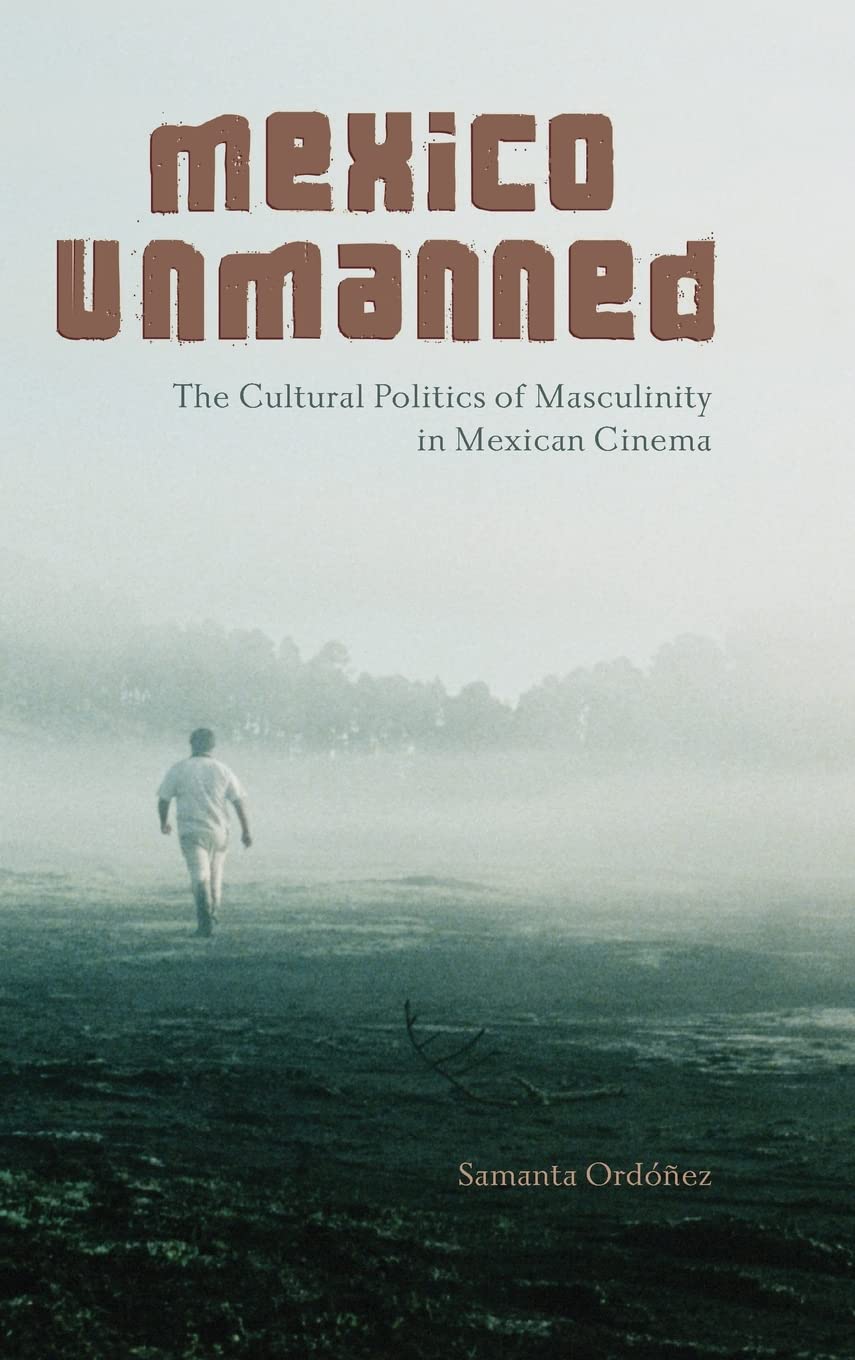
Mexico Unmanned: The Cultural Politics of Masculinity in Mexican Cinema (SUNY series in Latin American Cinema)

McFarland & Company
Valley Forge to Monmouth | by Jim Stempel | McFarland & Company | by Jim Stempel | McFarland & Company | by Jim Stempel | McFarland & Company | by Jim Stempel | McFarland & Company | by Jim Stempel | McFarland & Company | by Jim Stempel | McFarland & Company | by Jim Stempel | McFarland & Company | by Jim Stempel | McFarland & Company | by Jim Stempel | McFarland & Company | by Jim Stempel | McFarland & Company | by Jim Stempel | McFarland & Company |
University of Toronto Press
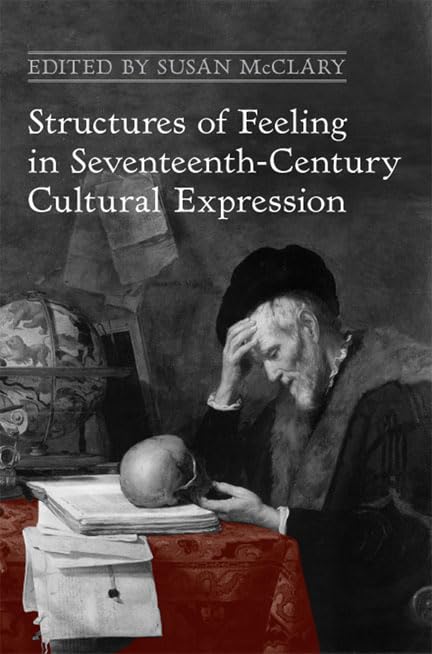
Structures of Feeling in Seventeenth-Century Cultural Expression (UCLA Center Clark Library)

McFarland & Company