
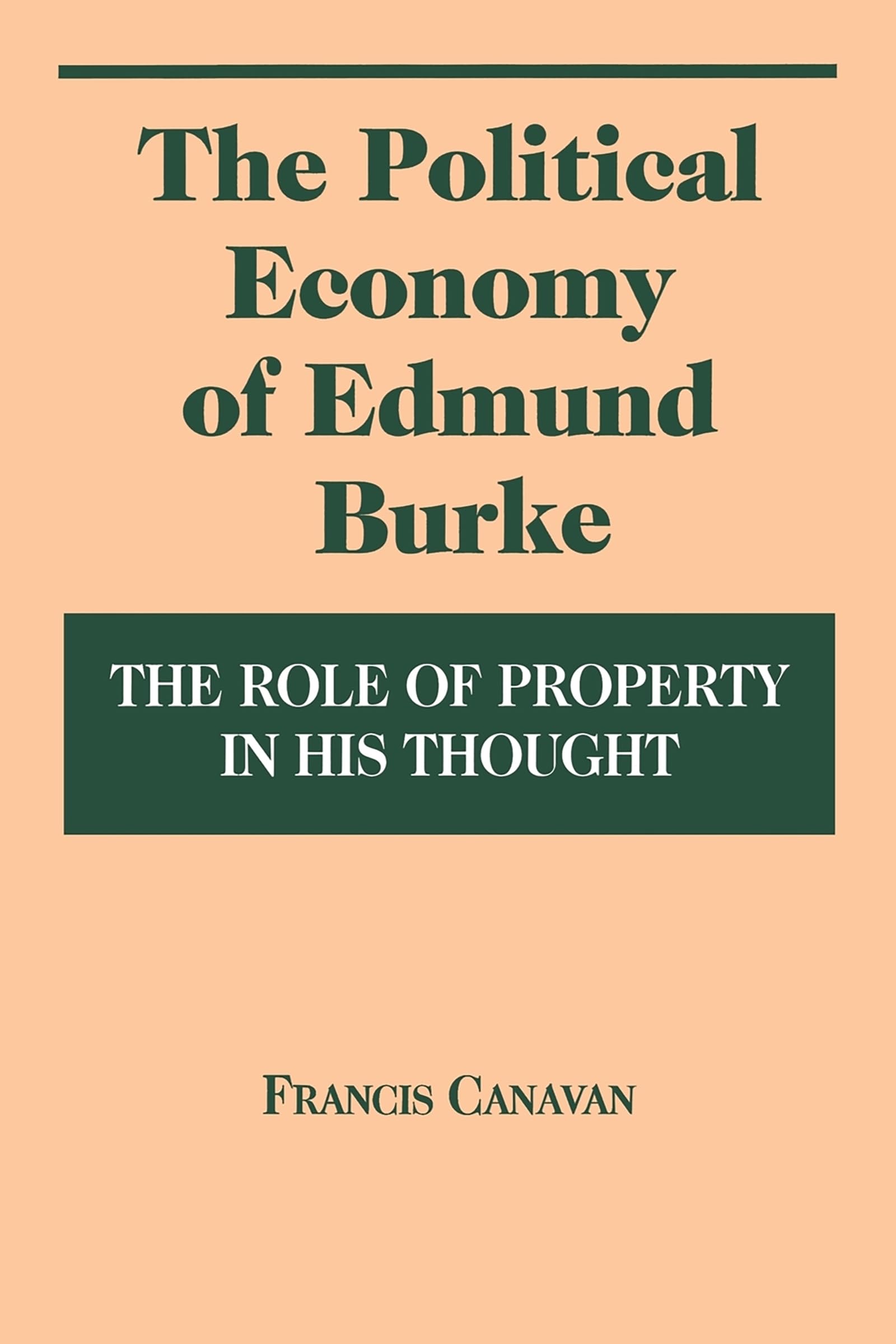
The Political Economy of Edmund Burke: The Role of Property in His Thought by Francis Canavan – A Definitive Study of Bu
Inclusive of all applicable taxes. FREE shipping on all orders.
Available Offers
- 🚚Free Delivery — Free shipping on all orders
- 💵Cash on Delivery — Pay when your order arrives
- ↩️15-Day Easy Returns — Hassle-free return policy
- 🔒Cash on Delivery — Pay safely when your order arrives
Check Delivery
Product Description
Introduction
In the landscape of political and economic thought, few figures are as enigmatic as Edmund Burke. Often hailed as the father of modern conservatism, his ideas on property, state, and society have been debated for centuries. Francis Canavan’s seminal work, The Political Economy of Edmund Burke: The Role of Property in His Thought, cuts through the fog of conflicting interpretations to offer a rigorous, primary-source-driven analysis. For Indian students and scholars navigating the intersections of economics, politics, and culture, this hardcover edition from Fordham University Press is an indispensable resource that redefines how we understand Burke’s legacy.
Book Overview
This book is the first full-length treatment of a long-unanswered question: how does Burke’s economic theory relate to his political theory, and are they complementary or contradictory? Canavan, a distinguished Burke scholar, rejects the notion that Burke was a mere apologist for laissez-faire capitalism. Instead, he meticulously demonstrates that Burke’s economic views were subservient to his larger political and cultural goals. The central thesis is that Burke sought to preserve an aristocratic and Christian civilization, supported economically by a landed gentry, rather than a bourgeois capitalist order. This study challenges the influential readings of C.B. Macpherson, J.B. Plumb, and Frank O’Gorman, offering a fresh, nuanced portrait of Burke as a thinker deeply concerned with the moral and social fabric of society.
Key Highlights
- First Book-Length Analysis: The only comprehensive study dedicated specifically to Burke’s political economy, filling a critical gap in scholarship.
- Primary Source Focus: Canavan grounds his arguments in Burke’s own writings and speeches, avoiding the patchwork of secondary interpretations that have long clouded the subject.
- Challenges Orthodox Views: Directly confronts and refutes the portrayal of Burke as a bourgeois capitalist or a hired philosopher of the aristocracy, presenting a more complex and coherent thinker.
- Interdisciplinary Relevance: Bridges economics, political theory, history, and philosophy, making it a versatile text for multiple academic fields.
- Authoritative Publisher: Published by Fordham University Press, a respected academic imprint known for high-quality scholarship.
Inside the Book
The book is structured to guide the reader through Burke’s economic ideas in their proper historical and intellectual context. Canavan begins by examining Burke’s writings on property, trade, and taxation, showing how they were always linked to his vision of a stable, hierarchical society. He then explores Burke’s critique of the French Revolution, not as an economic reaction, but as a defense of inherited institutions and customary rights. The final sections synthesize Burke’s views, arguing that his economic thought was fundamentally a tool for preserving a civilization based on virtue, religion, and ordered liberty. The text is dense with footnotes and references to original sources, making it a scholarly treasure for researchers.
Key Topics
- The role of landed property in Burke’s conception of social order
- Burke’s critique of abstract economic rationalism and the market
- The relationship between commerce, empire, and morality in Burke’s thought
- Burke’s response to the French Revolution as a cultural and economic crisis
- The contrast between Burkean conservatism and classical liberalism
- Property as a foundation for liberty, not just wealth
- Burke’s views on the poor, charity, and the state’s obligations
Reader Benefits
This book offers more than just an academic exercise; it provides a lens through which to examine contemporary debates on wealth, inequality, and governance. Indian readers, in particular, will find parallels in discussions about land reform, traditional institutions, and the balance between market forces and cultural values. Canavan’s clear, accessible prose makes complex ideas digestible, while his rigorous scholarship ensures credibility. Whether you are writing a thesis, preparing for a competitive exam, or simply deepening your understanding of political economy, this book equips you with a robust framework to analyze the moral dimensions of economic policy.
Learning Outcomes
- Understand the true nature of Burke’s economic thought, beyond popular misconceptions.
- Analyze how property functions as a political and cultural institution, not just an economic asset.
- Critically evaluate the relationship between economic systems and social stability.
- Apply Burkean principles to modern issues such as land rights, inheritance, and the role of tradition.
- Differentiate between Burke’s conservatism and other ideological traditions, including libertarianism and socialism.
Who Should Read
This book is ideal for undergraduate and postgraduate students of political science, economics, history, and philosophy. It is also essential reading for researchers specializing in 18th-century thought, conservative ideology, or the history of economic ideas. Additionally, policymakers, journalists, and public intellectuals interested in the moral foundations of economic systems will find Canavan’s insights invaluable. For anyone seeking to move beyond simplistic labels and engage with Burke on his own terms, this book is a must-have.
About the Author
Francis Canavan (1917–2009) was a Jesuit priest and a distinguished professor of political science at Fordham University. A leading authority on Edmund Burke, he authored several influential works on political theory and the history of ideas. His scholarship is characterized by meticulous attention to primary texts and a deep commitment to understanding the moral and religious dimensions of political life. Canavan’s work remains a benchmark in Burke studies, respected for its clarity, depth, and intellectual honesty.
About the Publisher
Fordham University Press, based in New York, is a premier academic publisher known for its contributions to the humanities and social sciences. With a focus on rigorous scholarship and enduring works, it has published numerous titles that shape academic discourse. This hardcover edition reflects the press’s commitment to quality, featuring durable binding and archival-grade paper, making it a lasting addition to any serious library.
Conclusion
The Political Economy of Edmund Burke is more than a book; it is a corrective to decades of misreading. Francis Canavan’s masterful analysis restores Burke’s thought to its proper context—one where economics serves the higher ends of civilization, culture, and moral order. For Indian readers who value a nuanced understanding of tradition and change, this hardcover volume offers a profound and timely exploration of ideas that continue to shape our world. Add it to your collection and discover the Burke that history forgot.
Quick Summary
'The Political Economy of Edmund Burke: The Role of Property in His Thought' by Francis Canavan is a landmark scholarly work that addresses a long-standing gap in Burke studies: the relationship between his economic and political theories. Canavan, a distinguished Burke scholar, uses primary sources to show that Burke's economic ideas were not about promoting laissez-faire capitalism, as often assumed, but were instead aimed at preserving an aristocratic and Christian civilization. Central to this vision was the institution of landed property, which Burke saw as the foundation of political stability, cultural continuity, and moral order. This book is essential for graduate students, researchers, and faculty in political theory, economic history, and philosophy, especially those interested in conservative thought and the Enlightenment. Readers will gain a deeper understanding of how property rights and economic structures can serve broader cultural and political ends. By buying from Bookshops.in, Indian readers get a premium hardcover edition delivered reliably, supporting a trusted local bookstore that values scholarly works.
Book Highlights
Book Specifications
| ISBN-13 | 9780823215911 |
| ISBN-10 | 0823215911 |
| Publisher | Fordham Univ Pr |
| Language | English |
| Dimensions | 15.24 x 1.27 x 22.86 cm |
| Weight | 272 g |
| Country | India |
| Category | Economics › Economic Conditions |
| Genre | Non-fiction |
| Original Language | English |
Frequently Asked Questions
What is 'The Political Economy of Edmund Burke' about?
Who is the author of this book?
Is this book suitable for Indian students?
Does the book support laissez-faire capitalism?
What makes this book different from other studies on Burke?
Is the book based on original sources?
What is the ISBN of this book?
Is this book available in hardcover?
What is the price of this book in India?
What language is the book written in?
Can I use this book for my research on Edmund Burke?
What is the rating of this book?
Readers Also Search For
Customers Also Bought
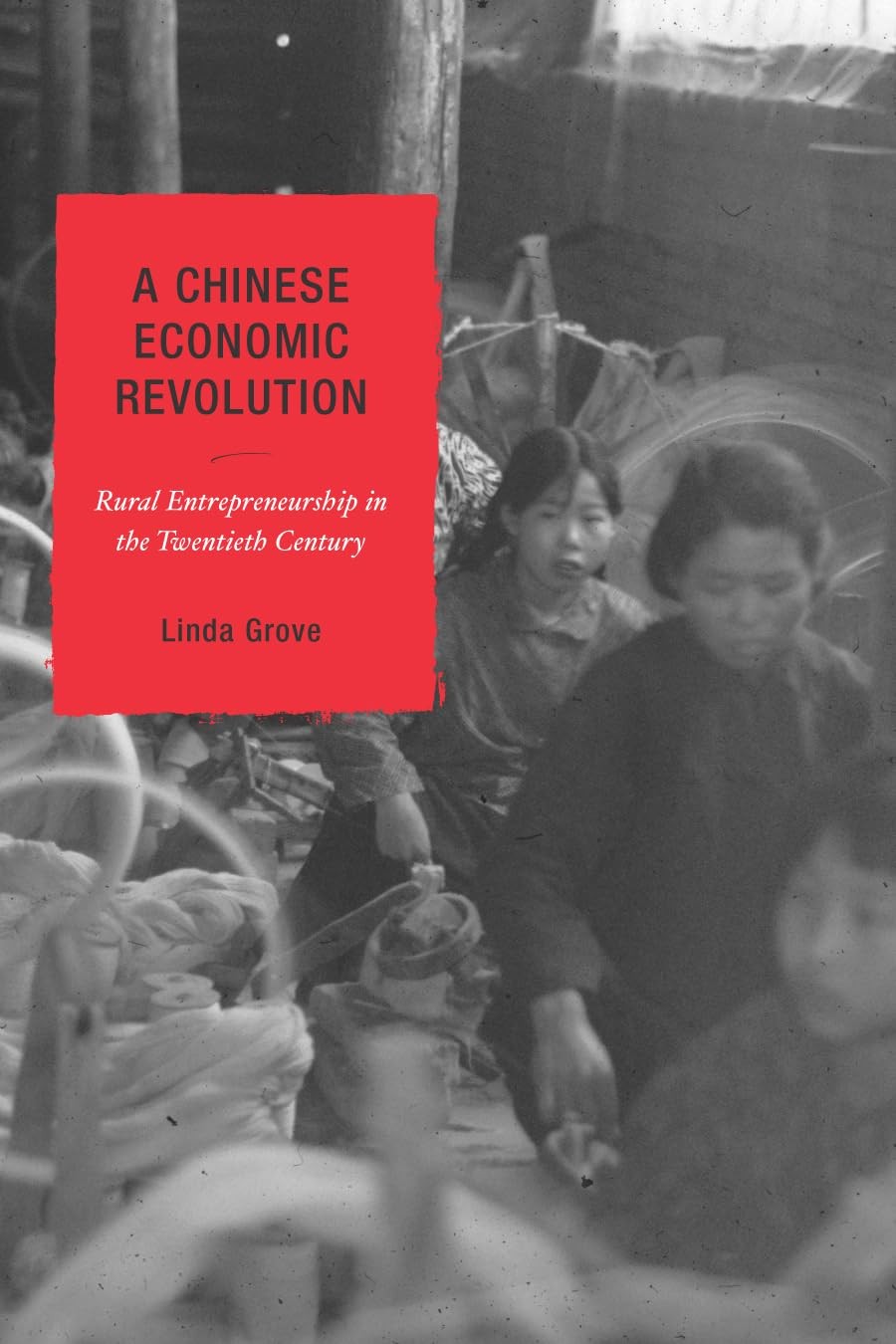
Entrepreneurship
Chinese Economic Revolution (English, Linda Grove)
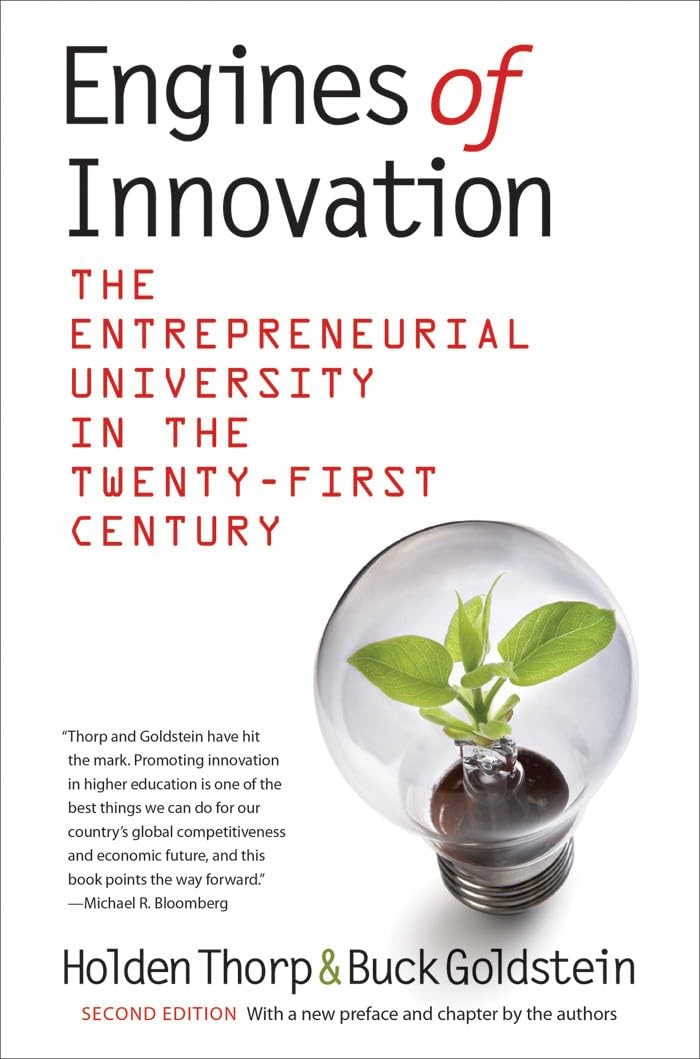
Entrepreneurship
Engines of Innovation: The Entrepreneurial University in the Twenty-First Century by Holden Thorp
Entrepreneurship
Invention to Innovation (English, PhD Marshall Larry | Jenna Daroczy)

Entrepreneurship
Database Management Systems by Raghu Ramakrishnan – DBMS Textbook

Entrepreneurship
Decision-making for Technology Executives by Harold A. Linstone
Entrepreneurship
The Business Innovation Audit (English, William Tate)
Related Products
View All
Economics
Political Economy from Pufendorf to Marx (English, István Hont | Lasse S. Andersen | Béla Kapossy)
Economics
Women's Entrepreneurship and Economics (English, Miguel-Angel Galindo | Domingo Ribeiro)
Economics
Trade Policy and Industrialization in Turbulent Times | by Gerry Helleiner | Routledge | by Gerry Helleiner | Routledge | by Gerry Helleiner | Routledge | by Gerry Helleiner | Routledge | by Gerry Helleiner | Routledge | by Gerry Helleiner | Routledge | by Gerry Helleiner | Routledge | by Gerry Helleiner | Routledge | by Gerry Helleiner | Routledge | by Gerry Helleiner | Routledge | by Gerry Helleiner | Routledge | by Gerry Helleiner | Routledge | by Gerry Helleiner | Routledge | by Gerry Hellei
Economics
History of Economic Analysis | by Schumpeter Joseph A. | Taylor & Francis Ltd | by Schumpeter Joseph A. | Taylor & Francis Ltd | by Schumpeter Joseph A. | Taylor & Francis Ltd | by Schumpeter Joseph A. | Taylor & Francis Ltd | by Schumpeter Joseph A. | Taylor & Francis Ltd | by Schumpeter Joseph A. | Taylor & Francis Ltd | by Schumpeter Joseph A. | Taylor & Francis Ltd | by Schumpeter Joseph A. | Taylor & Francis Ltd | by Schumpeter Joseph A. | Taylor & Franci
Economics
OECD Compendium of Productivity Indicators 2015 | by Organization for Economic Cooperation an | Organization for Economic Co-Operation & Deve | by Organization for Economic Cooperation an | Organization for Economic Co-Operation & Deve | by Organization for Economic Cooperation an | Organization for Economic Co-Operation & Deve | by Organization for Economic Cooperation an | Organization for Economic Co-Operation & Deve | by Organization for Economic Cooperation an | Organization

Economics