
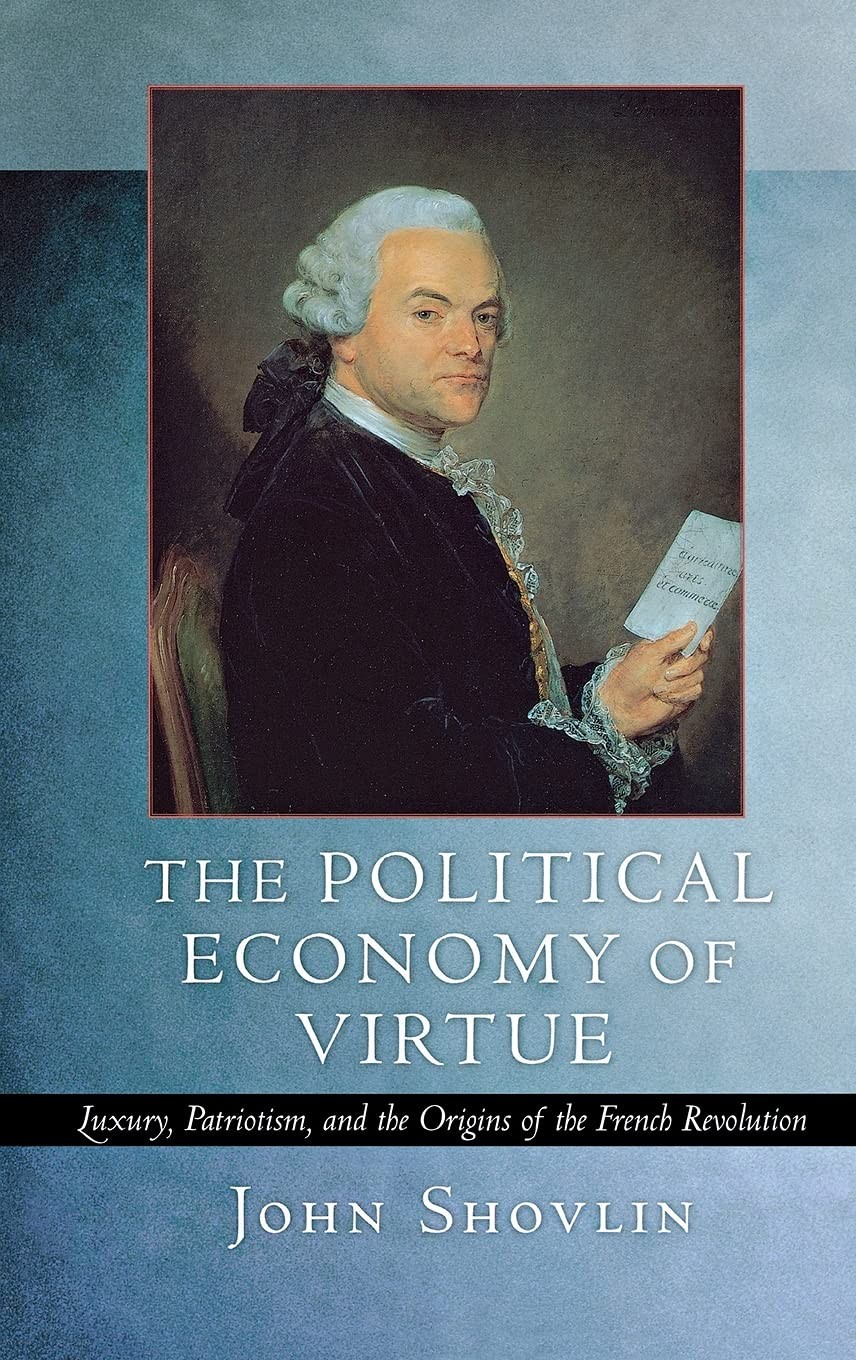
The Political Economy of Virtue: Luxury, Patriotism, And the Origins of the French Revolution by John Shovlin – A Schola
Inclusive of all applicable taxes. FREE shipping on all orders.
Available Offers
- 🚚Free Delivery — Free shipping on all orders
- 💵Cash on Delivery — Pay when your order arrives
- ↩️15-Day Easy Returns — Hassle-free return policy
- 🔒Cash on Delivery — Pay safely when your order arrives
Check Delivery
Product Description
Introduction
In the vast landscape of revolutionary history, few works offer a lens as sharp and original as John Shovlin's The Political Economy of Virtue: Luxury, Patriotism, And the Origins of the French Revolution. This compelling hardcover volume, published by Cornell University Press, takes readers beyond the familiar narratives of bread shortages and royal mismanagement to uncover a deeper cultural and economic transformation. For Indian readers fascinated by the interplay of ideas, commerce, and political change, this book is an intellectual treasure that redefines how we understand the birth of modern democracy.
Book Overview
Shovlin argues that the French Revolution was not merely a political upheaval but a profound reimagining of economic life as a patriotic duty. Between the 1740s and the early 1800s, a flood of political economic tracts reshaped public discourse. Mid-level French elites—magistrates, clerics, lawyers, soldiers, and landed gentlemen—grappled with a pressing question: how could France restore its moral and economic strength without succumbing to the corrupting lure of luxury? The answer, they believed, lay in a 'political economy of virtue' that tied civic spirit to productive enterprise. This book traces that intellectual journey with remarkable clarity.
Key Highlights
- Original Framework: Shovlin presents a fresh interpretation of the French Revolution by centering economic virtue and patriotism as driving forces.
- Rich Primary Sources: The analysis draws on hundreds of political economic tracts from the 1740s to the early nineteenth century, offering rare insight into the minds of the era.
- Cultural Transformation: The book reveals how farmers, merchants, and manufacturers were reimagined as potential citizens, not mere profit-seekers.
- Elite Perspectives: Focuses on mid-level elites—often overlooked in grand narratives—who sought to balance personal interests with national regeneration.
- Global Relevance: The themes of luxury, patriotism, and civic virtue resonate powerfully with contemporary debates in India and beyond.
Inside the Book
The narrative unfolds in a series of interconnected chapters that explore the tension between luxury and patriotism. Shovlin dissects how French thinkers argued that unchecked consumption eroded moral fiber, while productive labor and commerce could strengthen the nation. He examines debates over trade, agriculture, and manufacturing, showing how these discussions shaped revolutionary ideology. Readers will encounter vivid examples of pamphlets, treatises, and public debates that brought economic questions to the forefront of political life. The book balances rigorous scholarship with accessible storytelling, making it a rewarding read for both specialists and curious minds.
Key Topics
- The origins of French revolutionary thought in economic discourse
- Luxury as a moral and political problem in the eighteenth century
- Patriotism and the redefinition of economic agents as citizens
- The role of mid-level elites in shaping public opinion
- Comparative perspectives on virtue, commerce, and national decline
- The cultural transformation of economic life in pre-revolutionary France
Reader Benefits
This book offers Indian students and scholars a unique opportunity to understand how economic ideas can ignite political change. It challenges simplistic narratives of revolution, encouraging readers to think critically about the relationship between morality, wealth, and citizenship. The detailed analysis of primary sources provides a model for historical research that is both rigorous and imaginative. For those interested in political economy, history, or sociology, this volume enriches one's perspective on how societies evolve through the interplay of ideas and interests.
Learning Outcomes
- Gain a nuanced understanding of the French Revolution's intellectual origins beyond political slogans.
- Learn how economic debates shaped the concept of citizenship and national identity.
- Develop critical thinking about the ethical dimensions of commerce and luxury in historical contexts.
- Understand the role of print culture and public discourse in mobilizing revolutionary change.
- Apply insights from eighteenth-century France to contemporary discussions on economic patriotism and civic virtue.
Who Should Read
This book is ideal for advanced undergraduate and postgraduate students of history, economics, political science, and cultural studies. It is equally valuable for researchers exploring the French Revolution, the history of economic thought, or the sociology of elites. General readers with a passion for European history and the roots of modern democracy will find it deeply engaging. Indian readers interested in comparative studies of nationalism, luxury, and patriotism will discover rich parallels and contrasts with their own historical experiences.
About the Author
John Shovlin is a distinguished historian whose work focuses on the political and economic culture of eighteenth-century France. He has taught at New York University and has contributed extensively to scholarly journals on the French Revolution. His research is known for its meticulous archival work and its ability to connect economic ideas with broader social transformations. In this book, Shovlin demonstrates a rare talent for making complex intellectual history accessible and compelling.
About the Publisher
Cornell University Press is one of the most respected academic publishers in the world, with a long tradition of producing authoritative works in history, political science, and economics. Their commitment to rigorous scholarship and elegant production is evident in every volume they release. This hardcover edition is built to last, with high-quality binding and paper that will serve students and collectors for years to come.
Conclusion
The Political Economy of Virtue is not just a book about the French Revolution—it is a meditation on how societies navigate the eternal tension between wealth and morality, self-interest and the common good. John Shovlin's masterful synthesis of economic thought and cultural history offers readers a new way of seeing the past, with lessons that resonate in our own times. For anyone seeking to understand the deep roots of modern political and economic life, this volume is an indispensable addition to their library.
Quick Summary
The Political Economy of Virtue: Luxury, Patriotism, And the Origins of the French Revolution by John Shovlin is a groundbreaking study that reinterprets the intellectual and cultural origins of the French Revolution through the lens of political economy. Shovlin argues that between the 1740s and the early nineteenth century, French mid-level elites—magistrates, clerics, lawyers, soldiers, and landed gentlemen—engaged deeply with economic questions as a way to reconcile their own interests with the need to regenerate a nation in crisis. Drawing on hundreds of contemporary economic tracts, he shows how economic activity was reimagined as a patriotic pursuit, and how farmers, merchants, and manufacturers came to be seen as potential citizens. The book explores debates over luxury, commerce, and virtue, revealing how these discussions laid the groundwork for revolutionary ideology. This book is ideal for advanced students, researchers, and anyone interested in the intersection of economic thought and political change. By purchasing from Bookshops.in, Indian readers gain access to a premium hardcover edition of a seminal work in eighteenth-century studies.
Book Highlights
Book Specifications
| ISBN-13 | 9780801444791 |
| ISBN-10 | 0801444799 |
| Publisher | Cornell Univ Pr |
| Language | English |
| Dimensions | 15.54 x 2.39 x 23.5 cm |
| Weight | 572 g |
| Country | India |
| Category | Economics › Economic History |
| Genre | Non-fiction |
| Original Language | English |
Frequently Asked Questions
What is the main thesis of The Political Economy of Virtue?
Who is John Shovlin?
Is this book suitable for Indian students?
What time period does the book cover?
How is this book different from other works on the French Revolution?
What does 'political economy of virtue' mean?
Is the book heavily theoretical?
Can I use this book for my PhD research?
Does the book discuss the role of women?
What is the binding of this book?
Is the book available in Indian bookstores?
What is the price of the book?
Does the book have an index and bibliography?
Readers Also Search For
Customers Also Bought
Entrepreneurship
Chinese Economic Revolution (English, Linda Grove)
Entrepreneurship
Engines of Innovation: The Entrepreneurial University in the Twenty-First Century by Holden Thorp

Entrepreneurship
Invention to Innovation (English, PhD Marshall Larry | Jenna Daroczy)

Entrepreneurship
Database Management Systems by Raghu Ramakrishnan – DBMS Textbook

Entrepreneurship
Decision-making for Technology Executives by Harold A. Linstone
Entrepreneurship
The Business Innovation Audit (English, William Tate)
Related Products
View All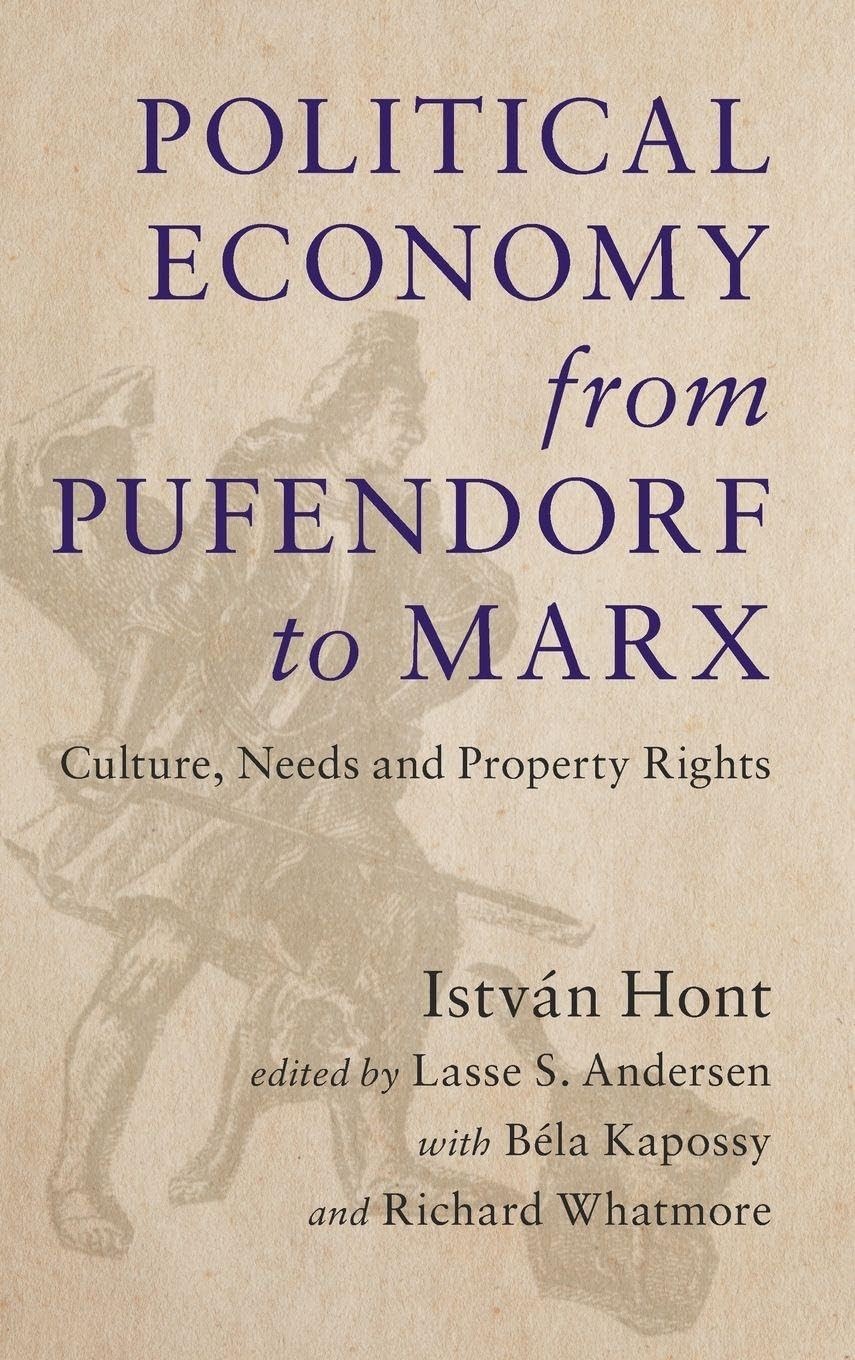
Economics
Political Economy from Pufendorf to Marx (English, István Hont | Lasse S. Andersen | Béla Kapossy)
Economics
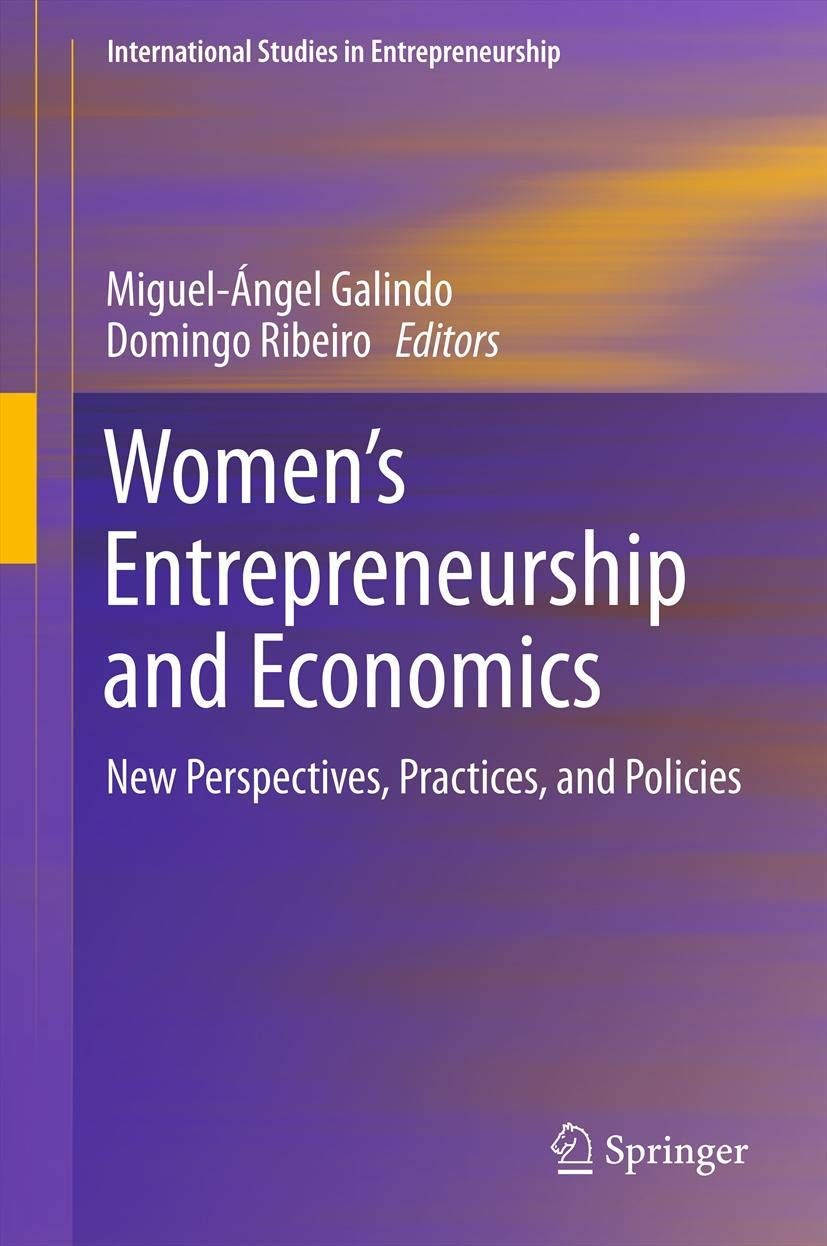
Women's Entrepreneurship and Economics (English, Miguel-Angel Galindo | Domingo Ribeiro)
Economics
Trade Policy and Industrialization in Turbulent Times | by Gerry Helleiner | Routledge | by Gerry Helleiner | Routledge | by Gerry Helleiner | Routledge | by Gerry Helleiner | Routledge | by Gerry Helleiner | Routledge | by Gerry Helleiner | Routledge | by Gerry Helleiner | Routledge | by Gerry Helleiner | Routledge | by Gerry Helleiner | Routledge | by Gerry Helleiner | Routledge | by Gerry Helleiner | Routledge | by Gerry Helleiner | Routledge | by Gerry Helleiner | Routledge | by Gerry Hellei
Economics
History of Economic Analysis | by Schumpeter Joseph A. | Taylor & Francis Ltd | by Schumpeter Joseph A. | Taylor & Francis Ltd | by Schumpeter Joseph A. | Taylor & Francis Ltd | by Schumpeter Joseph A. | Taylor & Francis Ltd | by Schumpeter Joseph A. | Taylor & Francis Ltd | by Schumpeter Joseph A. | Taylor & Francis Ltd | by Schumpeter Joseph A. | Taylor & Francis Ltd | by Schumpeter Joseph A. | Taylor & Francis Ltd | by Schumpeter Joseph A. | Taylor & Franci
Economics
OECD Compendium of Productivity Indicators 2015 | by Organization for Economic Cooperation an | Organization for Economic Co-Operation & Deve | by Organization for Economic Cooperation an | Organization for Economic Co-Operation & Deve | by Organization for Economic Cooperation an | Organization for Economic Co-Operation & Deve | by Organization for Economic Cooperation an | Organization for Economic Co-Operation & Deve | by Organization for Economic Cooperation an | Organization

Economics