

The Politics of Vibration: Music as a Cosmopolitical Practice by Marcus Boon – A Deep Dive into Sound, Vibrational Polit
Inclusive of all applicable taxes. FREE shipping on all orders.
Available Offers
- 🚚Free Delivery — Free shipping on all orders
- 💵Cash on Delivery — Pay when your order arrives
- ↩️15-Day Easy Returns — Hassle-free return policy
- 🔒Cash on Delivery — Pay safely when your order arrives
Check Delivery
Product Description
Introduction
In an age where sound permeates every aspect of our lives—from the rhythmic chants of a temple in Varanasi to the bass lines of a Mumbai underground club—The Politics of Vibration: Music as a Cosmopolitical Practice by Marcus Boon offers a profound rethinking of music’s role in shaping human existence. Far beyond mere entertainment, this book positions music as a material, vibrational force that connects bodies, communities, and ecosystems. For Indian readers navigating a diverse sonic landscape, Boon’s work provides a compelling framework to understand how music can be a tool for personal and collective transformation, bridging ancient traditions with contemporary global politics.
Book Overview
Published by Duke University Press, this hardcover volume delves into the idea that music is not just an art form but a practice rooted in the physics of vibration. Marcus Boon argues that by engaging with music—whether through listening, performing, or composing—we participate in a politics that shapes our relationships with ourselves, others, and the world. Drawing from ethnomusicology, philosophy, and cultural studies, the book explores how vibrational practices have been used across cultures to foster solidarity, resistance, and healing. It challenges readers to see music as a cosmopolitical practice—one that transcends borders and creates shared spaces of meaning.
Key Highlights
- Original Framework: Introduces the concept of “vibrational politics” as a way to understand music’s material and social impact.
- Cross-Cultural Examples: Examines musical traditions from India, Africa, Europe, and the Americas, showing how vibration unites diverse practices.
- Interdisciplinary Approach: Blends insights from sound studies, political theory, and anthropology to create a rich, accessible narrative.
- Critical Engagement: Addresses how music can challenge power structures and foster new forms of community.
Inside the Book
The book is structured into thematic chapters that guide readers through the philosophical and practical dimensions of vibration. Boon begins by unpacking the scientific and metaphysical roots of vibration, linking them to ancient Indian concepts like nada brahman (the world as sound). He then moves into case studies—from the use of drumming in protest movements to the role of ragas in creating emotional and political atmospheres. Each chapter is peppered with references to thinkers like Deleuze and Guattari, as well as contemporary musicians, making the text both rigorous and relatable. The writing balances academic depth with vivid storytelling, ensuring that even complex ideas feel tangible.
Key Topics
- Vibration as Material Practice: How sound waves affect bodies and environments.
- Music and Cosmopolitics: The role of sound in creating global yet localized communities.
- Power and Resistance: Using music to challenge authoritarianism and inequality.
- Sacred and Secular Sound: Exploring devotional music, classical traditions, and popular genres.
- Embodied Listening: How the act of hearing shapes identity and belonging.
Reader Benefits
Indian readers will find this book particularly resonant as it speaks to the subcontinent’s deep-rooted sonic heritage—from the dhrupad of the Mughal courts to the film music that defines modern culture. By reading this book, you will gain a vocabulary to articulate how music influences politics in everyday life, from election campaigns to religious festivals. It also offers practical insights for musicians, activists, and educators who want to harness sound for social change. The book’s global perspective helps situate Indian musical practices within a broader conversation about power, spirituality, and community.
Learning Outcomes
- Critical Thinking: Analyze music as a political and material force rather than mere entertainment.
- Cultural Awareness: Understand how different societies use vibration to build collective identities.
- Applied Knowledge: Identify ways to engage with music as a tool for personal and social transformation.
- Interdisciplinary Skills: Connect concepts from philosophy, science, and art to real-world scenarios.
Who Should Read
This book is ideal for students and scholars of political science, musicology, cultural studies, and anthropology. It also appeals to musicians, sound artists, and music enthusiasts who want to deepen their understanding of their craft. For Indian readers—whether you are a classical vocalist, a Bollywood fan, or a student of social movements—this book offers a fresh lens to see the sounds around you. It is equally valuable for activists and community organizers interested in the role of art in resistance.
About the Author
Marcus Boon is a professor of English at York University in Toronto, Canada, and a noted scholar of sound, spirituality, and politics. He is the author of several acclaimed books, including The Road of Excess: A History of Writers on Drugs and In Praise of Copying. Boon’s work is known for its interdisciplinary breadth, blending Eastern and Western philosophies with rigorous academic analysis. His deep engagement with Indian music and philosophy makes him a uniquely insightful guide for readers in India.
About the Publisher
Duke University Press is a prestigious academic publisher based in Durham, North Carolina, USA. Known for its cutting-edge work in the humanities and social sciences, the press has a strong commitment to publishing works that challenge conventional boundaries. Their catalog includes influential titles in sound studies, cultural theory, and global politics, making them the perfect home for a book that redefines music’s role in society. This hardcover edition ensures durability for years of reference and rereading.
Conclusion
The Politics of Vibration: Music as a Cosmopolitical Practice is not just a book—it is an invitation to listen differently. In a world often divided by noise, Marcus Boon shows how vibration can be a unifying force, a political act, and a path to deeper understanding. For Indian readers, it offers a chance to reconnect with the ancient wisdom of sound while engaging with contemporary global debates. Whether you are a student, a musician, or a curious mind, this book will transform the way you hear the world.
Quick Summary
The Politics of Vibration: Music as a Cosmopolitical Practice by Marcus Boon is a groundbreaking work that redefines music as a material practice of vibration. Rather than viewing music solely as art or entertainment, Boon argues that vibration itself constructs a space—both individual and collective—where transformation occurs. Drawing on cosmopolitical theory, the book bridges sound studies with political philosophy, offering readers a fresh lens to understand how sound shapes societies, identities, and power structures. This book is ideal for students and scholars of musicology, political theory, cultural studies, and anyone fascinated by the interplay of sound and society. Indian readers will find the concepts applicable to local musical traditions and contemporary social issues. Published by Duke University Press in a premium hardcover edition, this is a must-have for serious readers. Buy your copy from Bookshops.in, India's trusted online bookstore, and enjoy free delivery across the country.
Book Highlights
Book Specifications
| ISBN-13 | 9781478015765 |
| ISBN-10 | 1478015764 |
| Publisher | Duke University Press |
| Language | English |
| Dimensions | 15.24 x 1.75 x 22.86 cm |
| Weight | 544 g |
| Country | India |
| Category | Literature › Literary Theory |
| Genre | Non-fiction |
| Reading Age | Adult |
| Original Language | English |
Frequently Asked Questions
What is The Politics of Vibration about?
Who is the author of this book?
Is this book suitable for Indian readers?
What format is this book?
Which publisher released this book?
What is the ISBN?
Is this book part of a series?
Can I use this book for academic research?
What language is the book in?
Does the book cover Indian music traditions?
What is the price of the book?
How is this book different from other music theory books?
Where can I buy this book in India?
Readers Also Search For
Customers Also Bought

International Relations
Clients, Rivals, and Rogues: Why Great Powers Intervene in Revolutionary Civil Wars
International Relations
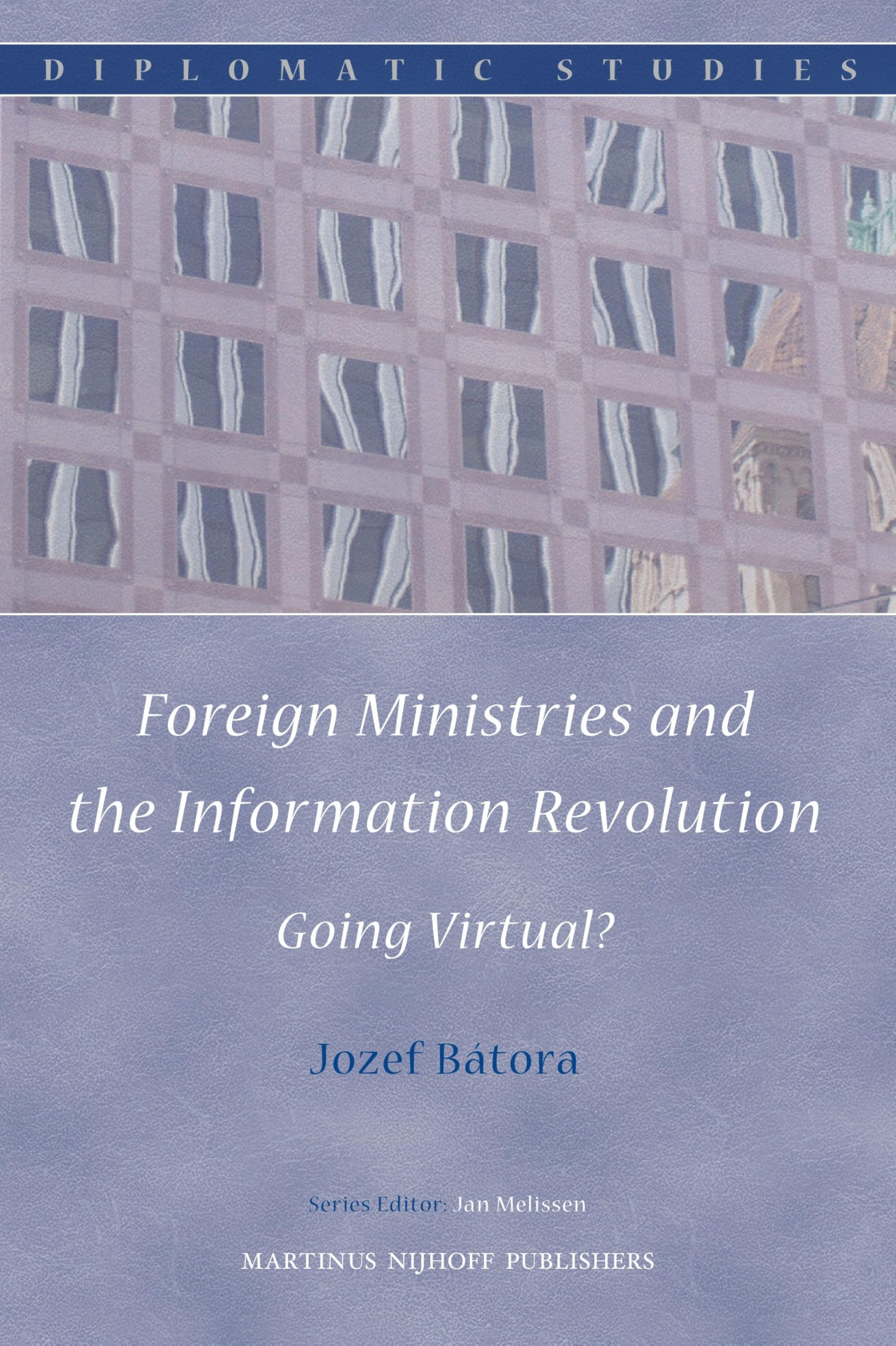
Foreign Ministries and the Information Revolution: Going Virtual?: 2 (Diplomatic Studies)
International Relations
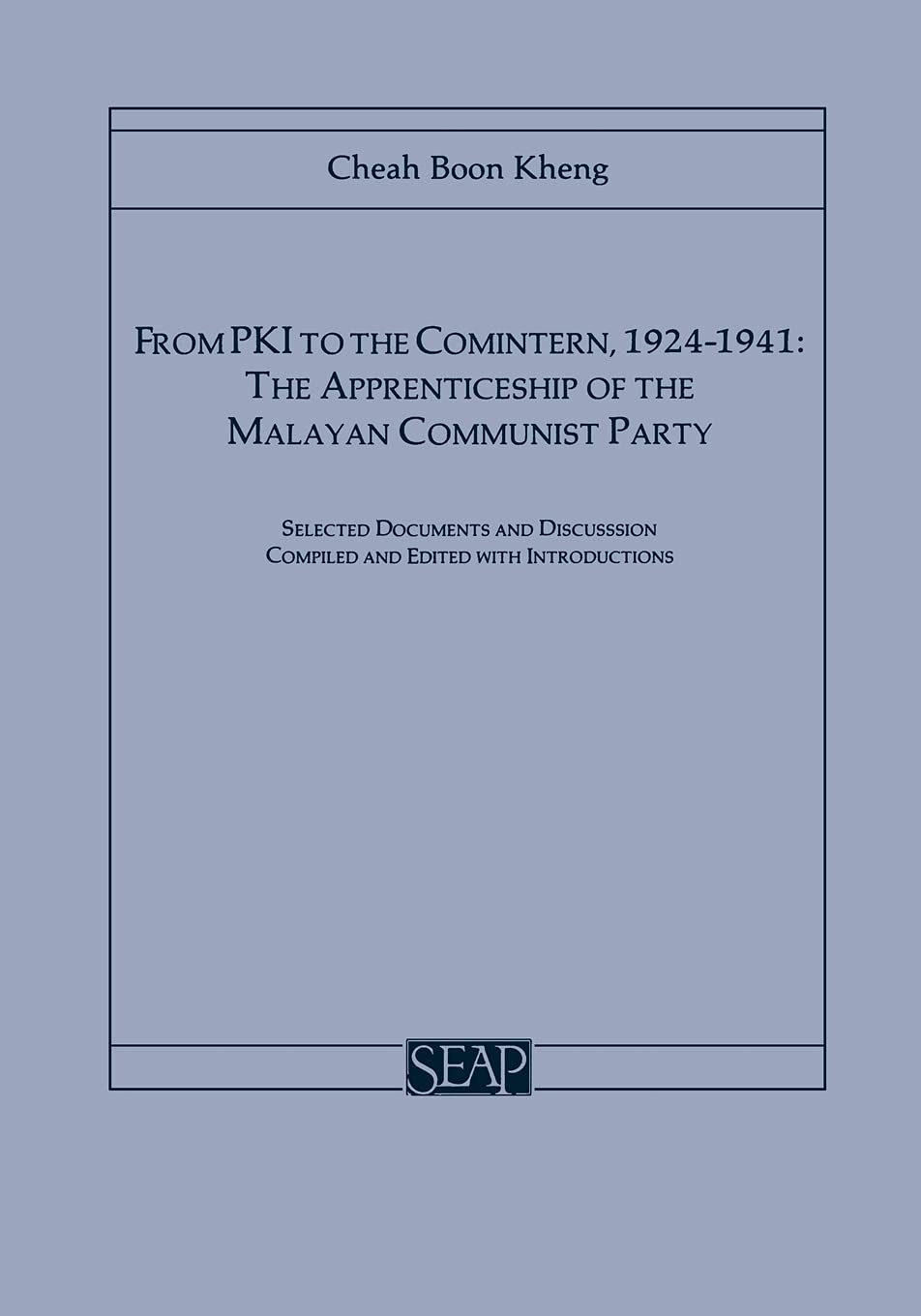
From Pki to Comintern, 1924-1941: The Apprenticeship of the Malayan Communist Party: 8 (Southeast Asia Program Series, 8)

International Relations
The Evolving Terrorist Threat to Southeast Asia: A Net Assessment

International Relations
The Naval Policy of Austria-Hungary 1867-1918: Navalism, Industrial Development, and the Politics of Dualism (Central European Studies)

International Relations
New Technologies and Law of the Marine Environment: Nouvelles Technologies Et Droit De L'Environment Marin: 55 (International Enviornmental Law and Policy, 55)
Related Products
View All
Politics
Chicano Politics | by Juan Gómez-Quiñones | Unm Press | by Juan Gómez-Quiñones | Unm Press | by Juan Gómez-Quiñones | Unm Press | by Juan Gómez-Quiñones | Unm Press | by Juan Gómez-Quiñones | Unm Press | by Juan Gómez-Quiñones | Unm Press | by Juan Gómez-Quiñones | Unm Press | by Juan Gómez-Quiñones | Unm Press | by Juan Gómez-Quiñones | Unm Press | by Juan Gómez-Quiñones | Unm Press | by Juan Gómez-Quiñones | Unm Press | by Juan Gómez-Quiñones | Unm Press | by Juan Gómez-Quiñones | Unm Press |
Politics
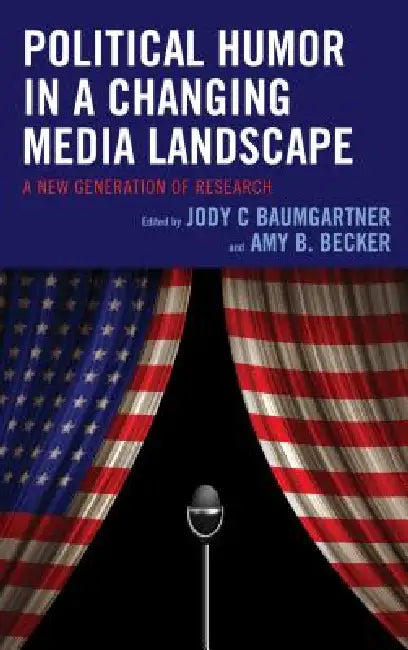
Political Humor in a Changing Media Landscape | by Jody C. Baumgartner | Amy B. Becker | Jody C. Baumgartner | Lexington Books | by Jody C. Baumgartner | Amy B. Becker | Jody C. Baumgartner | Lexington Books | by Jody C. Baumgartner | Amy B. Becker | Jody C. Baumgartner | Lexington Books | by Jody C. Baumgartner | Amy B. Becker | Jody C. Baumgartner | Lexington Books | by Jody C. Baumgartner | Amy B. Becker | Jody C. Baumgartner | Lexington Books | by Jody C. Baumgartner | Amy B. Becker | Jody C
Politics
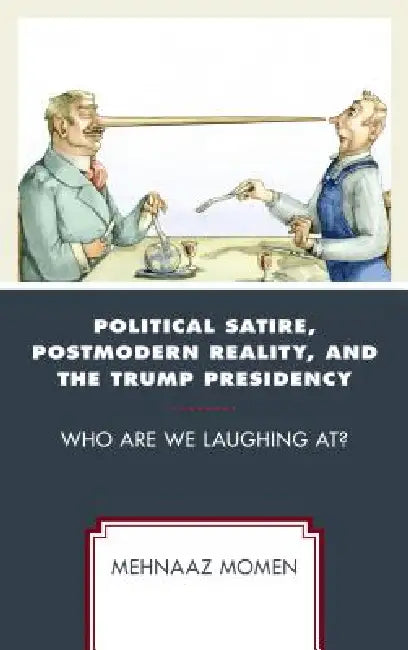
Political Satire, Postmodern Reality, and the Trump Presidency | by Mehnaaz Momen | Lexington Books | by Mehnaaz Momen | Lexington Books | by Mehnaaz Momen | Lexington Books | by Mehnaaz Momen | Lexington Books | by Mehnaaz Momen | Lexington Books | by Mehnaaz Momen | Lexington Books | by Mehnaaz Momen | Lexington Books | by Mehnaaz Momen | Lexington Books | by Mehnaaz Momen | Lexington Books | by Mehnaaz Momen | Lexington Books | by Mehnaaz Momen | Lexington Books | by Mehnaaz Momen | Lexington

Politics
The Paradox of Political Philosophy | by Jacob Howland | Rowman & Littlefield Publishers | by Jacob Howland | Rowman & Littlefield Publishers | by Jacob Howland | Rowman & Littlefield Publishers | by Jacob Howland | Rowman & Littlefield Publishers | by Jacob Howland | Rowman & Littlefield Publishers | by Jacob Howland | Rowman & Littlefield Publishers | by Jacob Howland | Rowman & Littlefield Publishers | by Jacob Howland | Rowman & Littlefield Publishers | by Jac
Politics
Odyssey of Political Theory | by Patrick J. Deneen | Rowman & Littlefield Publishers | by Patrick J. Deneen | Rowman & Littlefield Publishers | by Patrick J. Deneen | Rowman & Littlefield Publishers | by Patrick J. Deneen | Rowman & Littlefield Publishers | by Patrick J. Deneen | Rowman & Littlefield Publishers | by Patrick J. Deneen | Rowman & Littlefield Publishers | by Patrick J. Deneen | Rowman & Littlefield Publishers | by Patrick J. Deneen | Rowman & Littlef
Politics