
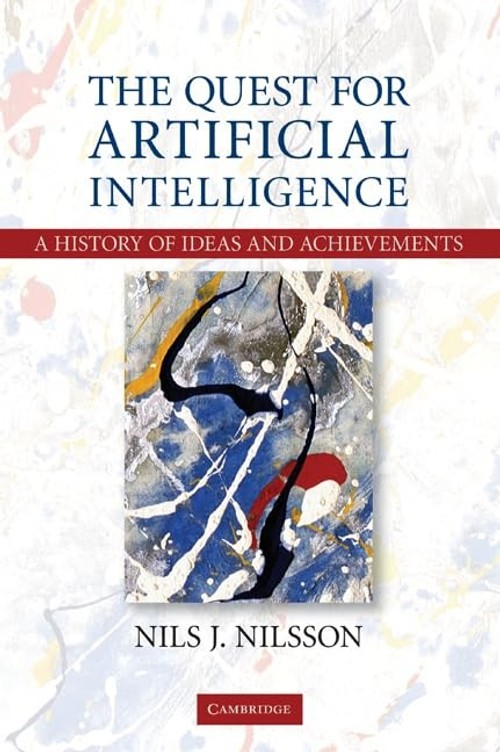
The Quest for Artificial Intelligence: A History of Ideas and Achievements by Nils J. Nilsson – A Definitive Guide to AI
Inclusive of all applicable taxes. FREE shipping on all orders.
Available Offers
- 🚚Free Delivery — Free shipping on all orders
- 💵Cash on Delivery — Pay when your order arrives
- ↩️15-Day Easy Returns — Hassle-free return policy
- 🔒Cash on Delivery — Pay safely when your order arrives
Check Delivery
Product Description
Introduction
The story of artificial intelligence is as much about human ambition as it is about machines. In The Quest for Artificial Intelligence: A History of Ideas and Achievements, Nils J. Nilsson, a pioneering figure in AI research, takes you on an extraordinary journey from the earliest dreams of creating thinking machines to the cutting-edge technologies that now shape our world. This definitive hardcover volume from Cambridge University Press is an essential addition to the library of every Indian student, researcher, and technology enthusiast who wants to understand how AI evolved from philosophical speculation into a transformative force in modern life.
Book Overview
This comprehensive work traces the intellectual and technical evolution of artificial intelligence across centuries. Nilsson begins with the ancient myths and philosophical musings about artificial beings, moves through the formal logic of the Enlightenment, and then dives deep into the computational breakthroughs of the twentieth and twenty-first centuries. The book covers everything from early neural networks and symbolic reasoning to modern machine learning, natural language processing, and robotics. With a balanced blend of technical depth and accessible prose, it offers a panoramic view of how AI has grown from a fringe idea into a cornerstone of contemporary science and industry.
Key Highlights
- Authoritative Author: Written by Nils J. Nilsson, a legendary AI researcher and co-founder of Stanford University's AI laboratory, ensuring unparalleled credibility and insight.
- Comprehensive Timeline: Covers over 300 years of AI history, from 18th-century automata to 21st-century deep learning systems.
- Rich Visual Aids: Includes numerous diagrams and illustrations that simplify complex AI concepts for readers at all levels.
- Scholarly Yet Accessible: End-of-chapter notes provide citations to original research papers and sources, making it a valuable resource for academics without sacrificing readability.
- Indian Context: Explains technologies like speech recognition and facial detection that are increasingly relevant in India's digital ecosystem.
Inside the Book
Readers will explore the inner workings of landmark AI programs, from the early logic-based systems of the 1950s to today's neural networks powering search engines and virtual assistants. Nilsson describes how AI systems actually function—using straightforward language and visual examples—so that even readers without a computer science background can grasp the fundamental principles. The book also delves into the philosophical debates that have accompanied AI's development, including questions about consciousness, creativity, and the ethical implications of intelligent machines.
Key Topics
- Early dreams of artificial life in ancient mythology and Enlightenment philosophy
- The birth of AI as a formal discipline at the Dartmouth Conference in 1956
- Symbolic AI and expert systems of the 1960s and 1970s
- The rise of neural networks and connectionist models
- Machine learning, reinforcement learning, and deep learning breakthroughs
- Natural language processing and speech recognition technologies
- Robotics and autonomous systems from industrial arms to self-driving cars
- AI in everyday applications like healthcare, finance, and entertainment
Reader Benefits
- Gain a deep, historical perspective on AI that goes beyond current hype and headlines.
- Understand how AI systems work at a conceptual level, demystifying technologies you use daily.
- Learn from one of the field's founding fathers about the key ideas that shaped modern computing.
- Build a strong foundation for further study or professional work in AI and data science.
- Appreciate the ethical and societal challenges that accompany AI adoption in India and globally.
Learning Outcomes
By the end of this book, you will be able to trace the major milestones in AI history, explain the differences between symbolic AI and machine learning, identify the contributions of key researchers and institutions, evaluate the promises and limitations of current AI technologies, and engage critically with debates about AI's future. The knowledge gained here is invaluable for anyone preparing for a career in technology, research, or policy.
Who Should Read
This book is ideal for Indian computer science students and professors seeking a rigorous historical context for their studies; software engineers and data scientists wanting to understand the roots of their craft; entrepreneurs and business leaders looking to grasp AI's potential and limitations; curious general readers fascinated by the idea of intelligent machines; and anyone preparing for interviews or exams in AI and machine learning. It serves equally well as a textbook supplement and a standalone intellectual adventure.
About the Author
Nils J. Nilsson (1933–2019) was one of the foundational figures in artificial intelligence. He served as a professor at Stanford University and was a co-director of the Stanford AI Laboratory. His research spanned robotics, problem-solving, and machine learning, and he authored several classic textbooks including Principles of Artificial Intelligence. Nilsson was also a recipient of the ACM/SIGART Autonomous Agents Research Award and a Fellow of the American Association for Artificial Intelligence. His unique perspective as both a pioneer and a historian makes this book a treasure.
About the Publisher
Cambridge University Press is one of the world's oldest and most respected academic publishers, with a history dating back to 1534. Known for rigorous peer review and high editorial standards, Cambridge publishes authoritative works across all fields of science and humanities. This hardcover edition reflects their commitment to quality, featuring durable binding and clear typography that will withstand years of reference and study.
Conclusion
The Quest for Artificial Intelligence is more than a history book—it is a roadmap of human ingenuity. For Indian readers eager to understand how AI is reshaping education, healthcare, agriculture, and business, this volume provides the essential context and clarity needed to navigate the future. Whether you are a student in Bangalore, a researcher in Delhi, or a tech enthusiast in Mumbai, this book will deepen your appreciation for the ideas that are building tomorrow's world. Order your hardcover copy from Bookshops.in today and embark on a journey through the most fascinating quest in modern science.
Quick Summary
The Quest for Artificial Intelligence: A History of Ideas and Achievements by Nils J. Nilsson is a comprehensive and engaging chronicle of AI’s evolution from ancient dreams to cutting-edge systems. This book is perfect for Indian students, researchers, and tech enthusiasts who want to understand how AI developed and how it works today. Readers will learn about key milestones, influential pioneers, and the inner workings of AI programs like face recognition, speech software, and search engines. Nilsson’s clear writing, coupled with helpful diagrams and chapter notes, makes complex concepts accessible. By choosing Bookshops.in, you get a genuine hardcover edition delivered to your doorstep with trusted service across India.
Book Highlights
Book Specifications
| ISBN-13 | 9780521116398 |
| ISBN-10 | 0521116392 |
| Publisher | Cambridge University Press |
| Language | English |
| Dimensions | 15.88 x 3.18 x 23.5 cm |
| Weight | 920 g |
| Country | India |
| Category | Computer Science › Artificial Intelligence |
| Genre | Non-fiction |
| Original Language | English |
Frequently Asked Questions
What is The Quest for Artificial Intelligence about?
Who is the author of this book?
Is this book suitable for beginners?
What topics does the book cover?
Does the book include references?
How can this book help Indian students?
Is this book only about theoretical AI?
What is the reading level of this book?
Does the book have illustrations?
What is the ISBN of this book?
Can this book be used as a textbook?
What is the price of the book?
Why buy from Bookshops.in?
Readers Also Search For
Customers Also Bought
Computer Science
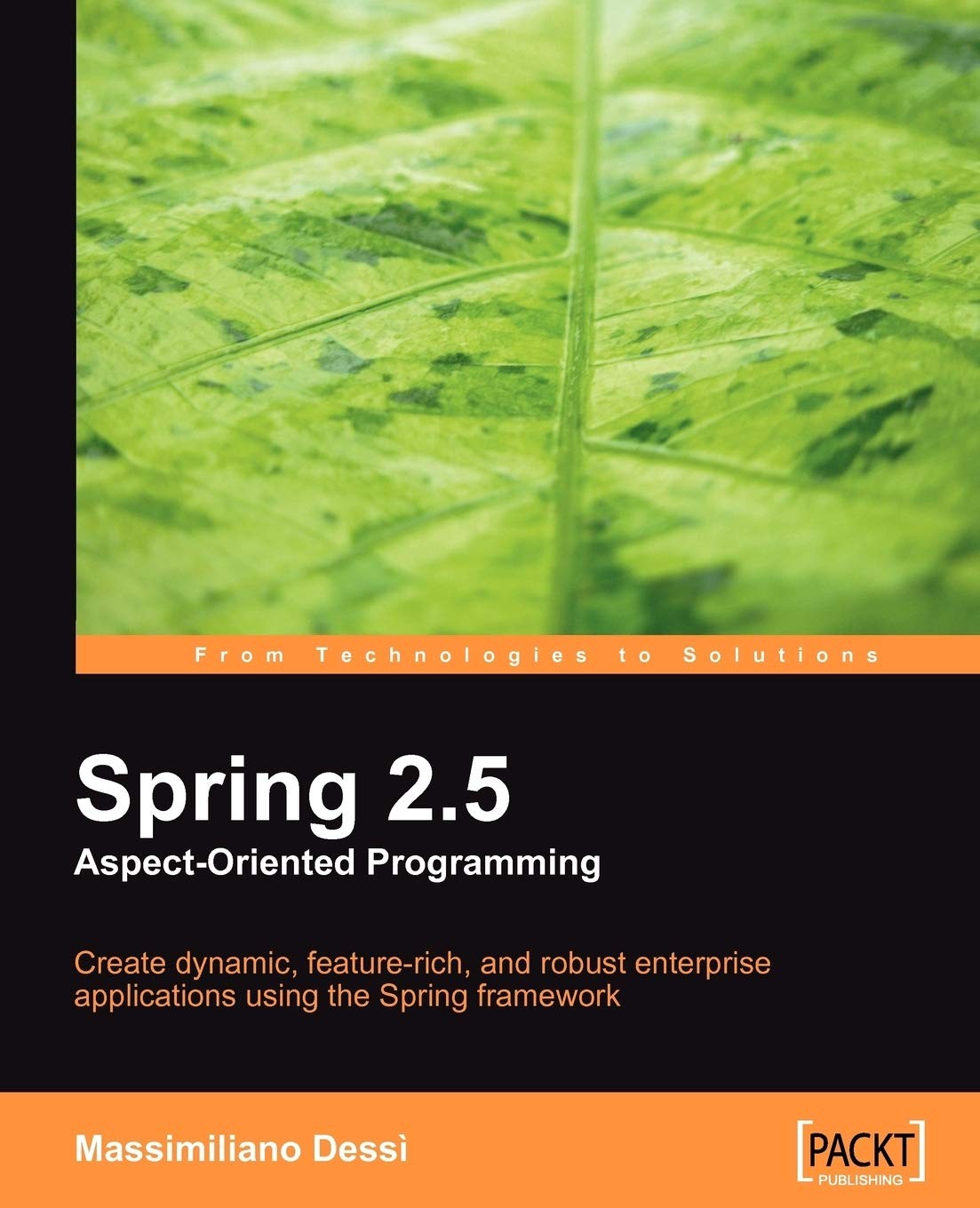
Spring 2.5 Aspect Oriented Programming (English, Massimiliano Dess� | Massimiliano Dessi)

Computer Science
Asterisk 1.4 - the Professional's Guide (English, Colman Carpenter | David Duffett | Nik Middleton)
Computer Science
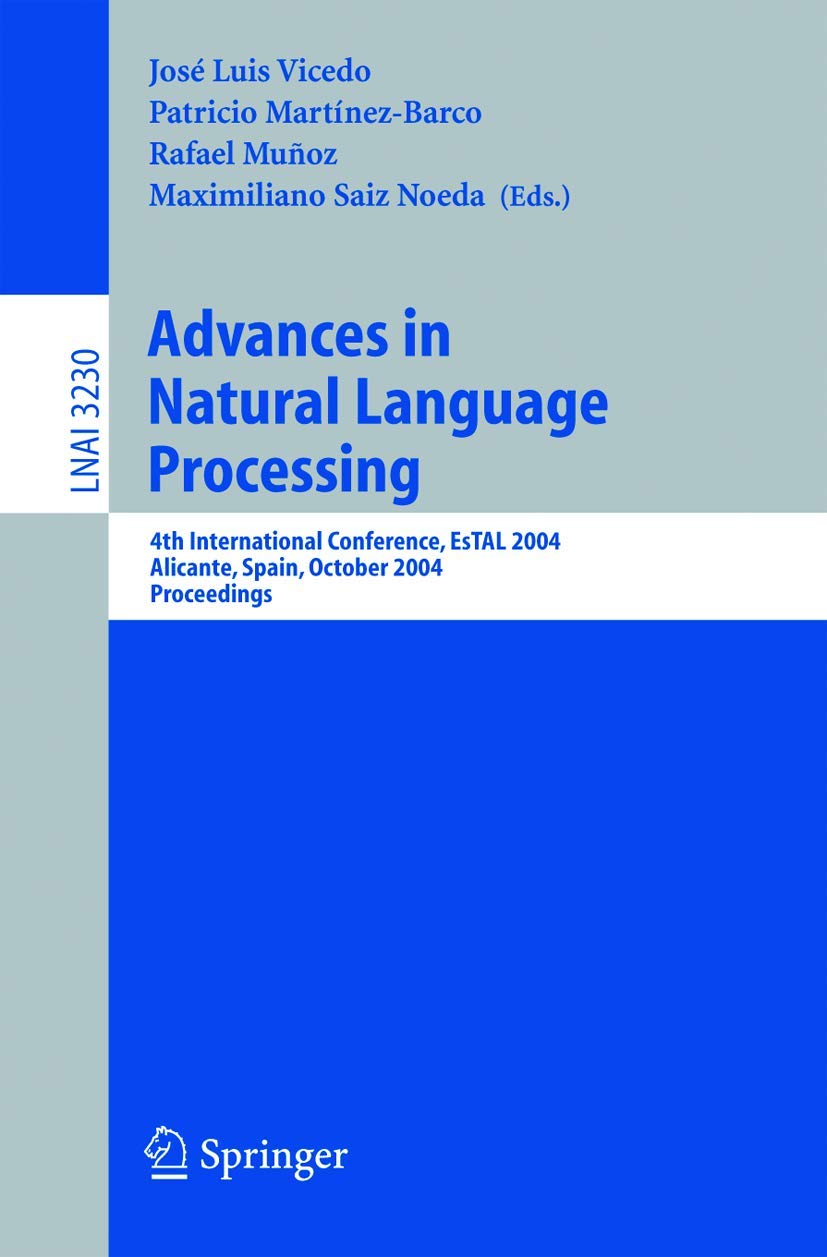
Advances In Natural Language Processing: 4th International Conference, Estal 2004, Alicante, Spain, October 20-22, 2004. Proceedings: 3230 (Lecture Notes in Computer Science)
Computer Science
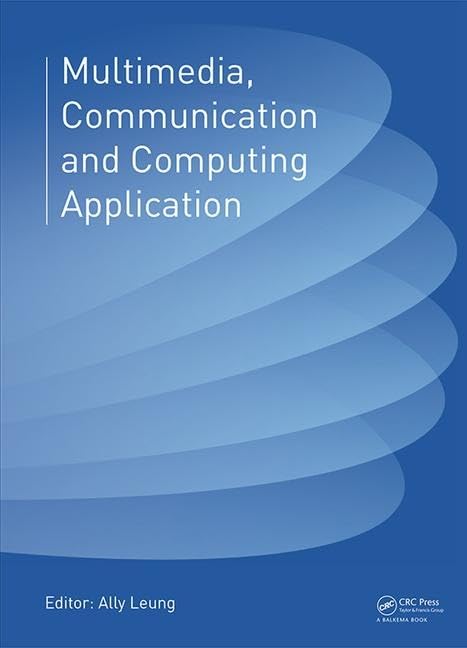
Multimedia, Communication and Computing Application: Proceedings of the 2014 International Conference on Multimedia, Communication and Computing ... 2014), Xiamen, China, October 16-17, 2014
Computer Science
Cases on Database Technologies and Applications (Cases on Information Technology Series)
Computer Science
ASP.Net 3.5 Social Networking (English, Andrew Siemer)
Related Products
View AllComputer Science
Spring 2.5 Aspect Oriented Programming (English, Massimiliano Dess� | Massimiliano Dessi)
Computer Science
Asterisk 1.4 - the Professional's Guide (English, Colman Carpenter | David Duffett | Nik Middleton)
Computer Science
Advances In Natural Language Processing: 4th International Conference, Estal 2004, Alicante, Spain, October 20-22, 2004. Proceedings: 3230 (Lecture Notes in Computer Science)
Computer Science
Multimedia, Communication and Computing Application: Proceedings of the 2014 International Conference on Multimedia, Communication and Computing ... 2014), Xiamen, China, October 16-17, 2014
Computer Science
Cases on Database Technologies and Applications (Cases on Information Technology Series)
Computer Science