

The Revolutions of 1989: Understanding the Collapse of Communism in Eastern Europe by Vladimir Tismaneanu
Inclusive of all applicable taxes. FREE shipping on all orders.
Available Offers
- 🚚Free Delivery — Free shipping on all orders
- 💵Cash on Delivery — Pay when your order arrives
- ↩️15-Day Easy Returns — Hassle-free return policy
- 🔒Cash on Delivery — Pay safely when your order arrives
Check Delivery
Product Description
Introduction
The year 1989 stands as a watershed moment in modern history, when the unthinkable became reality: the collapse of communist regimes across East and Central Europe. The Revolutions of 1989, edited by renowned political scientist Vladimir Tismaneanu, offers a profound and multi-faceted exploration of this transformative period. Published by Routledge in a durable hardcover edition, this volume is an essential resource for Indian students, scholars, and anyone seeking to understand the seismic shifts that reshaped the global political landscape. Whether you are a history enthusiast, a political science student, or a curious reader, this book provides the intellectual tools to grasp the causes, processes, and enduring legacies of these revolutions.
Book Overview
This carefully curated collection brings together classic and contemporary articles that dissect the collapse of Leninist regimes in East-Central Europe. Rather than offering a single narrative, the book presents a rich tapestry of perspectives, examining the economic, political, and social dimensions of these upheavals. It delves into the role of dissidents, the power of civil society, and the unique nature of these revolutions compared to earlier historical precedents. With contributions from leading scholars, the volume balances theoretical analysis with empirical case studies, making it equally valuable for academic study and general intellectual enrichment.
Key Highlights
- Comprehensive Coverage: Spans from the early stirrings of dissent to the final dismantling of communist structures, offering a full chronological and thematic sweep.
- Multi-Disciplinary Approach: Integrates political theory, sociology, and history to provide a holistic understanding of revolutionary change.
- Comparative Framework: Draws parallels with other major revolutions—such as the French and Russian revolutions—to highlight what made 1989 unique.
- Focus on Agency: Emphasizes the role of ordinary citizens, intellectuals, and grassroots movements in driving change, not just elite decisions.
- Critical Analysis: Includes debates on whether these events constituted genuine revolutions or were merely elite-led transitions.
Inside the Book
The volume is structured to guide readers from foundational concepts to advanced debates. Early chapters lay the groundwork by exploring the economic stagnation and ideological exhaustion of late communism. Subsequent sections examine the emergence of civil society, from Poland's Solidarity movement to Czechoslovakia's Velvet Revolution and the fall of the Berlin Wall. The book also addresses the international context—including Gorbachev's reforms and Western influence—and concludes with reflections on the post-communist transitions and the challenges of building democratic institutions. Each essay is prefaced by editorial commentary that situates it within broader scholarly conversations.
Key Topics
- The economic roots of communist collapse
- The political nature of revolutions and regime change
- The role of dissidents, from Vaclav Havel to Adam Michnik
- Civil society as a catalyst for democratic transformation
- Comparisons with the French, Russian, and other historical revolutions
- The extent of Leninist regime collapse in East-Central Europe
- Post-communist legacies and the struggle for democracy
Reader Benefits
Reading this book equips you with a nuanced understanding of one of the most consequential events of the twentieth century. You will learn to critically evaluate the interplay between economic factors, political leadership, and grassroots activism. The comparative insights will sharpen your analytical skills, useful for exams, essays, and debates. For Indian readers, the parallels with our own democratic journey—and the lessons about the fragility of authoritarian systems—are particularly striking. Moreover, the hardcover edition ensures durability for years of reference.
Learning Outcomes
- Understand the multifaceted causes behind the fall of communist regimes in Eastern Europe.
- Analyze the role of civil society and dissident movements in political change.
- Compare the 1989 revolutions with other major historical upheavals.
- Evaluate the successes and failures of post-communist transitions.
- Develop critical thinking about revolution, democracy, and authoritarianism.
Who Should Read
This book is ideal for undergraduate and postgraduate students of political science, history, and international relations. It is also a valuable resource for competitive exam aspirants in India—particularly those preparing for UPSC, UGC NET, or state civil services—who need a deep understanding of global political transformations. General readers with an interest in history, politics, or European affairs will find the essays accessible yet intellectually rigorous. Teachers and researchers will appreciate the curated selection of seminal texts.
About the Author
Vladimir Tismaneanu is a distinguished political scientist and professor at the University of Maryland, College Park. Born in Romania, he experienced firsthand the repressive nature of the Ceaușescu regime before emigrating to the United States. His scholarship focuses on comparative politics, ideology, and the history of communism. He has authored numerous acclaimed works, including Stalinism for All Seasons and The Devil in History. His personal background and academic expertise lend unique authority to this collection.
About the Publisher
Routledge is a globally respected academic publisher with a legacy spanning over 180 years. Known for its rigorous peer-review process and commitment to scholarly excellence, Routledge produces works that are widely adopted in universities worldwide. This hardcover edition reflects their dedication to quality, with sturdy binding and clear typography that withstands frequent use. For Indian readers, Routledge titles are a trusted source of authoritative knowledge in the social sciences and humanities.
Conclusion
The Revolutions of 1989 is more than a historical account—it is an intellectual journey into the heart of political change. By bringing together diverse voices and rigorous analysis, Vladimir Tismaneanu has created a volume that remains relevant decades after the events it describes. For Indian students and scholars seeking to understand the forces that shape our world, this book is an indispensable addition to any library. Order your copy today from Bookshops.in and explore the revolutions that redefined modern Europe.
Quick Summary
The Revolutions of 1989, edited by Vladimir Tismaneanu, is a seminal academic collection that dissects the dramatic collapse of communist regimes across Eastern and Central Europe. Bringing together both classic and contemporary essays, the book explores the economic stagnation, political repression, and social movements that ignited the uprisings of 1989. It pays special attention to the role of dissidents and civil society groups—such as Poland's Solidarity and Czechoslovakia's Charter 77—in challenging authoritarian rule. The volume also compares the 1989 revolutions with other major historical upheavals, offering a broader theoretical framework. Readers will gain a nuanced understanding of why Leninist regimes crumbled and what the transition to democracy entailed. This book is ideal for Indian students and scholars of political science, modern history, and international relations who seek authoritative, well-researched content. By purchasing from Bookshops.in, you receive a genuine hardcover edition that will serve as a lasting reference for academic work or personal enrichment.
Book Highlights
Book Specifications
| ISBN-13 | 9780415169493 |
| ISBN-10 | 0415169496 |
| Publisher | Routledge |
| Language | English |
| Dimensions | 16.2 x 2.08 x 23.99 cm |
| Weight | 612 g |
| Category | Economics › Economic History |
| Genre | Non-fiction |
| Original Language | English |
Frequently Asked Questions
What is The Revolutions of 1989 about?
Who edited The Revolutions of 1989?
Is this book suitable for Indian students?
Does the book cover the fall of the Berlin Wall?
What topics are covered in the book?
What is the language of the book?
Is this a hardcover or paperback edition?
What is the ISBN of this book?
Can I use this book for my research?
Does the book include comparisons with other revolutions?
Is there a focus on civil society?
Why should I buy from Bookshops.in?
Readers Also Search For
Customers Also Bought

Entrepreneurship
Chinese Economic Revolution (English, Linda Grove)
Entrepreneurship
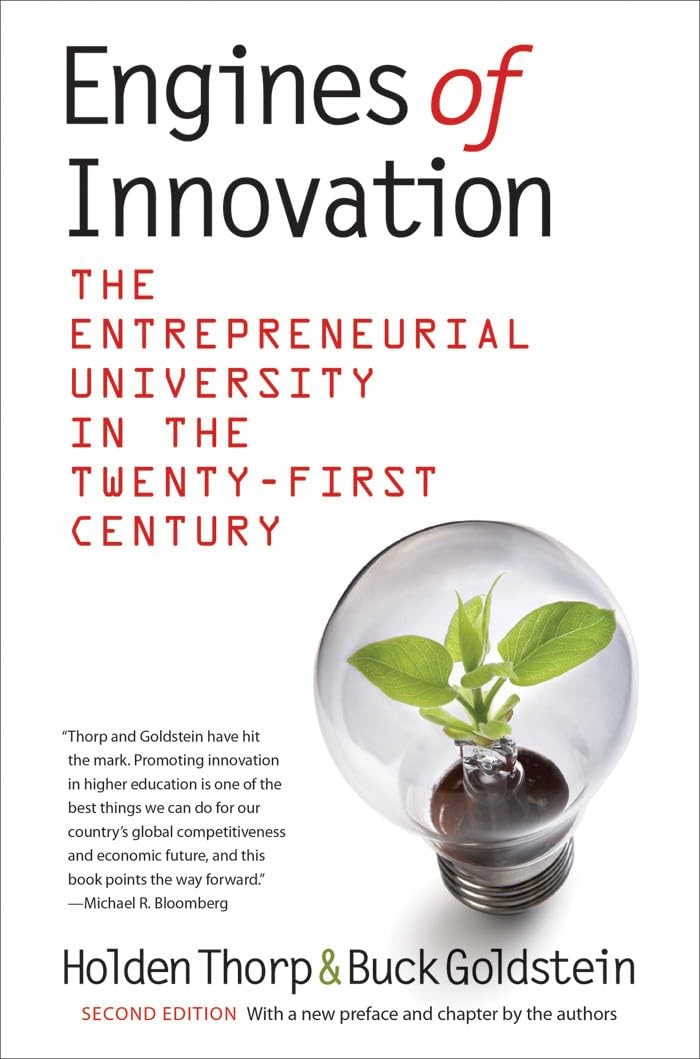
Engines of Innovation: The Entrepreneurial University in the Twenty-First Century by Holden Thorp

Entrepreneurship
Invention to Innovation (English, PhD Marshall Larry | Jenna Daroczy)

Entrepreneurship
Database Management Systems by Raghu Ramakrishnan – DBMS Textbook

Entrepreneurship
Decision-making for Technology Executives by Harold A. Linstone
Entrepreneurship
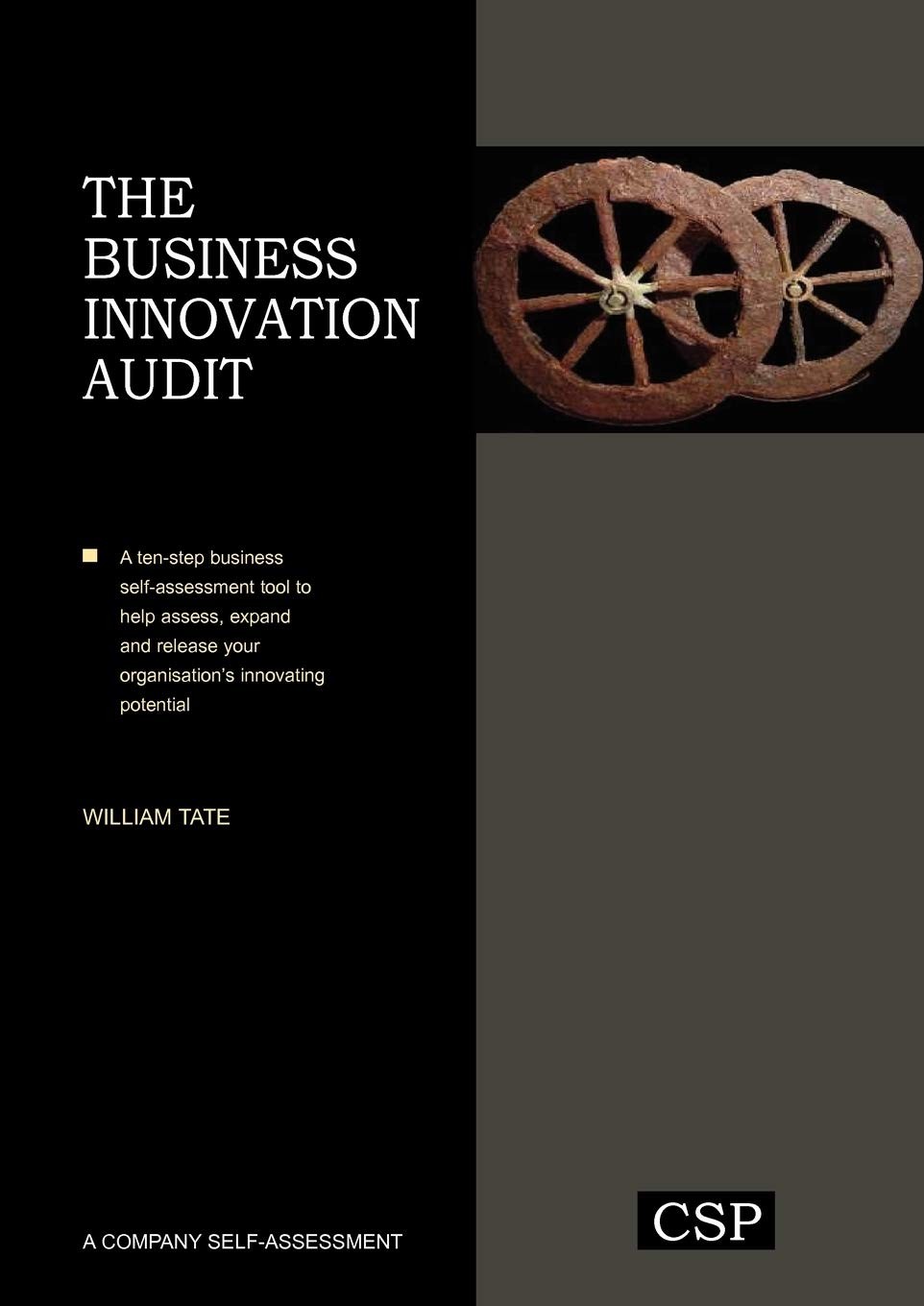
The Business Innovation Audit (English, William Tate)
Related Products
View All
Economics
Political Economy from Pufendorf to Marx (English, István Hont | Lasse S. Andersen | Béla Kapossy)
Economics
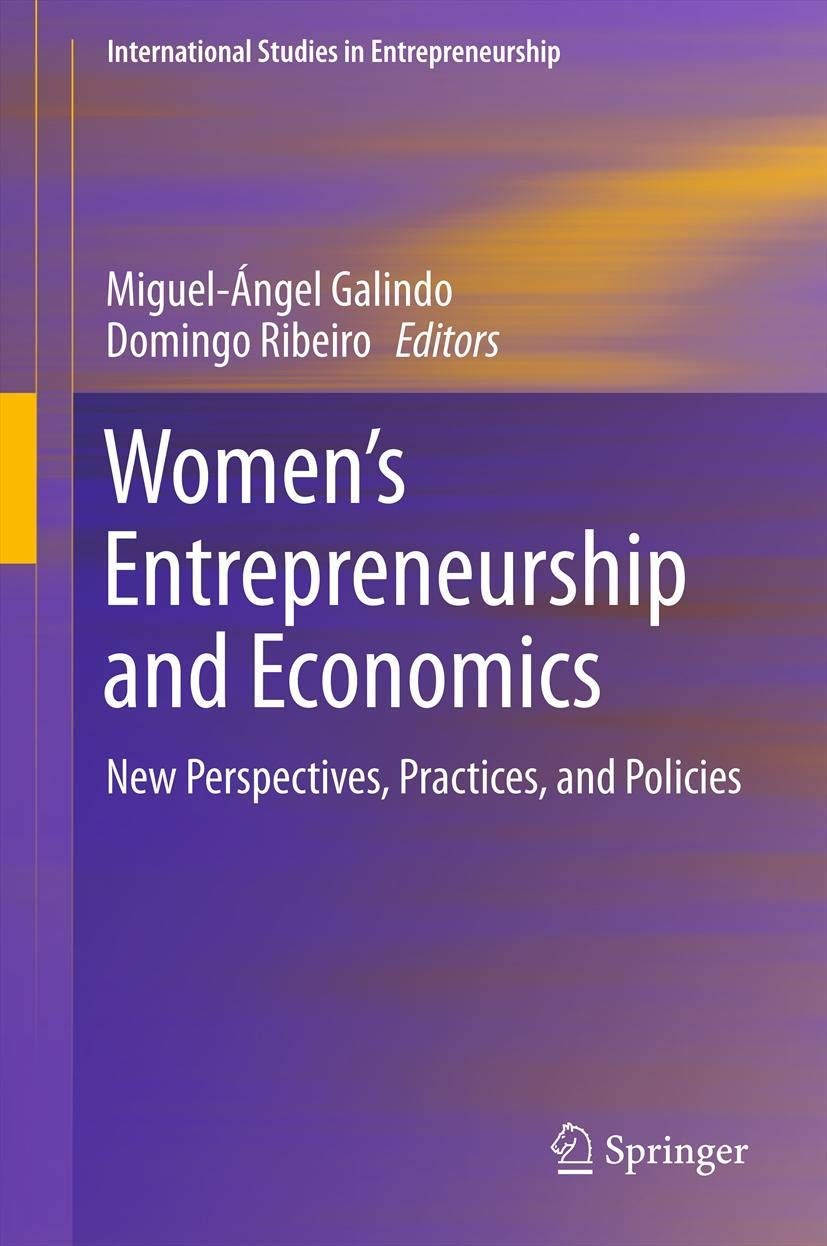
Women's Entrepreneurship and Economics (English, Miguel-Angel Galindo | Domingo Ribeiro)
Economics
Trade Policy and Industrialization in Turbulent Times | by Gerry Helleiner | Routledge | by Gerry Helleiner | Routledge | by Gerry Helleiner | Routledge | by Gerry Helleiner | Routledge | by Gerry Helleiner | Routledge | by Gerry Helleiner | Routledge | by Gerry Helleiner | Routledge | by Gerry Helleiner | Routledge | by Gerry Helleiner | Routledge | by Gerry Helleiner | Routledge | by Gerry Helleiner | Routledge | by Gerry Helleiner | Routledge | by Gerry Helleiner | Routledge | by Gerry Hellei
Economics
History of Economic Analysis | by Schumpeter Joseph A. | Taylor & Francis Ltd | by Schumpeter Joseph A. | Taylor & Francis Ltd | by Schumpeter Joseph A. | Taylor & Francis Ltd | by Schumpeter Joseph A. | Taylor & Francis Ltd | by Schumpeter Joseph A. | Taylor & Francis Ltd | by Schumpeter Joseph A. | Taylor & Francis Ltd | by Schumpeter Joseph A. | Taylor & Francis Ltd | by Schumpeter Joseph A. | Taylor & Francis Ltd | by Schumpeter Joseph A. | Taylor & Franci

Economics
OECD Compendium of Productivity Indicators 2015 | by Organization for Economic Cooperation an | Organization for Economic Co-Operation & Deve | by Organization for Economic Cooperation an | Organization for Economic Co-Operation & Deve | by Organization for Economic Cooperation an | Organization for Economic Co-Operation & Deve | by Organization for Economic Cooperation an | Organization for Economic Co-Operation & Deve | by Organization for Economic Cooperation an | Organization

Economics