
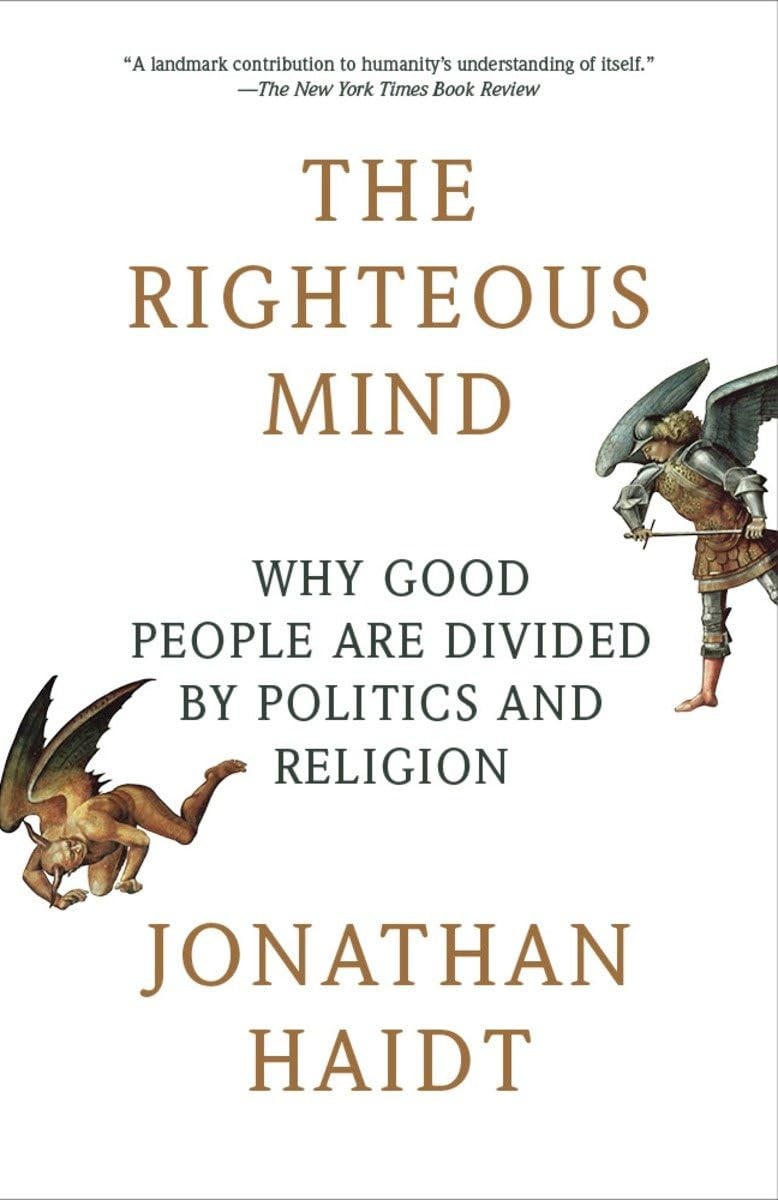
The Righteous Mind by Jonathan Haidt: Understanding the Moral Roots of Political and Religious Division
Inclusive of all applicable taxes. FREE shipping on all orders.
Available Offers
- 🚚Free Delivery — Free shipping on all orders
- 💵Cash on Delivery — Pay when your order arrives
- ↩️15-Day Easy Returns — Hassle-free return policy
- 🔒Cash on Delivery — Pay safely when your order arrives
Check Delivery
Product Description
Introduction
Why do good, honest people end up on opposite sides of every political and religious argument? The Righteous Mind by Jonathan Haidt sets out to answer exactly that question. Rather than treating disagreement as a battle between the enlightened and the misguided, Haidt approaches morality the way a scientist studies any other natural phenomenon — with curiosity instead of judgment. The result is a book that has changed how millions of readers in India and around the world think about politics, religion, and the people they disagree with.
Book Overview
Drawing on twenty-five years of research in moral psychology, Haidt builds his argument around a simple but powerful idea: moral judgments come first, and reasoning follows. We do not decide something is wrong after carefully weighing the evidence — we feel that it is wrong, and only afterward do we search for reasons to justify that feeling. This single insight reshapes how readers understand everything from dinner-table arguments to national elections. Haidt writes with the precision of a researcher and the clarity of a natural storyteller, making complex psychological research feel immediate and personal.
Key Highlights
- A research-driven exploration of where moral judgments actually come from
- Explains the psychological roots of political and religious division
- Introduces Moral Foundations Theory in clear, accessible language
- Draws on studies conducted across many countries and cultures
- Offers a balanced view of liberal, conservative, and libertarian moral instincts
- Blends psychology, evolutionary biology, and everyday observation
- Written for general readers, not only academics
- Widely discussed in universities, book clubs, and public discourse
Inside the Book
The book unfolds in three parts, each built around a central metaphor. The first part argues that intuitions come before strategic reasoning — reasoning is often just the press secretary for decisions the mind has already made. The second part expands the definition of morality beyond simple ideas of harm and fairness, introducing additional moral foundations such as loyalty, authority, and sanctity, which helps explain why different political groups can feel so strongly about issues that seem irrelevant to one another. The third part examines why human beings are unusual among primates in their capacity for large-scale cooperation, and how shared moral communities — from religious congregations to political movements — bind people together while also setting them against outsiders.
Key Topics
Readers will explore the psychology of intuition and reasoning, the six moral foundations that shape human judgment, the evolutionary origins of group loyalty, the differences between liberal and conservative moral instincts, and the delicate balance between individual rights and group cohesion. Haidt also examines religion not as superstition but as a social technology that historically helped large groups of strangers trust and cooperate with one another.
Reader Benefits
- Understand the psychological roots of your own political opinions
- Gain genuine insight into why others believe what they believe
- Learn to disagree with less anger and more understanding
- See familiar debates through a completely new lens
- Apply moral psychology to workplace, family, and social relationships
- Develop sharper, more self-aware critical thinking
Learning Outcomes
By the end of the book, readers gain a working understanding of Moral Foundations Theory and can identify which moral instincts are driving a disagreement rather than simply reacting to it. They come away better equipped to engage across political and cultural divides, recognising that most disagreements are not battles between right and wrong but clashes between different, equally sincere moral instincts.
Who Should Read
- Students of psychology, sociology, and political science
- Readers who enjoy thoughtful nonfiction on human behaviour
- Anyone curious about the roots of political and religious division
- Book clubs looking for material that sparks genuine discussion
- Professionals working in policy, mediation, or social research
About the Author
Jonathan Haidt is a social psychologist whose research focuses on morality and the emotional foundations of political and religious belief. Known for combining rigorous scientific research with clear, engaging writing, he has spent decades studying how moral intuitions form across different cultures and political groups. His work has been widely cited in both academic and public discussions of psychology, ethics, and politics, and has helped shift the broader conversation around why people disagree so deeply on questions of right and wrong.
About the Publisher
This edition is published by Vintage, an imprint recognised for producing thoughtful, well-crafted nonfiction and literary titles. Vintage editions are known for their durable production quality and careful editorial standards, making them a reliable choice for readers who want a book built to be read, referenced, and revisited for years.
Conclusion
The Righteous Mind is more than a book about politics — it is a book about understanding people. By showing where moral judgments truly come from, Jonathan Haidt offers readers a rare gift: the ability to disagree with someone without dismissing them. For anyone who has ever wondered why reasonable people can look at the same facts and reach opposite conclusions, this book offers answers that are both scientifically grounded and deeply humane.
Quick Summary
The Righteous Mind by Jonathan Haidt is a groundbreaking exploration of moral psychology that explains why people across the political spectrum see the world so differently. Drawing on twenty-five years of research, Haidt shows that moral judgments come from intuition rather than reasoned argument, and that liberals, conservatives, and libertarians each hold valid, if different, moral concerns. This book is ideal for readers interested in psychology, politics, or human behavior, offering a path toward greater empathy and understanding across divides. Available at Bookshops.in with fast, reliable delivery across India, this Vintage Books edition is a must-read for anyone seeking to understand the roots of modern political and social conflict.
Book Highlights
Book Specifications
| ISBN-13 | 9780307455772 |
| ISBN-10 | 0307455777 |
| Publisher | Vintage |
| Language | English |
| Dimensions | 13.13 x 3.15 x 20.24 cm |
| Weight | 499 g |
| Country | USA |
| Category | Politics |
| Genre | Psychology |
| Reading Age | Adult |
| Original Language | English |
Frequently Asked Questions
What is The Righteous Mind about?
Who is Jonathan Haidt?
Is this book suitable for beginners in psychology?
Readers Also Search For
Customers Also Bought

International Relations
Clients, Rivals, and Rogues: Why Great Powers Intervene in Revolutionary Civil Wars

International Relations
Foreign Ministries and the Information Revolution: Going Virtual?: 2 (Diplomatic Studies)
International Relations
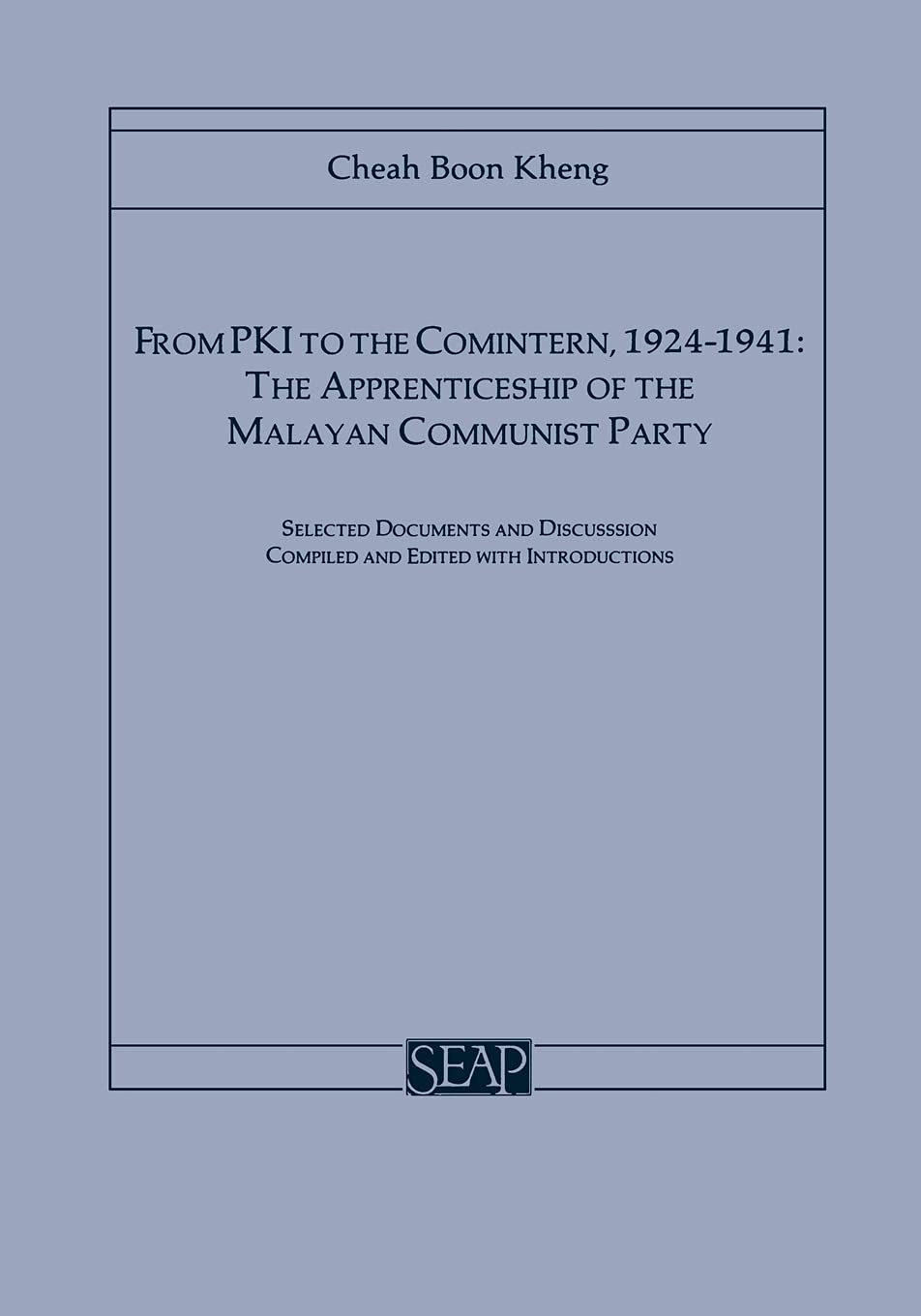
From Pki to Comintern, 1924-1941: The Apprenticeship of the Malayan Communist Party: 8 (Southeast Asia Program Series, 8)

International Relations
The Evolving Terrorist Threat to Southeast Asia: A Net Assessment

International Relations
The Naval Policy of Austria-Hungary 1867-1918: Navalism, Industrial Development, and the Politics of Dualism (Central European Studies)

International Relations
New Technologies and Law of the Marine Environment: Nouvelles Technologies Et Droit De L'Environment Marin: 55 (International Enviornmental Law and Policy, 55)
Related Products
View All
Politics
Chicano Politics | by Juan Gómez-Quiñones | Unm Press | by Juan Gómez-Quiñones | Unm Press | by Juan Gómez-Quiñones | Unm Press | by Juan Gómez-Quiñones | Unm Press | by Juan Gómez-Quiñones | Unm Press | by Juan Gómez-Quiñones | Unm Press | by Juan Gómez-Quiñones | Unm Press | by Juan Gómez-Quiñones | Unm Press | by Juan Gómez-Quiñones | Unm Press | by Juan Gómez-Quiñones | Unm Press | by Juan Gómez-Quiñones | Unm Press | by Juan Gómez-Quiñones | Unm Press | by Juan Gómez-Quiñones | Unm Press |
Politics
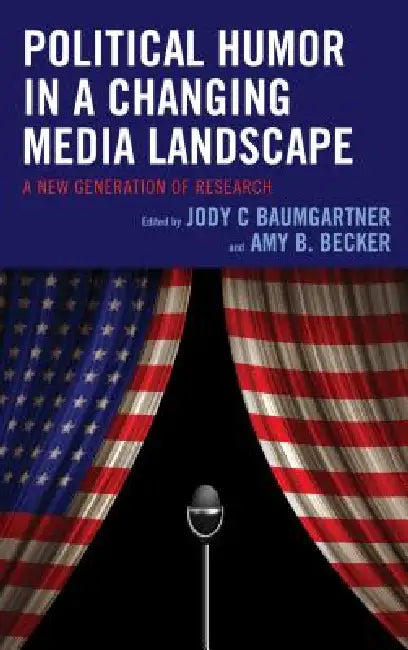
Political Humor in a Changing Media Landscape | by Jody C. Baumgartner | Amy B. Becker | Jody C. Baumgartner | Lexington Books | by Jody C. Baumgartner | Amy B. Becker | Jody C. Baumgartner | Lexington Books | by Jody C. Baumgartner | Amy B. Becker | Jody C. Baumgartner | Lexington Books | by Jody C. Baumgartner | Amy B. Becker | Jody C. Baumgartner | Lexington Books | by Jody C. Baumgartner | Amy B. Becker | Jody C. Baumgartner | Lexington Books | by Jody C. Baumgartner | Amy B. Becker | Jody C
Politics
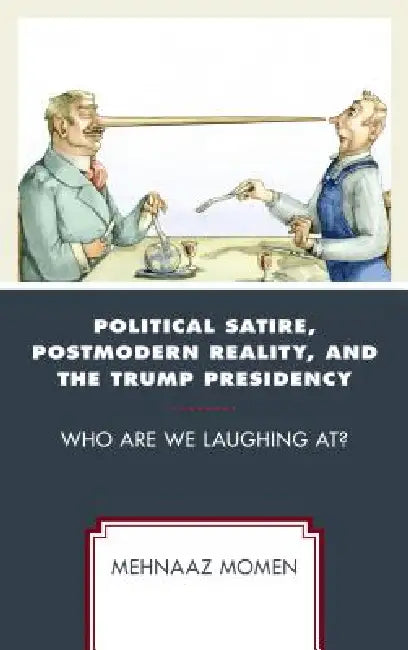
Political Satire, Postmodern Reality, and the Trump Presidency | by Mehnaaz Momen | Lexington Books | by Mehnaaz Momen | Lexington Books | by Mehnaaz Momen | Lexington Books | by Mehnaaz Momen | Lexington Books | by Mehnaaz Momen | Lexington Books | by Mehnaaz Momen | Lexington Books | by Mehnaaz Momen | Lexington Books | by Mehnaaz Momen | Lexington Books | by Mehnaaz Momen | Lexington Books | by Mehnaaz Momen | Lexington Books | by Mehnaaz Momen | Lexington Books | by Mehnaaz Momen | Lexington
Politics
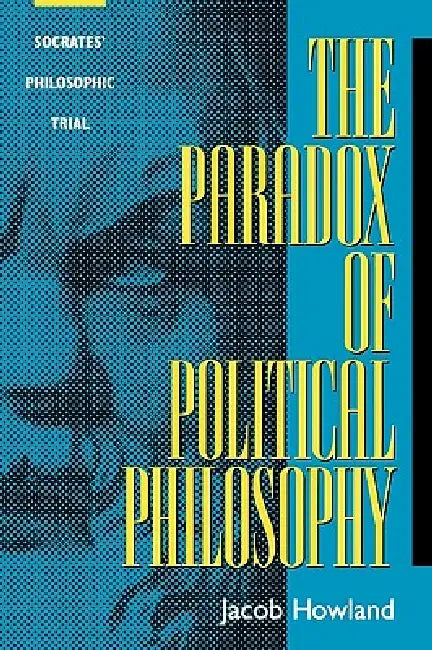
The Paradox of Political Philosophy | by Jacob Howland | Rowman & Littlefield Publishers | by Jacob Howland | Rowman & Littlefield Publishers | by Jacob Howland | Rowman & Littlefield Publishers | by Jacob Howland | Rowman & Littlefield Publishers | by Jacob Howland | Rowman & Littlefield Publishers | by Jacob Howland | Rowman & Littlefield Publishers | by Jacob Howland | Rowman & Littlefield Publishers | by Jacob Howland | Rowman & Littlefield Publishers | by Jac
Politics
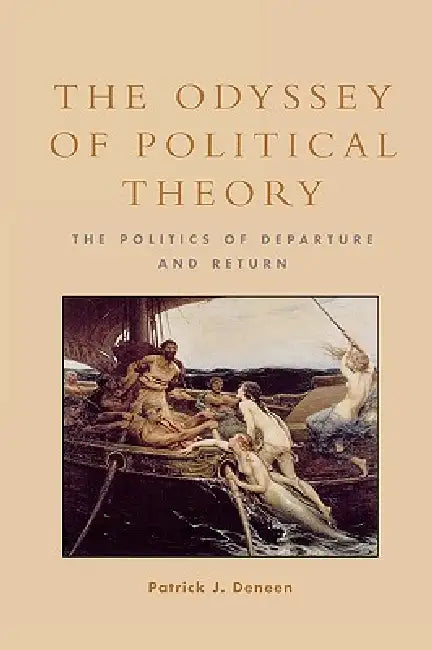
Odyssey of Political Theory | by Patrick J. Deneen | Rowman & Littlefield Publishers | by Patrick J. Deneen | Rowman & Littlefield Publishers | by Patrick J. Deneen | Rowman & Littlefield Publishers | by Patrick J. Deneen | Rowman & Littlefield Publishers | by Patrick J. Deneen | Rowman & Littlefield Publishers | by Patrick J. Deneen | Rowman & Littlefield Publishers | by Patrick J. Deneen | Rowman & Littlefield Publishers | by Patrick J. Deneen | Rowman & Littlef
Politics