
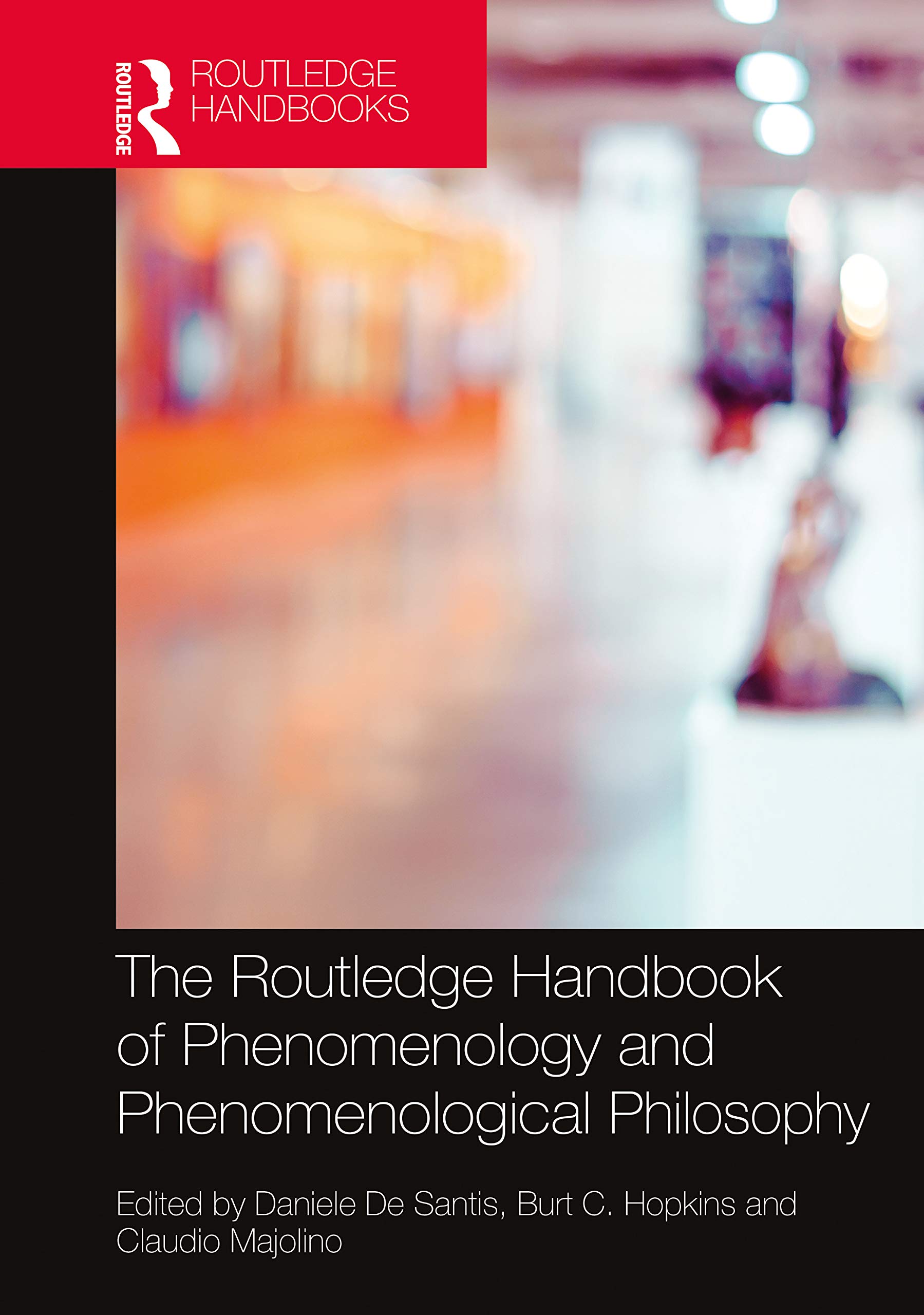
The Routledge Handbook of Phenomenology and Phenomenological Philosophy by De Santis Daniele: A Definitive Reference on
Inclusive of all applicable taxes. FREE shipping on all orders.
Available Offers
- 🚚Free Delivery — Free shipping on all orders
- 💵Cash on Delivery — Pay when your order arrives
- ↩️15-Day Easy Returns — Hassle-free return policy
- 🔒Cash on Delivery — Pay safely when your order arrives
Check Delivery
Product Description
Introduction
Phenomenology, as one of the most influential philosophical movements of the twentieth century, continues to shape contemporary thought across disciplines. For Indian students and scholars seeking a comprehensive, authoritative, and deeply engaging resource, The Routledge Handbook of Phenomenology and Phenomenological Philosophy offers an indispensable guide. Edited by Daniele De Santis, this hardbound volume from Routledge is not merely a reference book—it is a gateway to understanding the foundations, evolution, and global relevance of phenomenological inquiry.
Book Overview
This handbook stands as a landmark publication in the field of philosophy. It systematically explores phenomenology from its historical roots to its modern applications, making it equally valuable for beginners and advanced researchers. The book is structured to provide both breadth and depth, covering key figures, core concepts, and intersections with other disciplines. With contributions from an international team of scholars, it reflects the latest scholarship while remaining accessible to serious readers.
Key Highlights
- Comprehensive coverage: 75 chapters spanning the entire landscape of phenomenology
- Historical and systematic approach: Traces phenomenology from its origins to contemporary debates
- Global perspective: Includes discussions on phenomenology in different cultural and regional contexts
- Interdisciplinary relevance: Explores connections with cognitive science, medicine, psychology, and social sciences
- Authoritative contributors: Written by leading phenomenologists from around the world
Inside the Book
The handbook is organized into five major parts. The first part situates phenomenology within the history of philosophy, examining its relationship with figures like Aristotle, Kant, and Hegel. The second part delves into core concepts such as intentionality, reduction, temporality, embodiment, and intersubjectivity. The third part offers in-depth analyses of major thinkers including Husserl, Heidegger, Merleau-Ponty, Sartre, Levinas, and others. The fourth part explores intersections with fields like ethics, aesthetics, theology, and the natural sciences. Finally, the fifth part examines the global reception of phenomenology, including its impact in India and Asia.
Key Topics
- Phenomenological method and reduction
- Consciousness, intentionality, and perception
- Time, space, and the lifeworld
- Embodiment and intersubjectivity
- Phenomenology and existentialism
- Phenomenology of religion and art
- Phenomenology in cognitive science and medicine
- Phenomenology in non-Western traditions
Reader Benefits
This handbook offers Indian readers a rare opportunity to engage with phenomenology in a structured yet open-ended manner. Whether you are preparing for competitive exams, writing a dissertation, or simply exploring philosophical ideas, this book provides clear explanations, critical insights, and extensive references. The hardcover edition ensures durability for years of scholarly use.
Learning Outcomes
- Gain a thorough understanding of the historical development of phenomenology
- Master key phenomenological concepts and methods
- Analyze the works of major phenomenological philosophers
- Apply phenomenological insights to interdisciplinary fields
- Appreciate the global and cross-cultural dimensions of phenomenological thought
Who Should Read
This handbook is ideal for postgraduate students and researchers in philosophy, especially those specializing in continental philosophy. It is also highly recommended for scholars in psychology, sociology, anthropology, cognitive science, and medical humanities who wish to incorporate phenomenological perspectives into their work. Undergraduate students with a strong interest in philosophy will also find it a valuable companion.
About the Author
Daniele De Santis is a respected scholar in phenomenology and continental philosophy. He has published extensively on Husserl, Heidegger, and the history of phenomenology. His editorial work brings together diverse voices to create a coherent and forward-looking volume that reflects the current state of the field.
About the Publisher
Routledge is a globally renowned academic publisher, known for producing high-quality reference works in philosophy and the social sciences. This handbook upholds that tradition of excellence, offering rigorous scholarship in an accessible format.
Conclusion
The Routledge Handbook of Phenomenology and Phenomenological Philosophy is more than a book—it is a scholarly companion that will deepen your understanding of human experience, consciousness, and the world. For Indian readers committed to serious philosophical study, this hardcover edition is a worthy investment. Order your copy from Bookshops.in today and embark on a transformative intellectual journey.
Quick Summary
The Routledge Handbook of Phenomenology and Phenomenological Philosophy is a landmark reference work that provides a comprehensive and systematic exploration of phenomenology—one of the most influential philosophical movements of the twentieth century. Edited by De Santis Daniele, this volume brings together seventy-five original chapters by leading international scholars, covering both the historical development of phenomenology from Husserl to contemporary thinkers, and its systematic themes such as intentionality, embodiment, temporality, and intersubjectivity. The handbook is uniquely structured to serve both as an introduction for advanced students and as a research tool for specialists. It also highlights the relevance of phenomenology beyond philosophy, including its applications in cognitive science, psychology, and medicine. Indian students and researchers will find this book invaluable for understanding continental philosophy, preparing for examinations, or writing dissertations. The hardcover edition available at Bookshops.in ensures durability and long-term use. By purchasing from Bookshops.in, customers benefit from prompt delivery across India, genuine imported stock, and competitive pricing. This handbook is not just a collection of essays but a dynamic resource that advances the field while reflecting the state of the art.
Book Highlights
Book Specifications
| ISBN-13 | 9780367539993 |
| ISBN-10 | 0367539993 |
| Publisher | Routledge |
| Language | English |
| Dimensions | 17.78 x 5.08 x 24.77 cm |
| Weight | 1 kg 520 g |
| Country | India |
| Category | Philosophy › Aesthetics |
| Genre | Nonfiction |
| Reading Age | Adult |
| Original Language | English |
Frequently Asked Questions
What is the main focus of this handbook?
Who edited this book?
How many chapters does the book contain?
Is this book suitable for beginners in philosophy?
Does the book cover only European phenomenology?
Can this book help with cognitive science research?
Is the book available in hardcover?
What is the ISBN-13 of this book?
Does the book include chapters on Husserl and Heidegger?
Are there chapters on phenomenological ethics?
How is the book organized?
Can I use this book for my PhD research?
Does the book include a glossary?
Why should I buy from Bookshops.in?
Readers Also Search For
Customers Also Bought

Philosophy
Latin American Philosophy: Currents, Issues, Debates by Eduardo Mendieta

Philosophy
Al-Farabi's Short Commentary on Aristotle's Prior Analytics by Nicholas Rescher – Philosophy

Philosophy
Poetics of Imagining: Modern to Post-modern by Richard Kearney

Philosophy
The Metaphysics of Extrinsic Properties: 11 (Metaphysical Research, 11)

Philosophy
Dialogues on Metaphysics and on Religion by Nicolas Malebranche – Philosophy
Philosophy
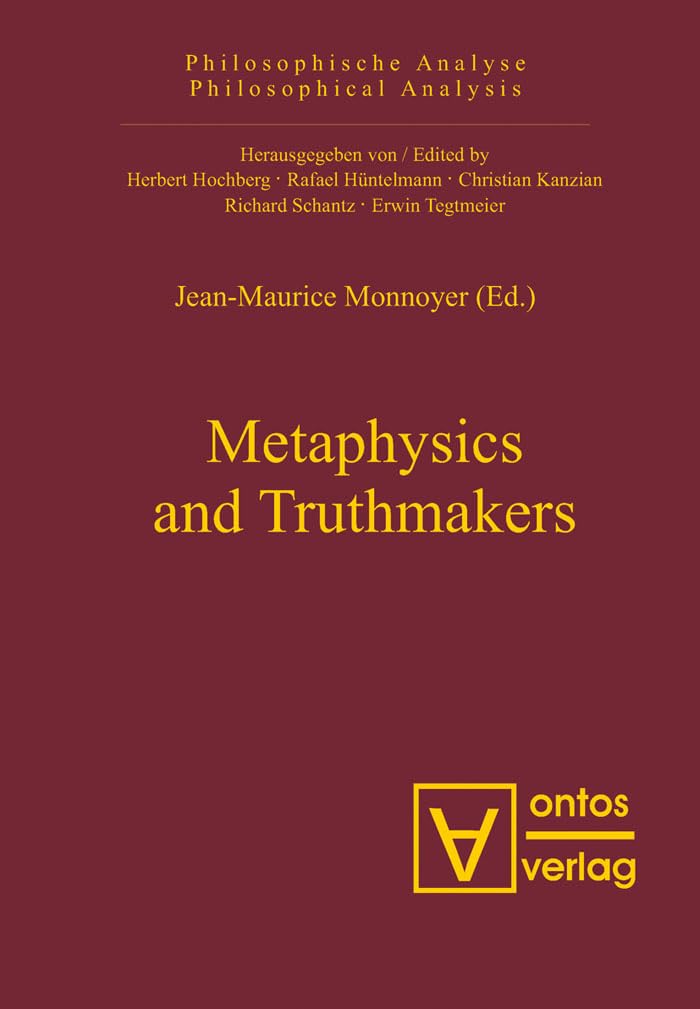
Metaphysics and Truthmakers: 18 (Philosophische Analyse / Philosophical Analysis, 18)
Related Products
View AllPhilosophy
Latin American Philosophy: Currents, Issues, Debates by Eduardo Mendieta
Philosophy
Al-Farabi's Short Commentary on Aristotle's Prior Analytics by Nicholas Rescher – Philosophy
Philosophy
Poetics of Imagining: Modern to Post-modern by Richard Kearney
Philosophy
The Metaphysics of Extrinsic Properties: 11 (Metaphysical Research, 11)
Philosophy
Dialogues on Metaphysics and on Religion by Nicolas Malebranche – Philosophy
Philosophy