
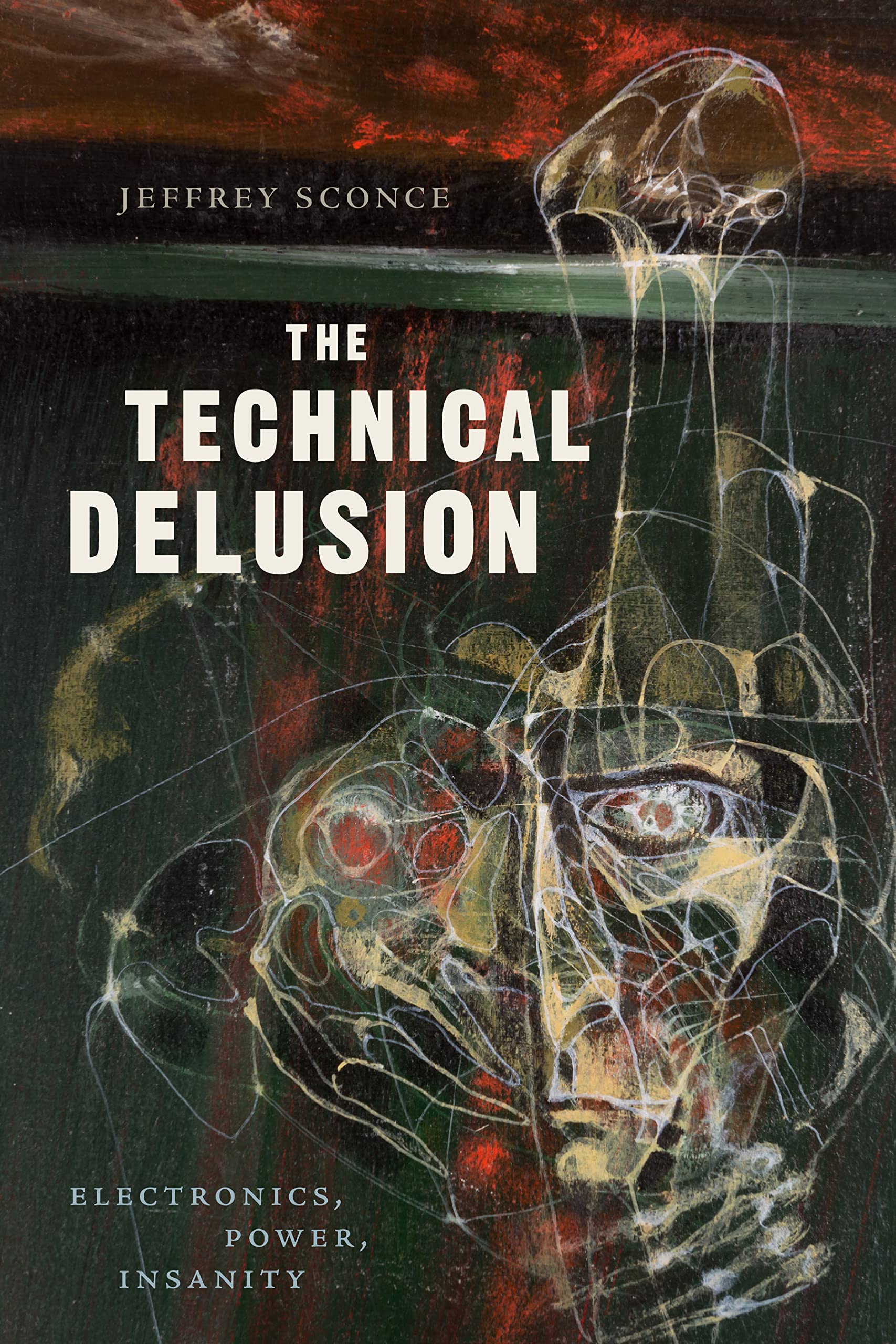
The Technical Delusion: Electronics, Power, Insanity by Jeffrey Sconce – A Critical Study of Media, Madness, and Moderni
Inclusive of all applicable taxes. FREE shipping on all orders.
Available Offers
- 🚚Free Delivery — Free shipping on all orders
- 💵Cash on Delivery — Pay when your order arrives
- ↩️15-Day Easy Returns — Hassle-free return policy
- 🔒Cash on Delivery — Pay safely when your order arrives
Check Delivery
Product Description
Introduction
In an age where smartphones, smart homes, and constant connectivity dominate our lives, the line between reality and electronic influence can blur. The Technical Delusion: Electronics, Power, Insanity by Jeffrey Sconce offers a profound exploration of how electronic media have shaped not only modern society but also the human psyche. This hardcover edition from Duke University Press is a must-read for anyone interested in the intersection of technology, psychology, and power.
Book Overview
Spanning over two centuries, this book traces the eerie and persistent phenomenon of electronic persecution delusions—from the early days of telegraphy to today's digital world. Sconce argues that these delusions are not arbitrary or mere reflections of technological change, but rather deeply intertwined with evolving notions of power, media, and the self. Drawing on case studies, literature, court records, and popular culture, the book reveals how electronic media have become the central stage for imagining control, surveillance, and contamination.
Key Highlights
- Original Research: Combines psychiatry, media history, and cultural analysis in a unique interdisciplinary approach.
- Historical Depth: Covers 200 years of delusional narratives, from Enlightenment anatomy to 21st-century digital paranoia.
- Rich Case Studies: Includes psychological case histories, legal battles, and literary works that illustrate the evolution of technical delusions.
- Critical Perspective: Challenges conventional psychiatric views by showing how media systems themselves shape the content of delusions.
- Relevant Today: Offers insights into contemporary fears around surveillance, AI, and electronic control.
Inside the Book
The book is divided into thematic chapters that explore different facets of electronic delusion: contamination by invisible rays, implanted devices, telepathic networks, and immersive virtual worlds. Sconce examines how each era's dominant media—telegraph, radio, television, and the internet—gave rise to specific forms of paranoia. He also analyzes the role of power, both political and technological, in these narratives. The writing is accessible yet rigorous, making complex ideas understandable for both students and general readers.
Key Topics
- History of electronic persecution delusions
- Media theory and psychosis
- Telegraphy, radio, and early electrical paranoia
- Surveillance culture and the panopticon
- Implantation and mind control narratives
- Virtual reality and immersion as delusional spaces
- Power structures in technological societies
- Psychiatry and the social construction of madness
Reader Benefits
- Deepen Understanding: Gain a fresh perspective on the relationship between technology and mental health.
- Critical Thinking: Learn to question how media shapes our perceptions of reality and power.
- Cultural Insight: Discover how literature, film, and court cases reflect societal anxieties about electronics.
- Academic Value: Ideal for students of media studies, psychology, cultural studies, and history.
- Engaging Narrative: Well-written and thought-provoking, with real-world examples that keep you turning pages.
Learning Outcomes
- Understand the historical evolution of electronic delusions from the 19th century to today.
- Analyze how media technologies influence the form and content of psychotic symptoms.
- Critically evaluate psychiatric explanations of delusion in light of cultural and technological contexts.
- Identify recurring themes of power, control, and surveillance in media history.
- Apply interdisciplinary methods to study the intersection of technology and human experience.
Who Should Read
This book is ideal for students and scholars in media studies, psychology, sociology, and history. It also appeals to mental health professionals interested in the cultural dimensions of psychosis. General readers fascinated by the darker side of technology, conspiracy theories, or the history of paranoia will find it equally compelling. Indian readers, in particular, will appreciate how the book's themes resonate with our own rapidly digitizing society.
About the Author
Jeffrey Sconce is a professor of media studies and cultural theory. He has written extensively on media history, technology, and the uncanny. His work often explores how media systems shape human consciousness and social power. Sconce is known for his interdisciplinary approach, blending film theory, psychoanalysis, and cultural history.
About the Publisher
Duke University Press is a prestigious academic publisher based in the United States. Known for its rigorous scholarship in the humanities and social sciences, Duke University Press publishes works that challenge conventional thinking and push disciplinary boundaries. This hardcover edition reflects their commitment to high-quality academic publishing.
Conclusion
The Technical Delusion is a timely and unsettling exploration of how electronic media have become the lens through which we imagine madness, power, and control. Jeffrey Sconce masterfully weaves together history, psychology, and media theory to reveal the hidden connections between technology and insanity. Whether you are a student, a professional, or a curious reader, this book will change the way you think about the devices that surround you. Order your copy from Bookshops.in today and dive into one of the most original works of media criticism in recent years.
Quick Summary
The Technical Delusion: Electronics, Power, Insanity by Jeffrey Sconce is a groundbreaking work that traces the history of electronic persecution delusions over two centuries, from the Enlightenment to the age of global interconnectivity. Sconce argues that these delusions—such as beliefs in electronic contamination, telepathic control, and surveillance—are not arbitrary but deeply tied to evolving media technologies and power structures. Drawing on psychiatric case studies, literature, court cases, and popular media, the book challenges conventional psychiatric dismissals and offers a rich cultural analysis. It is ideal for Indian students and scholars in media studies, psychology, and cultural history who seek to understand how technology shapes madness. Readers will gain critical insights into the social construction of paranoia and the enduring link between electronics and insanity. By purchasing from Bookshops.in, you support a trusted Indian bookstore committed to delivering quality academic titles with excellent service.
Book Highlights
Book Specifications
| ISBN-13 | 9781478001065 |
| ISBN-10 | 1478001062 |
| Publisher | Duke University Press |
| Language | English |
| Dimensions | 15.24 x 2.31 x 22.86 cm |
| Weight | 612 g |
| Country | India |
| Category | Performing Arts › Film & Television |
| Genre | Nonfiction |
| Reading Age | Adult |
| Original Language | English |
Frequently Asked Questions
What is The Technical Delusion about?
Who is Jeffrey Sconce?
Is this book suitable for Indian readers?
What topics does the book cover?
What is the publication date?
Can I use this book for my research?
Does the book discuss Indian cases?
What is the price of the book?
Is there an index or bibliography?
Who should read this book?
How is this book different from others on psychosis?
What language is the book in?
Where can I buy it in India?
Readers Also Search For
Customers Also Bought

State University of New York Press
The Hard Sell of Paradise: Hawai'i, Hollywood, Tourism (SUNY series, Horizons of Cinema)

Packt Publishing
Oracle Application Express 3.2 - The Essentials and More (English, Arie Geller | Matthew Lyon)

Springer
Historische Studien Und Skizzen Zu Natur- Und Heilwissenschaft | by Georg Stricker | Springer | by Georg Stricker | Springer | by Georg Stricker | Springer | by Georg Stricker | Springer | by Georg Stricker | Springer | by Georg Stricker | Springer | by Georg Stricker | Springer | by Georg Stricker | Springer | by Georg Stricker | Springer | by Georg Stricker | Springer | by Georg Stricker | Springer | by Georg Stricker | Springer | by Georg Stricker | Springer | by Georg Stricker | Springer | b

Springer
Kondensation. | by F. J. Weiss | E. Wiki | Springer | by F. J. Weiss | E. Wiki | Springer | by F. J. Weiss | E. Wiki | Springer | by F. J. Weiss | E. Wiki | Springer | by F. J. Weiss | E. Wiki | Springer | by F. J. Weiss | E. Wiki | Springer | by F. J. Weiss | E. Wiki | Springer | by F. J. Weiss | E. Wiki | Springer | by F. J. Weiss | E. Wiki | Springer | by F. J. Weiss | E. Wiki | Springer | by F. J. Weiss | E. Wiki | Springer | by F. J. Weiss | E. Wiki | Springer | by F. J. Weiss | E. Wiki | S

de Gruyter
Ökonomische Theorie des Rechts (English, Christian Kirchner)
Fordham University Press
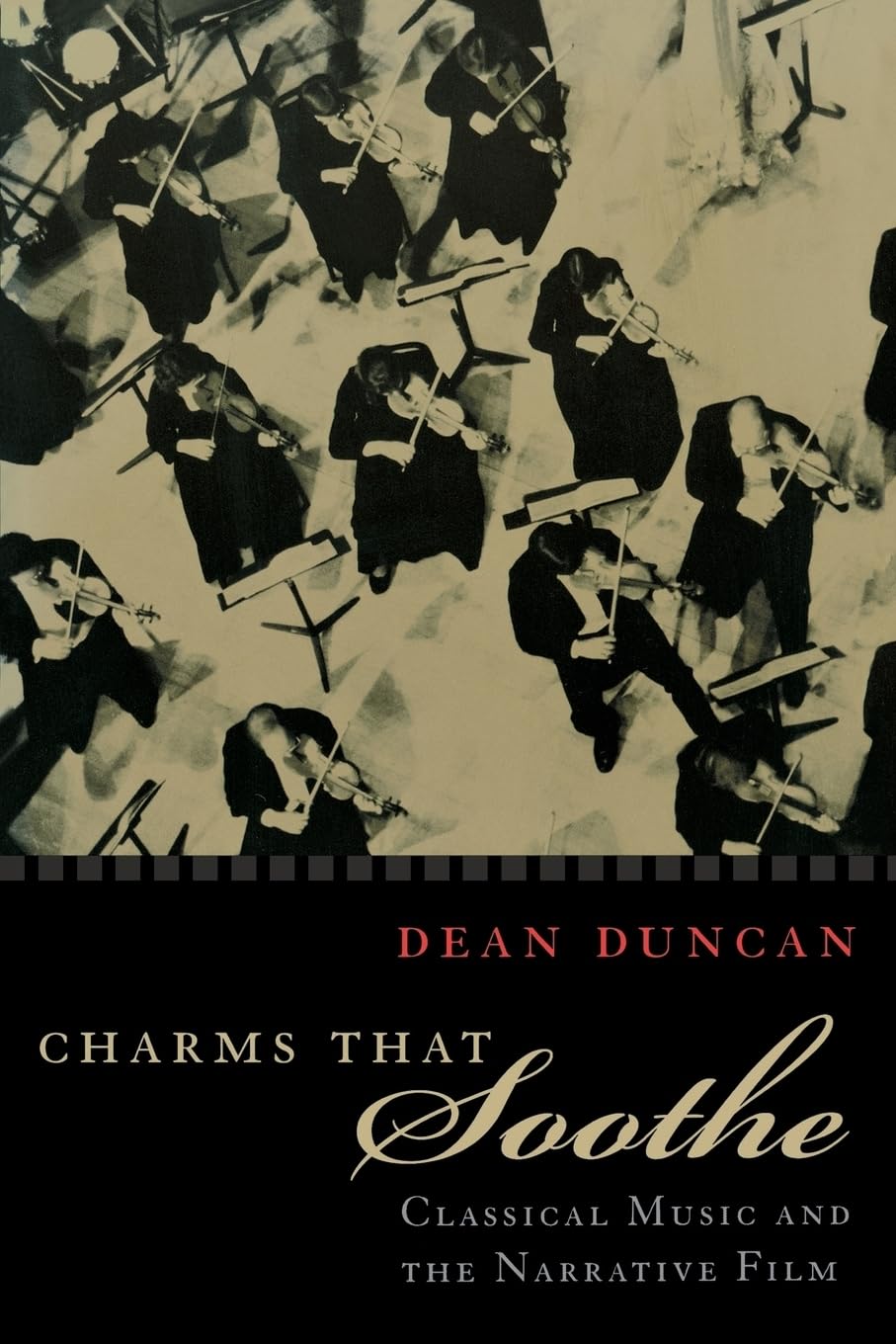
Charms That Soothe: Classical Music and the Narrative Film (Communications and Media Studies, 9)
Related Products
View All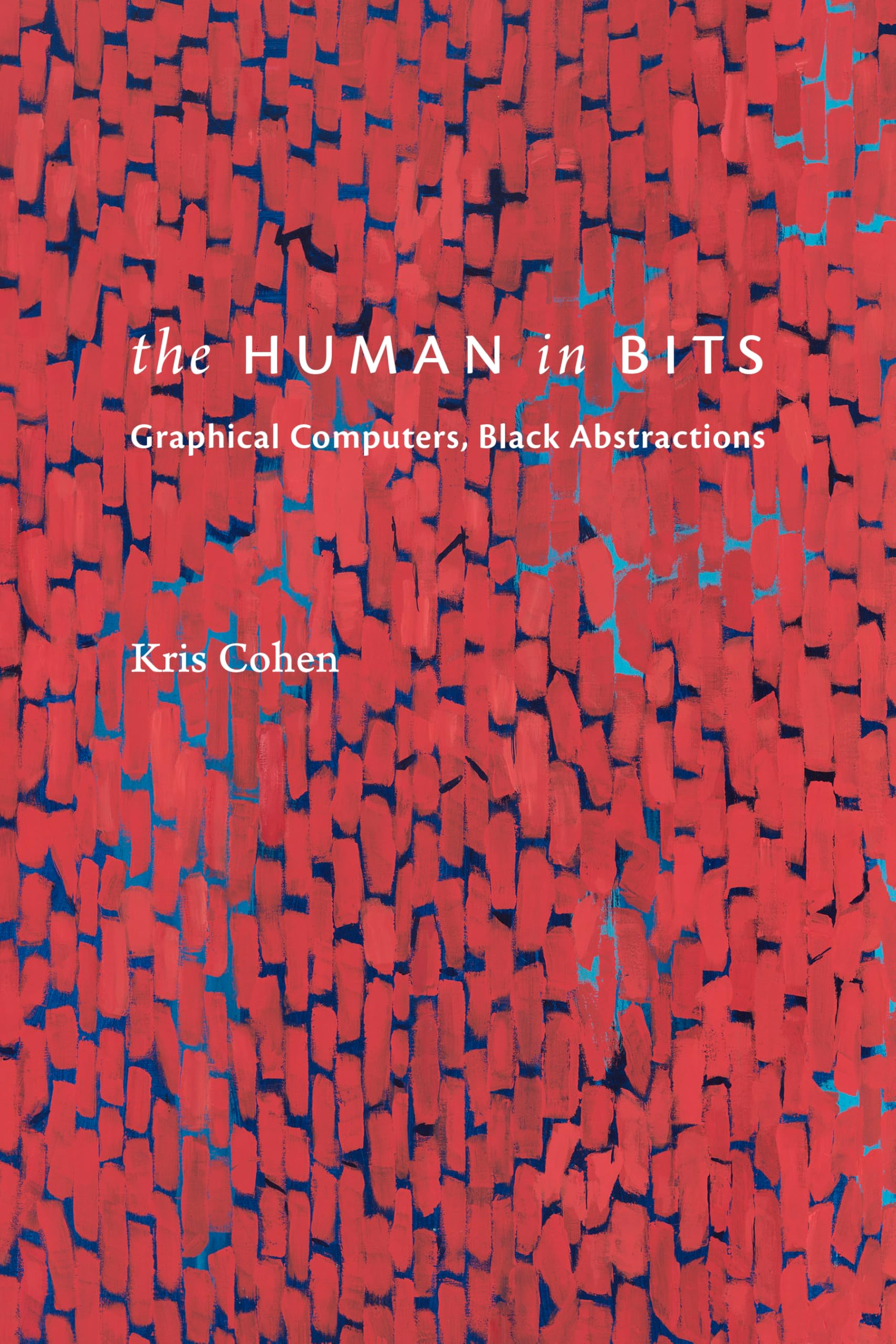
Duke University Press
The Human in Bits: Graphical Computers, Black Abstractions

Duke University Press
Figures of Time: Affect and the Television of Preemption (Thought in the Act)
Duke University Press
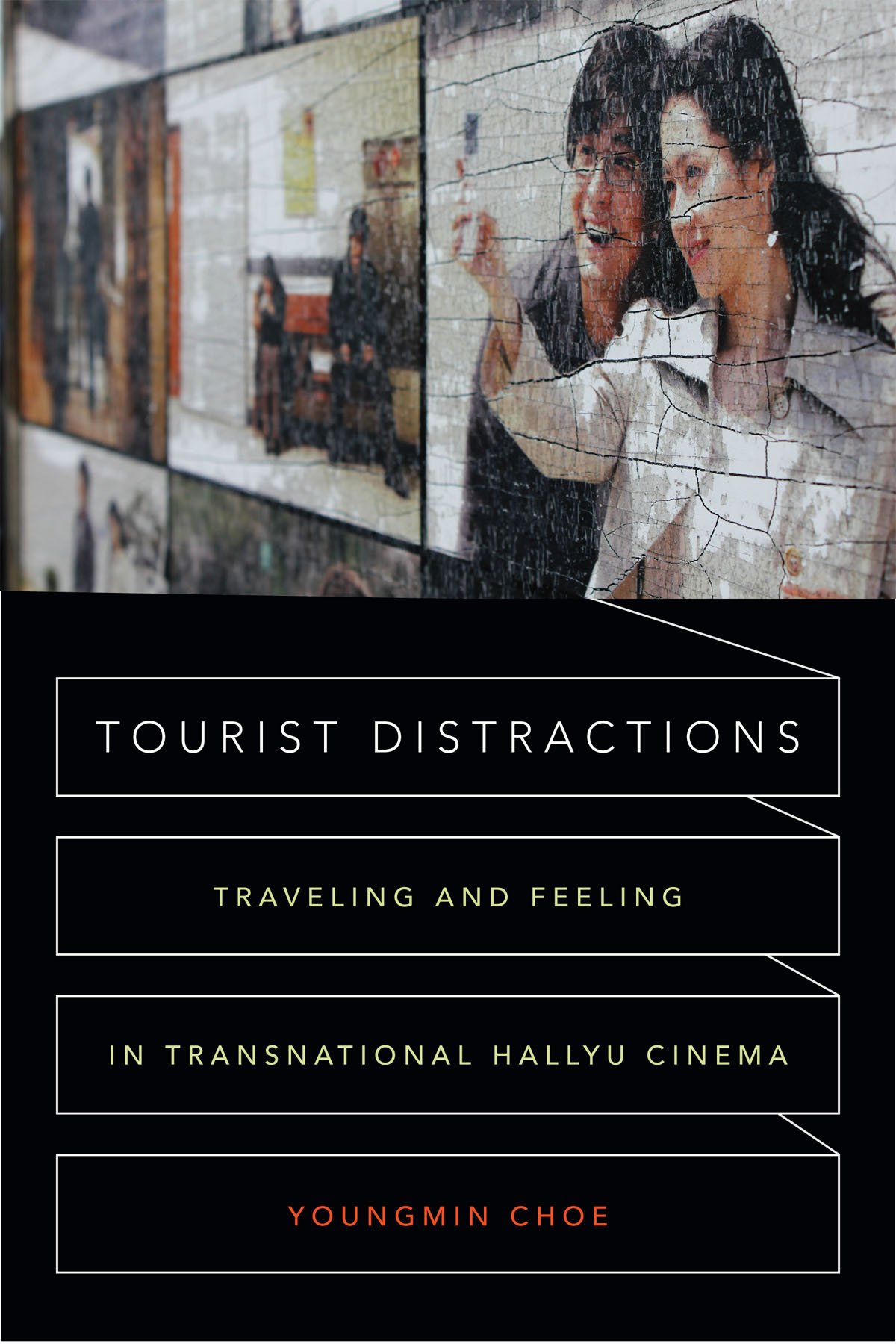
Tourist Distractions: Traveling and Feeling in Transnational Hallyu Cinema by Youngmin Choe
Duke University Press
Partisan Canons (English, Anna Brzyski)

Duke University Press
Impersonal Passion (English, Denise Riley)

Duke University Press