
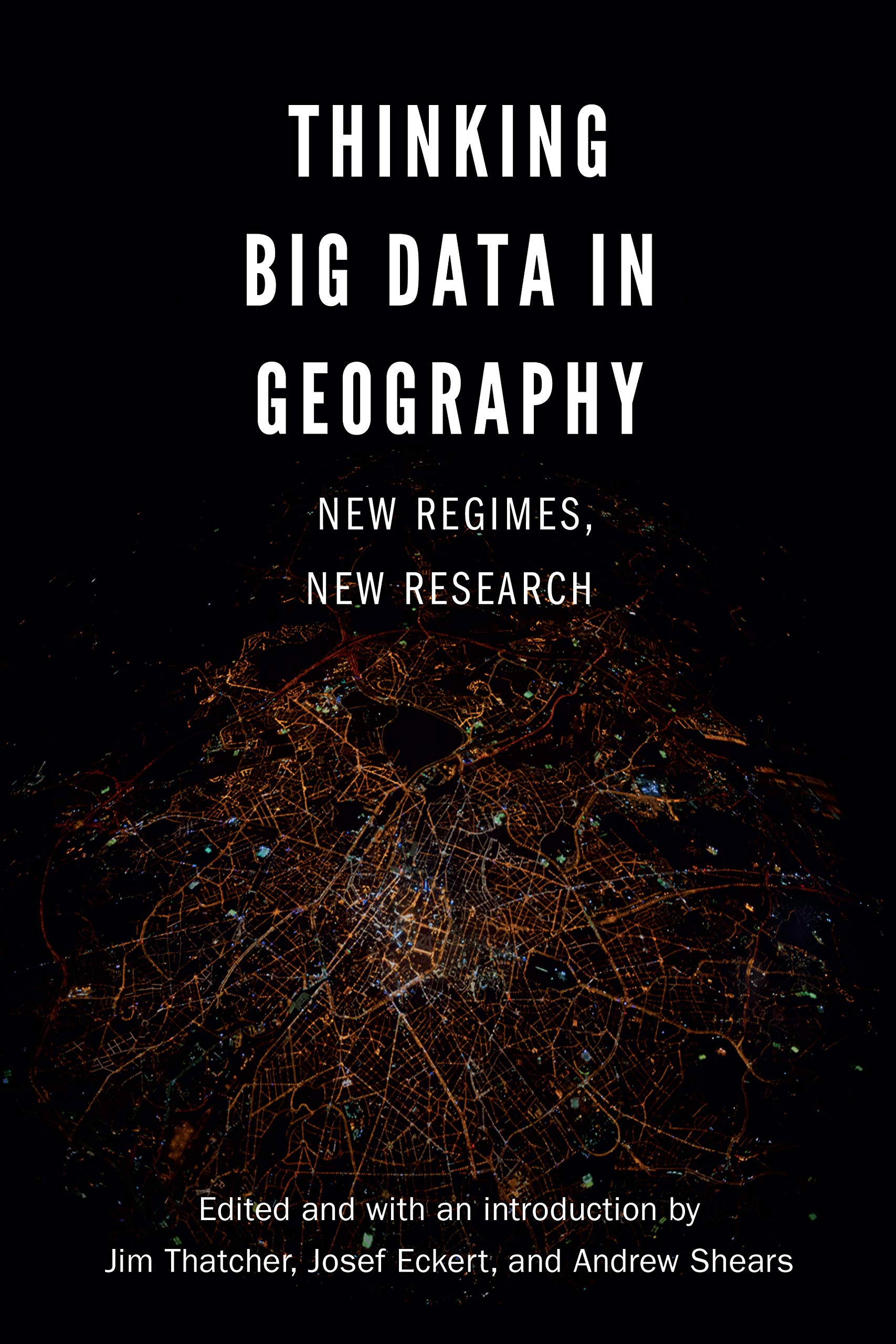
Thinking Big Data in Geography: New Regimes, New Research by Jim Thatcher – A Critical Exploration of Geoweb, Big Data,
Inclusive of all applicable taxes. FREE shipping on all orders.
Available Offers
- 🚚Free Delivery — Free shipping on all orders
- 💵Cash on Delivery — Pay when your order arrives
- ↩️15-Day Easy Returns — Hassle-free return policy
- 🔒Cash on Delivery — Pay safely when your order arrives
Check Delivery
Product Description
Introduction
In an era where data shapes every aspect of our lives, Thinking Big Data in Geography: New Regimes, New Research emerges as a vital resource for students, researchers, and professionals navigating the intersection of geography and data science. Edited by Jim Thatcher, this hardcover volume from the University of Nebraska Press offers a critical yet accessible exploration of how massive datasets, geoweb technologies, and spatial analytics are transforming geographic inquiry. Whether you are a geography student in Delhi, a data analyst in Bengaluru, or a policy researcher in Mumbai, this book provides the conceptual tools to understand the promises and pitfalls of big data in a spatial context.
Book Overview
This edited collection brings together leading scholars—including Rob Kitchin, Renee Sieber, and Mark Graham—to examine big data as both a methodological tool and an object of critical study. The book is structured in three parts: the first investigates how big data and geoweb technologies are reshaping core geographic subdisciplines such as urban politics, human-environment interactions, and geographic information sciences. The second part extends the discussion to interdisciplinary fields like digital humanities and social justice, showing how geographic perspectives on big data can inform broader debates. The final section delves into theoretical and societal implications, interrogating how user-generated data are produced, circulated, and implicated in shaping our world. Throughout, the contributors raise essential cautions about accuracy, surveillance, and privacy—issues that resonate strongly in India's rapidly digitising landscape.
Key Highlights
- Interdisciplinary Approach: Bridges geography with data science, digital humanities, and social justice studies.
- Critical Perspective: Moves beyond technical hype to question the ethics and politics of spatial big data.
- Expert Contributors: Features essays from internationally recognised scholars in geography and technology studies.
- Practical Relevance: Offers frameworks for using big data responsibly in research and policy.
- Current and Timely: Addresses issues of surveillance, privacy, and data accuracy that are central to contemporary debates.
Inside the Book
The book opens with an introduction that sets the stage for understanding big data as a geographical phenomenon. Part 1 contains chapters on how geoweb technologies are reshaping urban political economy, environmental monitoring, and GIScience. Part 2 explores the impact of big data on digital humanities and social justice research, including case studies on inequality and marginalisation. Part 3 offers theoretical reflections on the ontology of data, the role of algorithms, and the ethical responsibilities of researchers. Each chapter is self-contained yet thematically linked, making the book suitable for both sequential reading and targeted reference.
Key Topics
- Geoweb technologies and spatial data infrastructures
- Big data and urban political economy
- Human-environment interactions in the age of data
- Digital humanities and geographic methods
- Social justice, inequality, and spatial data
- Privacy, surveillance, and data ethics
- Critical GIS and participatory mapping
- Algorithmic governance and bias
Reader Benefits
Readers will gain a nuanced understanding of how big data is reshaping geographic thought and practice. The book equips you to critically evaluate data-driven claims, design ethically sound research projects, and engage with policy debates around data governance. For students, it provides a solid foundation in the key debates and literature; for professionals, it offers actionable insights for applying big data in urban planning, environmental management, and social research. The Indian context—with its rapid urbanisation, digital identity projects, and data privacy challenges—makes this book especially relevant.
Learning Outcomes
- Understand the major theoretical debates surrounding big data in geography.
- Evaluate the opportunities and limitations of using large spatial datasets.
- Identify ethical and political issues related to data collection, analysis, and representation.
- Apply critical perspectives to real-world cases in urban, environmental, and social research.
- Develop research questions that integrate big data with geographic methods.
Who Should Read
This book is ideal for postgraduate students and researchers in geography, data science, urban studies, environmental science, and digital humanities. It is also valuable for professionals in GIS, urban planning, policy analysis, and technology ethics. Undergraduate students with a background in geography or data analysis will find it accessible, and anyone interested in the social implications of big data will benefit from its critical perspective. Indian readers—whether in academia, government, or the private sector—will find the discussions on surveillance, privacy, and data justice particularly pertinent.
About the Author
Jim Thatcher is a geographer and scholar known for his work on the politics of data, algorithms, and digital infrastructure. He has published extensively on critical GIS, smart cities, and the social implications of geoweb technologies. His research combines theoretical rigour with empirical engagement, making him a leading voice in the field of critical data studies.
About the Publisher
The University of Nebraska Press is a respected academic publisher with a strong list in geography, environmental studies, and the digital humanities. Known for publishing works that bridge theory and practice, the press has a reputation for scholarly excellence and editorial care. This hardcover edition is built to last, ideal for library collections and personal reference.
Conclusion
Thinking Big Data in Geography: New Regimes, New Research is an indispensable guide for anyone seeking to understand the transformative role of big data in spatial research. It combines cutting-edge scholarship with critical reflection, offering a balanced view that neither celebrates nor condemns big data but interrogates its uses and abuses. For Indian readers, the book provides a global perspective that can inform local debates on data governance, urban development, and social equity. Add this volume to your collection and join the conversation about the future of geography in a data-driven world.
Quick Summary
Thinking Big Data in Geography: New Regimes, New Research, edited by Jim Thatcher, is a groundbreaking volume that critically examines the intersection of big data and geographic inquiry. Published by the University of Nebraska Press, this hardcover edition brings together essays from leading scholars like Rob Kitchin, Renee Sieber, and Mark Graham to explore how geoweb technologies and massive datasets are transforming geographic research. The book is structured in three parts: first, it delves into the impact on urban politics, human-environment interactions, and GIS; second, it extends these insights to digital humanities and social justice; finally, it offers theoretical reflections on big data's societal implications. Ideal for Indian postgraduate students, researchers, and professionals in geography, GIS, urban planning, and data science, this book provides both practical methods and critical frameworks. Readers will learn to navigate the opportunities and challenges of data-driven geography, from ethical concerns to new research paradigms. By purchasing from Bookshops.in, Indian customers get a genuine imported hardcover at a competitive price, with reliable delivery and customer support.
Book Highlights
Book Specifications
| ISBN-13 | 9781496204981 |
| ISBN-10 | 1496204980 |
| Publisher | University of Nebraska Press |
| Language | English |
| Dimensions | 15.24 x 1.85 x 22.86 cm |
| Weight | 440 g |
| Country | India |
| Category | Computer Science › Software Design & Engineering |
| Genre | Non-fiction |
| Original Language | English |
Frequently Asked Questions
What is Thinking Big Data in Geography about?
Who edited this book?
Who are the contributors?
Is this book suitable for Indian students?
What is the ISBN?
What is the price?
What is the rating?
Which publisher released this book?
Does the book cover social justice issues?
Is this book technical or theoretical?
Can I use this book for my GIS course?
Where can I buy this book in India?
Readers Also Search For
Customers Also Bought
Computer Science
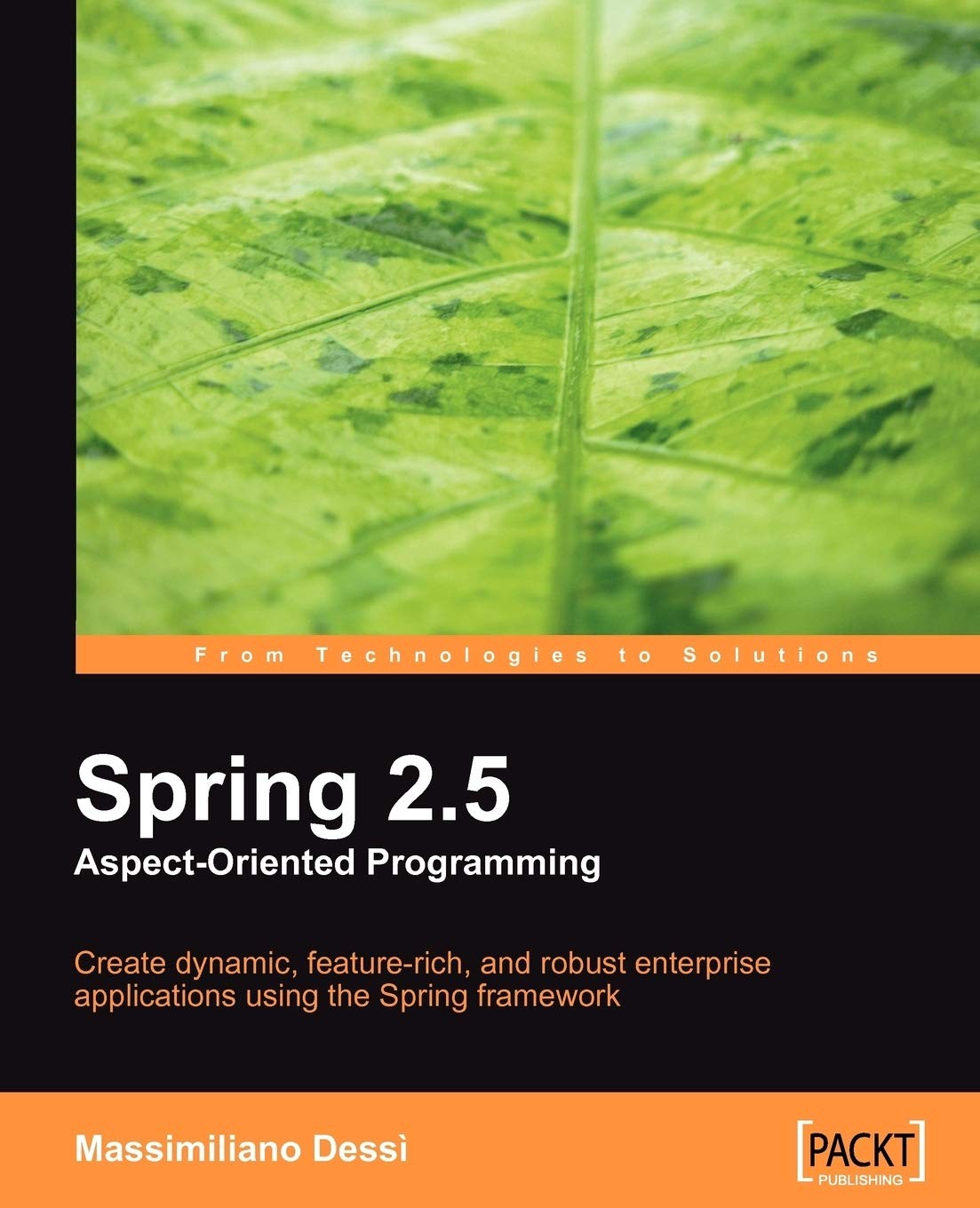
Spring 2.5 Aspect Oriented Programming (English, Massimiliano Dess� | Massimiliano Dessi)

Computer Science
Asterisk 1.4 - the Professional's Guide (English, Colman Carpenter | David Duffett | Nik Middleton)

Computer Science
Advances In Natural Language Processing: 4th International Conference, Estal 2004, Alicante, Spain, October 20-22, 2004. Proceedings: 3230 (Lecture Notes in Computer Science)
Computer Science
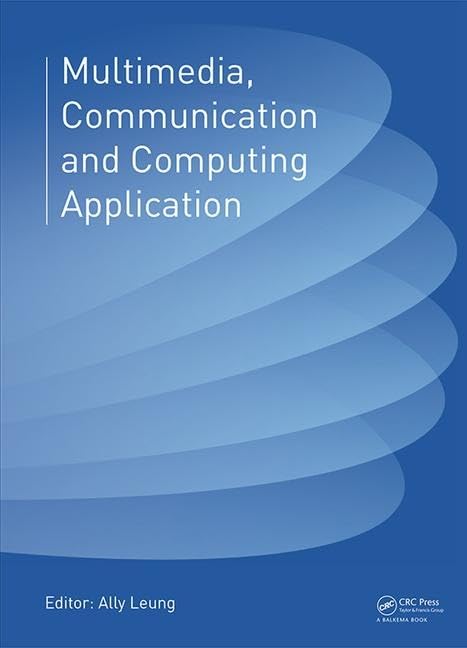
Multimedia, Communication and Computing Application: Proceedings of the 2014 International Conference on Multimedia, Communication and Computing ... 2014), Xiamen, China, October 16-17, 2014
Computer Science
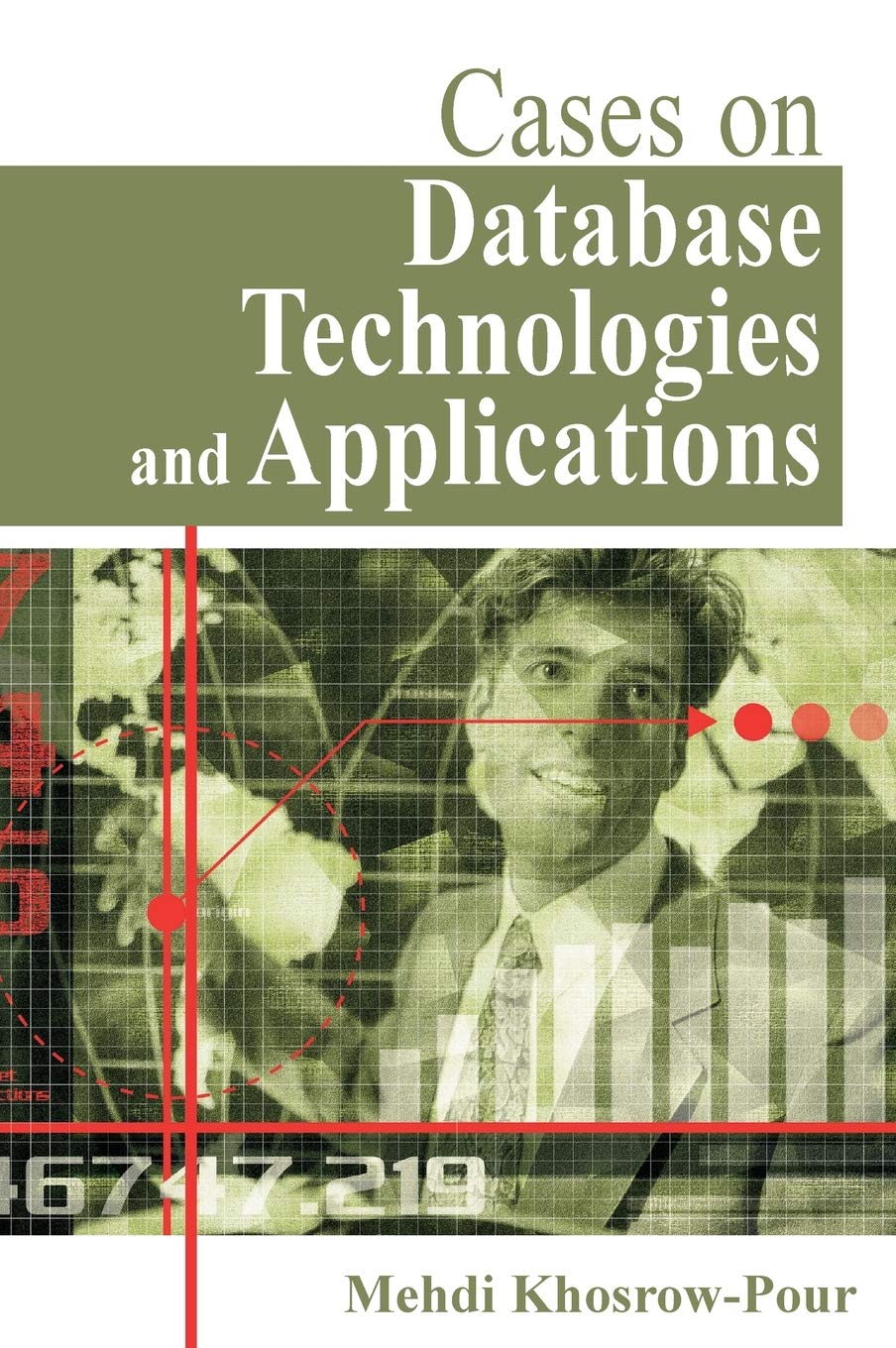
Cases on Database Technologies and Applications (Cases on Information Technology Series)

Computer Science
ASP.Net 3.5 Social Networking (English, Andrew Siemer)
Related Products
View AllComputer Science
Spring 2.5 Aspect Oriented Programming (English, Massimiliano Dess� | Massimiliano Dessi)
Computer Science
Asterisk 1.4 - the Professional's Guide (English, Colman Carpenter | David Duffett | Nik Middleton)
Computer Science
Advances In Natural Language Processing: 4th International Conference, Estal 2004, Alicante, Spain, October 20-22, 2004. Proceedings: 3230 (Lecture Notes in Computer Science)
Computer Science
Multimedia, Communication and Computing Application: Proceedings of the 2014 International Conference on Multimedia, Communication and Computing ... 2014), Xiamen, China, October 16-17, 2014
Computer Science
Cases on Database Technologies and Applications (Cases on Information Technology Series)
Computer Science