
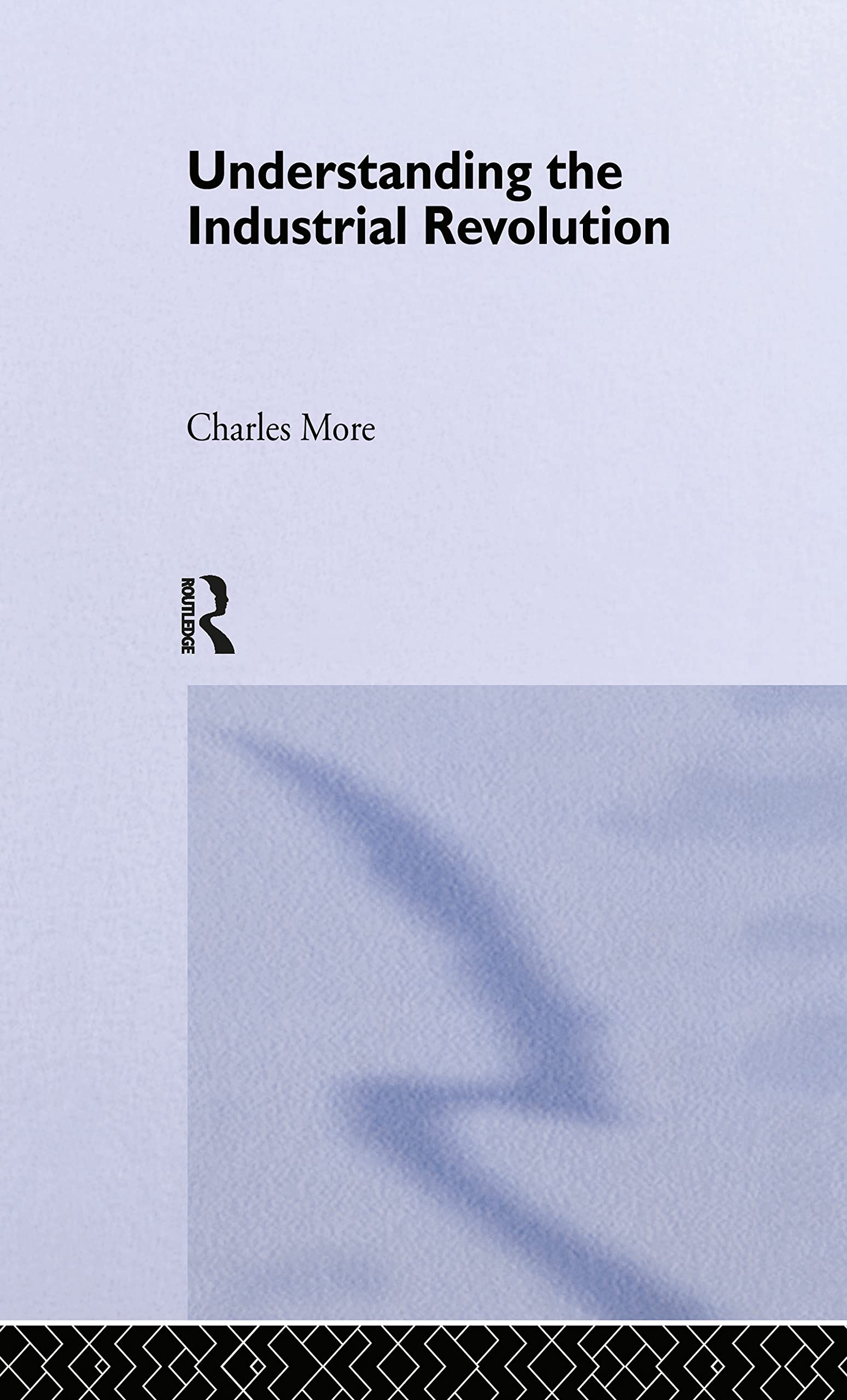
Understanding the Industrial Revolution by Charles More – A Deep Dive into Economic History and Social Change
Inclusive of all applicable taxes. FREE shipping on all orders.
Available Offers
- 🚚Free Delivery — Free shipping on all orders
- 💵Cash on Delivery — Pay when your order arrives
- ↩️15-Day Easy Returns — Hassle-free return policy
- 🔒Cash on Delivery — Pay safely when your order arrives
Check Delivery
Product Description
Introduction
Understanding the Industrial Revolution by Charles More offers a comprehensive and accessible analysis of one of history's most transformative periods. Published by Routledge, this hardcover volume is an essential resource for students, researchers, and anyone curious about the economic and social upheavals that shaped the modern world. Written with clarity and depth, the book bridges theoretical frameworks with historical evidence, making it an invaluable guide for Indian readers seeking to grasp the roots of industrialisation and its lasting impact on global economies, including India's own development trajectory.
Book Overview
This book provides a fresh exploration of the Industrial Revolution, focusing on Britain as the birthplace of this epochal shift. Charles More systematically examines the theories of economic growth and applies them to the historical context of the eighteenth and nineteenth centuries. The narrative is grounded in modern research, offering readers a balanced view of the debates surrounding capital formation, labour dynamics, technological innovation, and the role of entrepreneurship. The author also delves into the contentious issue of how industrialisation affected living standards, presenting evidence from both optimistic and pessimistic perspectives. Each chapter is structured to facilitate understanding, making complex economic concepts accessible to undergraduate and postgraduate students alike.
Key Highlights
- Comprehensive coverage of economic theories and their application to the Industrial Revolution
- Critical analysis of the social consequences of industrialisation, including living standards and urbanisation
- Up-to-date research integrated with classic debates in economic history
- Clear explanations of capital supply, labour roles, innovation, and transport infrastructure
- Ideal for Indian students studying economic history, development economics, or modern history
Inside the Book
The volume is organised into thematic chapters that guide the reader through the key drivers of industrial change. Beginning with an overview of the economic landscape of pre-industrial Britain, More moves through the supply of capital—both domestic and international—and the critical role of labour, including migration and skill formation. The book examines how entrepreneurs and inventors sparked technological breakthroughs in textiles, iron, and steam power. A dedicated chapter on transport highlights the significance of canals, roads, and railways in creating a national market. The final sections address the long-running debate on whether industrialisation improved or worsened the quality of life for ordinary people, drawing on wage data, health records, and consumption patterns.
Key Topics
- Theories of economic growth and their historical application
- Capital accumulation and investment in the eighteenth century
- Labour supply, wages, and working conditions
- Innovation, patents, and the rise of the factory system
- Transport revolution and market integration
- Living standards: real wages, health, and social welfare
- Regional variations and the global context of British industrialisation
Reader Benefits
This book helps readers build a solid foundation in economic history without requiring prior expertise. It clarifies complex theoretical ideas through concrete examples and empirical data. Students preparing for competitive examinations or university courses will find the structured arguments and historiographical insights particularly useful. For Indian readers, understanding the Industrial Revolution provides essential context for analysing colonial economic policies, the deindustrialisation of India, and the path to modern industrial growth. The book encourages critical thinking by presenting multiple viewpoints on each major issue, allowing readers to form their own informed opinions.
Learning Outcomes
- Understand the main theories explaining the onset and spread of industrialisation
- Analyse the roles of capital, labour, technology, and institutions in economic change
- Evaluate the evidence for and against improvements in living standards during the Industrial Revolution
- Connect historical processes to contemporary economic development challenges
- Develop skills in interpreting primary and secondary sources in economic history
Who Should Read
Understanding the Industrial Revolution is ideal for undergraduate and postgraduate students of history, economics, and sociology. It is also highly recommended for teachers, researchers, and general readers with an interest in how modern economies emerged. Indian students specialising in development studies or colonial history will find the book especially relevant, as it provides a benchmark against which to measure India's own industrialisation journey. The clear, jargon-free prose makes it suitable for self-study and classroom use alike.
About the Author
Charles More is a respected economic historian with extensive experience in teaching and research. He has published widely on the economic history of Britain and Europe, with a particular focus on the Industrial Revolution and its social implications. His work is known for its balanced approach, combining theoretical rigour with accessible storytelling. More's expertise ensures that readers receive a trustworthy and engaging account of this pivotal era.
About the Publisher
Routledge is a leading global academic publisher, renowned for its high-quality books in the humanities and social sciences. With a strong reputation in history, economics, and sociology, Routledge brings decades of scholarly excellence to this volume. The hardcover edition is well-produced, with clear typography and durable binding, making it a lasting addition to any library.
Conclusion
Understanding the Industrial Revolution is more than a textbook—it is a gateway to understanding the forces that created the modern world. Charles More's balanced treatment of theory and evidence, combined with a focus on human experience, makes this book a standout choice. Whether you are a student preparing for exams, a teacher looking for reliable course material, or a curious reader, this volume will deepen your appreciation of history and its relevance today. Add this essential hardcover to your collection from Bookshops.in and embark on a journey through the age that changed everything.
Quick Summary
Understanding the Industrial Revolution by Charles More is a comprehensive academic work that re-examines one of history's most transformative economic events. The book delves into various theories of economic growth and applies them to the British Industrial Revolution, while also integrating the latest scholarly research. It covers critical topics such as the supply of capital, the role of labour, innovation and entrepreneurship, the significance of transport, and the profound impact of industrialisation on living standards. Each chapter is structured around key debates, making it an excellent resource for students and researchers alike. This book is particularly valuable for Indian readers studying history or economics, as it provides a clear theoretical framework that can be applied to understand industrialisation globally. By purchasing from Bookshops.in, customers receive a genuine, well-bound physical copy that supports focused reading and study, free from digital distractions. Whether for academic courses or personal enrichment, this book offers deep insights into the forces that shaped the modern world.
Book Highlights
Book Specifications
| ISBN-13 | 9780415184045 |
| ISBN-10 | 0415184045 |
| Publisher | Routledge |
| Language | English |
| Dimensions | 14.61 x 1.91 x 21.59 cm |
| Weight | 363 g |
| Category | Economics › Economic Conditions |
| Genre | Non-fiction |
| Original Language | English |
Frequently Asked Questions
What is the main focus of 'Understanding the Industrial Revolution'?
Who is the author of this book?
Is this book suitable for Indian students?
Does the book include modern research?
What topics are covered in the book?
Is this a textbook or a general read?
What is the ISBN of this book?
Does the book discuss the social effects of industrialisation?
Is this book available in hardcover?
Can I use this book for research?
What language is the book in?
Why should I buy this book from Bookshops.in?
Readers Also Search For
Customers Also Bought
Entrepreneurship
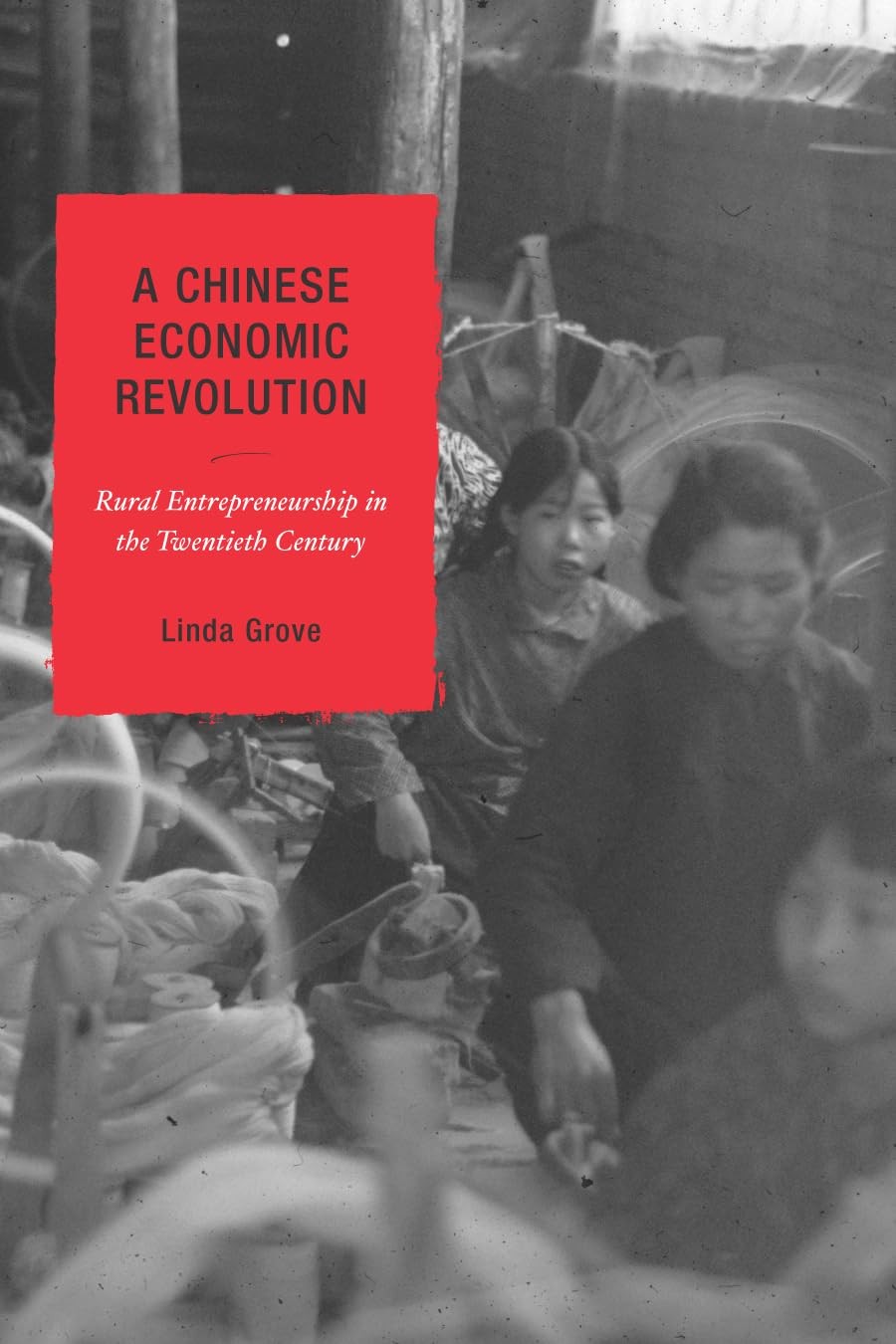
Chinese Economic Revolution (English, Linda Grove)
Entrepreneurship
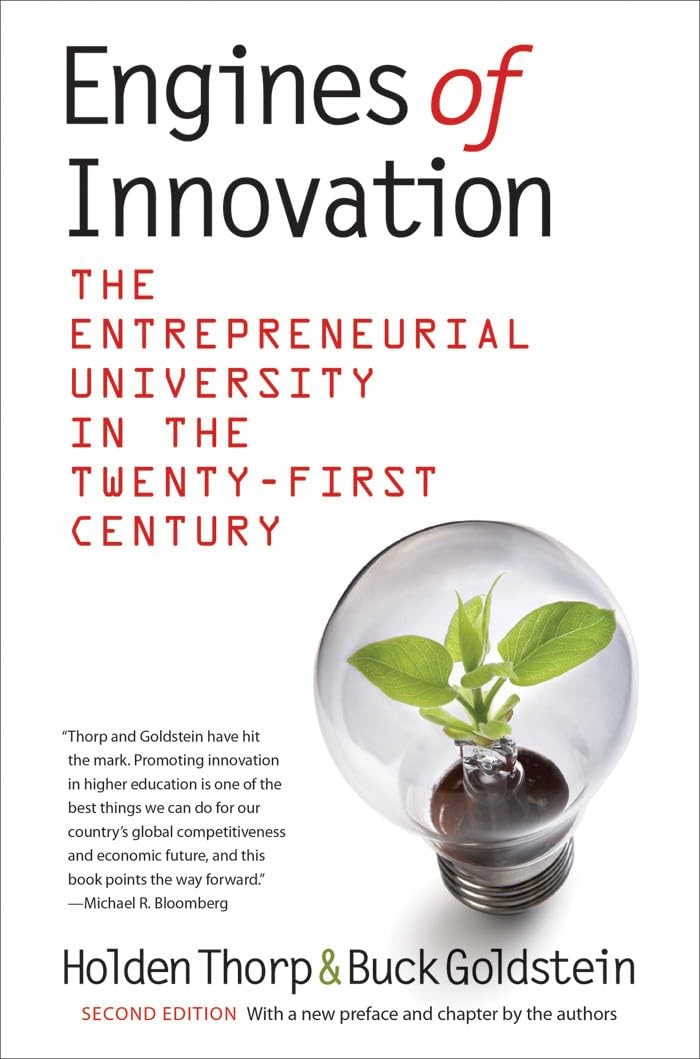
Engines of Innovation: The Entrepreneurial University in the Twenty-First Century by Holden Thorp
Entrepreneurship
Invention to Innovation (English, PhD Marshall Larry | Jenna Daroczy)

Entrepreneurship
Database Management Systems by Raghu Ramakrishnan – DBMS Textbook

Entrepreneurship
Decision-making for Technology Executives by Harold A. Linstone
Entrepreneurship
The Business Innovation Audit (English, William Tate)
Related Products
View All
Economics
Political Economy from Pufendorf to Marx (English, István Hont | Lasse S. Andersen | Béla Kapossy)
Economics
Women's Entrepreneurship and Economics (English, Miguel-Angel Galindo | Domingo Ribeiro)
Economics
Trade Policy and Industrialization in Turbulent Times | by Gerry Helleiner | Routledge | by Gerry Helleiner | Routledge | by Gerry Helleiner | Routledge | by Gerry Helleiner | Routledge | by Gerry Helleiner | Routledge | by Gerry Helleiner | Routledge | by Gerry Helleiner | Routledge | by Gerry Helleiner | Routledge | by Gerry Helleiner | Routledge | by Gerry Helleiner | Routledge | by Gerry Helleiner | Routledge | by Gerry Helleiner | Routledge | by Gerry Helleiner | Routledge | by Gerry Hellei
Economics
History of Economic Analysis | by Schumpeter Joseph A. | Taylor & Francis Ltd | by Schumpeter Joseph A. | Taylor & Francis Ltd | by Schumpeter Joseph A. | Taylor & Francis Ltd | by Schumpeter Joseph A. | Taylor & Francis Ltd | by Schumpeter Joseph A. | Taylor & Francis Ltd | by Schumpeter Joseph A. | Taylor & Francis Ltd | by Schumpeter Joseph A. | Taylor & Francis Ltd | by Schumpeter Joseph A. | Taylor & Francis Ltd | by Schumpeter Joseph A. | Taylor & Franci
Economics
OECD Compendium of Productivity Indicators 2015 | by Organization for Economic Cooperation an | Organization for Economic Co-Operation & Deve | by Organization for Economic Cooperation an | Organization for Economic Co-Operation & Deve | by Organization for Economic Cooperation an | Organization for Economic Co-Operation & Deve | by Organization for Economic Cooperation an | Organization for Economic Co-Operation & Deve | by Organization for Economic Cooperation an | Organization

Economics