

Was the Industrial Revolution Necessary? A Provocative Economic History by Graeme Snooks – Reexamining Industrialisation
Inclusive of all applicable taxes. FREE shipping on all orders.
Available Offers
- 🚚Free Delivery — Free shipping on all orders
- 💵Cash on Delivery — Pay when your order arrives
- ↩️15-Day Easy Returns — Hassle-free return policy
- 🔒Cash on Delivery — Pay safely when your order arrives
Check Delivery
Product Description
Introduction
Was the Industrial Revolution truly a turning point in human history, or could the world have progressed without it? Graeme Snooks' thought-provoking work, Was the Industrial Revolution Necessary?, challenges conventional narratives and invites readers to re-examine one of the most debated periods in economic and social history. Published by Routledge, this hardcover edition is a must-read for Indian students and scholars seeking a fresh perspective on the forces that shaped modern civilisation.
Book Overview
In this compelling volume, Graeme Snooks assembles a collection of essays that question the very necessity of the Industrial Revolution. Rather than accepting it as an inevitable leap forward, the contributors explore alternative paths of development, the role of institutions, and the socio-economic conditions that made industrialisation possible—or perhaps unnecessary. The book uses new data and innovative methodologies to spark a debate that goes beyond traditional textbooks, making it an essential resource for those studying economic history, sociology, and development studies in India.
Key Highlights
- Challenges the long-held assumption that the Industrial Revolution was an unavoidable stage of progress
- Features contributions from leading historians and economists who bring diverse perspectives
- Uses original data and unconventional sources to question established theories
- Encourages critical thinking about the relationship between technology, society, and economic growth
- Relevant for understanding contemporary debates about industrialisation in developing countries like India
Inside the Book
The book is structured around a series of analytical essays, each tackling a different facet of the Industrial Revolution. Readers will encounter discussions on pre-industrial economic systems, the role of natural resources, demographic changes, and the impact of colonialism. The chapters are rigorous yet accessible, offering both quantitative analysis and qualitative insights. Snooks and his contributors do not simply provide answers—they raise new questions that will reshape how you think about economic transformation.
Key Topics
- The economic conditions of pre-industrial Europe and their implications for growth
- Whether technological innovation was a cause or a consequence of social change
- The role of institutions, property rights, and governance in enabling industrialisation
- Comparative perspectives from non-Western societies, including India
- The environmental and social costs of industrialisation
- Alternative models of economic development that bypassed industrialisation
Reader Benefits
This book offers Indian readers a rare chance to engage with a critical re-evaluation of a historical event that continues to influence global economic policies. It sharpens analytical skills, broadens historical understanding, and provides tools to question dominant narratives. Whether you are a student preparing for competitive exams or a researcher looking for new angles, this volume will enrich your intellectual toolkit.
Learning Outcomes
- Understand the major historiographical debates surrounding the Industrial Revolution
- Critically evaluate the causes and consequences of industrialisation
- Apply alternative theoretical frameworks to historical and contemporary economic issues
- Develop the ability to question widely accepted historical assumptions
- Gain insights into the relevance of the Industrial Revolution for India's own development journey
Who Should Read
This book is ideal for undergraduate and postgraduate students of history, economics, and sociology. It is also highly recommended for educators, researchers, and anyone interested in the roots of modern economic systems. Indian readers studying development economics or preparing for civil services examinations will find the comparative and critical approach particularly valuable.
About the Author
Graeme Snooks is a distinguished economic historian and scholar known for his unconventional approaches to historical analysis. His work often challenges mainstream interpretations, and he has published extensively on the dynamics of economic change. Snooks brings a rigorous yet imaginative perspective to the study of history, making him a compelling voice in the field.
About the Publisher
Routledge is a globally respected academic publisher, known for producing high-quality scholarly works in the humanities and social sciences. With a reputation for rigorous peer review and editorial excellence, Routledge ensures that books like Was the Industrial Revolution Necessary? meet the highest standards of academic integrity and intellectual depth.
Conclusion
If you are tired of conventional histories that treat the Industrial Revolution as an inevitable march of progress, Graeme Snooks' Was the Industrial Revolution Necessary? will be a refreshing and provocative read. It is a book that does not just inform—it transforms the way you think about history, economics, and the future of development. Order your hardcover copy today from Bookshops.in and join the debate.
Quick Summary
Was the Industrial Revolution Necessary? by Graeme Snooks is a groundbreaking work of economic history that dares to question one of the most foundational narratives of modern times: that the Industrial Revolution was an inevitable and necessary catalyst for economic growth. Through original research and innovative questioning, Snooks and his contributors explore alternative pathways to prosperity, reevaluate the role of technology, and challenge the deterministic view of industrialisation. This book is ideal for Indian students, researchers, and history enthusiasts who want to deepen their understanding of how economies transform. Readers will learn to critically assess historical causality, examine the costs of industrialisation, and appreciate the complexity of economic development. By purchasing from Bookshops.in, you receive a genuine, high-quality hardcover edition from Routledge, delivered to your doorstep in India. Whether you are preparing for exams, writing a thesis, or simply passionate about history, this thought-provoking volume will expand your intellectual horizons and spark meaningful debate.
Book Highlights
Book Specifications
| ISBN-13 | 9780415108683 |
| ISBN-10 | 0415108683 |
| Publisher | Routledge |
| Language | English |
| Dimensions | 13.97 x 1.42 x 21.59 cm |
| Weight | 318 g |
| Category | Economics › Economic History |
| Genre | Non-fiction |
| Original Language | English |
Frequently Asked Questions
What is Was the Industrial Revolution Necessary? about?
Who is the author of this book?
Is this book suitable for Indian students?
What format is this book available in?
Does this book include new research?
Can I use this book for academic research?
What is the ISBN of this book?
What language is the book in?
Is this book part of a series?
What topics does the book cover?
How is this book different from other books on the Industrial Revolution?
Where can I buy this book in India?
Readers Also Search For
Customers Also Bought
Entrepreneurship
Chinese Economic Revolution (English, Linda Grove)
Entrepreneurship
Engines of Innovation: The Entrepreneurial University in the Twenty-First Century by Holden Thorp
Entrepreneurship
Invention to Innovation (English, PhD Marshall Larry | Jenna Daroczy)
Entrepreneurship
Database Management Systems by Raghu Ramakrishnan – DBMS Textbook
Entrepreneurship
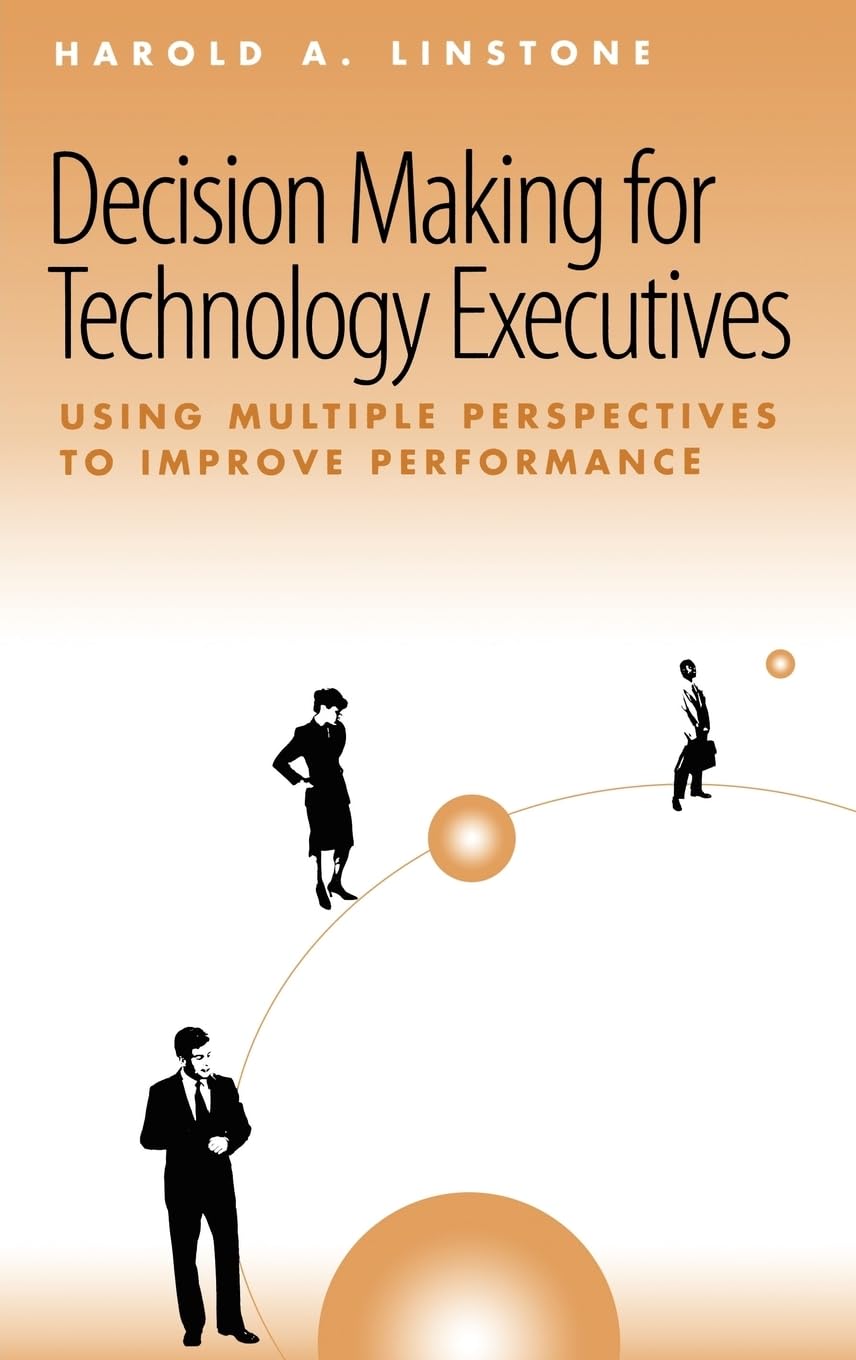
Decision-making for Technology Executives by Harold A. Linstone
Entrepreneurship
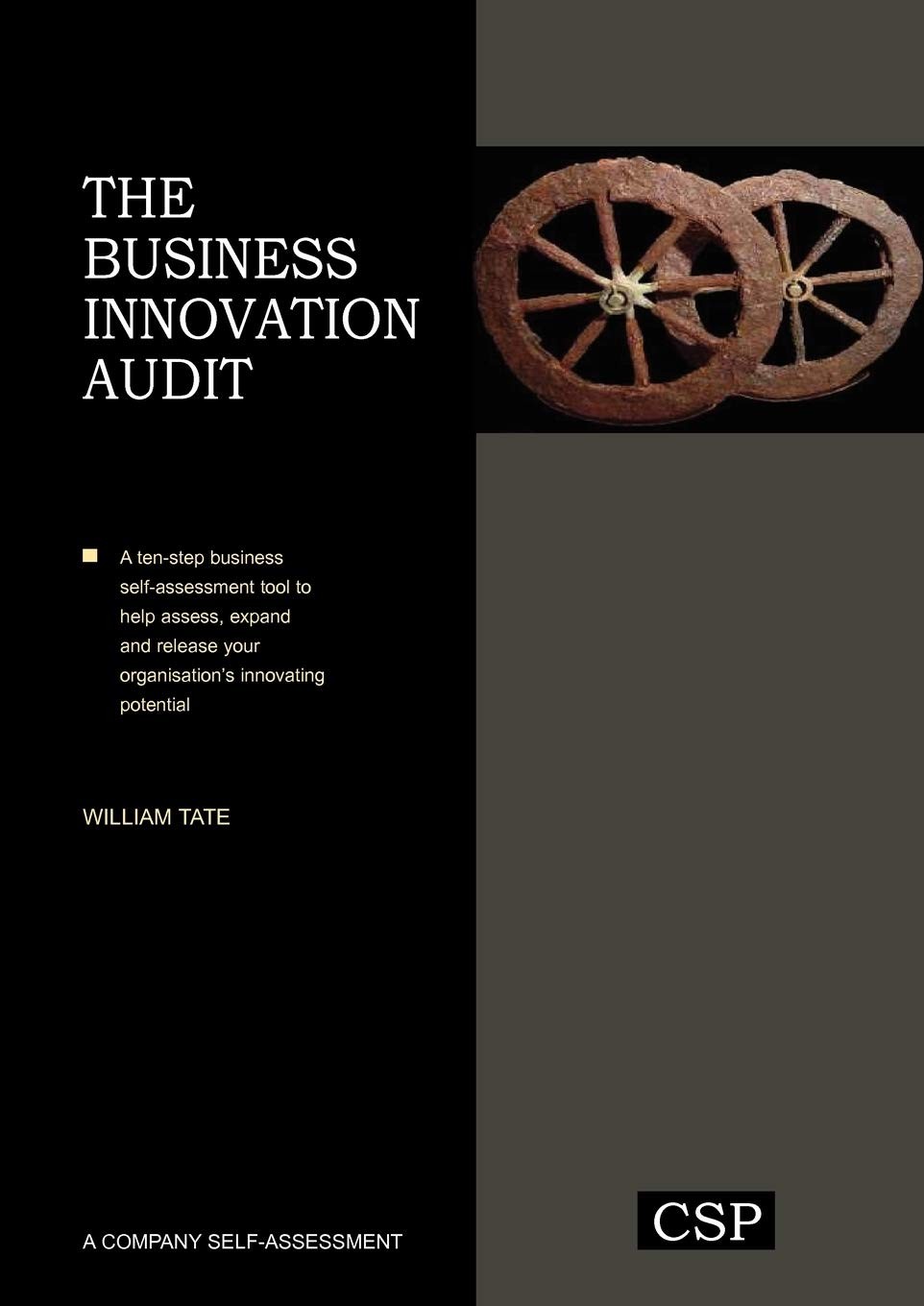
The Business Innovation Audit (English, William Tate)
Related Products
View All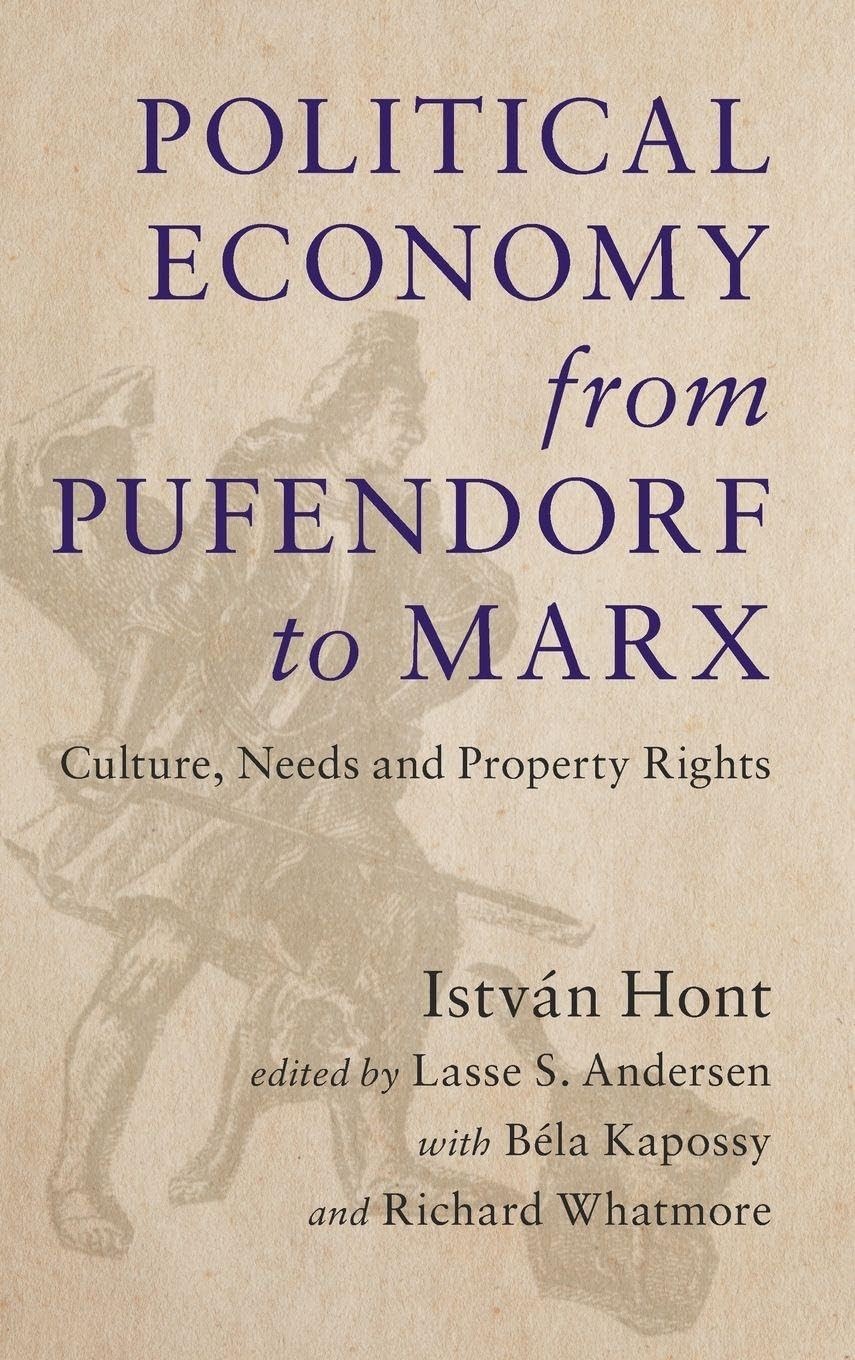
Economics
Political Economy from Pufendorf to Marx (English, István Hont | Lasse S. Andersen | Béla Kapossy)
Economics
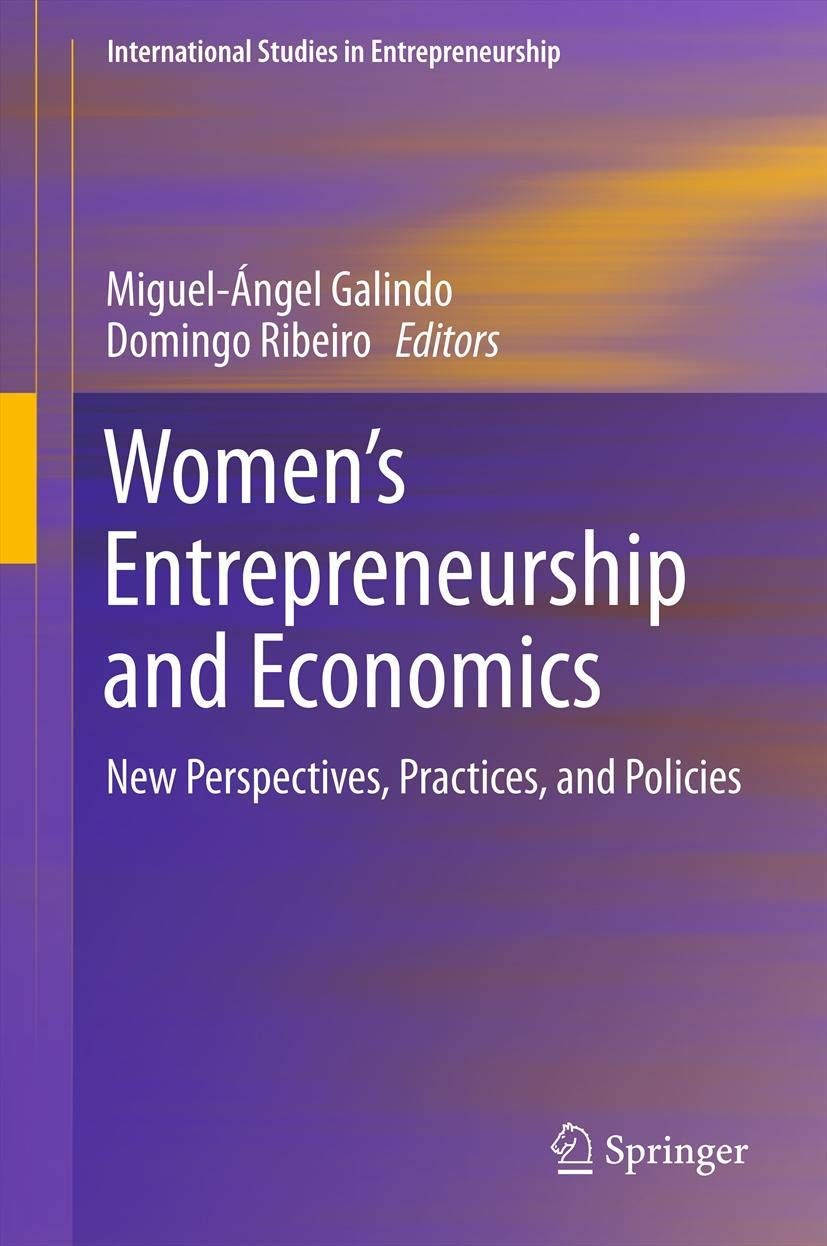
Women's Entrepreneurship and Economics (English, Miguel-Angel Galindo | Domingo Ribeiro)
Economics
Trade Policy and Industrialization in Turbulent Times | by Gerry Helleiner | Routledge | by Gerry Helleiner | Routledge | by Gerry Helleiner | Routledge | by Gerry Helleiner | Routledge | by Gerry Helleiner | Routledge | by Gerry Helleiner | Routledge | by Gerry Helleiner | Routledge | by Gerry Helleiner | Routledge | by Gerry Helleiner | Routledge | by Gerry Helleiner | Routledge | by Gerry Helleiner | Routledge | by Gerry Helleiner | Routledge | by Gerry Helleiner | Routledge | by Gerry Hellei
Economics
History of Economic Analysis | by Schumpeter Joseph A. | Taylor & Francis Ltd | by Schumpeter Joseph A. | Taylor & Francis Ltd | by Schumpeter Joseph A. | Taylor & Francis Ltd | by Schumpeter Joseph A. | Taylor & Francis Ltd | by Schumpeter Joseph A. | Taylor & Francis Ltd | by Schumpeter Joseph A. | Taylor & Francis Ltd | by Schumpeter Joseph A. | Taylor & Francis Ltd | by Schumpeter Joseph A. | Taylor & Francis Ltd | by Schumpeter Joseph A. | Taylor & Franci
Economics
OECD Compendium of Productivity Indicators 2015 | by Organization for Economic Cooperation an | Organization for Economic Co-Operation & Deve | by Organization for Economic Cooperation an | Organization for Economic Co-Operation & Deve | by Organization for Economic Cooperation an | Organization for Economic Co-Operation & Deve | by Organization for Economic Cooperation an | Organization for Economic Co-Operation & Deve | by Organization for Economic Cooperation an | Organization

Economics