
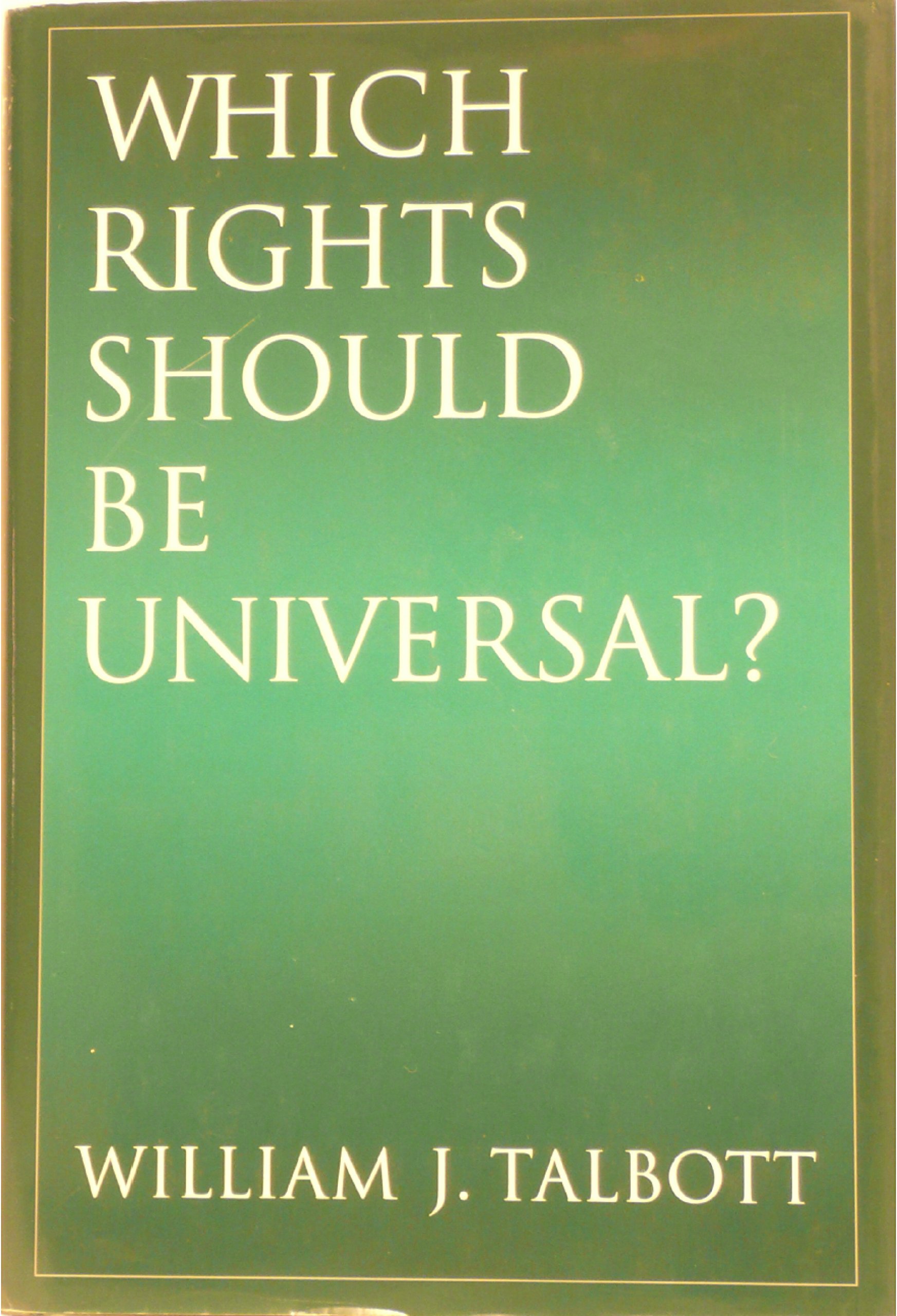
Which Rights Should Be Universal?
Inclusive of all applicable taxes. FREE shipping on all orders.
Available Offers
- 🚚Free Delivery — Free shipping on all orders
- 💵Cash on Delivery — Pay when your order arrives
- ↩️15-Day Easy Returns — Hassle-free return policy
- 🔒Cash on Delivery — Pay safely when your order arrives
Check Delivery
Product Description
"Which Rights Should Be Universal?" by William J. Talbott, published by Oxford University Press. We hold these truths to be self-evident... So begins the U.S. Declaration of Independence. What follows those words is a ringing endorsement of universal rights, but it is far from self-evident. Why did the authors claim that it was? William Talbott suggests that they were trapped by a presupposition of Enlightenment philosophy: That there was only one way to rationally justify universal truths, by proving them from self-evident premises. With the benefit of hindsight, it is clear that the authors of the U.S. Declaration had no infallible source of moral truth. For example, many of the authors of the Declaration of Independence endorsed slavery. The wrongness of slavery was not self-evident; it was a moral discovery. In this book, William Talbott builds on the work of John Rawls, Jürgen Habermas, J.S. Mill, Amartya Sen, and Henry Shue to explain how, over the course of history, human beings have learned how to adopt a distinctively moral point of view from which it is possible to make universal, though not infallible, judgments of right and wrong. He explains how this distinctively moral point of view has led to the discovery of the moral importance of nine basic rights. Undoubtedly, the most controversial issue raised by the claim of universal rights is the issue of moral relativism. How can the advocate of universal rights avoid being a moral imperialist? In this book, Talbott shows how to defend basic individual rights from a universal moral point of view that is neither imperialistic nor relativistic. Talbott avoids moral imperialism by insisting that all of us, himself included, have moral blindspots and that we usually depend on others to help us to identify those blindspots. Talbott's book speaks to not only debates on human rights but to broader issues of moral and cultural relativism, and will interest a broad range of readers Book details: 232 pages, published 2005. Order now on BookShops.in with fast, reliable delivery across India.
Book Specifications
| ISBN-13 | 9780195173475 |
| ISBN-10 | 0195173473 |
| Publisher | OUP USA |
| Language | english |
| Print Length | 232 pages |
| Category | Politics |
Frequently Asked Questions
What is the price of Which Rights Should Be Universal??
Does BookShops.in offer free delivery for Which Rights Should Be Universal??
Is Cash on Delivery available for Which Rights Should Be Universal??
What is the return policy for Which Rights Should Be Universal??
Is Which Rights Should Be Universal? authentic?
Related Products
View All
Politics
Liberty and Legislation
Politics
Israel's National Security Towards the 21st Century
Politics
Russia in the National Interest
Politics
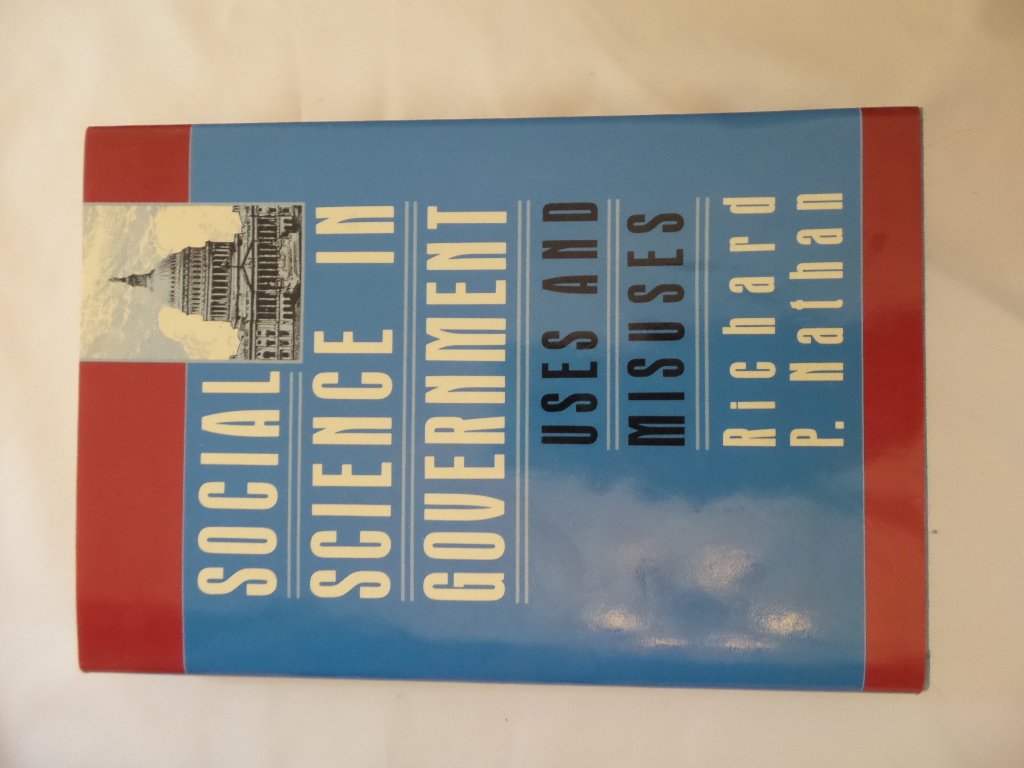
Social Science In Government
Politics
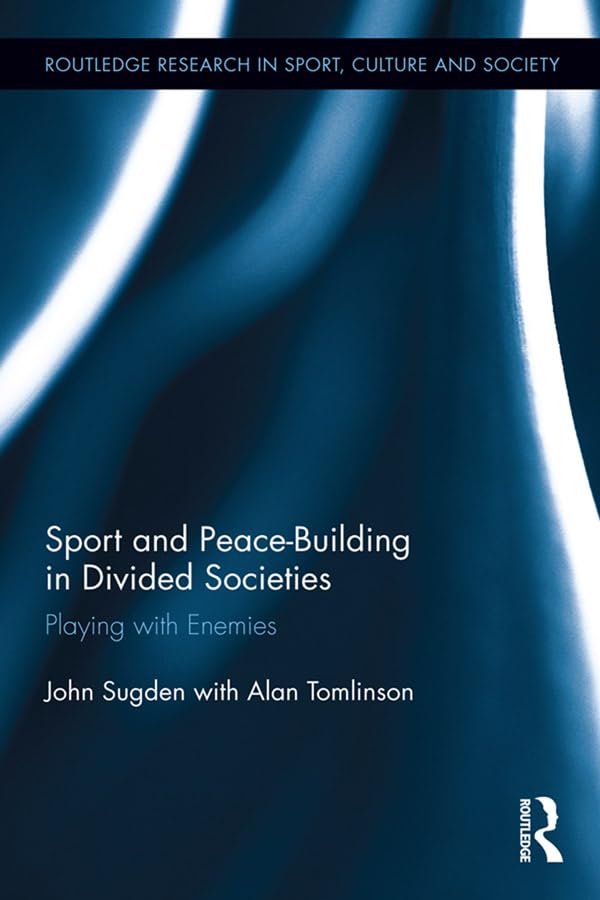
Sport and Peace-Building in Divided Societies: Playing with Enemies
Politics