
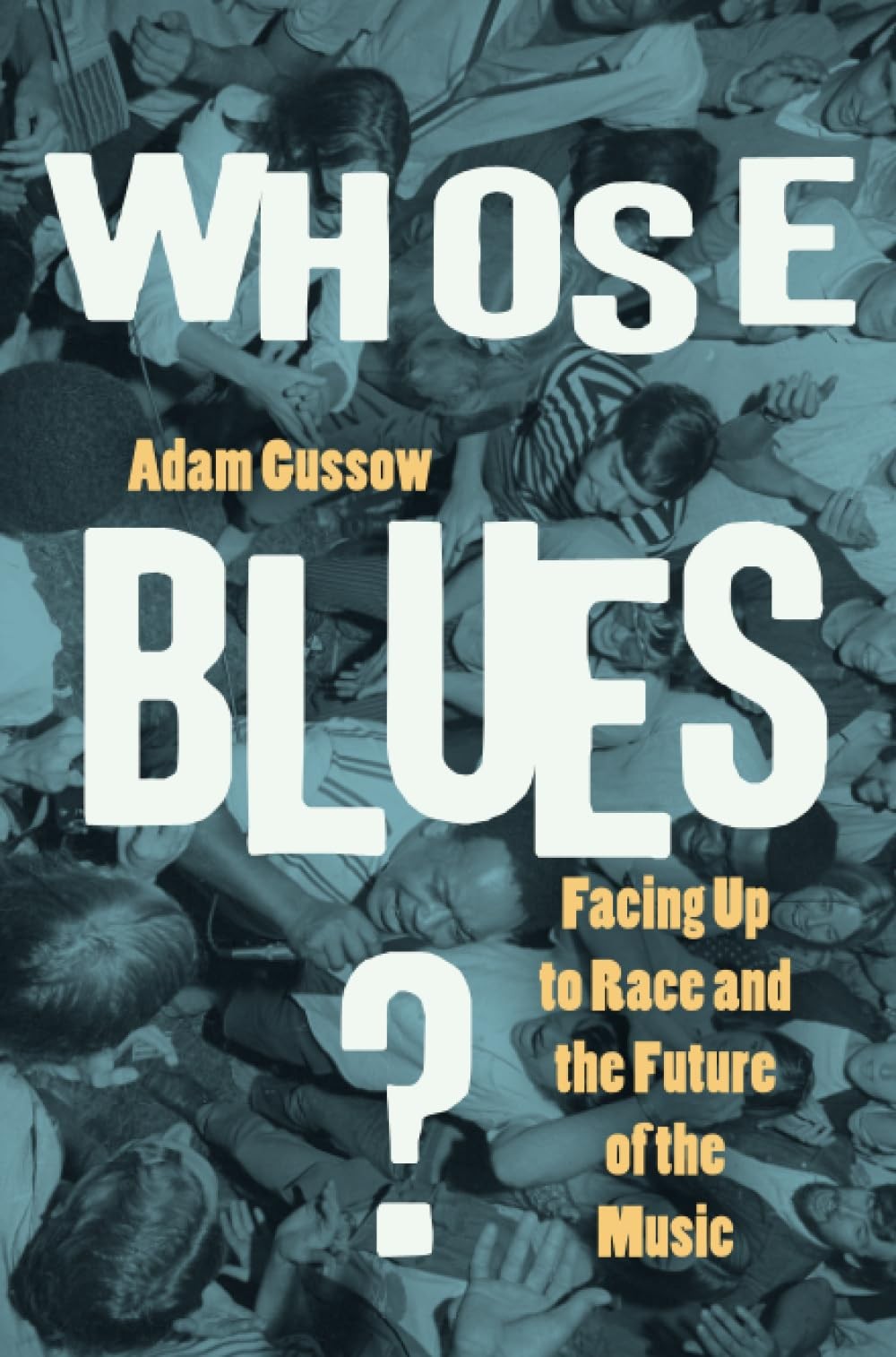
Whose Blues?: Facing Up to Race and the Future of the Music by Adam Gussow – A Critical Exploration of Race, Identity, a
Inclusive of all applicable taxes. FREE shipping on all orders.
Available Offers
- 🚚Free Delivery — Free shipping on all orders
- 💵Cash on Delivery — Pay when your order arrives
- ↩️15-Day Easy Returns — Hassle-free return policy
- 🔒Cash on Delivery — Pay safely when your order arrives
Check Delivery
Product Description
Introduction
In the world of music, few genres carry as much cultural weight and emotional depth as the blues. Yet, as the music spreads across continents and generations, a pressing question emerges: who truly owns the blues? Adam Gussow’s Whose Blues?: Facing Up to Race and the Future of the Music dives headfirst into this complex terrain, offering a thoughtful, provocative, and deeply researched exploration of race, identity, and the ever-evolving soul of blues. For Indian readers, students, and music lovers, this book is not just about American history—it is a mirror to global conversations about cultural exchange, authenticity, and belonging.
Book Overview
Published by the esteemed University of North Carolina Press, this hardcover edition brings together decades of scholarship and performance experience. Gussow, an award-winning blues scholar and musician, traces the journey of blues from Mamie Smith’s groundbreaking 1920 recording of “Crazy Blues” to the present-day global phenomenon. Rather than offering a simple history, the book tackles the tensions between those who see blues as exclusively black music and those who celebrate its multicultural, transnational evolution. It is a balanced, passionate, and essential read for anyone seeking to understand how race shapes art and how art shapes race.
Key Highlights
- Century-long perspective: From early race records to today’s international blues festivals, the book covers a vast timeline with clarity and depth.
- Original research: Gussow combines archival research, personal anecdotes from his own performances, and interviews with musicians across the globe.
- Balanced argument: The author does not take sides but instead presents multiple viewpoints, encouraging readers to form their own conclusions about ownership and appropriation.
- Accessible yet scholarly: Written for both academics and general readers, the language is engaging without sacrificing intellectual rigour.
Inside the Book
Each chapter unfolds like a conversation, weaving together music history, racial politics, and personal narrative. Gussow examines the origins of blues in the African American experience, the commercial explosion of “race records,” and the later global spread that brought white, Asian, and Latinx musicians into the fold. He does not shy away from uncomfortable questions: Is the phrase “No black. No white. Just the blues” a utopian dream or a denial of painful history? What does it mean for a Japanese guitarist to play Mississippi Delta blues? Through vivid storytelling and rigorous analysis, the book invites readers to listen more deeply and think more critically.
Key Topics
- Cultural appropriation versus cultural exchange in music
- The role of race in defining artistic authenticity
- History of blues from the American South to global stages
- Economic and social forces behind the blues industry
- Intersections of blues with civil rights and Black identity
- Contemporary debates among musicians, critics, and fans
Reader Benefits
By engaging with this book, you will gain a richer understanding of how music reflects and shapes society. You will learn to identify the subtle ways race influences not only who makes music but also who gets to define it. For Indian readers, the book offers a valuable framework for thinking about our own diverse musical traditions—whether it is the blues-infused sounds of Bollywood or the regional folk forms that cross caste and class lines. Moreover, Gussow’s even-handed approach helps readers navigate emotionally charged debates with empathy and critical thought.
Learning Outcomes
- Understand the historical roots of blues and its connection to African American struggles and triumphs
- Analyse contemporary arguments about cultural ownership and authenticity in music
- Recognise the global impact of blues on popular music and identity politics
- Develop a nuanced perspective on race and art that applies beyond blues
- Appreciate the complex interplay between tradition and innovation in creative expression
Who Should Read
This book is ideal for music enthusiasts, students of cultural studies, sociology, and history, as well as musicians curious about the social context of their craft. It is also a must-read for anyone interested in race relations, postcolonial thought, or the ethics of cultural borrowing. Whether you are a lifelong blues fan or a newcomer to the genre, Gussow’s insights will deepen your appreciation and challenge your assumptions.
About the Author
Adam Gussow is an acclaimed scholar, performer, and author. He has written extensively on blues literature and music, including the celebrated book Mister Satan’s Apprentice. A harmonica player and teacher, he brings both academic rigour and real-world experience to his writing. His work has been praised for its passion, clarity, and willingness to confront difficult truths.
About the Publisher
The University of North Carolina Press is one of the oldest and most respected academic publishers in the United States. Known for its commitment to high-quality scholarship in history, music, and cultural studies, the press ensures that each title meets rigorous editorial standards. This hardcover edition reflects that tradition, with durable binding and clear typography that makes reading a pleasure.
Conclusion
Whose Blues?: Facing Up to Race and the Future of the Music is more than a book about a genre—it is a vital conversation starter for our times. Adam Gussow’s thoughtful examination of race, history, and music will leave you questioning, learning, and, most importantly, listening. Whether you are a student, a teacher, a musician, or simply a curious reader, this book belongs on your shelf. Order your copy today from Bookshops.in and join the global dialogue on what it means to play the blues.
Quick Summary
Whose Blues?: Facing Up to Race and the Future of the Music by Adam Gussow is a thought-provoking examination of the blues as a contested cultural space. Starting with Mamie Smith's historic 1920 recording of 'Crazy Blues,' the book traces the genre's journey from a distinctly African American expression to a global, multicultural phenomenon. Gussow tackles uncomfortable questions about ownership, appropriation, and erasure, challenging the popular notion that 'there's no black, no white, just the blues.' This book is ideal for music lovers, students of cultural studies, and anyone interested in how race shapes art and identity. Readers will gain a deeper understanding of the blues' roots, its commercial evolution, and the ongoing debates that define its future. By purchasing from Bookshops.in, you support an independent Indian bookstore committed to bringing diverse voices to readers across India.
Book Highlights
Book Specifications
| ISBN-13 | 9781469660363 |
| ISBN-10 | 1469660369 |
| Publisher | The University of North Carolina Press |
| Language | English |
| Dimensions | 15.56 x 2.11 x 23.5 cm |
| Weight | 499 g |
| Country | India |
| Category | Performing Arts › Music |
| Genre | Nonfiction |
| Reading Age | Adult |
| Original Language | English |
Frequently Asked Questions
What is Whose Blues? about?
Who is the author of Whose Blues??
Is this book suitable for Indian readers?
What makes this book different from other blues histories?
Does the book cover modern blues artists?
Is this book academic or accessible to general readers?
What is the price of Whose Blues? on Bookshops.in?
Can I buy Whose Blues? from a local Indian bookstore?
Does the book address cultural appropriation?
What is the significance of Mamie Smith in this book?
Is there a digital version available?
What are some related books to Whose Blues??
Who is the publisher of this book?
Readers Also Search For
Customers Also Bought
Art History
The Italian Renaissance in Art

Art History
Photovoltaic Design & Installation For Dummies | by Mayfield | ForDummies | by Mayfield | ForDummies | by Mayfield | ForDummies | by Mayfield | ForDummies | by Mayfield | ForDummies | by Mayfield | ForDummies | by Mayfield | ForDummies | by Mayfield | ForDummies | by Mayfield | ForDummies | by Mayfield | ForDummies | by Mayfield | ForDummies | by Mayfield | ForDummies | by Mayfield | ForDummies | by Mayfield | ForDummies | by Mayfield | ForDummies | by Mayfield | ForDummies | by Mayfield | ForDu
Art History
Designing School Systems for All Students (English, Robert J. Manley | Richard J. Hawkins)

Art History
Routledge Library Editions: Art and Culture in the Nineteenth Century

Art History
An Errant Design (English, S. H. Long)

Art History
Distributed System Design | by Jie Wu | CRC Press | by Jie Wu | CRC Press | by Jie Wu | CRC Press | by Jie Wu | CRC Press | by Jie Wu | CRC Press | by Jie Wu | CRC Press | by Jie Wu | CRC Press | by Jie Wu | CRC Press | by Jie Wu | CRC Press | by Jie Wu | CRC Press | by Jie Wu | CRC Press | by Jie Wu | CRC Press | by Jie Wu | CRC Press | by Jie Wu | CRC Press | by Jie Wu | CRC Press | by Jie Wu | CRC Press | by Jie Wu | CRC Press | by Jie Wu | CRC Press | by Jie Wu | CRC Press | by Jie Wu | CRC
Related Products
View All
Music
The Cambridge Companion to Michael Tippett by Kenneth Gloag – Music Analysis
Music
Making Light: Haydn, Musical Camp, and the Long Shadow of German Idealism
Music
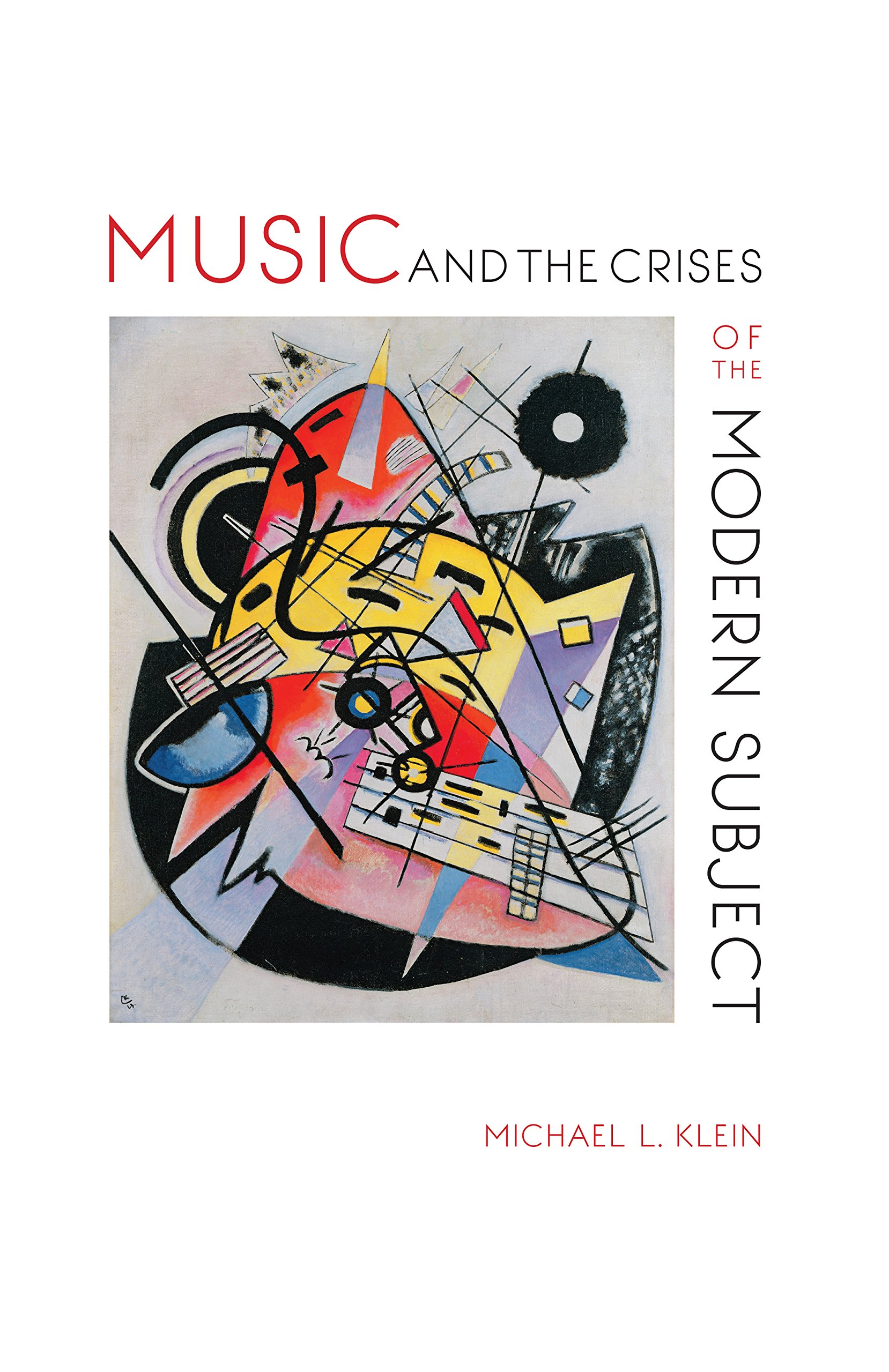
Music and the Crises of the Modern Subject by Michael L. Klein – Music Theory & Criticism
Music
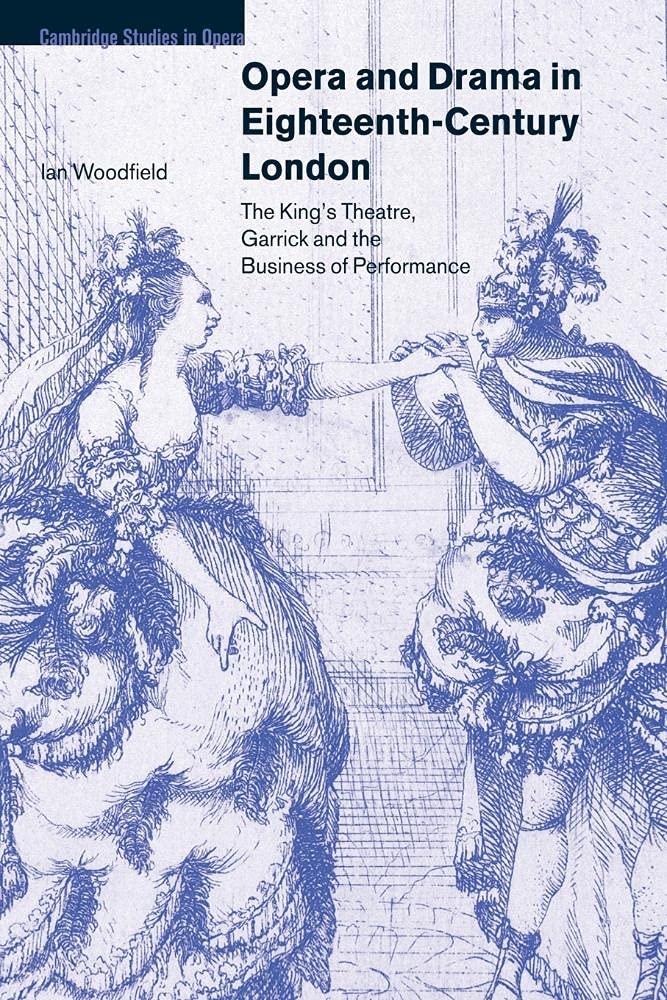
Opera and Drama in Eighteenth-Century London: The King's Theatre, Garrick and the Business of Perfor

Music
Music in Theory and Practice Volume 1 | by Bruce Benward | Marilyn Saker | McGraw-Hill Companies | by Bruce Benward | Marilyn Saker | McGraw-Hill Companies | by Bruce Benward | Marilyn Saker | McGraw-Hill Companies | by Bruce Benward | Marilyn Saker | McGraw-Hill Companies | by Bruce Benward | Marilyn Saker | McGraw-Hill Companies | by Bruce Benward | Marilyn Saker | McGraw-Hill Companies | by Bruce Benward | Marilyn Saker | McGraw-Hill Companies | by Bruce Benward | Marilyn Saker | McGraw-Hill

Music