
Zoo Conservation Biology: A Critical Assessment of Zoos in Species Conservation by John E. Fa
Inclusive of all applicable taxes. FREE shipping on all orders.
Available Offers
- 🚚Free Delivery — Free shipping on all orders
- 💵Cash on Delivery — Pay when your order arrives
- ↩️15-Day Easy Returns — Hassle-free return policy
- 🔒Cash on Delivery — Pay safely when your order arrives
Check Delivery
Product Description
Introduction
As biodiversity declines at an alarming rate across the globe, the role of zoos in conservation has never been more critical. Zoo Conservation Biology by John E. Fa offers a rigorous, evidence-based examination of how modern zoos can contribute to saving endangered species. Published by Cambridge University Press, this hardcover volume is an essential resource for Indian students, researchers, and wildlife professionals seeking to understand the intersection of captive management and wild species preservation.
Book Overview
This comprehensive work bridges the gap between theoretical conservation science and practical zoo management. The author, a leading expert in species restoration, presents a balanced assessment of zoos’ contributions to conservation, drawing on decades of global research. The book is structured in three parts: first, it sets the biodiversity context and traces the evolution of zoos worldwide; second, it delves into the science of maintaining viable captive populations; and third, it explores innovative strategies for zoos to amplify their conservation impact. Written with clarity and depth, this text is equally valuable for classroom learning and field application.
Key Highlights
- Critical evaluation of zoo collection composition and its alignment with conservation priorities
- In-depth analysis of genetic management and demographic challenges in captive populations
- Practical insights into the behavioural and physiological consequences of captivity
- Case studies from successful in situ and ex situ restoration projects worldwide
- Future-oriented discussion on how zoos can evolve to meet 21st-century conservation needs
Inside the Book
The journey begins with an exploration of biodiversity loss and the historical role of zoos, from menageries to modern conservation centres. The middle chapters focus on the nuts and bolts of captive breeding—covering genetics, population viability, and animal welfare. The final section looks outward, examining how zoos can collaborate with field conservationists, engage local communities, and contribute to ecosystem restoration. Each chapter is supported by real-world data, making the science accessible and actionable.
Key Topics
- Origins and global spread of zoological collections
- Captive population genetics and breeding programme design
- Animal health, stress, and adaptation in zoo environments
- Measuring zoos’ success in species recovery
- Integrating zoo conservation with landscape-level initiatives
Reader Benefits
Readers will gain a nuanced understanding of the opportunities and limitations of zoo-based conservation. The book equips you with the tools to evaluate captive management strategies critically. For Indian readers, the principles discussed are directly applicable to the country’s zoos, which are increasingly involved in breeding programmes for native species like the Bengal tiger and the Indian rhinoceros. You will learn to assess genetic diversity, plan reintroductions, and design ethical enclosures that mimic natural habitats.
Learning Outcomes
- Understand the scientific foundations of captive animal management
- Analyse the genetic and demographic factors that affect population viability
- Evaluate the effectiveness of zoos in contributing to global conservation targets
- Design evidence-based conservation strategies that integrate captive and wild populations
- Critically assess ethical debates surrounding the keeping of animals in captivity
Who Should Read
This book is ideal for undergraduate and postgraduate students in zoology, wildlife biology, and environmental science. It is also highly relevant for zoo professionals, conservation practitioners, wildlife veterinarians, and policy-makers in India. Anyone passionate about biodiversity and the future of endangered species will find this a thought-provoking and practical guide.
About the Author
John E. Fa is a distinguished conservation biologist with extensive experience in species restoration projects across the globe. He has worked with numerous international organisations and contributed to the recovery of threatened species through both captive breeding and habitat-based interventions. His research has been published in leading scientific journals, and he brings a wealth of field knowledge to this book.
About the Publisher
Cambridge University Press is a world-renowned academic publisher with a legacy of producing authoritative works in science and scholarship. Known for rigorous peer review and high editorial standards, Cambridge publications are trusted by students and professionals worldwide. This hardcover edition reflects the publisher’s commitment to quality and durability.
Conclusion
Zoo Conservation Biology is a vital addition to the library of anyone serious about conservation. It challenges readers to rethink the role of zoos and offers a roadmap for making them more effective in preserving our planet’s precious wildlife. For Indian readers, the insights are particularly valuable as the country balances development with biodiversity protection. Order your copy today from Bookshops.in and join the movement to save species through science.
Quick Summary
Zoo Conservation Biology by John E. Fa is a critical and evidence-based examination of the role zoos play in species conservation amidst global biodiversity decline. The book is divided into three parts: first, it sets the biodiversity context and traces the origins and global spread of zoos, analyzing animal collection composition. The second part delves into the fundamentals of maintaining viable captive populations, covering the consequences of captivity on animals, the genetics of captive populations, and the performance of zoos in captive breeding. The final part explores how zoos can integrate with in situ conservation and restoration projects. Written by a professional with hands-on experience in international conservation, this book is ideal for Indian students, researchers, and wildlife professionals seeking a comprehensive understanding of zoo-based conservation. Readers will learn about genetic management, animal welfare, and effective breeding strategies. By purchasing from Bookshops.in, customers get a high-quality hardcover edition with reliable delivery across India.
Book Highlights
Book Specifications
| ISBN-13 | 9780521534932 |
| ISBN-10 | 0521534933 |
| Publisher | Cambridge University Press |
| Language | English |
| Dimensions | 18.9 x 2.01 x 24.61 cm |
| Weight | 750 g |
| Country | India |
| Category | Biology & Life Sciences › Ecology |
| Genre | Non-fiction |
| Original Language | English |
Frequently Asked Questions
What is Zoo Conservation Biology about?
Who is the author of this book?
Is this book suitable for Indian students?
What topics are covered in the book?
Does the book include case studies?
What is the ISBN-13?
Is this book available in hardcover?
What is the price in India?
What is the language of the book?
How many reviews does it have?
What category does this book belong to?
Can this book help with wildlife conservation projects?
Where can I buy this book in India?
Readers Also Search For
Related Products
View All
Science & Mathematics
Stereotype Spaces and Algebras: 73 (De Gruyter Expositions in Mathematics, 73)
Science & Mathematics
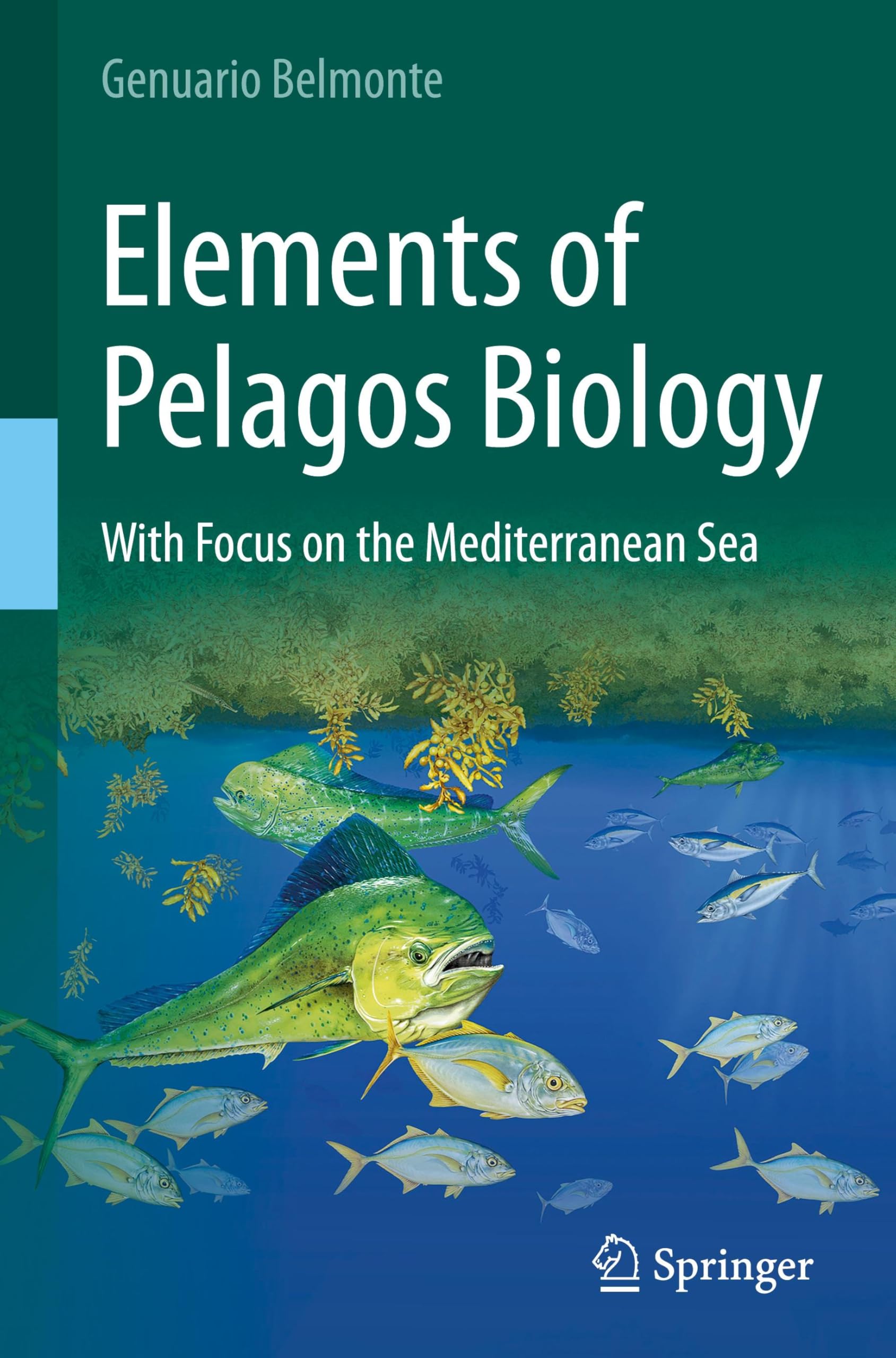
Elements of Pelagos Biology: With Focus on the Mediterranean Sea
Science & Mathematics
Mathematical Theory of Optimal Processes (Classics of Soviet Mathematics)
Science & Mathematics
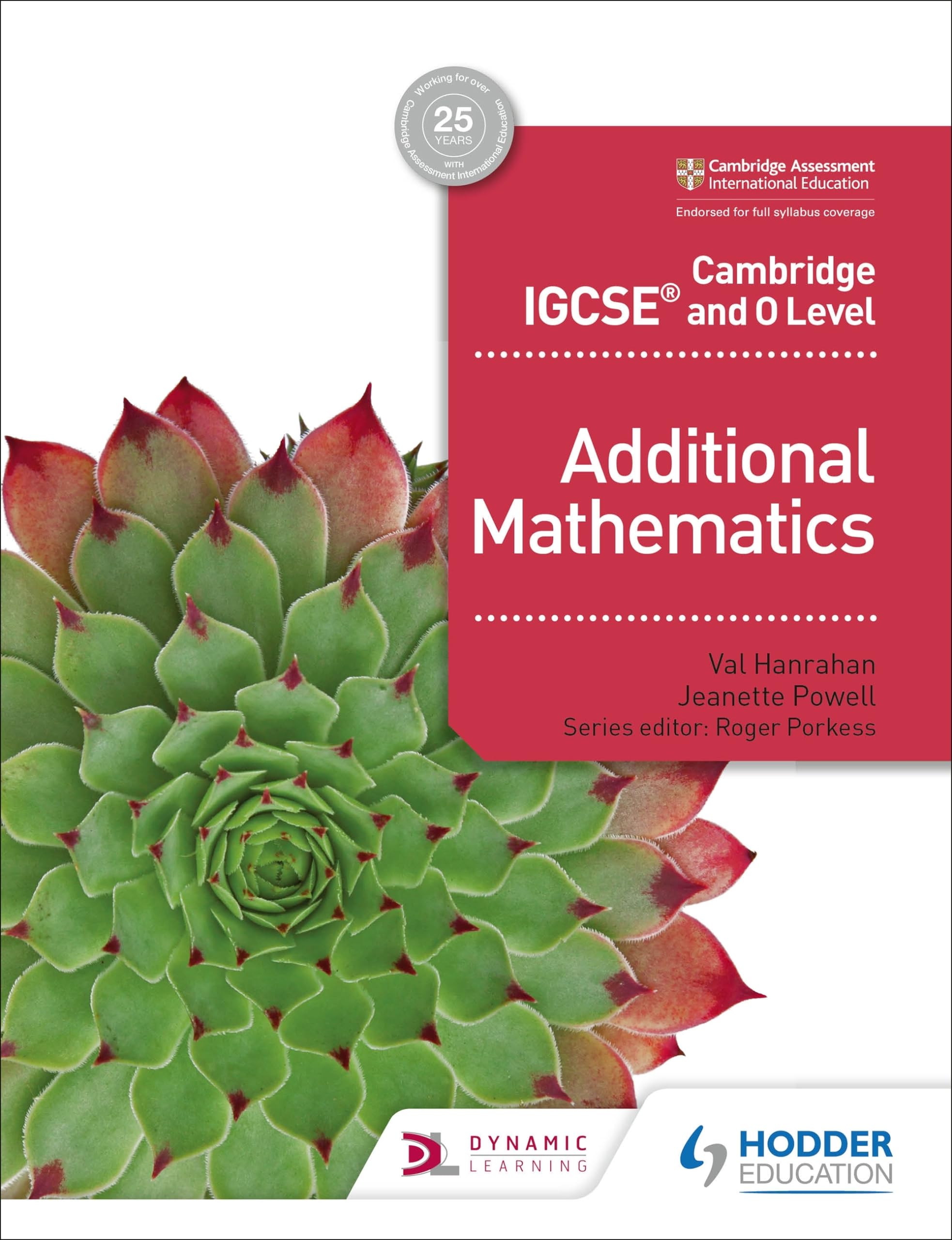
Cambridge IGCSE and O Level Additional Mathematics by Val Hanrahan – Textbook for 0606/4037

Science & Mathematics
Squid - Superconducting Quantum Interference Devices and Their Applications: Proceedings of the International Conference on Superconducting Quantum Devices, Berlin-west, October 4-8, 1976

Science & Mathematics