
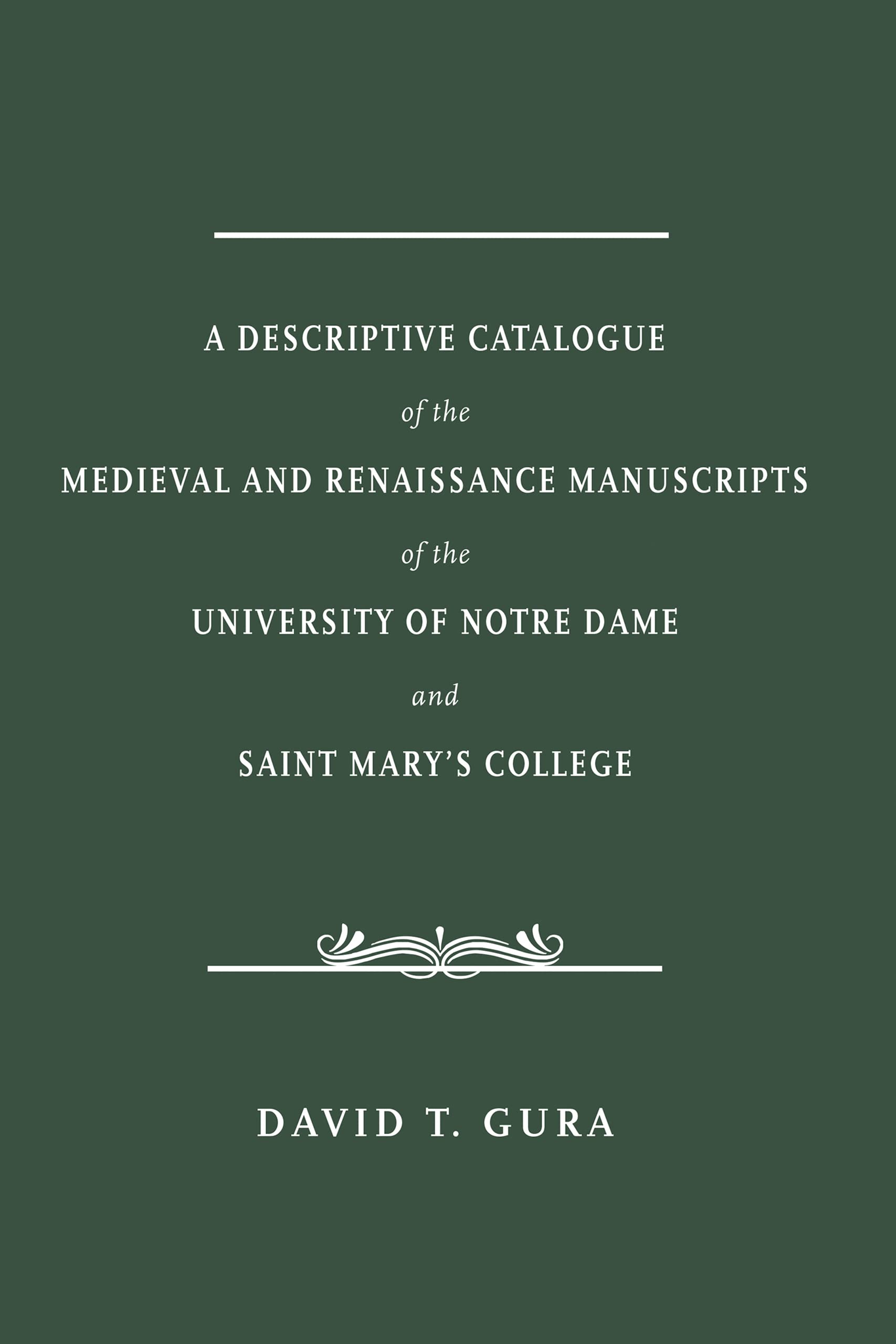
A Descriptive Catalogue of the Medieval and Renaissance Manuscripts of the University of Notre Dame and Saint Mary's Col
Inclusive of all applicable taxes. FREE shipping on all orders.
Available Offers
- 🚚Free Delivery — Free shipping on all orders
- 💵Cash on Delivery — Pay when your order arrives
- ↩️15-Day Easy Returns — Hassle-free return policy
- 🔒Cash on Delivery — Pay safely when your order arrives
Check Delivery
Product Description
Introduction
For scholars, librarians, and serious students of medieval and Renaissance history, the study of manuscripts is a gateway to understanding the intellectual, religious, and artistic life of past centuries. A Descriptive Catalogue of the Medieval and Renaissance Manuscripts of the University of Notre Dame and Saint Mary's College offers an unparalleled resource for anyone interested in the material culture of the book. This meticulously researched volume by David T. Gura provides a comprehensive and scholarly description of 288 manuscripts, leaves, and fragments spanning the late eleventh through the sixteenth century. Whether you are a researcher in India or abroad, this catalogue is an essential reference for exploring the rich heritage of Western manuscript production.
Book Overview
Published by the University of Notre Dame Press, this hardcover volume is a definitive guide to the medieval and Renaissance manuscript holdings of two prominent American institutions: the University of Notre Dame (Hesburgh Library and Snite Museum of Art) and Saint Mary's College. The collection includes bibles, books of hours, calendars, liturgical texts, and a variety of other manuscripts. Each entry is based on intensive paleographical and codicological analysis, addressing material and support, collation, illumination, layout, script types, ownership history, bindings, and bibliographic references. The book also features scaled diagrams of ruling patterns and border arrangements, making it an invaluable tool for comparative manuscript studies.
Key Highlights
- Comprehensive coverage of 288 manuscripts from the late 11th to the 16th century
- Detailed descriptions based on original paleographical and codicological research
- Scaled diagrams of distinct and variant ruling patterns and border arrangements
- Organized by repository for easy reference and comparison
- Includes bibles, books of hours, liturgical texts, and other significant works
- Thorough treatment of ownership history, bindings, and illumination
Inside the Book
Inside this catalogue, readers will find a systematic and scholarly presentation of each manuscript. The descriptions are structured to facilitate comparison, with each entry covering material support, collation, layout, script types, decoration, and provenance. The inclusion of scaled diagrams allows researchers to compare ruling patterns and border designs across different manuscripts, both within the collection and with external holdings. The book also provides extensive bibliographic references, making it a starting point for deeper research. The author's flexible schematic for analytical description ensures consistency while accommodating the unique features of each manuscript.
Key Topics
- Medieval and Renaissance manuscript production
- Paleography and codicology
- Liturgical texts and books of hours
- Illumination and border decoration
- Ownership history and provenance
- Book bindings and material culture
- Comparative analysis of ruling patterns
Reader Benefits
This book offers several benefits to its readers. For researchers, it provides a reliable, well-organized catalogue that saves time in locating and comparing manuscripts. For students, it serves as an educational tool for learning how to describe and analyze manuscripts systematically. Librarians and curators will find it useful for cataloguing and exhibition planning. The diagrams and detailed descriptions also help in identifying similar manuscripts in other collections, making it a practical resource for global manuscript studies. Additionally, the book's focus on a specific institutional collection allows for in-depth study without being overwhelming.
Learning Outcomes
By engaging with this catalogue, readers will develop a deeper understanding of the physical and textual features of medieval and Renaissance manuscripts. They will learn how to identify script types, analyze collation, and interpret ruling patterns. The book also teaches the importance of provenance and ownership history in manuscript studies. Scholars will gain skills in comparative analysis, while students will become familiar with the terminology and methodologies of paleography and codicology. Ultimately, this work enhances the ability to critically evaluate and describe manuscript materials, a key skill for any historian or librarian.
Who Should Read
This book is ideal for academic researchers, historians, art historians, and librarians specializing in medieval and Renaissance studies. It is also suitable for postgraduate students in history, art history, archival studies, and library science. Collectors and antiquarian book dealers with an interest in Western manuscripts will find it a valuable reference. Indian readers engaged in comparative manuscript studies, especially those working with South Asian or Islamic manuscript traditions, can benefit from the methodological approaches presented here. Anyone passionate about the history of the book and material culture will appreciate this detailed catalogue.
About the Author
David T. Gura is a respected scholar in the field of medieval manuscript studies. He has extensive experience in paleography and codicology, having worked with numerous manuscript collections in the United States and Europe. His expertise in describing and analyzing manuscripts is evident in the meticulous detail of this catalogue. Gura's work is known for its clarity, precision, and innovative approach to manuscript description, making him a trusted authority in the field.
About the Publisher
The University of Notre Dame Press is a distinguished academic publisher known for producing high-quality scholarly works in the humanities and social sciences. With a strong commitment to advancing knowledge, the press has published numerous important titles in medieval studies, history, and religion. This catalogue reflects the press's dedication to supporting rigorous research and making specialized knowledge accessible to a global audience.
Conclusion
A Descriptive Catalogue of the Medieval and Renaissance Manuscripts of the University of Notre Dame and Saint Mary's College is an indispensable resource for anyone serious about manuscript studies. Its comprehensive coverage, detailed analysis, and practical diagrams set it apart as a model of scholarly cataloguing. For Indian readers and institutions building collections in medieval history, this book offers both a reference tool and an inspiration for similar work with local manuscript traditions. Add this essential volume to your library today and unlock the secrets of the medieval and Renaissance world.
Quick Summary
A Descriptive Catalogue of the Medieval and Renaissance Manuscripts of the University of Notre Dame and Saint Mary's College by David T. Gura is an authoritative reference work that systematically describes 288 manuscripts held by the Hesburgh Library, Snite Museum of Art, and Saint Mary's College. Spanning the late 11th to 16th centuries, the collection includes bibles, books of hours, calendars, liturgical texts, and manuscript fragments. Each entry is based on Gura's meticulous paleographical and codicological analysis, covering material, support, collation, illumination, layout, script types, provenance, and bindings. The catalogue also features scaled diagrams of ruling patterns and borders, making it an indispensable tool for scholars, librarians, and advanced students in medieval studies, Renaissance art history, and book history. Readers will learn how to identify and compare manuscript features, understand ownership histories, and apply codicological methods. This hardcover edition is a must-have for academic libraries and serious collectors. By purchasing from Bookshops.in, Indian readers gain access to a premium imported reference at a competitive price, with trusted service.
Book Highlights
Book Specifications
| ISBN-13 | 9780268100605 |
| ISBN-10 | 0268100608 |
| Publisher | University of Notre Dame Press |
| Language | English |
| Dimensions | 17.8 x 3.5 x 25.4 cm |
| Weight | 1 kg 470 g |
| Country | India |
| Category | Literature & Fiction › Anthologies |
| Genre | Nonfiction |
| Original Language | English |
Frequently Asked Questions
What is the scope of this catalogue?
Who is the author David T. Gura?
What types of manuscripts are included?
Does the book include images?
Is this book suitable for beginners in manuscript studies?
How are the manuscripts organized?
What is the time period covered?
Does it include provenance information?
What languages are the manuscripts in?
Is this a hardcover or paperback edition?
Can I use this for research on specific manuscripts?
What is the ISBN?
Is this book available for international shipping?
Why should I buy this from Bookshops.in?
Readers Also Search For
Customers Also Bought
Contemporary Fiction
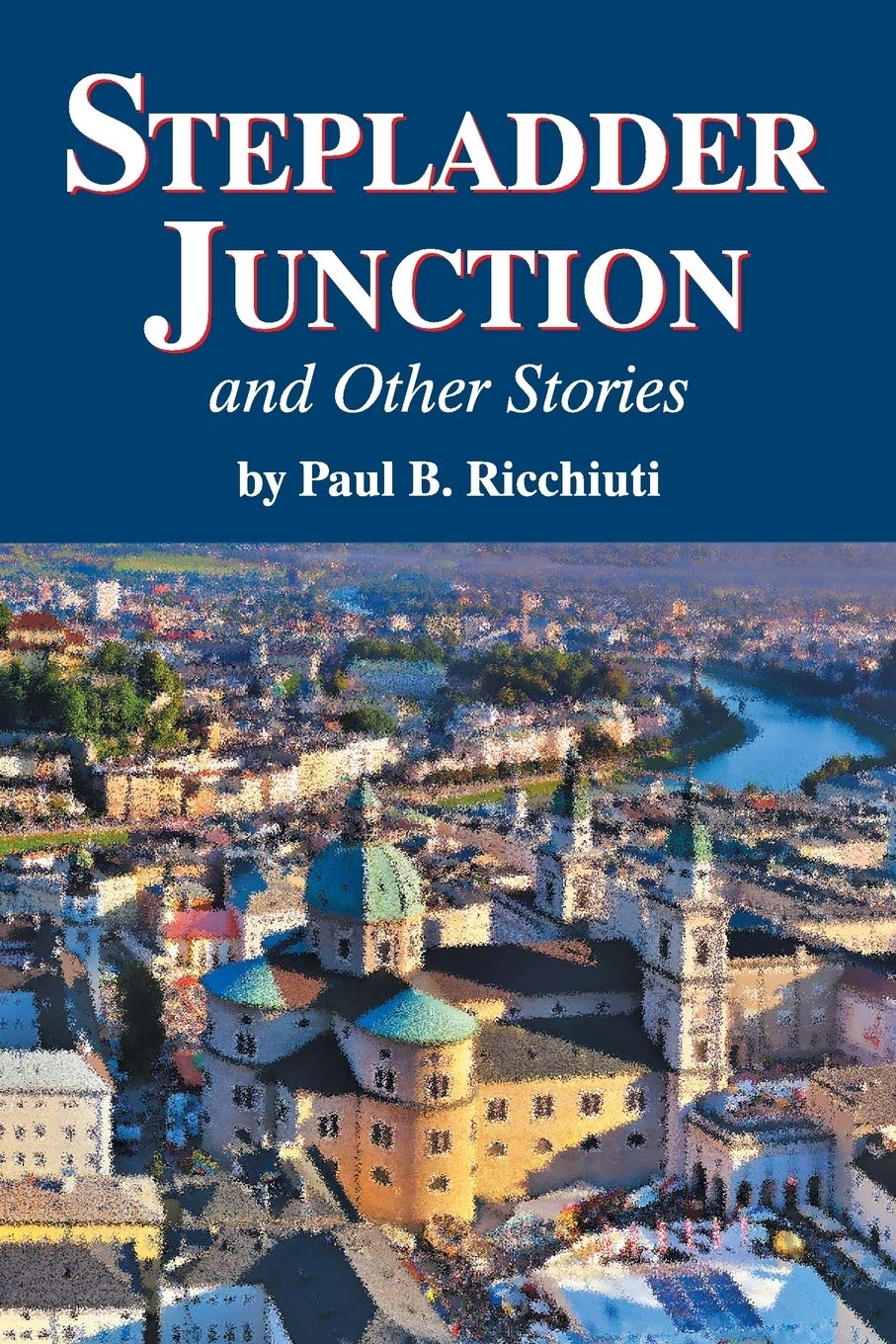
Stepladder Junction and Other Stories
Contemporary Fiction
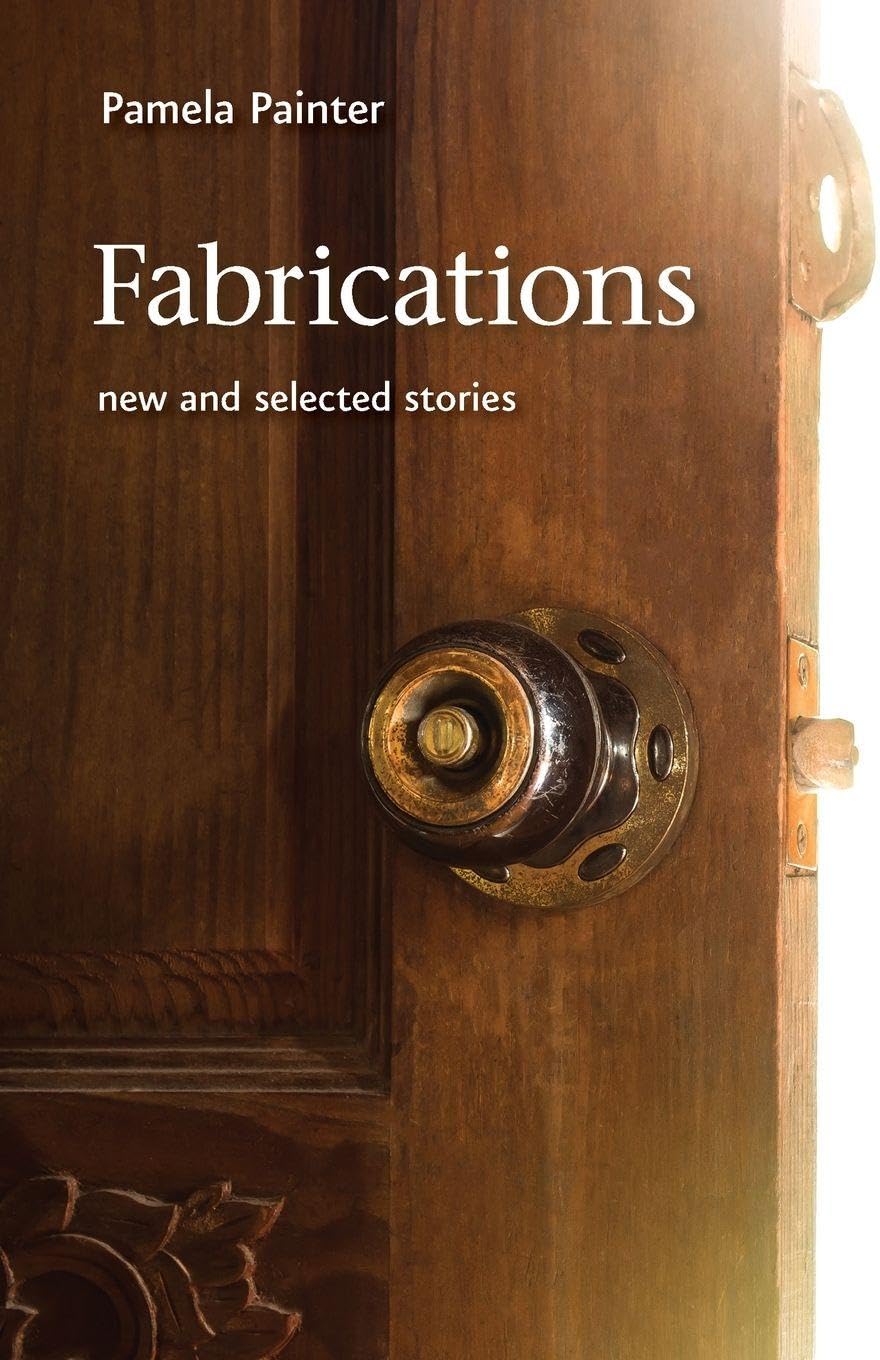
Fabrications by Pamela Painter – Short Story Collection

Contemporary Fiction
The Double Life of an Alaskan Sled Dog (English, Andrea Finney Aufder Heyde)

Contemporary Fiction
The Alabaster Girl by Zan Perrion

Contemporary Fiction
Grimm and Grimmer: Classic Fairy Tales Rebooted by Mark Russell

Classic Literature
The Prose Works of Andrew Marvell: 1676-1678 by Andrew Marvell – Restoration Literature
Related Products
View All
Literature & Fiction
Literary Research and Canadian Literature: Strategies and Sources: 10 (Literary Research: Strategies and Sources, 10)

Literature & Fiction
Crime Fiction and National Identities in the Global Age | by Julie H. Kim | McFarland & Company | by Julie H. Kim | McFarland & Company | by Julie H. Kim | McFarland & Company | by Julie H. Kim | McFarland & Company | by Julie H. Kim | McFarland & Company | by Julie H. Kim | McFarland & Company | by Julie H. Kim | McFarland & Company | by Julie H. Kim | McFarland & Company | by Julie H. Kim | McFarland & Company | by Julie H. Kim | McFarland & Company | by
Literature & Fiction
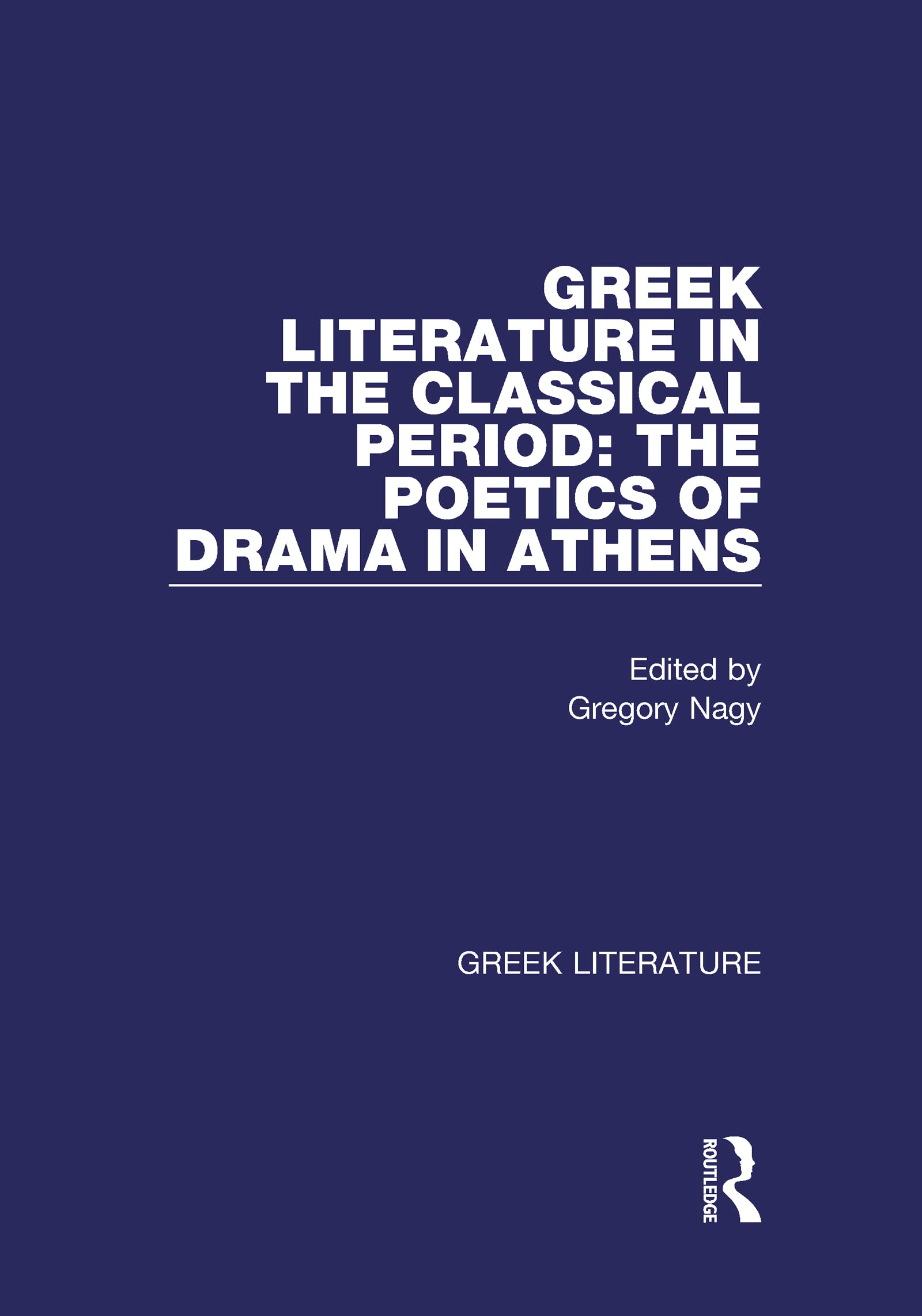
Greek Literature in the Classical Period: The Poetics of Drama in Athens: 4 (Greek Literature Vol. 4)
Literature & Fiction
Greek Literature and Philosophy (Greek Literature, Volume 6)
Literature & Fiction
Antony and Cleopatra by William Shakespeare – Cambridge University Press

Literature & Fiction