
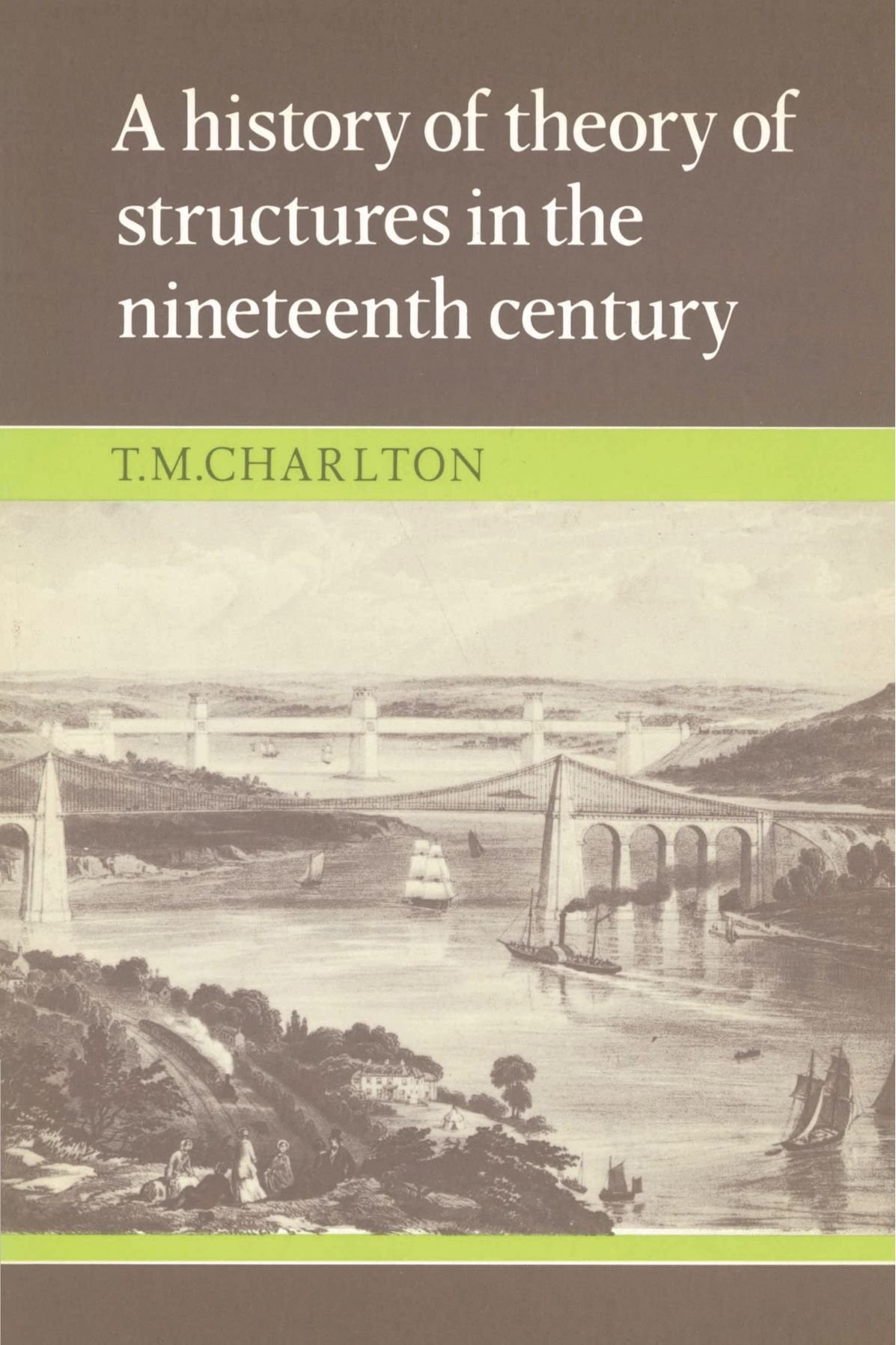
A History of the Theory of Structures in the Nineteenth Century by T. M. Charlton – A Definitive Study of 19th-Century S
Inclusive of all applicable taxes. FREE shipping on all orders.
Available Offers
- 🚚Free Delivery — Free shipping on all orders
- 💵Cash on Delivery — Pay when your order arrives
- ↩️15-Day Easy Returns — Hassle-free return policy
- 🔒Cash on Delivery — Pay safely when your order arrives
Check Delivery
Product Description
Introduction
In the vast tapestry of engineering history, few periods are as transformative as the nineteenth century—an era when the principles of structural theory were forged into a rigorous scientific discipline. A History of the Theory of Structures in the Nineteenth Century by T. M. Charlton offers an authoritative and engaging journey through this pivotal age. Published by the esteemed Cambridge University Press, this hardbound volume is an indispensable resource for Indian students, academics, and professionals who wish to understand the intellectual foundations of modern civil and structural engineering. Whether you are preparing for competitive examinations or deepening your scholarly pursuits, this book bridges the gap between historical context and contemporary practice.
Book Overview
This meticulously researched work traces the evolution of structural theory from the early 1800s to the dawn of the twentieth century. Charlton expertly navigates the contributions of legendary figures such as Navier, Coulomb, Maxwell, Castigliano, and Mohr, illuminating how their insights shaped the design of bridges, buildings, and machines. The narrative is both chronological and thematic, offering a clear account of how mathematical modelling, experimental methods, and practical construction converged. For Indian readers, the book provides a global perspective that enriches understanding of iconic structures—from the Howrah Bridge to modern skyscrapers—by revealing the theoretical breakthroughs that made them possible.
Key Highlights
- Comprehensive historical scope: Covers the entire nineteenth century, from the birth of elastic theory to the development of graphical statics and energy methods.
- Focus on pioneering engineers and scientists: Detailed profiles of key figures, including their motivations, challenges, and lasting legacies.
- Clear explanation of complex concepts: Charlton demystifies topics like bending moments, shear forces, deflection analysis, and truss theory without oversimplification.
- Contextualised within broader engineering history: Each theoretical advance is linked to real-world structures—railway bridges, iron frames, and early skyscrapers.
- Authoritative Cambridge University Press edition: A reliable, scholarly text that meets academic standards across Indian universities.
Inside the Book
The book is structured into well-organised chapters that build progressively. Early sections introduce the state of structural knowledge at the turn of the century, followed by deep dives into the work of French, British, German, and Italian pioneers. Key chapters explore the development of the theory of beams, arches, and frames; the emergence of graphical methods; and the formulation of strain energy and virtual work principles. Charlton also discusses the interplay between theory and practice, showing how failures—such as bridge collapses—spurred new theoretical insights. Appendices include original diagrams and references to primary sources, making this a treasure trove for researchers.
Key Topics
- Elasticity and the early mathematical models of structural behaviour
- The contributions of Coulomb, Navier, and Saint-Venant to beam theory
- Maxwell’s reciprocal theorem and its applications
- Castigliano’s theorem and energy methods in structural analysis
- Graphical statics: the work of Culmann, Rankine, and Mohr
- Development of truss analysis and the role of the Warren and Pratt trusses
- The influence of iron and steel on structural theory
- Historical case studies of major bridges and buildings
Reader Benefits
- Deepen your understanding: Gain a solid grasp of how structural theories evolved, which clarifies why modern methods work as they do.
- Excel in academics: Ideal for civil engineering students in India studying structural analysis, history of engineering, or design.
- Enhance professional practice: Practising engineers will appreciate the historical perspective that informs contemporary design codes and software.
- Prepare for competitive exams: The book’s clarity and depth make it a valuable resource for GATE, IES, and other postgraduate entrance tests.
- Expand your library: A classic reference that belongs on the shelf of every serious engineering enthusiast.
Learning Outcomes
By reading this book, you will be able to trace the lineage of modern structural analysis from its nineteenth-century roots. You will understand the key theorems and methods that underpin today’s finite element analysis and design software. You will also develop a critical appreciation for the interplay between mathematics, materials, and construction—a perspective that enhances both theoretical knowledge and practical judgment. The book equips you to discuss structural history with authority, whether in academic seminars, classroom discussions, or professional forums.
Who Should Read
- Civil and structural engineering students at undergraduate and postgraduate levels in Indian universities.
- History of science and technology scholars interested in the development of engineering disciplines.
- Practising engineers and architects seeking a deeper intellectual foundation for their work.
- Faculty members teaching structural analysis, design, or engineering history.
- Curious readers who enjoy understanding how the built world came to be.
About the Author
T. M. Charlton was a distinguished engineer and historian of technology. With a career spanning academia and professional practice, Charlton brought rare insight into the evolution of structural theory. His writing is marked by clarity, precision, and a genuine passion for the subject. He is also known for his works on the history of mechanics and engineering education, making him a trusted guide through the complexities of nineteenth-century science.
About the Publisher
Cambridge University Press is one of the world’s oldest and most respected academic publishers, with a history dating back to 1534. Known for its rigorous editorial standards and commitment to scholarship, Cambridge Press has been a cornerstone of academic publishing in India for decades. This hardcover edition reflects the publisher’s dedication to quality—durable binding, clear print, and archival-grade paper that will serve generations of readers.
Conclusion
A History of the Theory of Structures in the Nineteenth Century is more than a historical account—it is a bridge connecting the past to the present. For Indian students and professionals, it offers a unique opportunity to see the foundations of their field with fresh eyes. Whether you are studying for an exam, teaching a course, or simply seeking intellectual enrichment, this book will reward you with insights that last a lifetime. Order your copy from Bookshops.in today and add a classic to your collection.
Quick Summary
A History of the Theory of Structures in the Nineteenth Century by T. M. Charlton is an authoritative academic work that traces the evolution of structural engineering theory during a pivotal century. The book examines how engineers moved from empirical rules to rigorous mathematical analysis, covering the contributions of luminaries such as Maxwell, Rankine, Castigliano, and Navier. It explores the development of key concepts like elasticity, truss analysis, arch theory, and stability, all set against the backdrop of the Industrial Revolution. Readers will gain a deep understanding of how modern structural mechanics emerged from the challenges of building railways, bridges, and industrial buildings. This book is ideal for civil engineering students, architecture historians, and professional engineers who wish to appreciate the historical roots of their field. Published by Cambridge University Press, it is a trusted reference for academic libraries and research. By purchasing from Bookshops.in, Indian readers receive a genuine hardcover edition with prompt delivery and excellent customer service.
Book Highlights
Book Specifications
| ISBN-13 | 9780521524827 |
| ISBN-10 | 0521524822 |
| Publisher | CAMBRIDGE UNIVERSITY PRESS |
| Language | English |
| Dimensions | 15.19 x 1.3 x 22.81 cm |
| Weight | 320 g |
| Country | India |
| Category | Engineering Textbooks › Civil Engineering |
| Genre | Non-fiction |
| Original Language | English |
Frequently Asked Questions
What is the main focus of this book?
Who is the author T. M. Charlton?
Is this book suitable for undergraduate students?
Does the book include mathematical content?
Which famous engineers are covered?
Is this book relevant for practicing engineers?
What time period does the book cover?
Does it include illustrations?
Is this a textbook or a reference work?
Can I use this book for research?
Is the book available in hardcover?
What language is the book in?
Why should I buy from Bookshops.in?
Readers Also Search For
Customers Also Bought
Related Products
View All
History
The Information Revolution: Transforming the World Through Technology (World History)
History
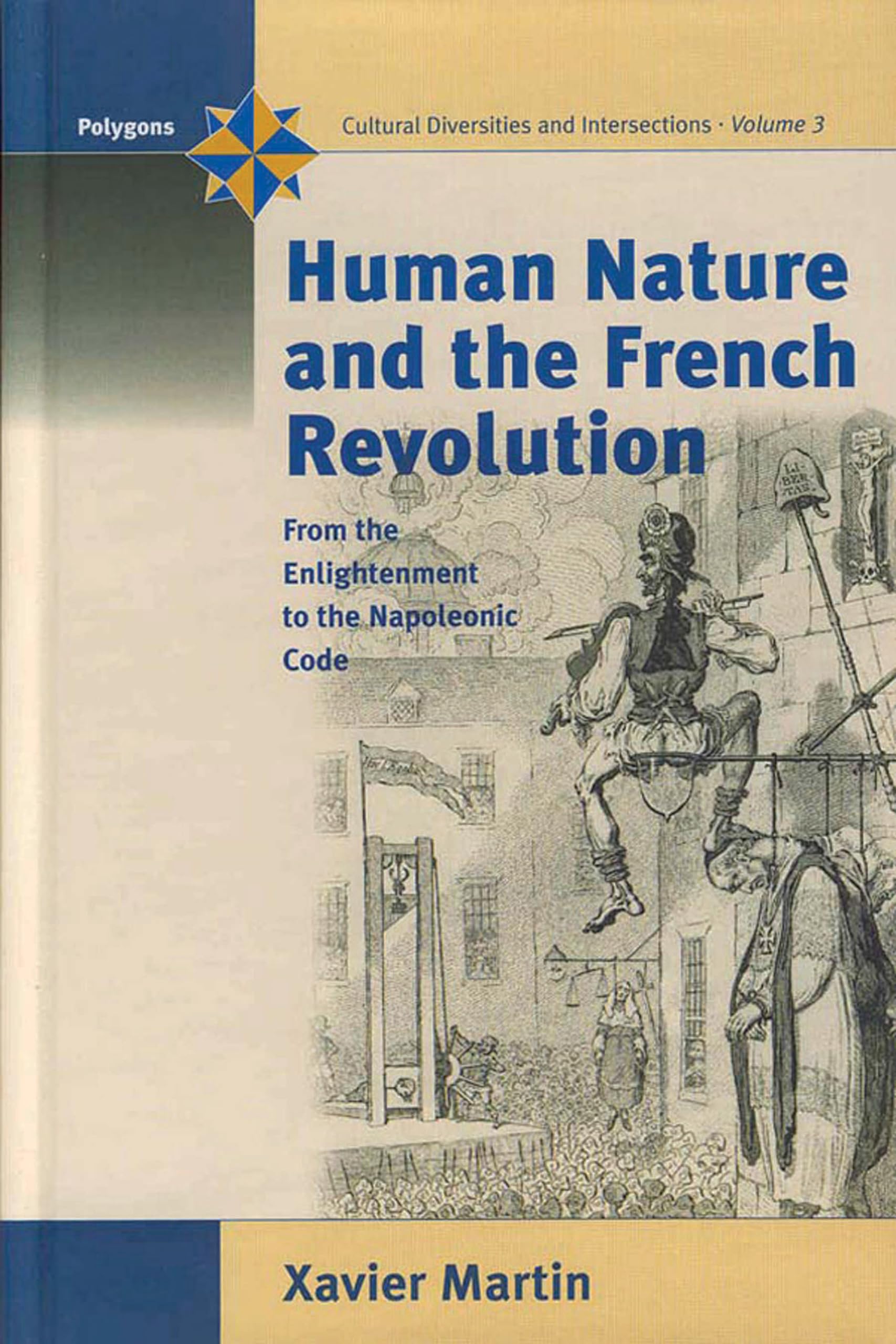
Human Nature and the French Revolution: From the Enlightenment to the Napoleonic Code: 3 (Polygons: Cultural Diversities and Intersections, 3)
History
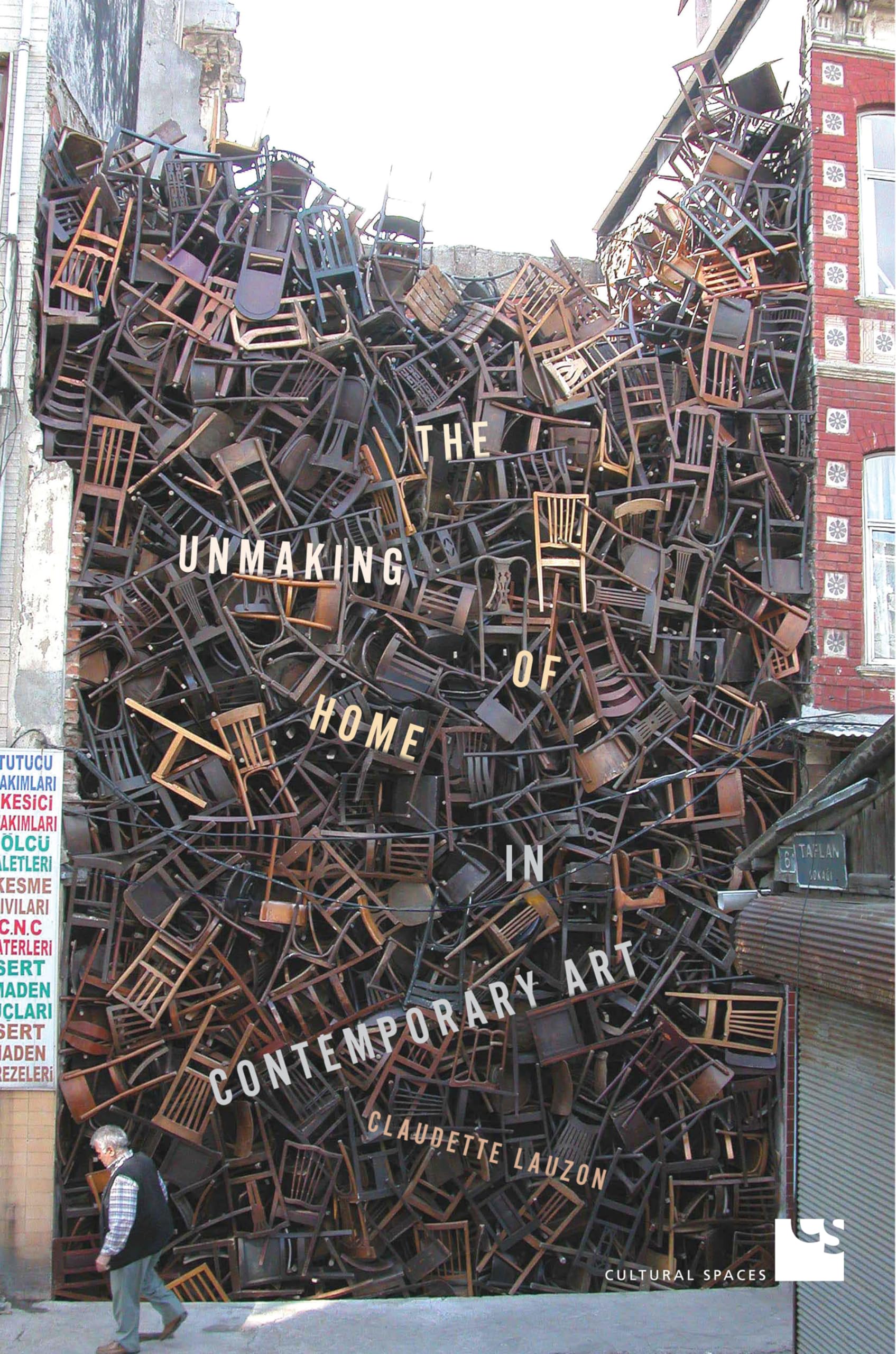
The Unmaking of Home in Contemporary Art (Cultural Spaces)

History
Handbook to Life in Medieval and Early Modern Japan | by William E. Deal | Oxford University Press | by William E. Deal | Oxford University Press | by William E. Deal | Oxford University Press | by William E. Deal | Oxford University Press | by William E. Deal | Oxford University Press | by William E. Deal | Oxford University Press | by William E. Deal | Oxford University Press | by William E. Deal | Oxford University Press | by William E. Deal | Oxford University Press | by William E. Deal | Ox

History
The Narrators of Barbarian History (A.D. 550-800) | by Walter Goffart | University of Notre Dame Press | by Walter Goffart | University of Notre Dame Press | by Walter Goffart | University of Notre Dame Press | by Walter Goffart | University of Notre Dame Press | by Walter Goffart | University of Notre Dame Press | by Walter Goffart | University of Notre Dame Press | by Walter Goffart | University of Notre Dame Press | by Walter Goffart | University of Notre Dame Press | by Walter Goffart | Univ
History