
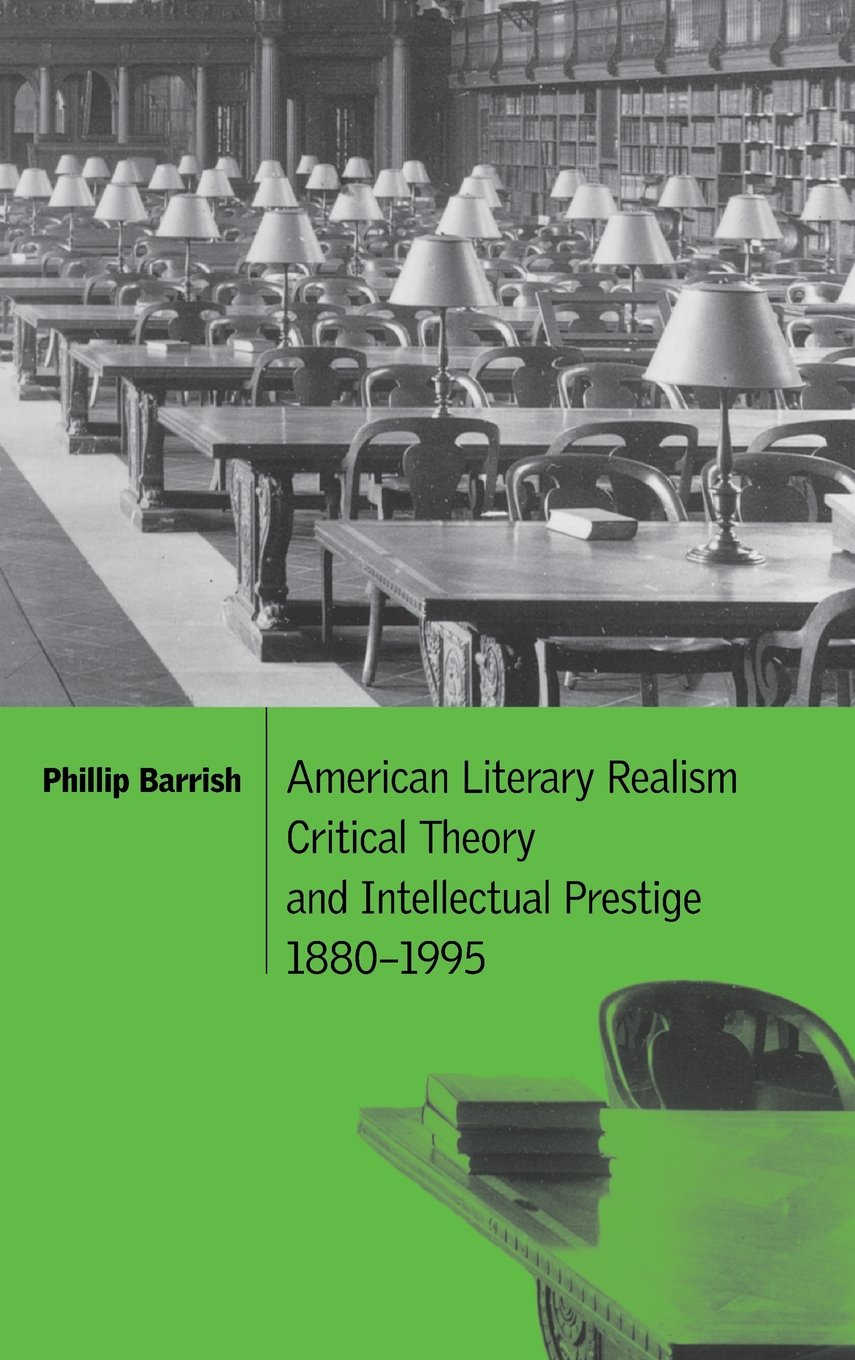
American Literary Realism, Critical Theory, and Intellectual Prestige, 1880-1995 by Phillip Barrish – A Scholarly Explor
Inclusive of all applicable taxes. FREE shipping on all orders.
Available Offers
- 🚚Free Delivery — Free shipping on all orders
- 💵Cash on Delivery — Pay when your order arrives
- ↩️15-Day Easy Returns — Hassle-free return policy
- 🔒Cash on Delivery — Pay safely when your order arrives
Check Delivery
Product Description
Introduction
American Literary Realism, Critical Theory, and Intellectual Prestige, 1880–1995 by Phillip Barrish is a groundbreaking scholarly work that bridges the gap between literary realism and the evolution of critical theory over more than a century. This hardbound edition, published by Cambridge University Press, offers a rigorous yet accessible analysis of how American writers and intellectuals have navigated the shifting landscapes of cultural authority and intellectual prestige. For Indian students, researchers, and literature enthusiasts, this book provides a unique lens to understand the intersections of literature, philosophy, and social power in the American context.
Book Overview
In this meticulously researched volume, Barrish traces the development of American literary realism from its late nineteenth-century roots through its transformations in the twentieth century, culminating in the critical theory debates of the 1990s. The book examines how realist authors such as William Dean Howells, Henry James, and Edith Wharton engaged with questions of intellectual prestige, and how later critical theorists—from Lionel Trilling to Stanley Fish—redefined the terms of literary value. Barrish argues that the pursuit of intellectual prestige has been a central, yet often unacknowledged, force shaping both literary production and critical discourse. This is not merely a historical survey; it is a provocative rethinking of the relationship between literature and the academy.
Key Highlights
- Comprehensive Chronology: Covers over 115 years of American literary and critical history, from the Gilded Age to the postmodern turn.
- Interdisciplinary Approach: Integrates insights from literary criticism, philosophy, sociology, and cultural studies.
- Original Theoretical Framework: Introduces the concept of “intellectual prestige” as a key driver of literary and critical practices.
- Close Readings: Offers detailed analyses of canonical realist texts alongside lesser-known works.
- Critical Theory Focus: Engages with major theorists such as Michel Foucault, Pierre Bourdieu, and Jacques Derrida in the context of American literature.
- Academic Rigour: Backed by extensive primary and secondary sources, making it a valuable reference work.
Story Themes
While this is a work of literary criticism, Barrish weaves a compelling narrative around several recurring themes: the struggle for cultural authority between writers and critics; the tension between popular realism and high modernism; the role of gender and class in shaping literary prestige; and the institutionalization of literary study in American universities. The book also explores how realist fiction often served as a site for negotiating social anxieties about immigration, industrialization, and democracy. Through these themes, Barrish reveals that the quest for intellectual prestige is not a mere vanity but a fundamental aspect of how literature and criticism have defined themselves in modernity.
Reader Benefits
- Deepen Your Understanding: Gain a nuanced grasp of American literary realism beyond surface-level readings.
- Enhance Critical Skills: Learn how to apply theoretical concepts to literary texts, useful for essays and research.
- Contextual Knowledge: Understand the historical and institutional forces that have shaped American literary criticism.
- Bridge Theory and Practice: See how abstract critical theories connect with concrete literary works.
- Academic Edge: Ideal for postgraduate students preparing for comprehensive exams or dissertations.
- Cultural Insight: Appreciate the parallels and contrasts between American and Indian literary traditions.
Who Should Read
This book is essential for advanced undergraduate and postgraduate students of English literature, American studies, and cultural theory. It is equally valuable for faculty members and researchers working on realism, critical theory, or the sociology of literature. Indian readers with an interest in comparative literature will find Barrish’s framework adaptable to studies of Indian realism and intellectual history. Additionally, anyone curious about how literary prestige is constructed and contested will find this book intellectually stimulating.
About the Author
Phillip Barrish is a distinguished scholar of American literature and critical theory. He has held academic positions at the University of Texas at Austin and has published extensively on realism, modernism, and the history of criticism. Barrish’s work is known for its clarity, theoretical sophistication, and willingness to challenge established narratives. In this book, he brings together his expertise in both literary history and Continental philosophy, offering a synthesis that is rare in contemporary scholarship.
About the Publisher
Cambridge University Press is one of the world’s oldest and most prestigious academic publishers, with a history dating back to 1534. Known for its rigorous peer-review process and high editorial standards, Cambridge publishes groundbreaking works across all disciplines. This hardcover edition reflects the publisher’s commitment to durable, high-quality production, making it a lasting addition to any serious library.
Conclusion
American Literary Realism, Critical Theory, and Intellectual Prestige, 1880–1995 is more than a book—it is an intellectual journey that redefines how we understand the relationship between literature, criticism, and cultural power. For Indian readers and scholars, it offers a valuable comparative perspective and a toolkit for analyzing literary prestige in diverse contexts. Whether you are a student, teacher, or lifelong learner, this Cambridge University Press hardcover belongs on your shelf. Order your copy today from Bookshops.in and explore the fascinating nexus of realism, theory, and prestige.
Quick Summary
American Literary Realism, Critical Theory, and Intellectual Prestige, 1880-1995 by Phillip Barrish is a rigorous academic work that investigates the complex relationship between literary realism, critical theory, and the cultural concept of intellectual prestige in the United States. Spanning over a century, the book analyzes how realist writers and later critics constructed and contested literary authority. Barrish delves into the works of canonical authors like Henry James, Mark Twain, and Edith Wharton, showing how their texts engaged with evolving notions of prestige. The book also examines the impact of critical theory—from New Criticism to postmodern thought—on the reception of realism. Ideal for graduate students, researchers, and faculty in American literature and literary theory, this volume offers a nuanced understanding of how literary movements gain or lose cultural capital. By purchasing from Bookshops.in, Indian readers gain access to a premium hardcover edition from Cambridge University Press, ensuring a durable and authoritative reference for academic libraries and personal collections.
Book Highlights
Book Specifications
| ISBN-13 | 9780521782210 |
| ISBN-10 | 052178221X |
| Publisher | Cambridge University Press |
| Language | English |
| Dimensions | 15.49 x 2.29 x 23.11 cm |
| Weight | 2 kg 500 g |
| Country | India |
| Category | Literature › Literary Theory |
| Genre | Non-fiction |
| Reading Age | Adult |
| Original Language | English |
Frequently Asked Questions
What is the main focus of this book?
Who is the author of this book?
Is this book suitable for undergraduate students?
What time period does the book cover?
Does the book include analysis of specific authors?
What is critical theory's role in the book?
Is this a hardcover or paperback edition?
Can I use this book for my PhD research?
Are there any Indian perspectives in the book?
What is the ISBN of this book?
Is the book available in Indian bookstores?
What language is the book written in?
Does the book cover postmodernism?
Readers Also Search For
Customers Also Bought
Contemporary Fiction
Stepladder Junction and Other Stories

Contemporary Fiction
Fabrications by Pamela Painter – Short Story Collection

Contemporary Fiction
The Double Life of an Alaskan Sled Dog (English, Andrea Finney Aufder Heyde)

Contemporary Fiction
The Alabaster Girl by Zan Perrion

Contemporary Fiction
Grimm and Grimmer: Classic Fairy Tales Rebooted by Mark Russell
Classic Literature
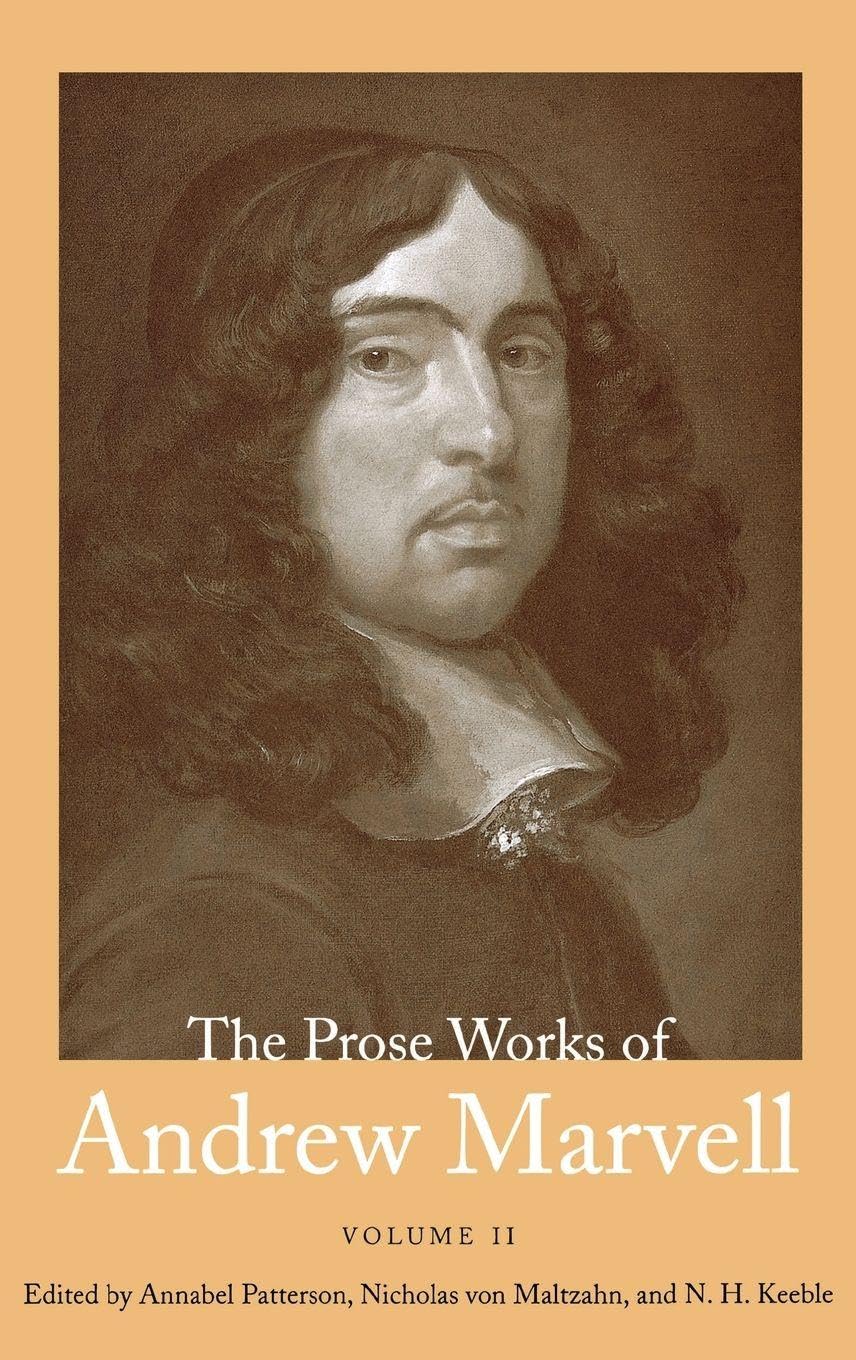
The Prose Works of Andrew Marvell: 1676-1678 by Andrew Marvell – Restoration Literature
Related Products
View All
Literature & Fiction
Literary Research and Canadian Literature: Strategies and Sources: 10 (Literary Research: Strategies and Sources, 10)

Literature & Fiction
Crime Fiction and National Identities in the Global Age | by Julie H. Kim | McFarland & Company | by Julie H. Kim | McFarland & Company | by Julie H. Kim | McFarland & Company | by Julie H. Kim | McFarland & Company | by Julie H. Kim | McFarland & Company | by Julie H. Kim | McFarland & Company | by Julie H. Kim | McFarland & Company | by Julie H. Kim | McFarland & Company | by Julie H. Kim | McFarland & Company | by Julie H. Kim | McFarland & Company | by
Literature & Fiction
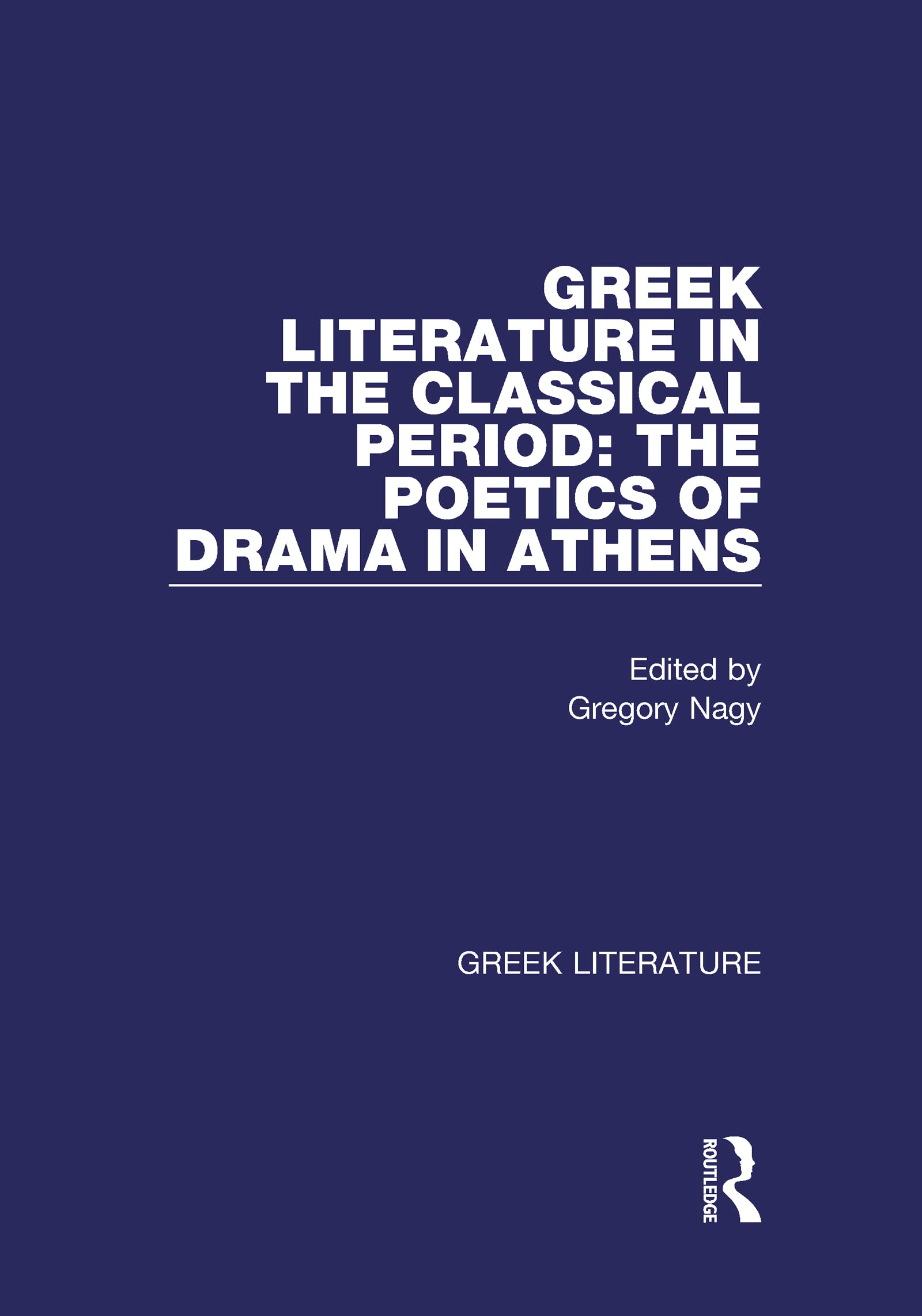
Greek Literature in the Classical Period: The Poetics of Drama in Athens: 4 (Greek Literature Vol. 4)
Literature & Fiction
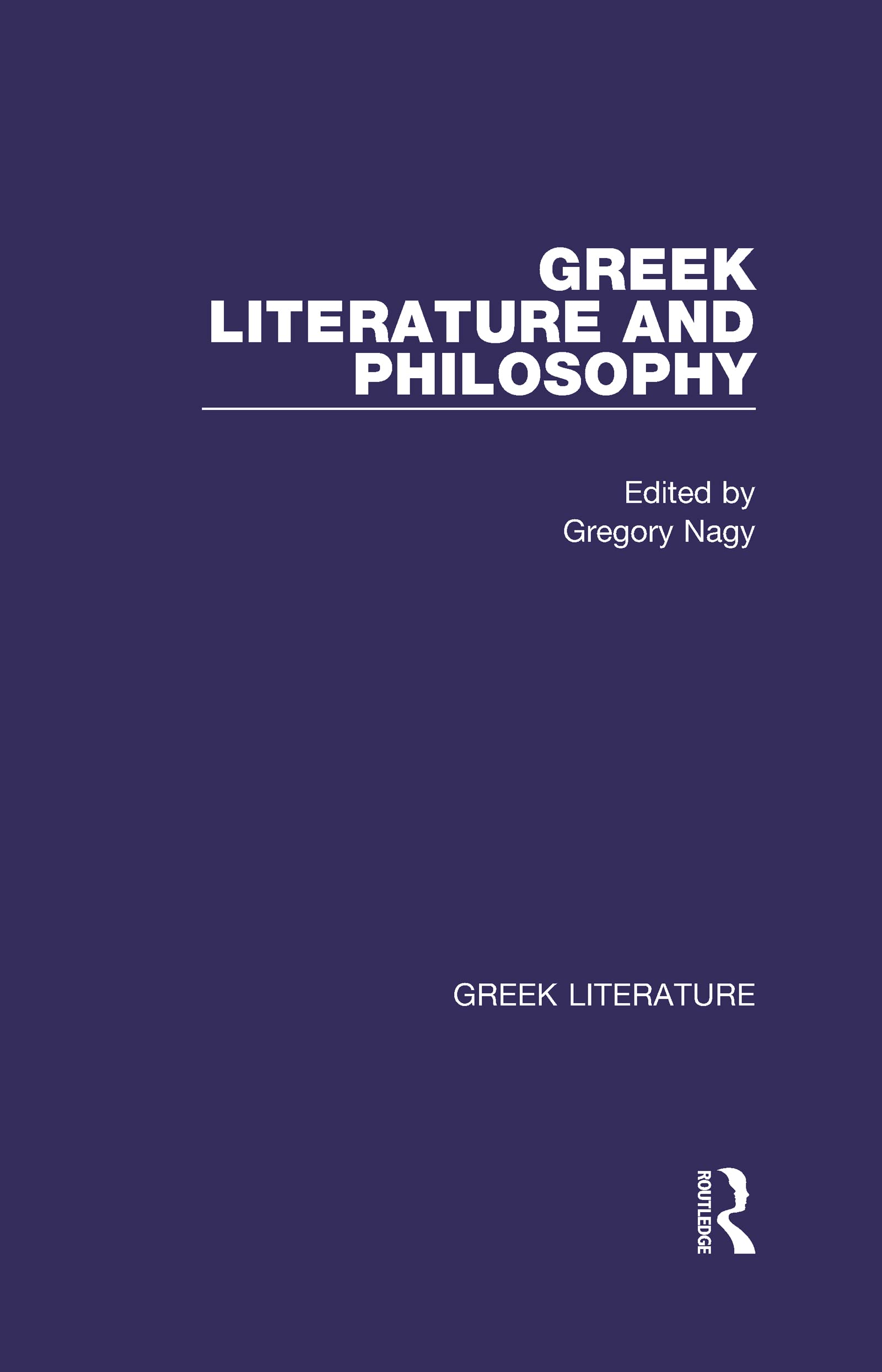
Greek Literature and Philosophy (Greek Literature, Volume 6)
Literature & Fiction
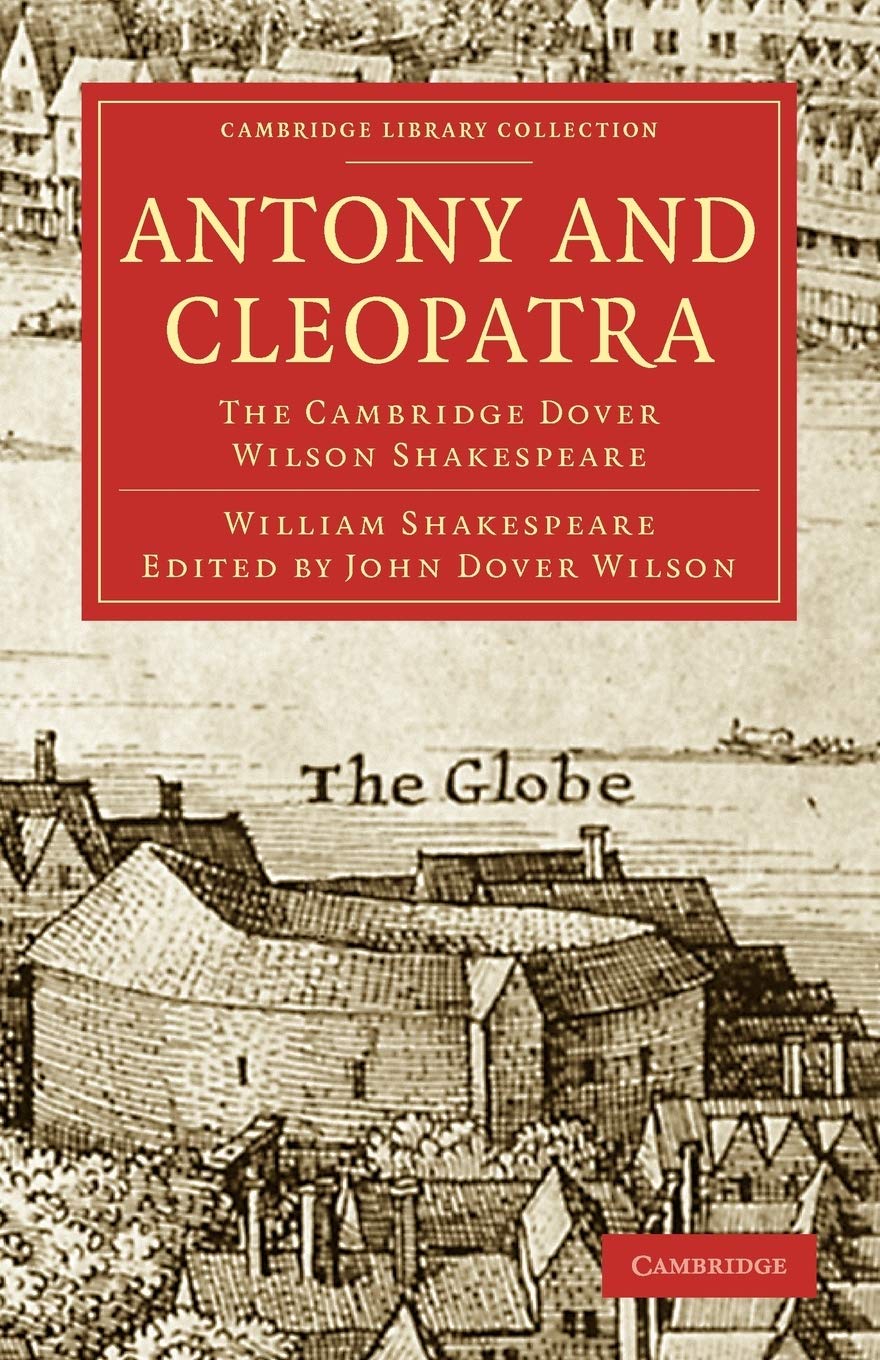
Antony and Cleopatra by William Shakespeare – Cambridge University Press
Literature & Fiction