
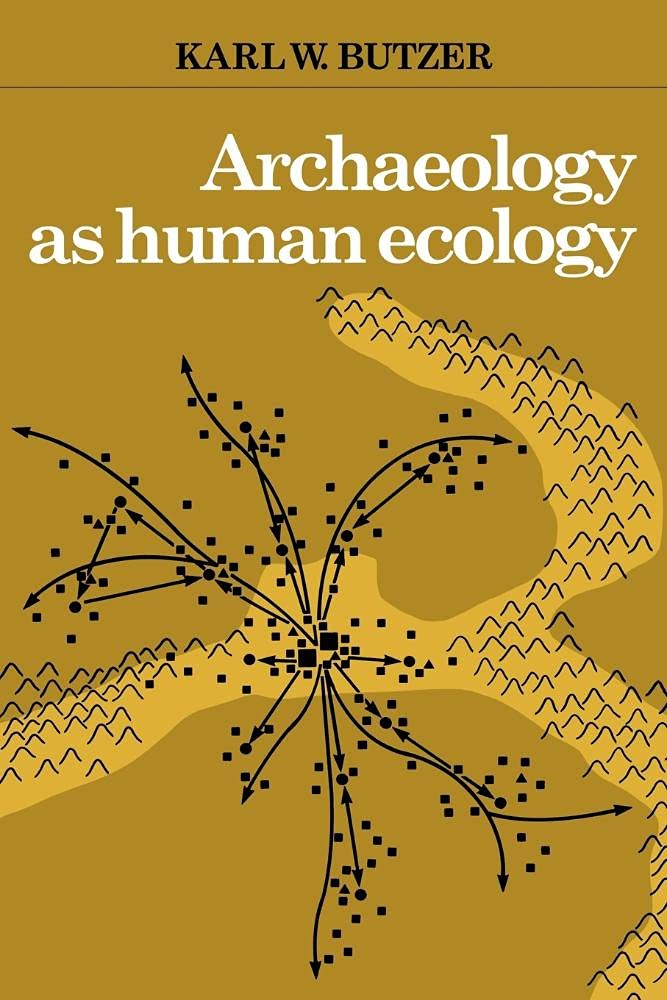
Archaeology as Human Ecology: Method and Theory for a Contextual Approach by Karl W. Butzer – A Classic Textbook on Geo-
Inclusive of all applicable taxes. FREE shipping on all orders.
Available Offers
- 🚚Free Delivery — Free shipping on all orders
- 💵Cash on Delivery — Pay when your order arrives
- ↩️15-Day Easy Returns — Hassle-free return policy
- 🔒Cash on Delivery — Pay safely when your order arrives
Check Delivery
Product Description
Introduction
In the vast and evolving field of archaeology, few works have managed to bridge the gap between traditional artifact-based studies and the dynamic interplay between human societies and their natural surroundings. Karl W. Butzer's Archaeology as Human Ecology: Method and Theory for a Contextual Approach stands as a seminal text that redefines how we understand ancient communities. Published by Cambridge University Press, this hardcover edition is an indispensable resource for Indian students, researchers, and professionals seeking a holistic, ecosystem-oriented perspective on archaeological inquiry. Rather than focusing solely on objects, Butzer invites readers to explore the living landscapes, subsistence strategies, and environmental interactions that shaped human history.
Book Overview
This book is not merely a technical manual; it is a comprehensive introduction to a contextual and ecological approach to archaeology. Butzer systematically moves beyond the confines of traditional environmental archaeology, which often limits itself to reconstructing past environments. Instead, he presents a unified framework that integrates geo-archaeology, archaeobotany, zoo-archaeology, and archaeometry to interpret how human communities interacted with their biophysical surroundings. The narrative progresses from understanding site formation processes to examining the impact of settlement and subsistence on soils, plants, animals, and landscape modification. Ultimately, the book applies these methods to explore cultural change and continuity, making it a powerful tool for anyone interested in the deep roots of human-environment relationships.
Key Highlights
- Contextual Approach: Moves beyond artifact classification to study sites, settlements, and subsistence as interconnected systems.
- Interdisciplinary Methods: Integrates geo-archaeology, archaeobotany, zoo-archaeology, and archaeometry into a single coherent methodology.
- Ecosystem Perspective: Treats archaeological sites as parts of larger ecosystems, emphasizing human-environment interactions.
- Practical Applications: Offers clear, systemic tools for assessing how human activities modified landscapes and resources over time.
- Cultural Continuity: Provides insights into how environmental factors drive cultural change and resilience across generations.
Inside the Book
The book is structured to guide readers from foundational concepts to advanced applications. Early chapters introduce the principles of human ecology and the importance of contextual analysis in archaeology. Subsequent sections delve into specific methods such as sediment analysis, pollen studies, faunal remains interpretation, and chemical techniques. Butzer then synthesizes these methods to explore real-world case studies, demonstrating how settlements impacted site formation and how subsistence activities—like farming, hunting, and gathering—reshaped ecosystems. The final chapters tackle broader questions of cultural evolution, offering a model for understanding how societies adapt, transform, or collapse in response to environmental pressures. Each chapter is enriched with diagrams, tables, and references that enhance comprehension.
Key Topics
- Geo-archaeology and site formation processes
- Archaeobotany and the study of ancient plant use
- Zoo-archaeology and animal-human interactions
- Archaeometry and scientific dating techniques
- Landscape modification and human impact on soils
- Subsistence strategies and resource management
- Cultural change and continuity in ecological context
- Methods for reconstructing past environments
Reader Benefits
Readers will gain a robust, interdisciplinary toolkit that empowers them to analyze archaeological data with greater depth and relevance. The contextual approach fosters critical thinking about how human societies are both shaped by and shape their environments—a perspective increasingly vital in today's climate-conscious world. Indian students, in particular, will find the methods applicable to diverse landscapes, from the Indus Valley to the Western Ghats, enabling fresh interpretations of local heritage. Professionals in archaeology, anthropology, geography, and environmental science will appreciate the practical frameworks for field research and data synthesis. Moreover, the book's clear writing style makes complex concepts accessible without oversimplifying the science.
Learning Outcomes
- Understand the principles of human ecology as applied to archaeological contexts.
- Learn to integrate multiple scientific methods for holistic site interpretation.
- Analyze how settlement and subsistence activities transform landscapes over time.
- Evaluate the role of environmental factors in cultural change and resilience.
- Develop skills to design research projects that combine archaeological and ecological data.
- Apply contextual approaches to real-world case studies and fieldwork.
Who Should Read
This book is ideal for undergraduate and postgraduate students of archaeology, anthropology, and environmental science in Indian universities. It is equally valuable for research scholars preparing theses on human-environment interactions, as well as for professional archaeologists and heritage managers seeking updated methodologies. Teachers and academics looking for a comprehensive textbook that bridges theory and practice will find it an excellent resource. Additionally, anyone with a keen interest in how ancient societies lived sustainably—or unsustainably—will be captivated by Butzer's insights.
About the Author
Karl W. Butzer (1934–2016) was a distinguished geographer, archaeologist, and ecologist, renowned for pioneering the field of geo-archaeology. He held professorships at the University of Chicago and the University of Texas at Austin, where his interdisciplinary work transformed archaeological thinking. Butzer's research spanned continents, from the Nile Valley to the Americas, and he authored numerous influential books and papers. His legacy lies in his ability to merge rigorous science with humanistic questions, making him a towering figure in environmental archaeology.
About the Publisher
Cambridge University Press, founded in 1534, is one of the world's oldest and most respected academic publishers. With a commitment to excellence in scholarship, it produces authoritative texts across disciplines, including the sciences, humanities, and social sciences. This hardcover edition reflects the Press's dedication to quality, featuring durable binding and clear typography suitable for repeated reference. For Indian readers, Cambridge University Press ensures that seminal works like this are accessible through trusted distributors like Bookshops.in.
Conclusion
Archaeology as Human Ecology is more than a textbook—it is a paradigm shift. By placing human communities within their ecological contexts, Karl W. Butzer offers a timeless methodology for understanding our past and its relevance to the present. Whether you are a student embarking on your first excavation or a seasoned scholar seeking fresh perspectives, this book provides the conceptual and practical tools to see archaeology anew. Order your hardcover copy from Bookshops.in today and add this classic to your library.
Quick Summary
Archaeology as Human Ecology by Karl W. Butzer is a seminal work that reorients archaeology from a study of artifacts to an investigation of ecosystems. The book provides a comprehensive introduction to methods such as geo-archaeology, archaeobotany, zoo-archaeology, and archaeometry, and applies them to understand how human communities shaped and were shaped by their biophysical environment. It examines site formation, settlement patterns, subsistence activities, and landscape modification, ultimately linking these to processes of cultural change and continuity. This book is ideal for Indian students and researchers in archaeology, anthropology, and environmental science who seek an interdisciplinary, contextual approach. By purchasing from Bookshops.in, readers receive a genuine hardcover edition with fast delivery across India, making it a valuable addition to any academic library.
Book Highlights
Book Specifications
| ISBN-13 | 9780521288774 |
| ISBN-10 | 0521288770 |
| Publisher | Cambridge University Press |
| Language | English |
| Dimensions | 15.6 x 2.18 x 23.39 cm |
| Weight | 535 g |
| Country | India |
| Category | Social Sciences › Archaeology |
| Genre | Nonfiction |
| Original Language | English |
Frequently Asked Questions
What is Archaeology as Human Ecology about?
Who is the author of this book?
Is this book suitable for Indian students?
What topics does the book cover?
What is the contextual approach in archaeology?
How is this book different from other archaeology textbooks?
Is the book available in hardcover?
Does the book include case studies?
What is the price of this book in India?
Can I use this book for my research?
Does the book cover Indian archaeology specifically?
What is the ISBN of this book?
Is this book recommended for beginners?
Why should I buy from Bookshops.in?
Readers Also Search For
Customers Also Bought
Mathematics
Stereotype Spaces and Algebras: 73 (De Gruyter Expositions in Mathematics, 73)
Mathematics
Semigroups in Algebra, Geometry and Analysis: 20 (De Gruyter Expositions in Mathematics, 20)

Mathematics
Geometry from the Pacific Rim: Proceedings of the Pacific Rim Geometry Conference held at National University of Singapore, Republic of Singapore, ... 1994 (De Gruyter Proceedings in Mathematics)

Mathematics
First International Tainan-Moscow Algebra Workshop: Proceedings of the International Conference held at National Cheng Kung University Tainan, Taiwan, ... 1994 (De Gruyter Proceedings in Mathematics)
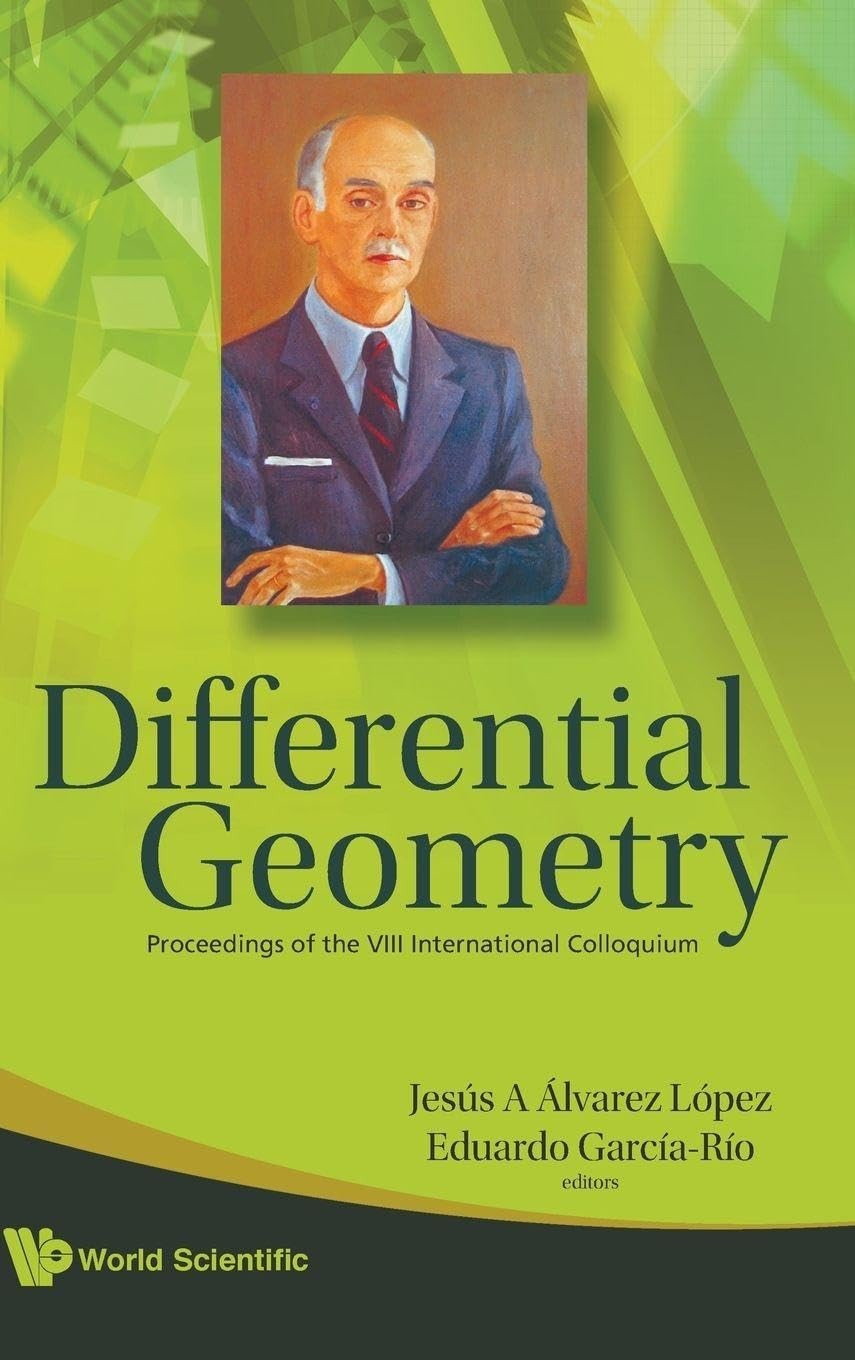
Mathematics
Differential Geometry - Proceedings of the VIII International Colloquium (English, Jesus A. Alvarez Lopez | Eduardo Garcia-Rio)

Mathematics
Mathematical Theory of Optimal Processes (Classics of Soviet Mathematics)
Related Products
View All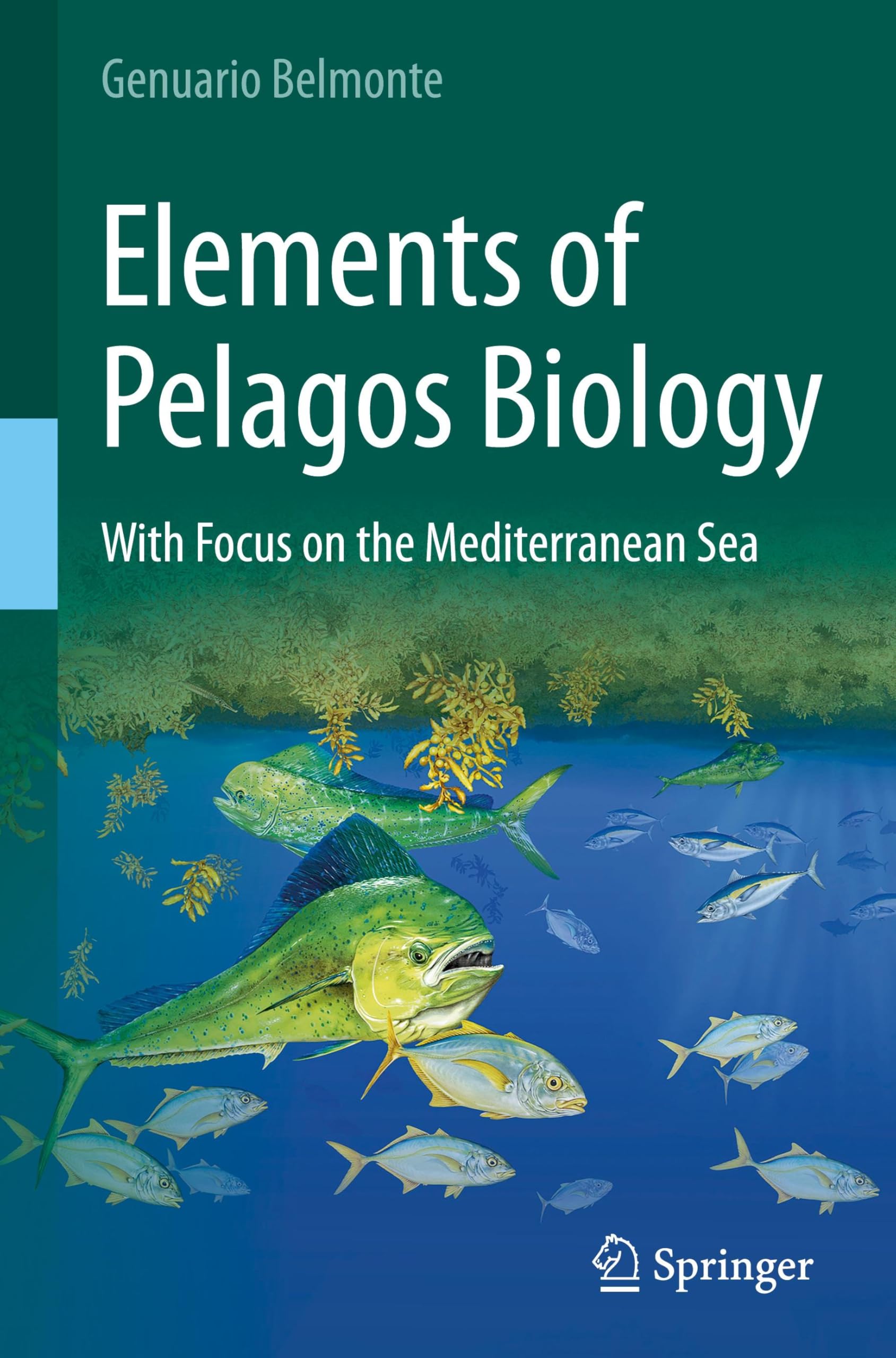
Science & Mathematics
Elements of Pelagos Biology: With Focus on the Mediterranean Sea

Science & Mathematics
Squid - Superconducting Quantum Interference Devices and Their Applications: Proceedings of the International Conference on Superconducting Quantum Devices, Berlin-west, October 4-8, 1976

Science & Mathematics
Thermodynamics and Pattern Formation in Biology

Science & Mathematics
The Nature of Mathematics and the Mathematics of Nature by S. Andersson – Mathematics & Science

Science & Mathematics
Linear Algebra | by Stephen Friedberg | Arnold Insel | Lawrence Spence | Pearson | by Stephen Friedberg | Arnold Insel | Lawrence Spence | Pearson | by Stephen Friedberg | Arnold Insel | Lawrence Spence | Pearson | by Stephen Friedberg | Arnold Insel | Lawrence Spence | Pearson | by Stephen Friedberg | Arnold Insel | Lawrence Spence | Pearson | by Stephen Friedberg | Arnold Insel | Lawrence Spence | Pearson | by Stephen Friedberg | Arnold Insel | Lawrence Spence | Pearson | by Stephen Friedberg

Science & Mathematics