
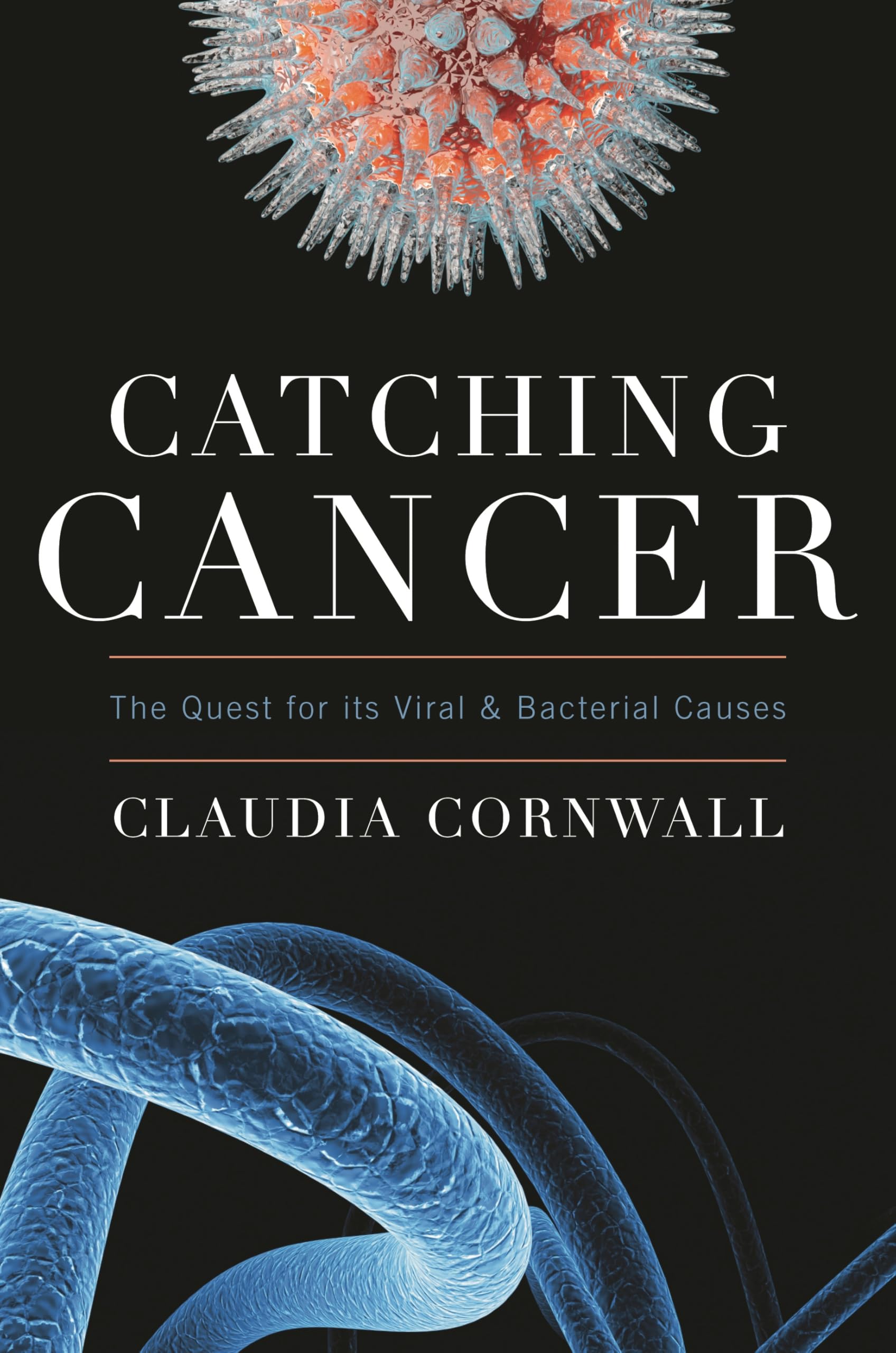
Catching Cancer: The Quest for Its Viral and Bacterial Causes by Claudia Cornwall – A Groundbreaking Science Book on Inf
Inclusive of all applicable taxes. FREE shipping on all orders.
Available Offers
- 🚚Free Delivery — Free shipping on all orders
- 💵Cash on Delivery — Pay when your order arrives
- ↩️15-Day Easy Returns — Hassle-free return policy
- 🔒Cash on Delivery — Pay safely when your order arrives
Check Delivery
Product Description
Introduction
For decades, cancer was understood primarily as a disease of genetic mutations, lifestyle choices, or environmental toxins. But what if some cancers could be caught—literally—like an infection? In Catching Cancer: The Quest for Its Viral and Bacterial Causes, award-winning author Claudia Cornwall takes readers on a gripping scientific journey that challenges everything we thought we knew about cancer. This meticulously researched book reveals the groundbreaking discoveries that link viruses and bacteria to certain cancers, and introduces the passionate scientists who risked their careers to prove it. Perfect for Indian students, medical professionals, and curious readers, this book offers a fresh perspective on one of the most pressing health challenges of our time.
Book Overview
Published by Rowman & Littlefield Publishers in a durable hardcover edition, Catching Cancer is a compelling blend of scientific history, biography, and medical detective story. Through exclusive interviews with Nobel laureates and pioneering researchers—including Harald zur Hausen, Barry Marshall, and Robin Warren—Cornwall reconstructs the painstaking, often frustrating path to paradigm-shifting discoveries. The book shows how these scientists identified the viral and bacterial origins of cervical cancer, stomach cancer, and other malignancies, forever changing the way we prevent and treat the disease. Written in accessible language, it avoids jargon without sacrificing depth, making it an invaluable resource for anyone keen to understand the microbial roots of cancer.
Key Highlights
- First-person accounts from Nobel Prize-winning scientists who revolutionized cancer research
- Real-life stories of patients and families who directly benefited from these discoveries
- Behind-the-scenes look at the struggles, skepticism, and eventual triumphs in the lab
- Clear explanations of how viruses like HPV and bacteria like H. pylori cause cancer
- Relevance to India, where cervical cancer and gastric cancer remain major health burdens
Inside the Book
Cornwall organizes the narrative around the key scientists and their eureka moments. Readers will travel from Australian clinics to German laboratories, witnessing the tenacity required to overturn entrenched medical dogma. The book details how Barry Marshall famously drank a petri dish of H. pylori to prove it caused ulcers—and later, stomach cancer. It explores Harald zur Hausen’s decades-long quest to link HPV to cervical cancer, a discovery that led to the vaccine now saving millions of lives. Each chapter combines personal anecdotes with rigorous science, creating a vivid portrait of how curiosity and courage can reshape medicine.
Key Topics
- The link between Helicobacter pylori and gastric cancer
- Human papillomavirus (HPV) as a cause of cervical cancer
- Hepatitis B and C viruses and liver cancer
- Epstein-Barr virus and its role in lymphomas
- The scientific method in action: hypothesis, skepticism, and proof
- Public health implications for vaccination and early detection
Reader Benefits
Readers will gain a deeper appreciation for the complexity of cancer research and the human stories behind major breakthroughs. The book empowers you to understand current cancer prevention strategies—such as HPV and hepatitis B vaccines—and why they matter. For students in biology, medicine, or public health, it serves as an inspiring case study in scientific perseverance. Parents and educators will find it a valuable tool to explain how infections can lead to cancer, and why vaccination is a powerful weapon. Above all, Catching Cancer offers hope: many cancers are now preventable because of the very discoveries this book celebrates.
Learning Outcomes
- Understand the infectious origins of several major cancers
- Recognize the role of persistent infections in cancer development
- Appreciate the scientific process behind medical breakthroughs
- Identify key vaccines and treatments derived from this research
- Analyze how paradigm shifts occur in the medical community
Who Should Read
This book is ideal for Indian undergraduate and postgraduate students in life sciences, medicine, nursing, and public health. It is equally suited for doctors and healthcare professionals seeking a broader perspective on cancer etiology. General readers with an interest in science, health, or medical history will find it accessible and deeply engaging. School teachers and science communicators can use it to inspire the next generation of researchers. If you have ever wondered why some cancers run in families or why vaccines can prevent cancer, this book will provide clear, compelling answers.
About the Author
Claudia Cornwall is an acclaimed Canadian author and journalist known for making complex science accessible to general audiences. She has written extensively on medical breakthroughs and has interviewed many of the world’s leading scientists. Her work has appeared in major publications, and she has received several awards for her science writing. In Catching Cancer, she combines meticulous research with narrative flair, offering readers an intimate look at the human side of scientific discovery.
About the Publisher
Rowman & Littlefield Publishers is a respected academic and trade publisher based in the United States, known for producing high-quality nonfiction in the fields of history, science, and current affairs. Their commitment to rigorous scholarship and accessible writing makes them an ideal home for a book that bridges the gap between laboratory research and public understanding.
Conclusion
Catching Cancer: The Quest for Its Viral and Bacterial Causes is more than a history of science—it is a testament to human ingenuity and persistence. By revealing the infectious roots of cancer, Claudia Cornwall offers readers a new lens through which to view the disease. Whether you are a student, a healthcare professional, or simply a curious mind, this hardcover edition from Rowman & Littlefield will inform, inspire, and perhaps even change the way you think about cancer. Order your copy today from Bookshops.in and join the quest for knowledge that saves lives.
Quick Summary
Catching Cancer: The Quest for Its Viral and Bacterial Causes by Claudia Cornwall is a riveting non-fiction work that unveils the hidden role of infections in cancer. Through intimate interviews with Nobel laureates like Harald zur Hausen, Barry Marshall, and Robin Warren, the book chronicles the painstaking research that linked viruses such as HPV and bacteria like H. pylori to various cancers. Written for curious minds, it blends scientific rigor with human drama, showing how persistence against skepticism led to paradigm-shifting discoveries. Readers will gain insight into how vaccines and treatments are now preventing these cancers, offering hope for the future. This book is ideal for Indian medical students, biology enthusiasts, healthcare professionals, and anyone fascinated by the intersection of microbiology and oncology. By choosing Bookshops.in, you support a trusted Indian bookstore that delivers quality physical books across the country, ensuring you receive a genuine hardcover edition promptly.
Book Highlights
Book Specifications
| ISBN-13 | 9781442215207 |
| ISBN-10 | 1442215208 |
| Publisher | Rowman & Littlefield Pub Inc |
| Language | English |
| Dimensions | 15.24 x 1.73 x 22.86 cm |
| Weight | 499 g |
| Category | Basic Sciences › Immunology |
| Genre | Non-fiction |
| Reading Age | Adult |
| Original Language | English |
Frequently Asked Questions
What is Catching Cancer about?
Who is the author of Catching Cancer?
Is this book suitable for non-scientists?
Does the book cover HPV and cervical cancer?
Does it discuss H. pylori and stomach cancer?
Are there interviews with the scientists?
What is the ISBN?
Is this a hardcover edition?
Can this book help me understand cancer prevention?
Does the book include Indian perspectives?
Is it available on Bookshops.in?
What language is the book in?
Readers Also Search For
Customers Also Bought

Anatomy
Ultrastructure of the Digestive Tract: 4 (Electron Microscopy in Biology and Medicine)

Anatomy
Ultrastructure of the Connective Tissue Matrix: 3 (Electron Microscopy in Biology and Medicine)

Anatomy
Reproductive Genetics (Royal College of Obstetricians and Gynaecologists Study Group)

Anatomy
Human Gross Anatomy: An Outline Text by Robert J. Leonard – Medical Anatomy

Pharmacology
Mathematical Modeling and Simulation in Enteric Neurobiology

Anatomy
Nature’s Patterns and the Fractional Calculus: 2 (Fractional Calculus in Applied Sciences and Engineering, 2)
Related Products
View All
Medicine & Health Sciences
Handbook of Hospitality Strategic Management | by Olsen Michael | Taylor & Francis Ltd | by Olsen Michael | Taylor & Francis Ltd | by Olsen Michael | Taylor & Francis Ltd | by Olsen Michael | Taylor & Francis Ltd | by Olsen Michael | Taylor & Francis Ltd | by Olsen Michael | Taylor & Francis Ltd | by Olsen Michael | Taylor & Francis Ltd | by Olsen Michael | Taylor & Francis Ltd | by Olsen Michael | Taylor & Francis Ltd | by Olsen Michael | Taylor & Francis
Medicine & Health Sciences
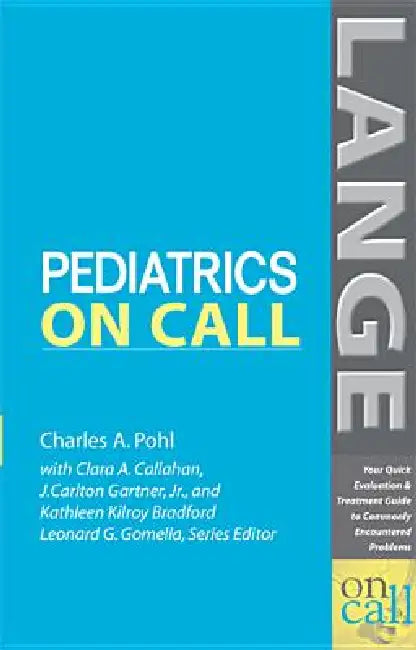
Pediatrics on Call | by Charles A. Pohl | Kathleen Bradford | Clara Callahan | McGraw Hill / Medical | by Charles A. Pohl | Kathleen Bradford | Clara Callahan | McGraw Hill / Medical | by Charles A. Pohl | Kathleen Bradford | Clara Callahan | McGraw Hill / Medical | by Charles A. Pohl | Kathleen Bradford | Clara Callahan | McGraw Hill / Medical | by Charles A. Pohl | Kathleen Bradford | Clara Callahan | McGraw Hill / Medical | by Charles A. Pohl | Kathleen Bradford | Clara Callahan | McGraw Hill

Medicine & Health Sciences
The Physician's Guide to Depression and Bipolar Disorders | by Dwight L. Evans | Dennis S. Charney | Lydia Lewis | McGraw Hill / Medical | by Dwight L. Evans | Dennis S. Charney | Lydia Lewis | McGraw Hill / Medical | by Dwight L. Evans | Dennis S. Charney | Lydia Lewis | McGraw Hill / Medical | by Dwight L. Evans | Dennis S. Charney | Lydia Lewis | McGraw Hill / Medical | by Dwight L. Evans | Dennis S. Charney | Lydia Lewis | McGraw Hill / Medical | by Dwight L. Evans | Dennis S. Charney | Lydi
Medicine & Health Sciences
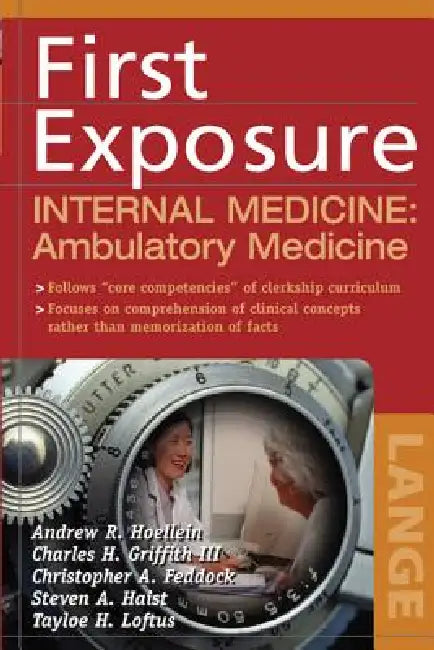
First Exposure to Internal Medicine | by Andrew R. Hoellein | Charles H. Griffith | McGraw Hill / Medical | by Andrew R. Hoellein | Charles H. Griffith | McGraw Hill / Medical | by Andrew R. Hoellein | Charles H. Griffith | McGraw Hill / Medical | by Andrew R. Hoellein | Charles H. Griffith | McGraw Hill / Medical | by Andrew R. Hoellein | Charles H. Griffith | McGraw Hill / Medical | by Andrew R. Hoellein | Charles H. Griffith | McGraw Hill / Medical | by Andrew R. Hoellein | Charles H. Griffit
Medicine & Health Sciences
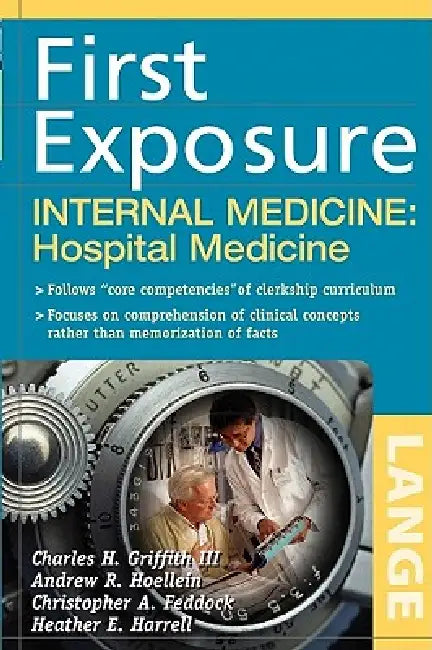
First Exposure to Internal Medicine | by Charles H. Griffith | Andrew R. Hoellein | McGraw Hill / Medical | by Charles H. Griffith | Andrew R. Hoellein | McGraw Hill / Medical | by Charles H. Griffith | Andrew R. Hoellein | McGraw Hill / Medical | by Charles H. Griffith | Andrew R. Hoellein | McGraw Hill / Medical | by Charles H. Griffith | Andrew R. Hoellein | McGraw Hill / Medical | by Charles H. Griffith | Andrew R. Hoellein | McGraw Hill / Medical | by Charles H. Griffith | Andrew R. Hoellei
Medicine & Health Sciences