
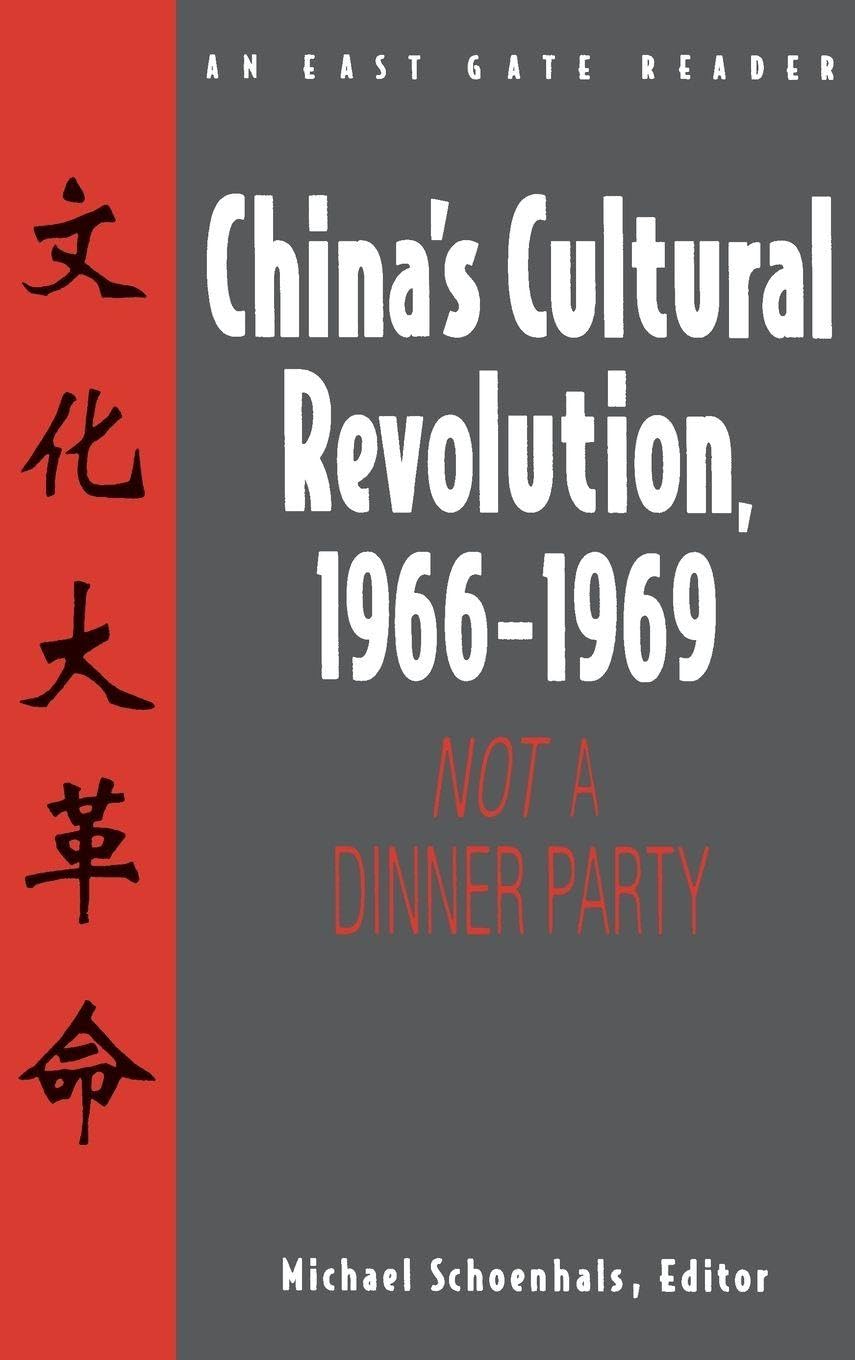
China's Cultural Revolution, 1966-1969: Not a Dinner Party – A Documentary History by Michael Schoenhals
Inclusive of all applicable taxes. FREE shipping on all orders.
Available Offers
- 🚚Free Delivery — Free shipping on all orders
- 💵Cash on Delivery — Pay when your order arrives
- ↩️15-Day Easy Returns — Hassle-free return policy
- 🔒Cash on Delivery — Pay safely when your order arrives
Check Delivery
Product Description
Introduction
Few episodes in modern history are as complex, tragic, and transformative as China’s Cultural Revolution. For students, scholars, and curious readers across India, understanding this pivotal period requires access to authentic, well-documented sources. China's Cultural Revolution, 1966-1969: Not a Dinner Party, authored by Michael Schoenhals and published by Routledge, offers a rigorous documentary history that brings the raw reality of those years into sharp focus. This hardcover edition serves as an indispensable resource for anyone seeking to grasp the ideological fervour, political chaos, and human cost of Mao Zedong’s ambitious and violent campaign.
Book Overview
This volume is not a narrative history but a carefully curated collection of primary documents that speak for themselves. Covering the most intense phase of the Cultural Revolution—from its launch in 1966 to its gradual winding down in 1969—the book presents speeches, directives, posters, and internal party communications that reveal how the movement unfolded. Schoenhals provides essential context and commentary, allowing readers to engage directly with the voices of the era: from Mao’s own declarations to the testimonies of Red Guards, intellectuals, and ordinary citizens. The title, Not a Dinner Party, underscores the brutal reality behind the revolutionary rhetoric.
Key Highlights
- Primary Source Focus: Features over 100 translated documents, many unavailable elsewhere, offering unfiltered insight into the period.
- Expert Curation: Schoenhals, a leading historian of modern China, selects and annotates each text with scholarly precision.
- Chronological Structure: Documents are arranged to show the evolution of the movement, from mass mobilisation to violent factionalism.
- Balanced Perspective: Includes materials from both the Communist Party leadership and grassroots participants, providing a multi-layered view.
- Critical Analysis: Introductory essays and footnotes help readers interpret the documents within their historical and political context.
Inside the Book
The book is divided into thematic and chronological sections, each introduced by the author. Readers will find Mao’s famous ‘Bombard the Headquarters’ poster, Red Guard manifestos, transcripts of struggle sessions, and internal party circulars detailing purges. Schoenhals also includes rare photographs and reproductions of propaganda materials. The documentary approach allows the reader to see how language was weaponised, how loyalty was enforced, and how violence became institutionalised. The hardcover binding ensures durability for repeated reference in academic libraries or personal collections.
Key Topics
- Origins of the Cultural Revolution: Mao’s fears of revisionism and his struggle for power within the Communist Party.
- Role of the Red Guards: Youth mobilisation, factional warfare, and the cult of personality.
- Targets of Persecution: Intellectuals, bureaucrats, and ‘class enemies’ subjected to public humiliation and violence.
- Propaganda and Ideology: The use of posters, songs, and mass rallies to shape public consciousness.
- Aftermath and Legacy: The transition to the Cultural Revolution’s end and its long-term impact on Chinese society and governance.
Reader Benefits
This book empowers readers to move beyond simplistic narratives and engage with the Cultural Revolution as a lived, documented experience. For Indian students of history, political science, and Asian studies, it offers a model of how to analyse primary sources critically. The documentary format helps develop skills in source interpretation, contextual analysis, and understanding bias. Moreover, the book’s focus on the years 1966-1969 provides a manageable yet comprehensive window into a tumultuous era, making it ideal for term papers, exam preparation, or personal enrichment.
Learning Outcomes
By reading this book, you will be able to: identify the key actors and events of the Cultural Revolution’s early phase; analyse primary documents with historical and political awareness; understand the role of ideology in shaping state violence; compare the Chinese experience with other revolutionary movements in Asia; and evaluate the long-term consequences of mass mobilisation under authoritarian rule. These outcomes are valuable for coursework in modern Chinese history, comparative revolutions, and political sociology.
Who Should Read
- Undergraduate and postgraduate students in history, political science, and Asian studies seeking authentic source material.
- Researchers and academics working on 20th-century China, communism, or documentary historiography.
- General readers with a serious interest in understanding one of the most controversial episodes of the modern era.
- Journalists and writers looking for reliable references on China’s political development.
About the Author
Michael Schoenhals is a professor of modern Chinese history at Lund University, Sweden, and one of the world’s foremost authorities on the Cultural Revolution. His research draws extensively on Chinese archives and oral histories. He has authored several acclaimed works on Chinese political history, including Spying for the People and China's Cultural Revolution. His meticulous scholarship ensures that this documentary collection is both accurate and insightful.
About the Publisher
Routledge, a member of the Taylor & Francis Group, is a globally respected academic publisher known for its rigorous peer-review process and extensive catalogue in the humanities and social sciences. Their books are trusted by universities worldwide, including leading Indian institutions, for their scholarly depth and editorial quality.
Conclusion
China's Cultural Revolution, 1966-1969: Not a Dinner Party is more than a book—it is a portal into a world of revolutionary passion, political terror, and human endurance. For Indian readers seeking to understand China’s modern trajectory, this documentary history provides an essential foundation. Order your hardcover copy today from Bookshops.in and add a vital work to your library.
Quick Summary
China's Cultural Revolution, 1966-1969: Not a Dinner Party is a scholarly documentary history that brings together a vital collection of primary sources from one of the most turbulent periods in modern China. Edited and annotated by Michael Schoenhals, a leading authority on Chinese history, the book features speeches by Mao Zedong, Red Guard posters, party directives, and other official documents that reveal the mechanics of the Great Proletarian Cultural Revolution. The title itself echoes Mao's famous remark that revolution is 'not a dinner party' – a stark reminder of the violence and upheaval that accompanied this mass movement. This book is ideal for Indian university students and researchers in history, political science, and Asian studies who need direct access to original materials. Readers will gain a deeper understanding of how Mao mobilized millions, the role of ideology, and the human cost of political extremism. By purchasing from Bookshops.in, you get a genuine hardcover edition delivered across India, perfect for academic libraries and serious readers.
Book Highlights
Book Specifications
| ISBN-13 | 9781563247361 |
| ISBN-10 | 1563247364 |
| Publisher | M E Sharpe Inc |
| Language | English |
| Dimensions | 15.24 x 2.39 x 22.86 cm |
| Weight | 816 g |
| Category | Political Science › Government |
| Genre | History |
| Reading Age | Adult |
| Original Language | English |
Frequently Asked Questions
What is the main focus of this book?
Who is the author?
Is this book suitable for beginners?
Does it cover the entire Cultural Revolution?
Are the documents translated?
What kind of documents are included?
Is this book used in Indian universities?
Does it discuss violence and casualties?
Is there a bibliography?
Can I use this for research papers?
Is the book still relevant today?
Does it cover the role of the Red Guards?
Is the author biased?
Readers Also Search For
Customers Also Bought
Mathematics
Stereotype Spaces and Algebras: 73 (De Gruyter Expositions in Mathematics, 73)
Mathematics
Semigroups in Algebra, Geometry and Analysis: 20 (De Gruyter Expositions in Mathematics, 20)
Mathematics
Geometry from the Pacific Rim: Proceedings of the Pacific Rim Geometry Conference held at National University of Singapore, Republic of Singapore, ... 1994 (De Gruyter Proceedings in Mathematics)
Mathematics
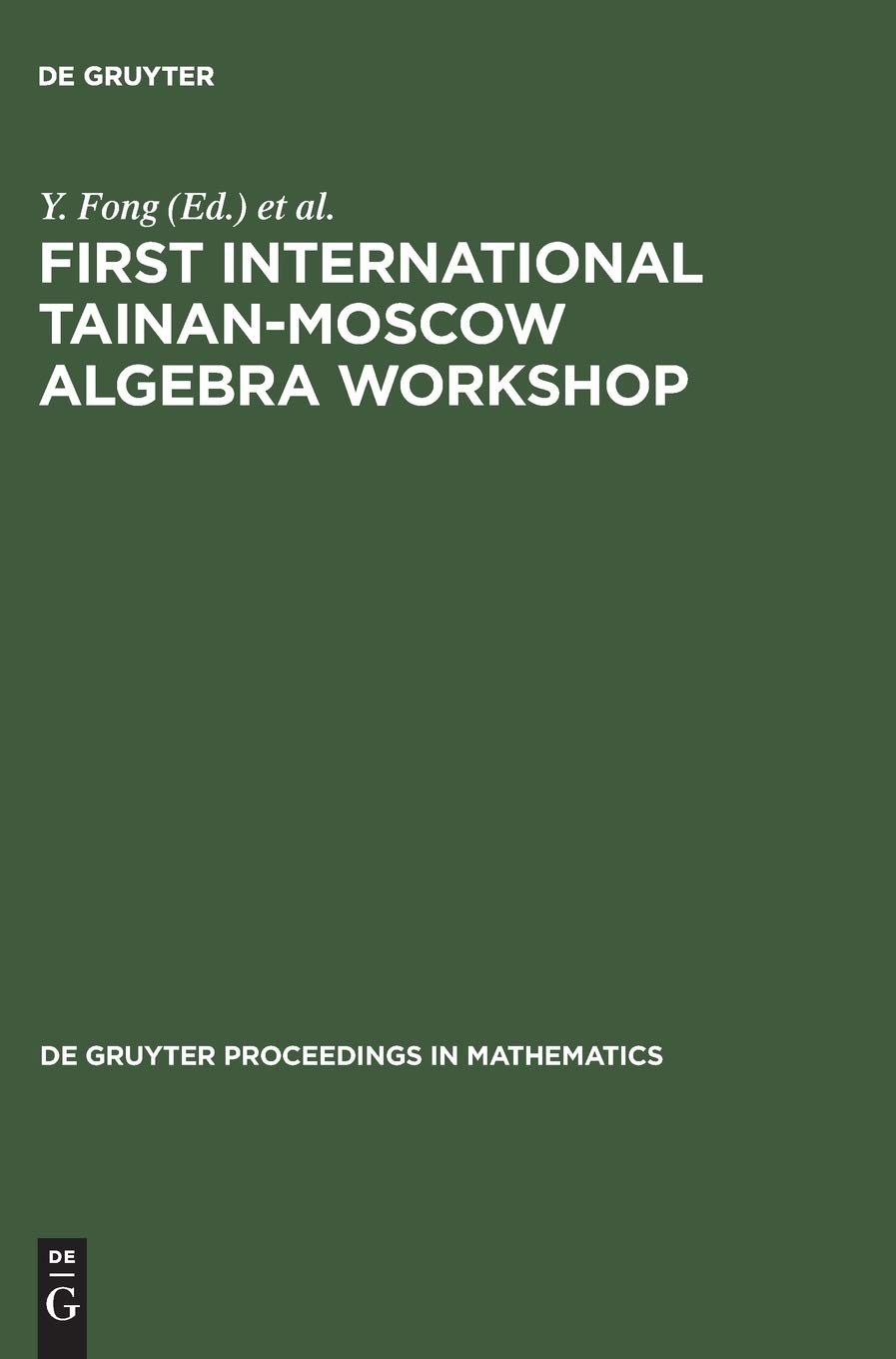
First International Tainan-Moscow Algebra Workshop: Proceedings of the International Conference held at National Cheng Kung University Tainan, Taiwan, ... 1994 (De Gruyter Proceedings in Mathematics)
Mathematics
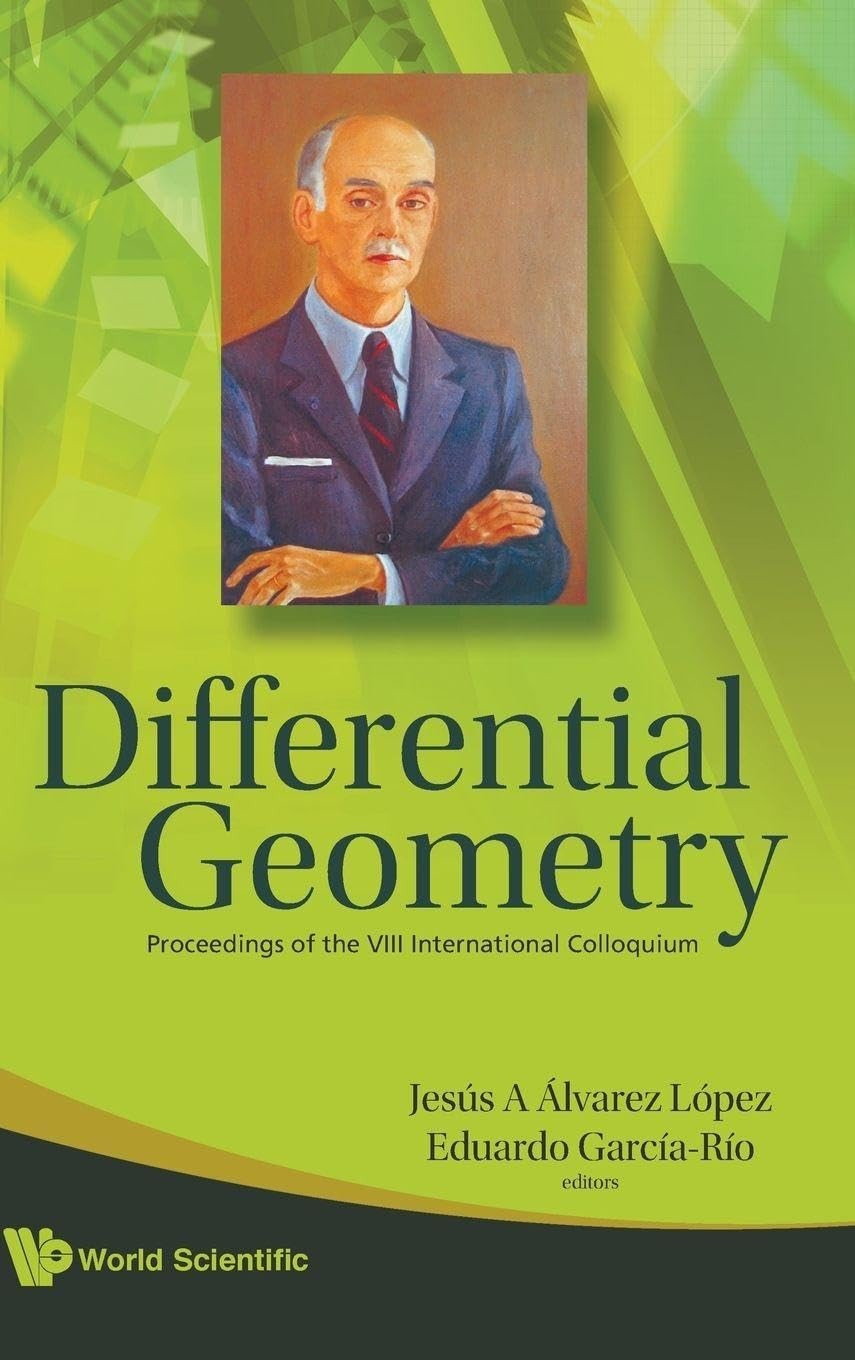
Differential Geometry - Proceedings of the VIII International Colloquium (English, Jesus A. Alvarez Lopez | Eduardo Garcia-Rio)
Mathematics
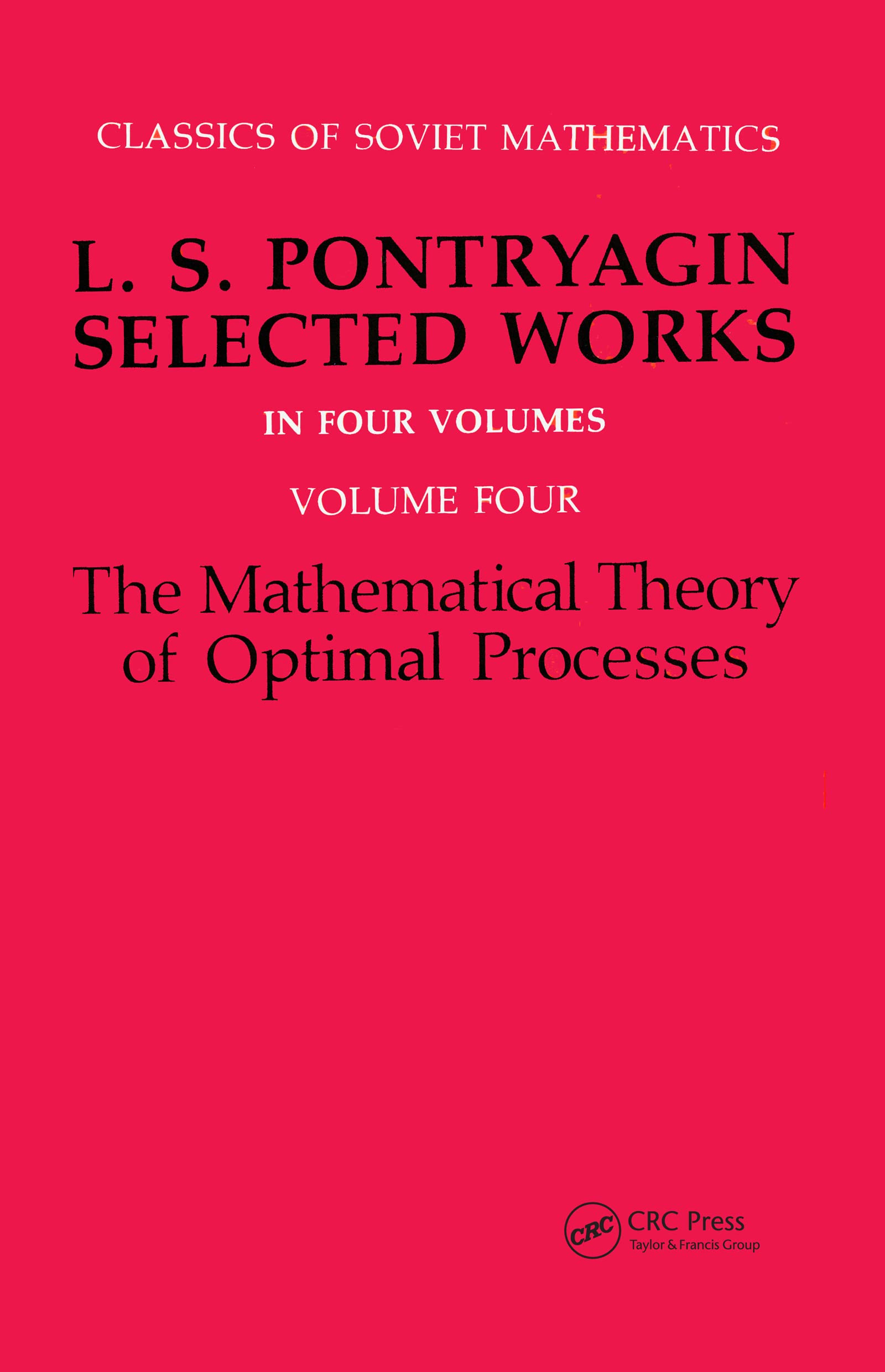
Mathematical Theory of Optimal Processes (Classics of Soviet Mathematics)
Related Products
View All
Science & Mathematics
Elements of Pelagos Biology: With Focus on the Mediterranean Sea
Science & Mathematics
Squid - Superconducting Quantum Interference Devices and Their Applications: Proceedings of the International Conference on Superconducting Quantum Devices, Berlin-west, October 4-8, 1976

Science & Mathematics
Thermodynamics and Pattern Formation in Biology
Science & Mathematics
The Nature of Mathematics and the Mathematics of Nature by S. Andersson – Mathematics & Science

Science & Mathematics
Linear Algebra | by Stephen Friedberg | Arnold Insel | Lawrence Spence | Pearson | by Stephen Friedberg | Arnold Insel | Lawrence Spence | Pearson | by Stephen Friedberg | Arnold Insel | Lawrence Spence | Pearson | by Stephen Friedberg | Arnold Insel | Lawrence Spence | Pearson | by Stephen Friedberg | Arnold Insel | Lawrence Spence | Pearson | by Stephen Friedberg | Arnold Insel | Lawrence Spence | Pearson | by Stephen Friedberg | Arnold Insel | Lawrence Spence | Pearson | by Stephen Friedberg
Science & Mathematics