
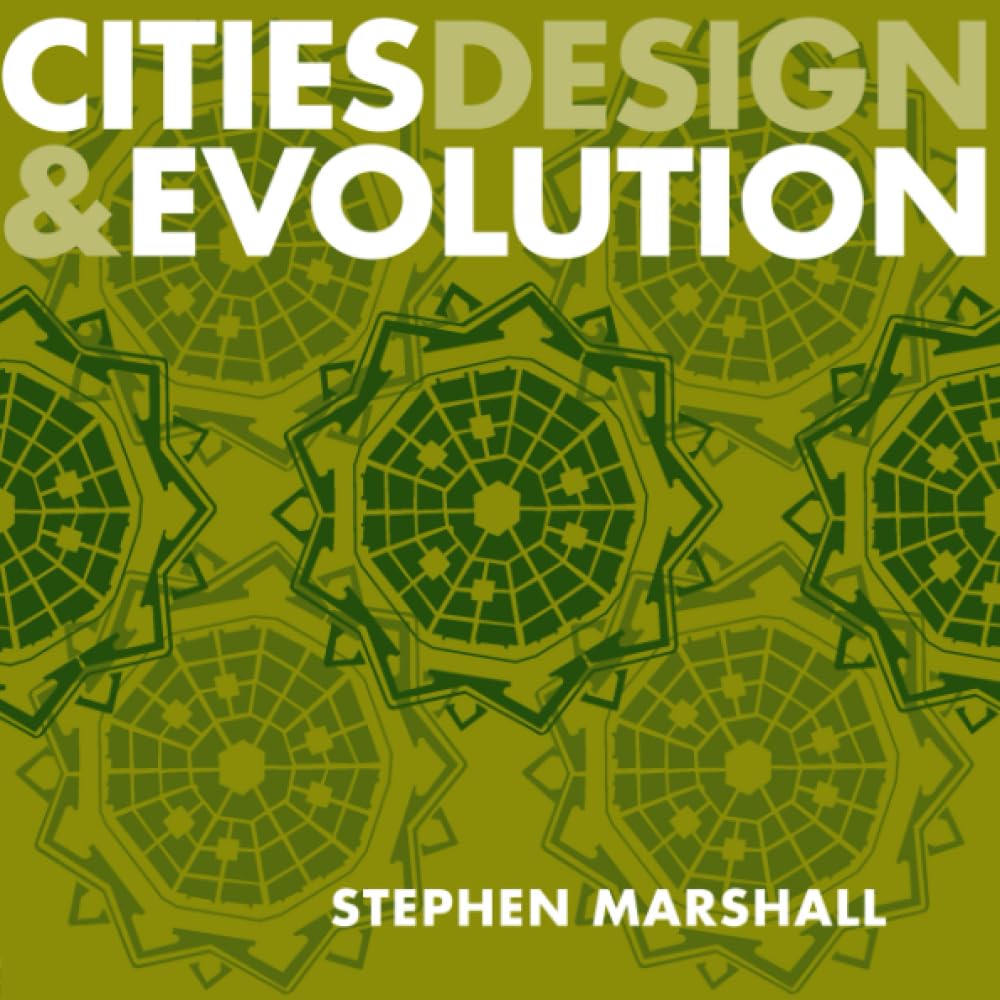
Cities, Design & Evolution: Understanding Urban Form and Development by Stephen Marshall
Inclusive of all applicable taxes. FREE shipping on all orders.
Available Offers
- 🚚Free Delivery — Free shipping on all orders
- 💵Cash on Delivery — Pay when your order arrives
- ↩️15-Day Easy Returns — Hassle-free return policy
- 🔒Cash on Delivery — Pay safely when your order arrives
Check Delivery
Product Description
Introduction
Why do some cities feel effortlessly vibrant and functional, while modern planned developments often lack that organic charm? In Cities, Design & Evolution, author Stephen Marshall delves into this compelling question, offering a fresh perspective on urban planning and design. This hardcover edition, published by Routledge, is a must-read for students, architects, urban planners, and anyone curious about how cities grow, adapt, and sometimes falter. With a focus on evolutionary thinking, this book bridges the gap between traditional organic urbanism and contemporary planning philosophies.
Book Overview
Cities, Design & Evolution challenges the notion that modern planning always improves urban environments. Stephen Marshall explores why some cities—like old Indian towns with winding lanes and bustling bazaars—feel more alive than grid-planned suburbs. The book examines how cities are assembled, both in terms of physical layout and the processes that shape them over time. It weaves together ideas from modernism, new urbanism, and evolutionary biology, creating a unique framework for understanding urban growth. This is not a dry textbook; it is an engaging narrative that connects Charles Darwin’s theories to Le Corbusier’s visions, making complex ideas accessible to Indian readers and students.
Key Highlights
- First of its kind: Applies modern evolutionary thinking to urbanism in a comprehensive way.
- Bridges disciplines: Combines urban planning, design, biology, and philosophy in one coherent narrative.
- Critical analysis: Questions why planned cities often lack the vitality of organically evolved ones.
- Engaging style: Written for both academics and general readers, with clear examples and analogies.
- Relevant to India: Insights applicable to understanding Indian cities like Jaipur, Varanasi, or Mumbai.
Inside the Book
Stephen Marshall takes readers on a journey through urban history, from ancient settlements to modern metropolises. He dissects planning philosophies like modernism, new urbanism, and organic theories, referencing thinkers such as Patrick Geddes and Richard Dawkins. The book introduces a new evolutionary perspective that acknowledges both the designed and organic aspects of cities. Readers will find chapters that explore how cities evolve like living organisms, how design interventions succeed or fail, and what we can learn from nature’s principles. The hardcover edition is well-structured, with clear headings and accessible language.
Key Topics
- Organic urbanism vs. planned design: Why traditional cities feel more cohesive.
- Evolutionary theory in urbanism: How cities adapt and change over time.
- Modernism and its critiques: The pitfalls of top-down planning.
- New Urbanism: Attempts to recreate organic communities.
- Biological analogies: Comparing cities to ecosystems and organisms.
- Design principles: Practical lessons for creating better urban spaces.
Reader Benefits
This book empowers readers with a deeper understanding of why cities work—or don’t. For students, it provides a solid foundation in urban theory without being overly academic. For professionals like architects and planners, it offers fresh tools to evaluate and improve their projects. Indian readers will appreciate the universal themes that resonate with local urban challenges, such as congestion, heritage preservation, and sustainable growth. The evolutionary lens helps you see cities as living entities, making the content both thought-provoking and practical.
Learning Outcomes
- Understand urban evolution: Grasp how cities change organically and through design.
- Critique planning philosophies: Evaluate modernism, new urbanism, and other approaches.
- Apply evolutionary thinking: Use biological concepts to analyze urban growth.
- Design better cities: Learn principles that balance order and spontaneity.
- Connect theory to reality: Relate concepts to Indian and global urban examples.
Who Should Read
Cities, Design & Evolution is ideal for urban planning students, architects, civil engineers, geographers, sociologists, and environmentalists. It also appeals to history buffs, philosophy enthusiasts, and general readers interested in why cities look and feel the way they do. If you have ever walked through a chaotic Indian market and wondered about its hidden logic, or questioned why new housing colonies feel sterile, this book is for you. It is suitable for undergraduate and postgraduate courses in urban studies, as well as self-study.
About the Author
Stephen Marshall is a respected academic and urban theorist based in the United Kingdom. He has written extensively on urban design, transport planning, and the application of evolutionary ideas to cities. His work bridges the gap between scientific thinking and urban practice, making him a unique voice in the field. Marshall’s research has influenced planning education and policy, and he brings a rigorous yet accessible approach to complex topics. In this book, he distills years of scholarship into a compelling narrative that challenges conventional wisdom.
About the Publisher
Routledge is a leading global academic publisher, known for its high-quality books in the social sciences, humanities, and built environment. With a history spanning over 150 years, Routledge produces works that shape scholarly discourse and professional practice. This hardcover edition reflects their commitment to excellence, with sturdy binding and clear print. For Indian readers, Routledge titles are trusted resources in universities and libraries across the country.
Conclusion
Cities, Design & Evolution is a groundbreaking book that rethinks how we perceive and create urban spaces. Stephen Marshall’s evolutionary approach offers a fresh lens for understanding the tension between design and organic growth. Whether you are a student preparing for exams, a professional seeking inspiration, or a curious reader, this hardcover edition from Bookshops.in is a valuable addition to your library. Order your copy today and discover why cities are more like living organisms than static blueprints.
Quick Summary
Cities, Design & Evolution by Stephen Marshall is a thought-provoking exploration of why modern planning sometimes produces less attractive and functional urban environments compared to the organic growth of traditional cities. The book bridges urban design theory with evolutionary biology, drawing on ideas from Charles Darwin, Richard Dawkins, Patrick Geddes, and Le Corbusier. Marshall argues that cities are neither purely designed nor purely organic but emerge from a dynamic interplay between human intention and natural processes. Readers will learn to critically assess planning philosophies from Modernism to New Urbanism and develop a new perspective that values both structure and spontaneity. This book is ideal for Indian students, urban planners, architects, and policy makers grappling with rapid urbanization. By purchasing from Bookshops.in, you get a genuine Routledge hardcover edition with reliable delivery across India, supporting local bookstores.
Book Highlights
Book Specifications
| ISBN-13 | 9780415423298 |
| ISBN-10 | 0415423295 |
| Publisher | Routledge |
| Language | English |
| Dimensions | 21.01 x 2.08 x 21.01 cm |
| Weight | 748 g |
| Category | Political Science › Public Policy |
| Genre | Nonfiction |
| Original Language | English |
Frequently Asked Questions
What is the main argument of Cities, Design & Evolution?
Who is the author Stephen Marshall?
Is this book relevant for Indian readers?
What planning philosophies does the book cover?
Does the book include case studies?
Is this a textbook?
What is the price in INR?
Can I use this book for research?
Does the book discuss Indian cities?
What makes this book different from other urban planning books?
Is the language difficult?
What is the rating of the book?
Readers Also Search For
Customers Also Bought
Mathematics
Stereotype Spaces and Algebras: 73 (De Gruyter Expositions in Mathematics, 73)
Mathematics
Semigroups in Algebra, Geometry and Analysis: 20 (De Gruyter Expositions in Mathematics, 20)
Mathematics
Geometry from the Pacific Rim: Proceedings of the Pacific Rim Geometry Conference held at National University of Singapore, Republic of Singapore, ... 1994 (De Gruyter Proceedings in Mathematics)
Mathematics
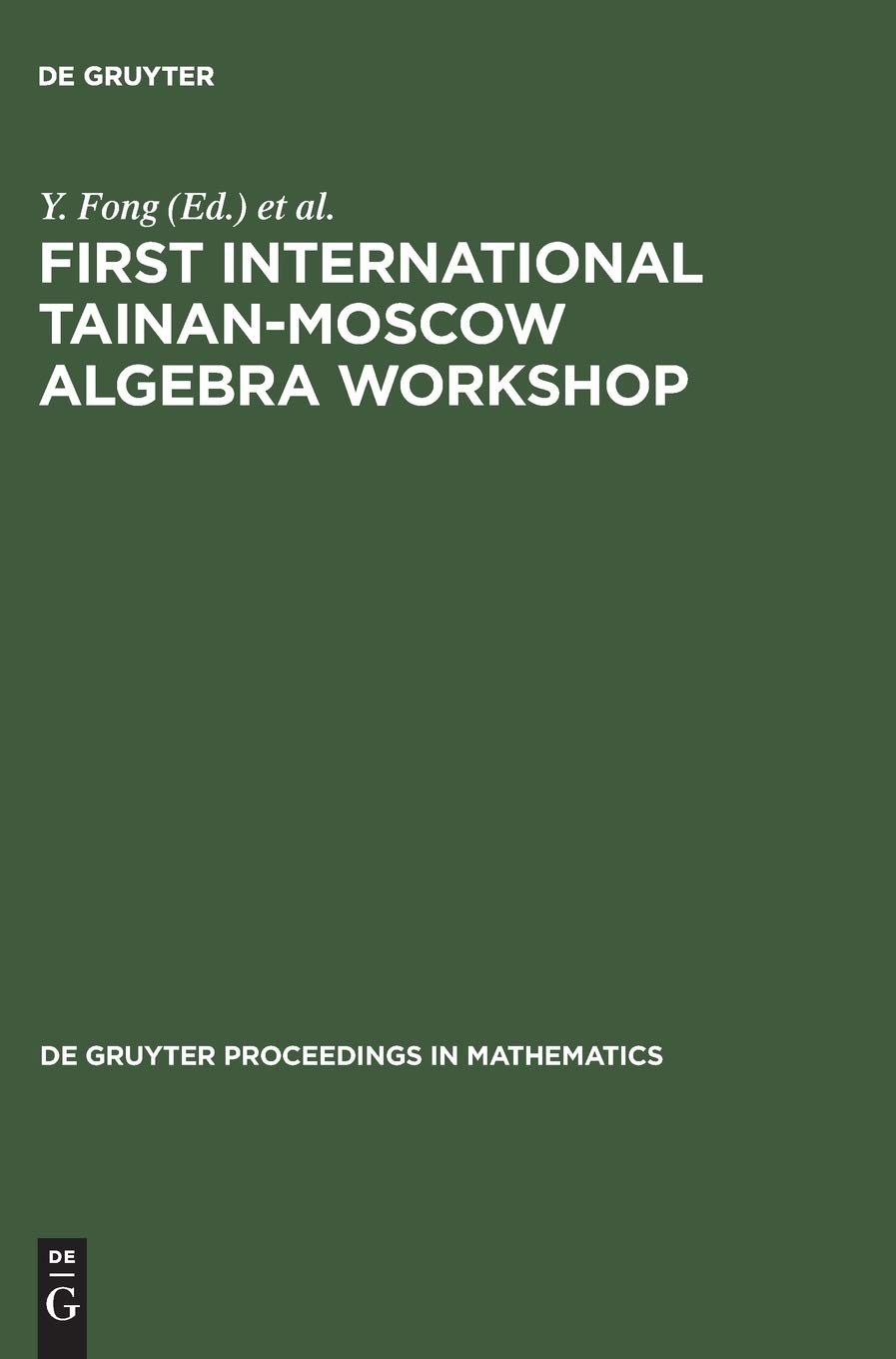
First International Tainan-Moscow Algebra Workshop: Proceedings of the International Conference held at National Cheng Kung University Tainan, Taiwan, ... 1994 (De Gruyter Proceedings in Mathematics)
Mathematics
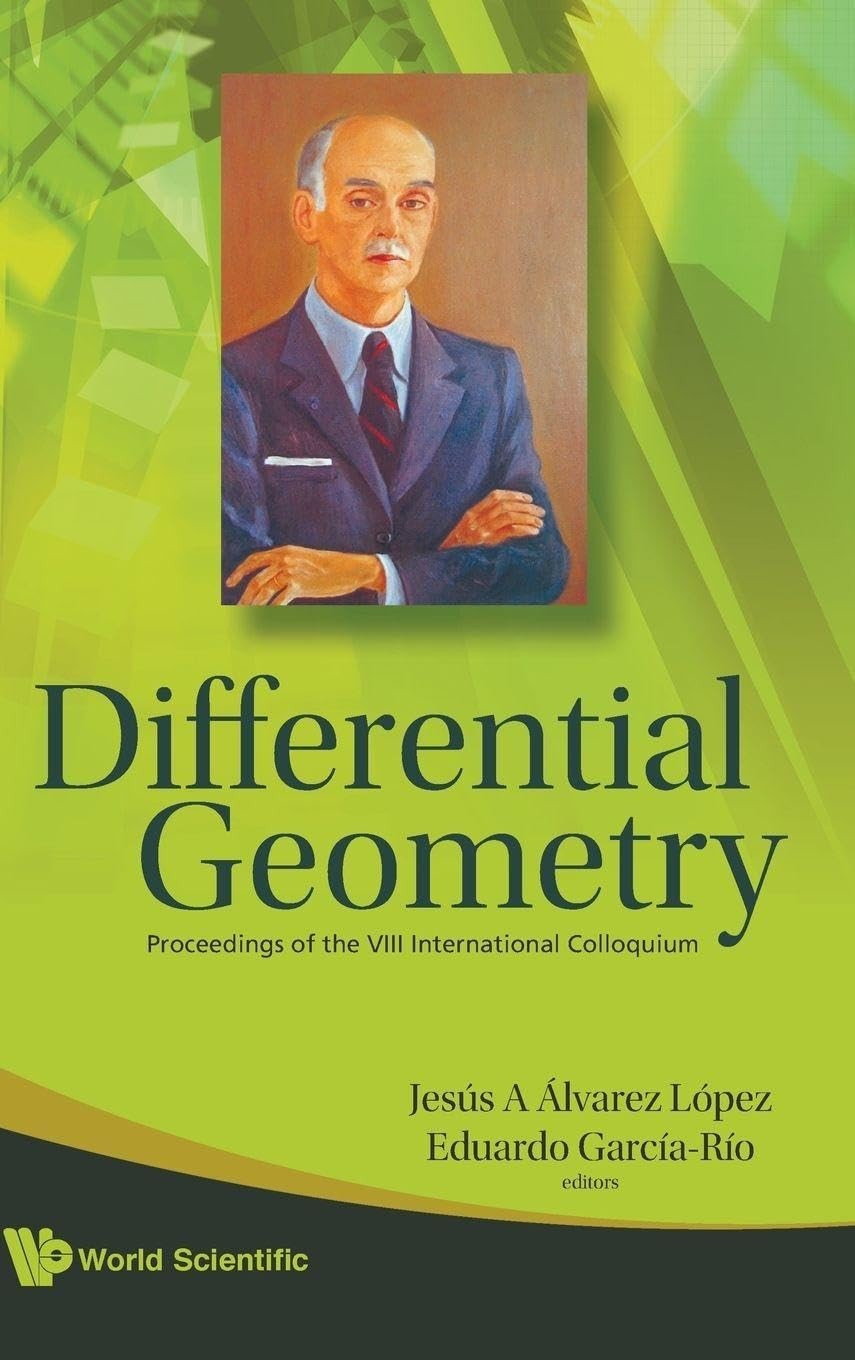
Differential Geometry - Proceedings of the VIII International Colloquium (English, Jesus A. Alvarez Lopez | Eduardo Garcia-Rio)
Mathematics
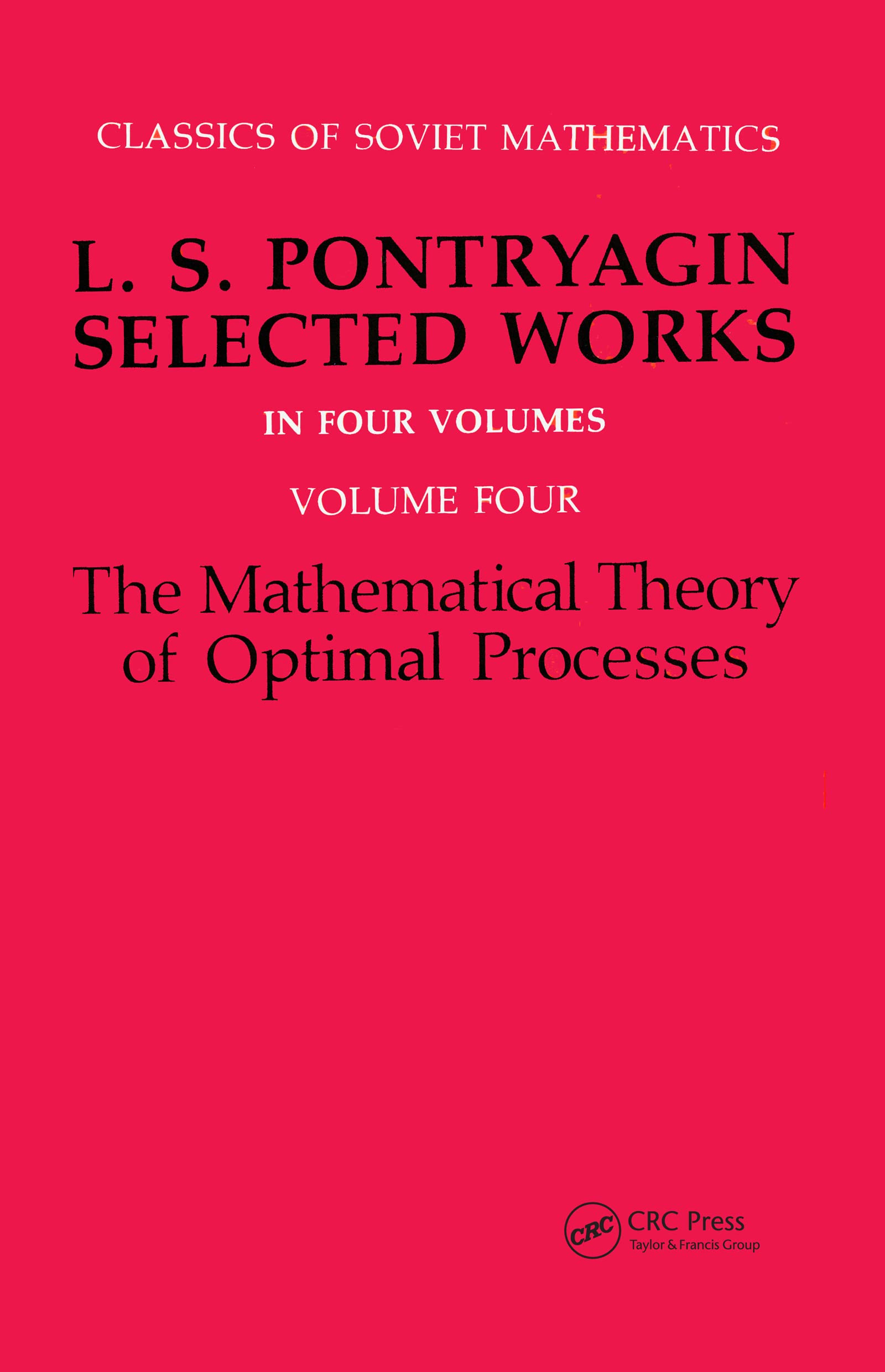
Mathematical Theory of Optimal Processes (Classics of Soviet Mathematics)
Related Products
View All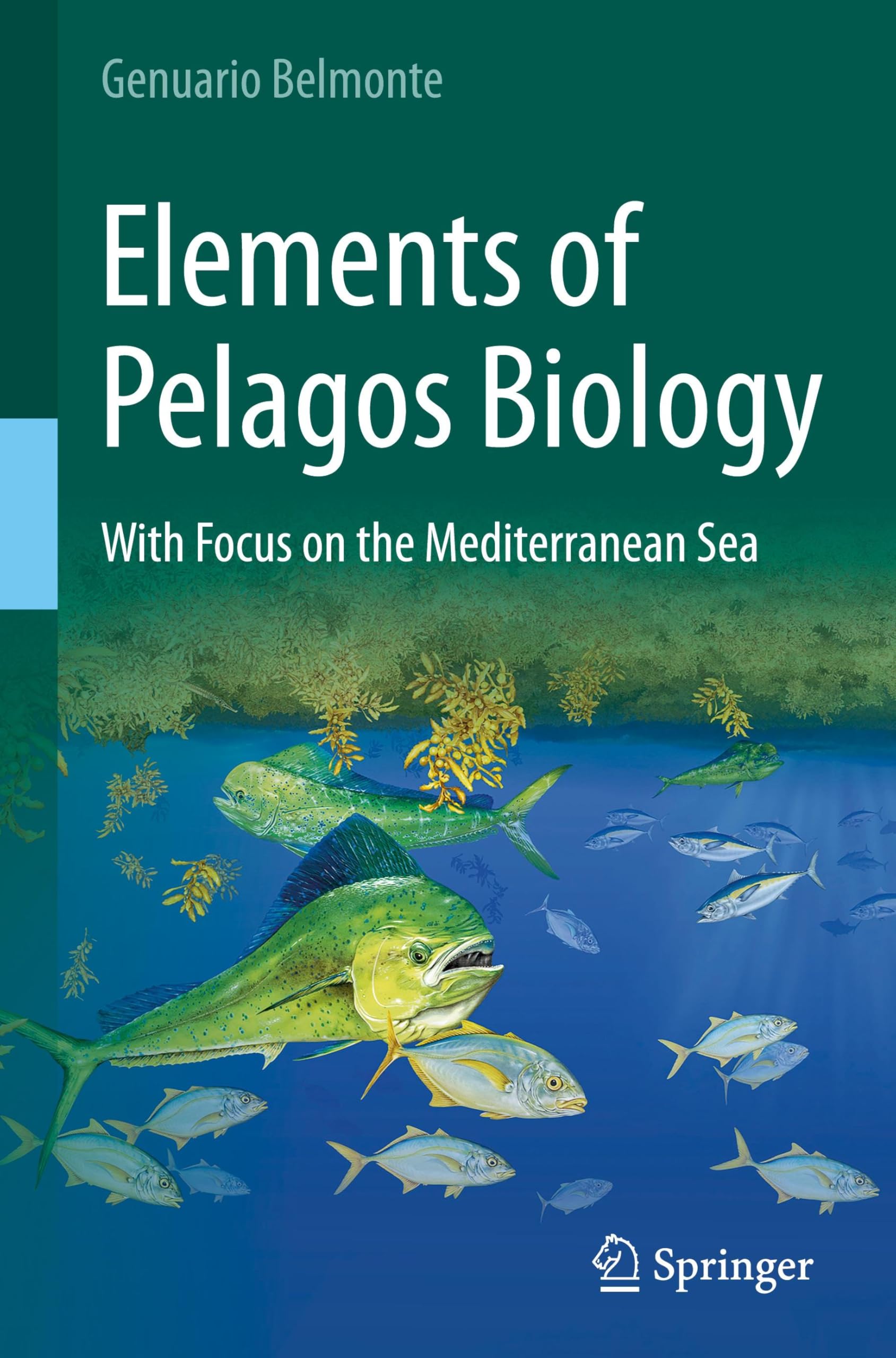
Science & Mathematics
Elements of Pelagos Biology: With Focus on the Mediterranean Sea

Science & Mathematics
Squid - Superconducting Quantum Interference Devices and Their Applications: Proceedings of the International Conference on Superconducting Quantum Devices, Berlin-west, October 4-8, 1976
Science & Mathematics
Thermodynamics and Pattern Formation in Biology
Science & Mathematics
The Nature of Mathematics and the Mathematics of Nature by S. Andersson – Mathematics & Science

Science & Mathematics
Linear Algebra | by Stephen Friedberg | Arnold Insel | Lawrence Spence | Pearson | by Stephen Friedberg | Arnold Insel | Lawrence Spence | Pearson | by Stephen Friedberg | Arnold Insel | Lawrence Spence | Pearson | by Stephen Friedberg | Arnold Insel | Lawrence Spence | Pearson | by Stephen Friedberg | Arnold Insel | Lawrence Spence | Pearson | by Stephen Friedberg | Arnold Insel | Lawrence Spence | Pearson | by Stephen Friedberg | Arnold Insel | Lawrence Spence | Pearson | by Stephen Friedberg
Science & Mathematics