
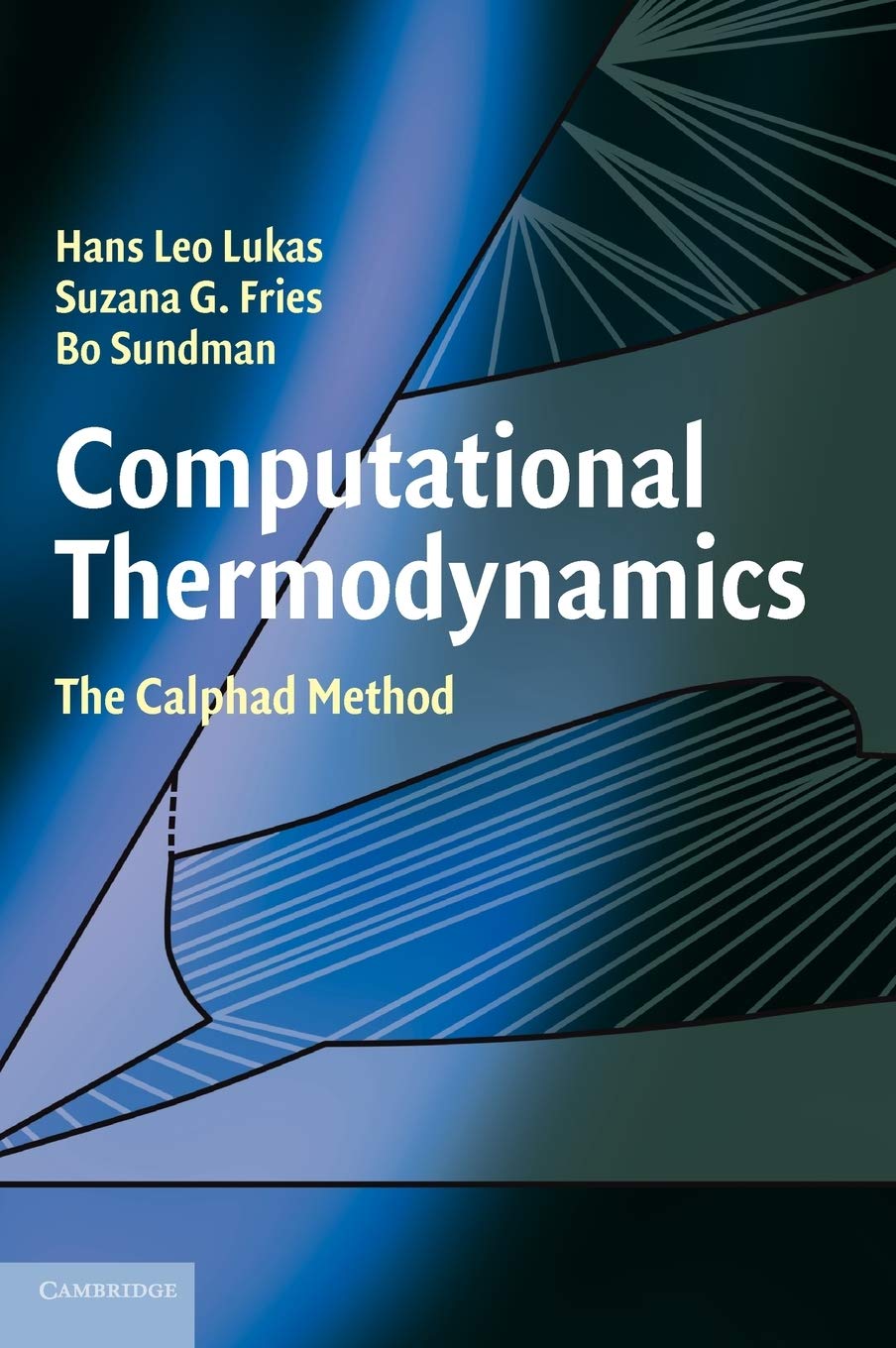
Computational Thermodynamics: The Calphad Method by Bo Sundman – A Complete Guide to Phase Diagram Modeling and Thermody
Inclusive of all applicable taxes. FREE shipping on all orders.
Available Offers
- 🚚Free Delivery — Free shipping on all orders
- 💵Cash on Delivery — Pay when your order arrives
- ↩️15-Day Easy Returns — Hassle-free return policy
- 🔒Cash on Delivery — Pay safely when your order arrives
Check Delivery
Product Description
Introduction
For Indian students and researchers delving into materials science and engineering, understanding the intricate dance between composition, microstructure, and process conditions is paramount. Computational Thermodynamics: The Calphad Method by Bo Sundman offers a rigorous yet accessible gateway into the world of phase diagram modeling. Published by Cambridge University Press, this hardbound volume is an indispensable resource for anyone looking to master the computational techniques that drive modern materials design, from alloy development to ceramic processing.
Book Overview
This book provides a comprehensive introduction to the CALPHAD (CALculation of PHAse Diagrams) method, a cornerstone of computational thermodynamics. It systematically guides the reader from fundamental thermodynamic principles to the practical construction and validation of thermodynamic databases. The text uniquely blends theoretical foundations with hands-on methodologies, ensuring that both postgraduate students and practicing engineers can apply these techniques to real-world problems. With a focus on multicomponent systems, it equips readers to simulate phase behavior accurately, making it a vital tool for advanced materials research in India’s growing industrial and academic landscape.
Key Highlights
- Authoritative Content: Written by Bo Sundman, a globally recognized expert in the field, ensuring depth and accuracy.
- Practical Approach: Includes a dedicated chapter on creating thermodynamic databases, bridging theory and application.
- Multidisciplinary Relevance: Applicable to metallurgy, ceramics, polymers, and semiconductor research.
- Case Studies: Real-world examples that contextualize the CALPHAD method for Indian industries like aerospace, automotive, and energy.
- Rigorous yet Accessible: Builds on core thermodynamics without assuming prior computational expertise.
Inside the Book
The volume is structured to take the reader on a logical journey. It begins with revisiting essential thermodynamic concepts—such as Gibbs free energy, chemical potential, and phase stability—before introducing the CALPHAD formalism. Subsequent chapters delve into crystallography and first-principles methods, showing how experimental data and theoretical calculations are integrated. A standout feature is the step-by-step guide to database construction, optimization, and validation. The book also covers software tools commonly used in CALPHAD modeling, making it a practical manual for laboratory work. Each chapter concludes with exercises that reinforce learning, ideal for classroom use in Indian universities.
Key Topics
- Fundamentals of phase diagrams and thermodynamic modeling
- The CALPHAD methodology: from binary to multicomponent systems
- Integration of experimental data with first-principles calculations
- Crystallographic basis of phase stability and transformations
- Database design, assessment, and error analysis
- Case studies in alloy design, process optimization, and materials selection
Reader Benefits
- Master a Critical Skill: Gain proficiency in computational thermodynamics, a key competency in modern materials engineering.
- Save Time and Resources: Learn to predict phase behavior computationally, reducing costly trial-and-error experiments.
- Enhance Research Quality: Produce accurate, validated thermodynamic data for publications and industrial projects.
- Career Advancement: Stand out in sectors like automotive, aerospace, and electronics, where CALPHAD expertise is highly valued.
- Self-Paced Learning: The clear structure allows independent study, perfect for professionals seeking upskilling.
Learning Outcomes
- Understand the principles of phase equilibrium and thermodynamics in materials systems.
- Construct and assess thermodynamic databases using the CALPHAD method.
- Apply first-principles data and experimental results to model complex phase diagrams.
- Critically evaluate the accuracy and limitations of computational models.
- Design materials with tailored properties by simulating phase behavior under varying conditions.
Who Should Read
This book is tailored for postgraduate students in metallurgy, materials science, and mechanical engineering across Indian institutes like IITs, NITs, and IISc. It is equally valuable for research scholars working on alloy design, ceramic processing, or energy materials. Professionals in R&D departments of steel, automotive, and aerospace industries will find it a practical reference for solving real-world problems. Additionally, faculty members seeking a comprehensive textbook for advanced thermodynamics courses will appreciate its structured pedagogy.
About the Author
Bo Sundman is a distinguished figure in the field of computational thermodynamics. With decades of experience at leading institutions such as the Royal Institute of Technology (KTH) in Stockholm, he has been instrumental in developing the CALPHAD method into a robust engineering tool. His work on thermodynamic databases and software like Thermo-Calc has shaped modern materials science. This book distills his vast expertise into a clear, didactic format that has been adopted by universities worldwide.
About the Publisher
Cambridge University Press is one of the oldest and most respected academic publishers globally. Known for its rigorous peer-review process and high-quality educational materials, it has been a trusted partner for scholars and students for centuries. This hardcover edition reflects the publisher’s commitment to excellence, with durable binding and clear typesetting—ideal for the demanding academic environment in India.
Conclusion
Computational Thermodynamics: The Calphad Method is more than a textbook; it is a bridge between classical thermodynamics and cutting-edge computational materials design. For Indian students and researchers aiming to push the boundaries of materials innovation, this book offers the theoretical depth and practical tools needed to succeed. Whether you are modeling a new alloy for a lighter automobile or a heat-resistant ceramic for a turbine, this volume will be your trusted companion. Order your copy from Bookshops.in today and unlock the power of computational thermodynamics.
Quick Summary
Computational Thermodynamics: The Calphad Method by Bo Sundman is a definitive guide for students and researchers seeking to master phase diagram modeling through computational techniques. Published by Cambridge University Press, this hardcover book introduces the CALPHAD method, a powerful approach that combines thermodynamic principles, crystallography, first principles calculations, and experimental data to simulate multicomponent phase behavior. Readers will learn to assess, optimize, and validate thermodynamic databases, enabling them to predict material properties and process conditions accurately. The book is structured to be accessible for beginners yet detailed enough for advanced practitioners, with a dedicated chapter on creating thermodynamic databases. By purchasing from Bookshops.in, India's premium online bookstore, you ensure a reliable source for academic and professional resources. This book is an essential investment for anyone involved in materials research, alloy design, or computational thermodynamics, offering both theoretical depth and practical skills that are directly applicable to real-world engineering challenges.
Book Highlights
Book Specifications
| ISBN-13 | 9780521868112 |
| ISBN-10 | 0521868114 |
| Publisher | Cambridge University Press |
| Language | English |
| Dimensions | 17.78 x 1.91 x 25.4 cm |
| Weight | 800 g |
| Country | India |
| Category | Mechanical Engineering › Material Science & Engineering |
| Genre | Non-fiction |
| Original Language | English |
Frequently Asked Questions
What is the CALPHAD method?
Who is the author of this book?
What topics does the book cover?
Is this book suitable for beginners?
What is the price of the book?
Which publisher released this book?
Can I use this book for my PhD research?
Does the book include practical examples?
Is this book available in India?
Does the book cover multicomponent systems?
What is the language of the book?
What is the ISBN-13?
How is this book different from other thermodynamics texts?
Readers Also Search For
Customers Also Bought
Mathematics
Stereotype Spaces and Algebras: 73 (De Gruyter Expositions in Mathematics, 73)

Mathematics
Semigroups in Algebra, Geometry and Analysis: 20 (De Gruyter Expositions in Mathematics, 20)

Mathematics
Geometry from the Pacific Rim: Proceedings of the Pacific Rim Geometry Conference held at National University of Singapore, Republic of Singapore, ... 1994 (De Gruyter Proceedings in Mathematics)

Mathematics
First International Tainan-Moscow Algebra Workshop: Proceedings of the International Conference held at National Cheng Kung University Tainan, Taiwan, ... 1994 (De Gruyter Proceedings in Mathematics)
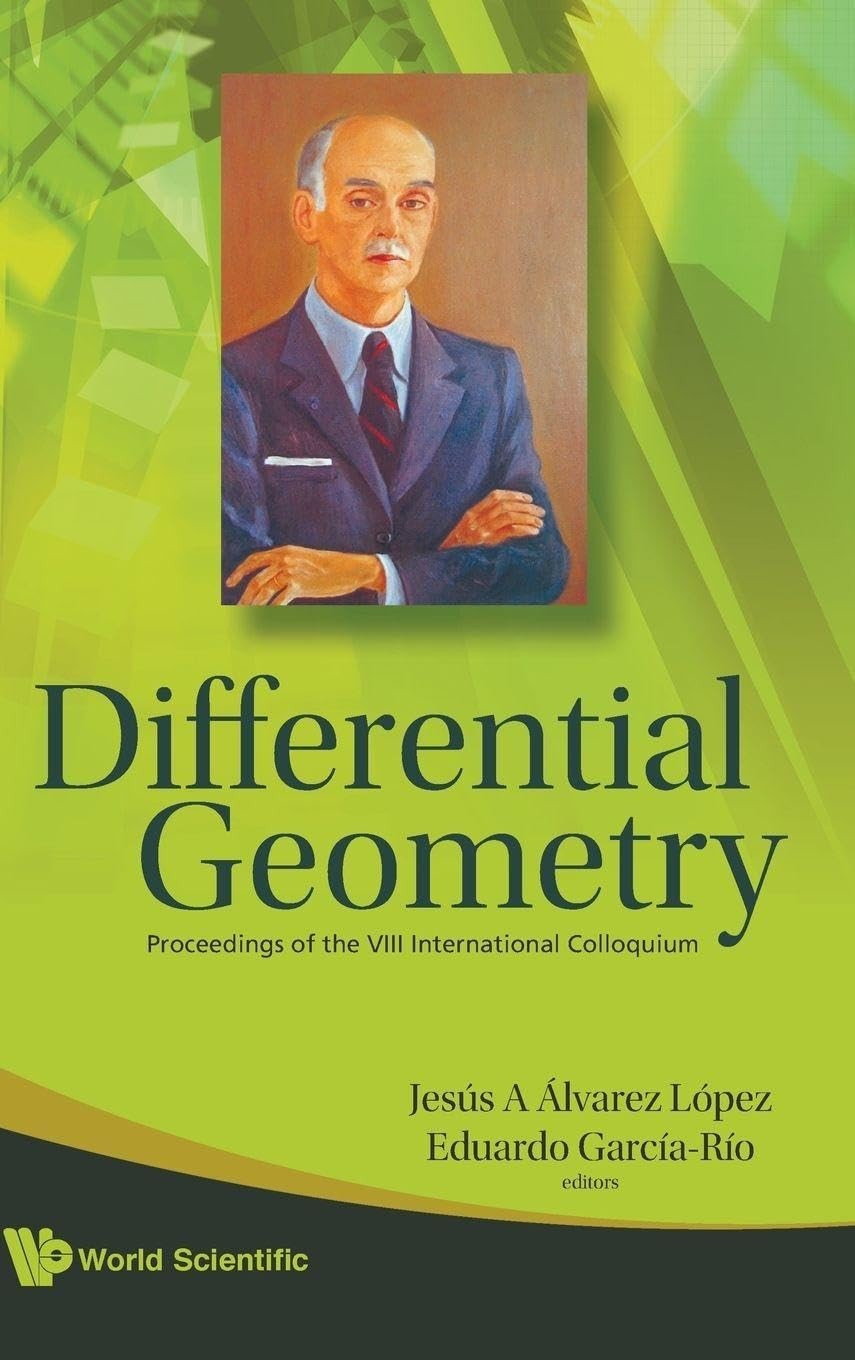
Mathematics
Differential Geometry - Proceedings of the VIII International Colloquium (English, Jesus A. Alvarez Lopez | Eduardo Garcia-Rio)
Mathematics
Mathematical Theory of Optimal Processes (Classics of Soviet Mathematics)
Related Products
View All
Science & Mathematics
Squid - Superconducting Quantum Interference Devices and Their Applications: Proceedings of the International Conference on Superconducting Quantum Devices, Berlin-west, October 4-8, 1976

Science & Mathematics
Thermodynamics and Pattern Formation in Biology
Science & Mathematics
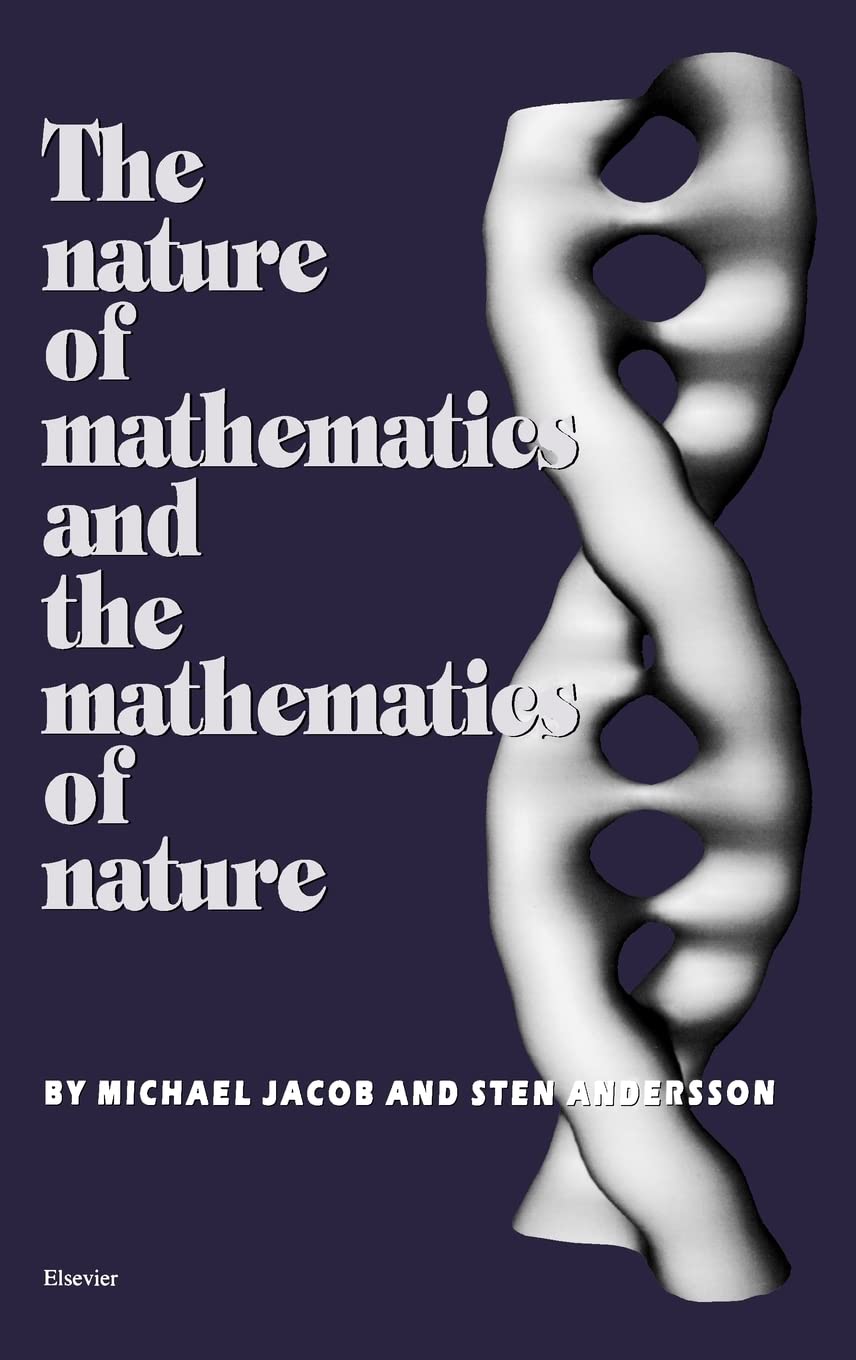
The Nature of Mathematics and the Mathematics of Nature by S. Andersson – Mathematics & Science

Science & Mathematics
Linear Algebra | by Stephen Friedberg | Arnold Insel | Lawrence Spence | Pearson | by Stephen Friedberg | Arnold Insel | Lawrence Spence | Pearson | by Stephen Friedberg | Arnold Insel | Lawrence Spence | Pearson | by Stephen Friedberg | Arnold Insel | Lawrence Spence | Pearson | by Stephen Friedberg | Arnold Insel | Lawrence Spence | Pearson | by Stephen Friedberg | Arnold Insel | Lawrence Spence | Pearson | by Stephen Friedberg | Arnold Insel | Lawrence Spence | Pearson | by Stephen Friedberg

Science & Mathematics
University Calculus | by Joel Hass | Christopher Heil | Maurice Weir | Pearson | by Joel Hass | Christopher Heil | Maurice Weir | Pearson | by Joel Hass | Christopher Heil | Maurice Weir | Pearson | by Joel Hass | Christopher Heil | Maurice Weir | Pearson | by Joel Hass | Christopher Heil | Maurice Weir | Pearson | by Joel Hass | Christopher Heil | Maurice Weir | Pearson | by Joel Hass | Christopher Heil | Maurice Weir | Pearson | by Joel Hass | Christopher Heil | Maurice Weir | Pearson | by Joe
Science & Mathematics