
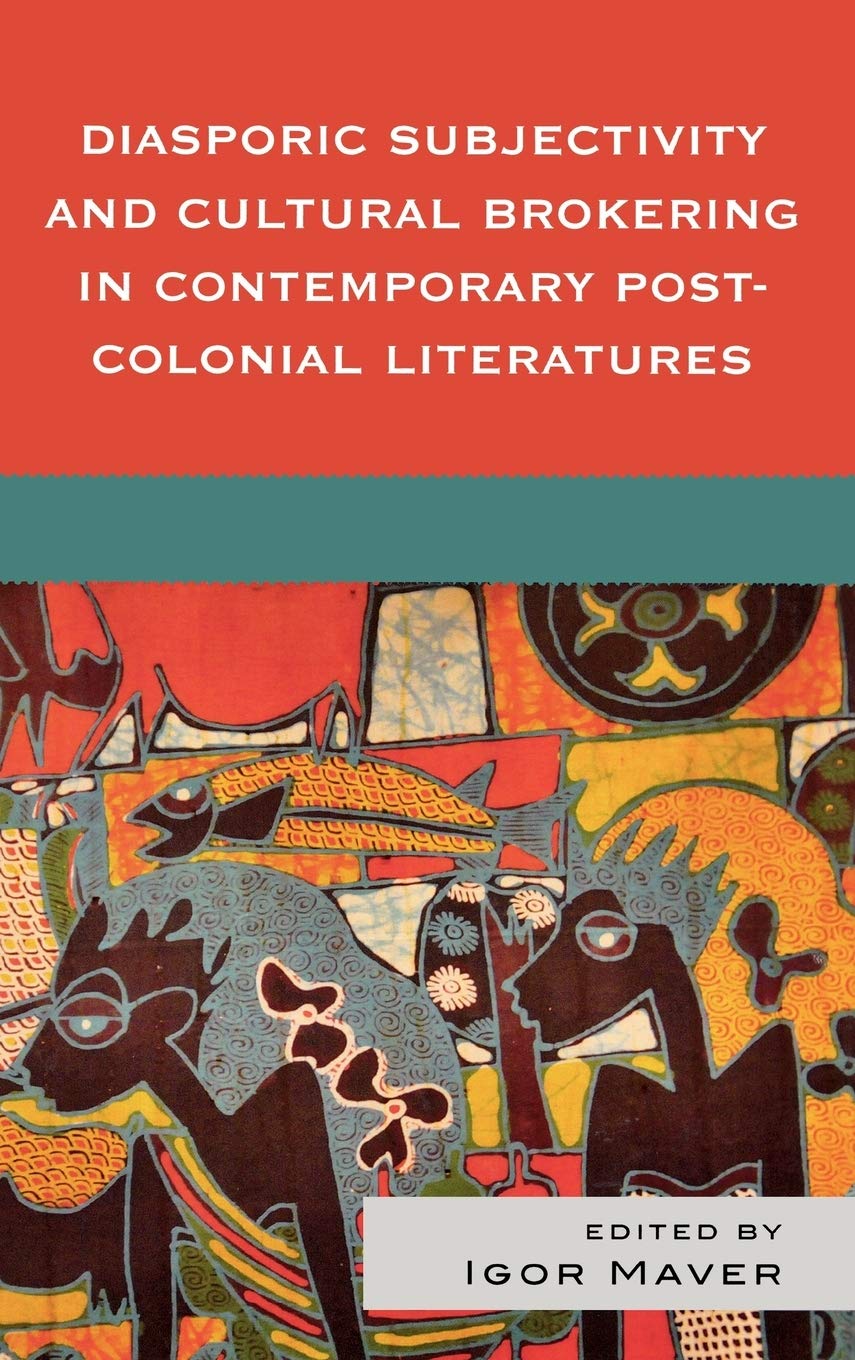
Diasporic Subjectivity and Cultural Brokering in Contemporary Post-colonial Literatures by Silvia Albertazzi – A Scholar
Inclusive of all applicable taxes. FREE shipping on all orders.
Available Offers
- 🚚Free Delivery — Free shipping on all orders
- 💵Cash on Delivery — Pay when your order arrives
- ↩️15-Day Easy Returns — Hassle-free return policy
- 🔒Cash on Delivery — Pay safely when your order arrives
Check Delivery
Product Description
Introduction
In an era of unprecedented global mobility, the question of identity for those who live between cultures has never been more pressing. Silvia Albertazzi’s Diasporic Subjectivity and Cultural Brokering in Contemporary Post-colonial Literatures offers a profound and timely exploration of how writers from the diaspora navigate the complex terrain of belonging, memory, and selfhood. Published by Lexington Books, this hardcover volume is an essential resource for Indian students and scholars seeking to understand the nuanced ways in which post-colonial literatures reflect the experiences of displacement and cultural negotiation. Rather than simply cataloguing literary works, Albertazzi brings together a collection of essays that interrogate the very fabric of diasporic identity, making this book a vital addition to any serious study of contemporary English literature.
Book Overview
This scholarly work examines how contemporary diasporic writers in English mediate the dissonance between a sense of belonging and the experience of being marked as ‘ethnic’ in societies of immigration. The essays within this volume call for a remapping of post-colonial literatures and a reevaluation of the Anglophone literary canon by including diasporic discourses that have often been marginalised. Through careful analysis of fiction, poetry, and non-fiction, the book demonstrates that intercultural dialogue and constant cultural brokering are not optional but necessary in our interconnected world. Each chapter contributes to a larger argument about the ethical, political, and personal affiliations that shape diasporic subjectivities, making the volume a cohesive and compelling read for anyone interested in the future of literary studies.
Key Highlights
- Original Essays: A curated collection of essays that offer fresh perspectives on diasporic writing, moving beyond conventional post-colonial frameworks to address contemporary realities.
- Global Scope: Covers writers from multiple diasporic communities, including Indian, Caribbean, African, and South Asian authors, providing a truly comparative approach.
- Cultural Brokering as a Theme: Introduces the concept of ‘cultural brokering’ as a central mechanism through which writers negotiate identity, language, and power in their works.
- Canonical Reassessment: Challenges traditional literary hierarchies and argues for the inclusion of diasporic voices in the mainstream Anglophone canon.
- Rigorous Scholarship: Backed by solid theoretical grounding in post-colonial studies, diaspora studies, and cultural theory, making it suitable for advanced academic work.
Story Themes
The book delves into several interconnected themes that resonate deeply with the Indian reader. Belonging and Alienation is a recurring thread, as the essays explore how characters and authors grapple with the dual pull of homeland and hostland. Memory and Nostalgia are examined not as sentimental escapes but as active forces that shape identity. The theme of Language and Power is also central, with discussions on how writers use English, often alongside indigenous languages, to assert agency and subvert colonial legacies. Additionally, Gender and Diaspora receives thoughtful attention, highlighting how women writers in particular navigate the intersections of cultural expectations and personal freedom. Finally, the theme of Ethics of Belonging questions what it means to be responsible to multiple communities at once, a question that is especially relevant for Indians living abroad or in multicultural urban centres.
Reader Benefits
- Deepen Your Understanding: Gain a sophisticated grasp of how diasporic literature functions as a site of cultural negotiation and resistance.
- Enhance Academic Work: Ideal for writing research papers, dissertations, or seminar presentations on post-colonial literature, diaspora studies, or cultural theory.
- Broaden Literary Horizons: Discover lesser-known authors and texts that expand your reading list beyond the typical post-colonial canon.
- Critical Thinking Skills: Develop the ability to analyse literary texts through the lens of identity, power, and transnationalism.
- Contextual Knowledge: Understand the historical and social contexts that shape diasporic writing, from migration patterns to global politics.
Who Should Read
This book is ideally suited for postgraduate students and researchers in English literature, cultural studies, and post-colonial studies. It is also highly recommended for undergraduate students taking advanced courses in diaspora or world literature. Teachers and professors will find it a valuable resource for designing course modules or preparing lectures. Additionally, librarians and book collectors in Indian academic institutions will appreciate its hardcover binding and scholarly rigor. Finally, general readers with a keen interest in identity, migration, and the Indian diaspora will find the essays accessible and thought-provoking, even without a specialised academic background.
About the Author
Silvia Albertazzi is a distinguished scholar in the field of post-colonial and diaspora studies. With a career spanning several decades, she has published extensively on the intersections of literature, culture, and identity. Her work is known for its theoretical depth and its commitment to amplifying marginalised voices. Albertazzi’s editorial hand brings coherence to this multi-author volume, ensuring that each essay contributes to a unified vision of what diasporic subjectivity means in the twenty-first century. Her expertise makes her a trusted guide through the complex terrain of contemporary post-colonial literatures.
About the Publisher
Lexington Books, an imprint of the Rowman & Littlefield Publishing Group, is renowned for publishing high-quality academic works in the humanities and social sciences. With a strong focus on critical theory, cultural studies, and post-colonial scholarship, Lexington Books has established itself as a premier publisher for researchers and academics worldwide. This volume upholds that tradition, offering a meticulously edited collection that meets the highest standards of scholarly excellence. Indian readers can rely on Lexington Books for authoritative and thought-provoking content that pushes the boundaries of literary criticism.
Conclusion
Diasporic Subjectivity and Cultural Brokering in Contemporary Post-colonial Literatures is more than a book—it is an invitation to rethink the ways we read, teach, and understand literature in a globalised world. For Indian students and scholars, it offers a mirror to the experiences of millions who live between cultures, and a window into the creative ways that writers transform that in-between space into art. Whether you are preparing for a rigorous academic debate or simply seeking to broaden your intellectual horizons, this hardcover volume from Lexington Books deserves a place on your shelf. Order your copy today from Bookshops.in and join the conversation on the future of post-colonial literary studies.
Quick Summary
Diasporic Subjectivity and Cultural Brokering in Contemporary Post-colonial Literatures, edited by Silvia Albertazzi, is a critical anthology that examines how diasporic writers in English navigate the dual experience of belonging and ethnic identity in immigrant societies. The essays explore themes of cultural mediation, identity politics, and the need to expand the Anglophone literary canon to include diverse diasporic voices. This volume is ideal for scholars, postgraduate students, and researchers in post-colonial literature, diaspora studies, and cultural theory. Readers will gain a nuanced understanding of how literature functions as a site for intercultural dialogue and identity negotiation. By purchasing from Bookshops.in, India's premium online bookstore, you receive a high-quality hardcover edition with reliable delivery and competitive pricing, making it a valuable addition to any academic library.
Book Highlights
Book Specifications
| ISBN-13 | 9780739129708 |
| ISBN-10 | 0739129708 |
| Publisher | Lexington Books |
| Language | English |
| Dimensions | 15.24 x 1.57 x 22.86 cm |
| Weight | 431 g |
| Category | World Literature › African & Middle Eastern |
| Genre | Literary Criticism |
| Original Language | English |
Frequently Asked Questions
What is the main theme of this book?
Who is the author of this book?
Is this book suitable for Indian students?
What is the ISBN of this book?
What is the price of this book?
What is the binding type?
Which publisher released this book?
What language is the book in?
Does this book include essays from multiple authors?
Is this book part of a series?
What category does this book belong to?
Can I use this book for my PhD research?
How does this book differ from other post-colonial studies?
Readers Also Search For
Customers Also Bought

Contemporary Fiction
Stepladder Junction and Other Stories

Contemporary Fiction
Fabrications by Pamela Painter – Short Story Collection

Contemporary Fiction
The Double Life of an Alaskan Sled Dog (English, Andrea Finney Aufder Heyde)

Contemporary Fiction
The Alabaster Girl by Zan Perrion

Contemporary Fiction
Grimm and Grimmer: Classic Fairy Tales Rebooted by Mark Russell

Classic Literature
The Prose Works of Andrew Marvell: 1676-1678 by Andrew Marvell – Restoration Literature
Related Products
View All
Literature & Fiction
Shakespeare, Madness, and Music: Scoring Insanity in Cinematic Adaptations

Literature & Fiction
Literary Research and Canadian Literature: Strategies and Sources: 10 (Literary Research: Strategies and Sources, 10)

Literature & Fiction
Crime Fiction and National Identities in the Global Age | by Julie H. Kim | McFarland & Company | by Julie H. Kim | McFarland & Company | by Julie H. Kim | McFarland & Company | by Julie H. Kim | McFarland & Company | by Julie H. Kim | McFarland & Company | by Julie H. Kim | McFarland & Company | by Julie H. Kim | McFarland & Company | by Julie H. Kim | McFarland & Company | by Julie H. Kim | McFarland & Company | by Julie H. Kim | McFarland & Company | by

Literature & Fiction
Greek Literature in the Classical Period: The Poetics of Drama in Athens: 4 (Greek Literature Vol. 4)
Literature & Fiction
Greek Literature and Philosophy (Greek Literature, Volume 6)

Literature & Fiction