

DNA Topology: Understanding DNA Supercoiling and Structure by Andrew D. Bates – A Key Molecular Biology Textbook for Ind
Inclusive of all applicable taxes. FREE shipping on all orders.
Available Offers
- 🚚Free Delivery — Free shipping on all orders
- 💵Cash on Delivery — Pay when your order arrives
- ↩️15-Day Easy Returns — Hassle-free return policy
- 🔒Cash on Delivery — Pay safely when your order arrives
Check Delivery
Product Description
Introduction
DNA is far more than a simple double helix. Its ability to twist, coil, and knot plays a fundamental role in how genetic information is stored, replicated, and expressed. DNA Topology by Andrew D. Bates offers a rigorous yet accessible exploration of the three-dimensional world of DNA structure. Published by OUP Oxford, this hardcover edition is an essential resource for students and researchers in molecular biology, biochemistry, and genetics. Whether you are preparing for advanced studies or seeking to deepen your understanding of DNA's dynamic nature, this book provides the conceptual and mathematical tools needed to master the subject.
Book Overview
DNA Topology is a comprehensive guide to the principles and applications of DNA supercoiling, knotting, and linking. The book bridges the gap between classic molecular biology and modern structural insights, explaining how topological constraints influence DNA function. It covers the physical and biological significance of DNA topology, from the basics of linking number and writhe to the role of topoisomerases in cellular processes. The text is enriched with clear diagrams, worked examples, and problem sets that reinforce learning.
Key Highlights
- Foundational concepts of DNA supercoiling, linking number, twist, and writhe explained with clarity
- In-depth coverage of topoisomerases and their mechanisms in replication, transcription, and recombination
- Real-world applications in molecular cloning, genome analysis, and drug design
- Mathematical models presented in an accessible manner for biology students
- Illustrative diagrams that simplify complex three-dimensional structures
Inside the Book
The book is structured to guide the reader from fundamental principles to advanced topics. Early chapters introduce the geometry and topology of DNA, including the concept of the linking number and its relationship to supercoiling. Subsequent chapters delve into the enzymatic machinery that manages DNA topology—topoisomerases and gyrases—explaining their roles in DNA replication, transcription, and chromosome segregation. The final sections explore the biological consequences of DNA knots and catenanes, as well as experimental techniques for studying topology. Each chapter includes exercises and references for further study.
Key Topics
- Geometry and topology of the double helix
- Linking number, twist, and writhe
- Supercoiling and its biological effects
- DNA topoisomerases: types, mechanisms, and inhibitors
- DNA knots and catenanes in vivo
- Topology in replication, transcription, and recombination
- Experimental methods: gel electrophoresis, electron microscopy, and single-molecule techniques
Reader Benefits
This book empowers readers to understand the physical constraints that shape DNA behaviour. By mastering topological concepts, you will gain insight into how cells manage the immense length of DNA within tiny nuclei. The clear explanations and problem-solving approach make it ideal for self-study. Indian students preparing for competitive exams such as GATE, CSIR-NET, or IIT-JAM in life sciences will find the content directly relevant. Researchers will appreciate the up-to-date coverage of topoisomerase-targeting drugs, which are important in cancer therapy and antibiotic development.
Learning Outcomes
- Define and calculate linking number, twist, and writhe for a given DNA molecule
- Explain how supercoiling affects DNA replication and transcription
- Describe the mechanisms of topoisomerases and their cellular functions
- Analyze experimental data from topology-based assays
- Relate DNA topology to genome stability and disease
Who Should Read
DNA Topology is ideal for graduate and advanced undergraduate students in molecular biology, biochemistry, genetics, and biophysics. It is also an excellent reference for postdoctoral researchers, teachers, and professionals in the pharmaceutical and biotechnology industries. Anyone with a background in basic molecular biology who wishes to understand the physical principles underlying DNA function will benefit from this book.
About the Author
Andrew D. Bates is a respected molecular biologist and educator with extensive experience in DNA topology and topoisomerase research. He has contributed to numerous publications in the field and is known for his ability to make complex topics accessible. His academic career spans teaching and research at leading institutions, where he has inspired a generation of students to explore the structural dynamics of DNA.
About the Publisher
OUP Oxford (Oxford University Press) is one of the world's oldest and most prestigious academic publishers. With a reputation for producing authoritative textbooks and reference works, OUP ensures that DNA Topology meets the highest standards of accuracy and clarity. This hardcover edition is built to last through years of study and reference.
Conclusion
DNA Topology is an indispensable resource for anyone seeking a deep understanding of how DNA's shape influences its function. With its blend of theory, biology, and practical examples, this book equips readers with the knowledge to tackle advanced research questions. Order your copy from Bookshops.in today and unlock the hidden dimensions of the molecule of life.
Quick Summary
DNA Topology by Andrew D. Bates is a comprehensive guide to understanding the three-dimensional structure and dynamics of DNA. The book focuses on key concepts such as DNA supercoiling, the role of topoisomerases, and the biological significance of DNA conformation. Written for students and researchers in molecular biology, genetics, and biochemistry, this book provides clear explanations, detailed diagrams, and practical insights. Readers will learn how DNA topology influences essential processes like replication, transcription, and recombination. The book is ideal for Indian students preparing for competitive exams like CSIR NET, GATE, and IIT JAM, as well as for faculty and researchers seeking a reliable reference. Published by OUP Oxford, this hardcover edition is durable and suitable for long-term use. By purchasing from Bookshops.in, Indian customers get authentic products, fast delivery, and excellent customer service. Whether you are a beginner or an expert, this book will deepen your understanding of DNA and its fascinating structural properties.
Book Highlights
Book Specifications
| ISBN-13 | 9780198506553 |
| ISBN-10 | 0198506554 |
| Publisher | Oxford Univ Pr |
| Language | English |
| Dimensions | 15.6 x 1.27 x 23.39 cm |
| Weight | 408 g |
| Category | Sciences, Technology & Medicine › Biology & Life Sciences |
| Genre | Science & Mathematics |
| Original Language | English |
Frequently Asked Questions
What is DNA topology?
Who is the author of DNA Topology?
Is this book suitable for Indian students?
What topics are covered in this book?
Does this book include diagrams?
Is this book useful for CSIR NET preparation?
What is the ISBN of this book?
Is this book available in hardcover?
Who should read this book?
Does the book cover topoisomerases?
Can this book be used for research?
What is the price of this book?
Is this book part of a series?
Where can I buy this book in India?
Readers Also Search For
Customers Also Bought
Research
Mathematical Modeling of Biological Systems, Volume I (English, Andreas Deutsch | Lutz Brusch | Helen Byrne)
Research
Intermediate Statistics (English, James P. Stevens)
Research
Statistics Explained by Steve McKillup – Life Science Statistics Guide

Research
Data Analysis and Graphics Using R by John Maindonald – Statistical Computing
Research
Applied Longitudinal Data Analysis (English, Judith D. Singer | John B. Willett)
Research
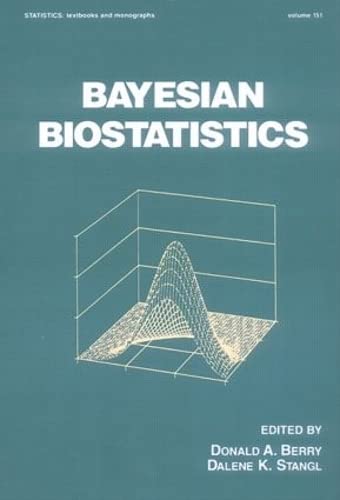
Bayesian Biostatistics (STATISTICS, A SERIES OF TEXTBOOKS AND MONOGRAPHS)
Related Products
View All
Sciences, Technology & Medicine
African Philosophy and the Epistemic Marginalization of Women (Routledge African Studies)

Sciences, Technology & Medicine
Evolution Interrupted: How We Change Nature and How Nature Changes Us
Sciences, Technology & Medicine
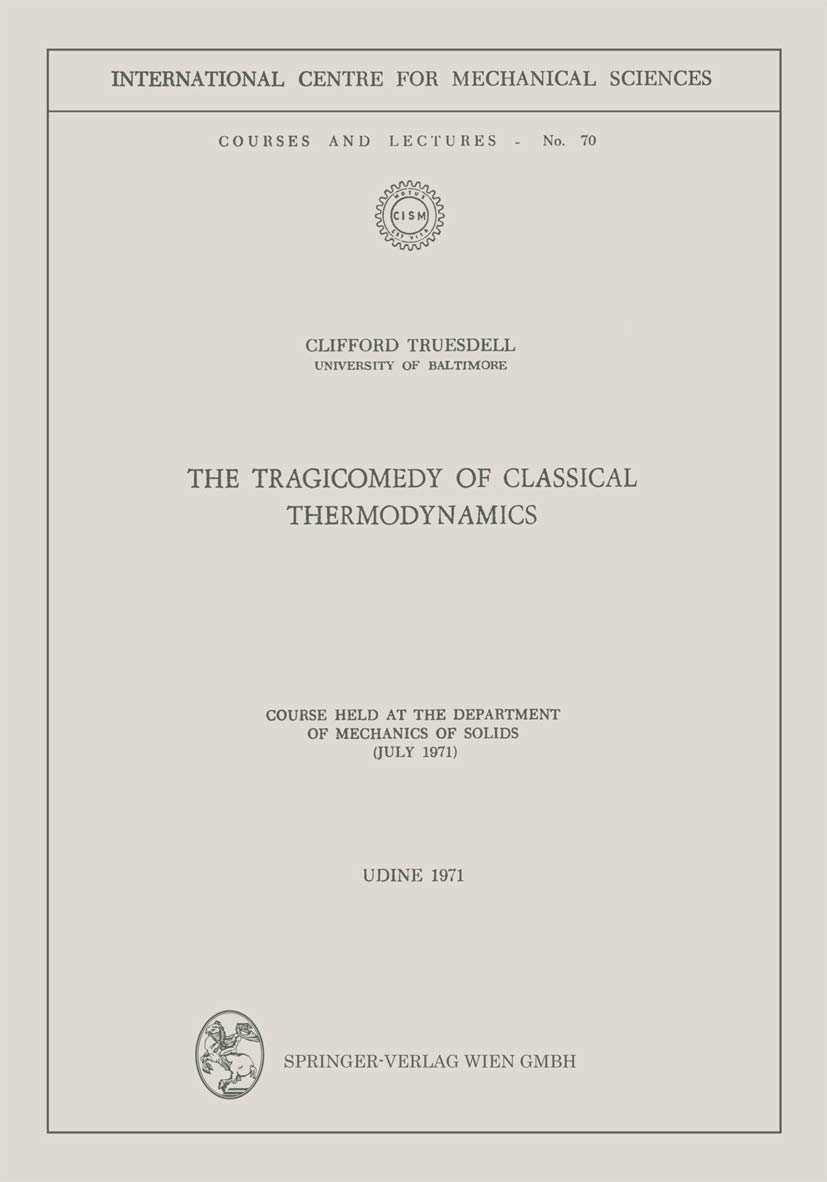
The Tragicomedy of Classical Thermodynamics: Course Held at the Department of Mechanics of Solids (July 1971): 70 (CISM International Centre for Mechanical Sciences)

Sciences, Technology & Medicine
DNA Repair Protocols: 113 (Methods in Molecular Biology)
Sciences, Technology & Medicine
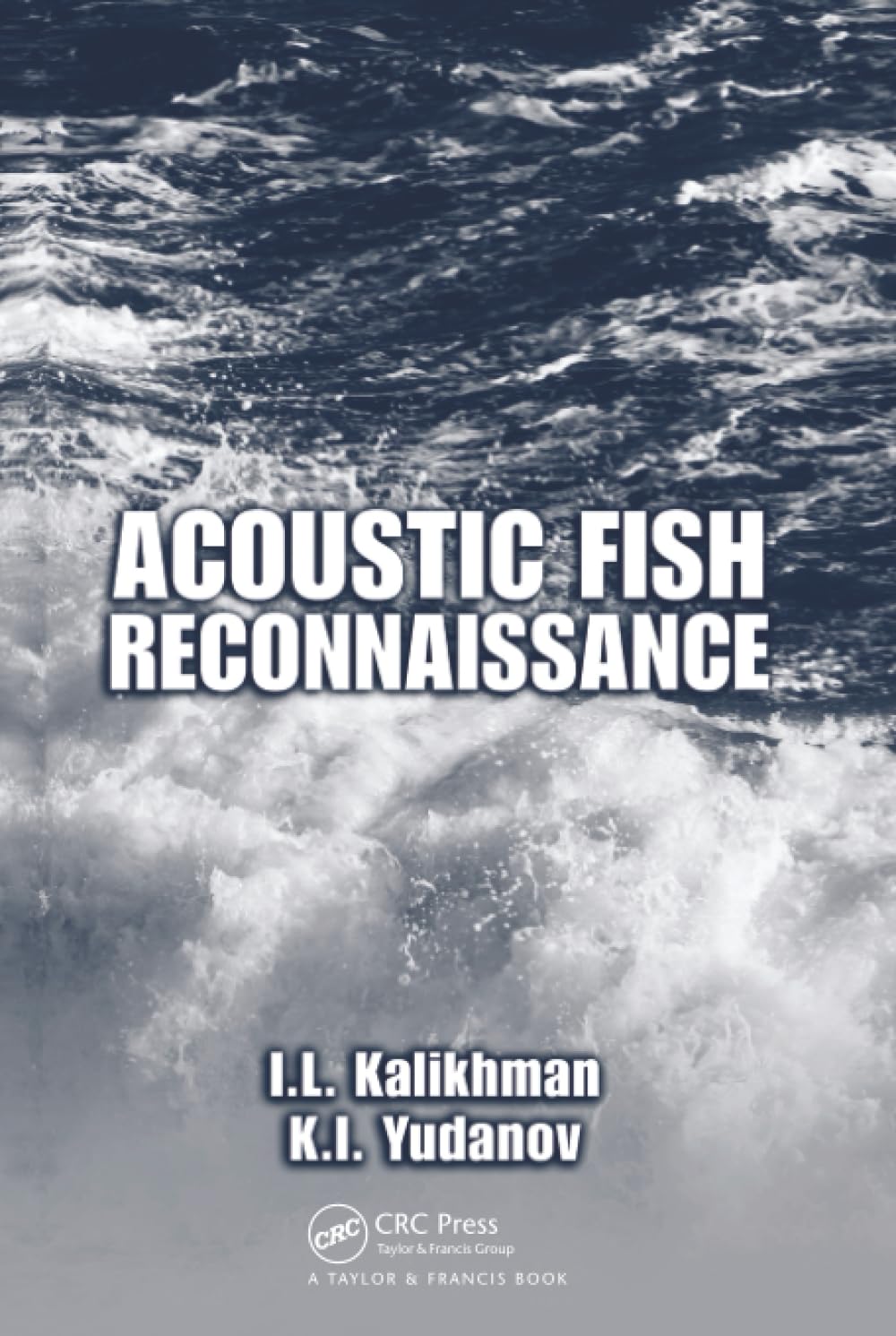
Acoustic Fish Reconnaissance: 32 (Marine Science, 32)

Sciences, Technology & Medicine