

Ecology and Historical Materialism
Inclusive of all applicable taxes. FREE shipping on all orders.
Available Offers
- 🚚Free Delivery — Free shipping on all orders
- 💵Cash on Delivery — Pay when your order arrives
- ↩️15-Day Easy Returns — Hassle-free return policy
- 🔒Cash on Delivery — Pay safely when your order arrives
Check Delivery
Product Description
Introduction
In an era of intensifying ecological crises, the relationship between Marxist theory and environmental thought has never been more relevant. Jonathan Hughes’ Ecology and Historical Materialism offers a rigorous and compelling intervention into debates that lie at the intersection of political economy, philosophy, and ecology. This hardcover edition from Cambridge University Press is an essential resource for Indian students, researchers, and activists seeking to understand how historical materialism can engage meaningfully with environmental challenges.
Book Overview
Hughes systematically dismantles the widely held assumption that Marxism is inherently ill-equipped to address ecological problems. Rather than treating Marx and Engels as proto-environmentalists, the book constructs a nuanced argument that the core concepts of historical materialism—particularly the development of productive forces and the theory of need—are not only compatible with ecological thinking but can be reinterpreted to provide a robust framework for environmental analysis. The author moves from a general discussion of environmental problems and ethical perspectives to a close reading of Marx’s method, his critique of Malthus, and his materialist conception of nature. Central to the book is a novel interpretation of the ‘development of the productive forces’ that accounts for the varying ecological impacts of different technologies while preserving the explanatory and normative roles this concept plays within Marx’s theory.
Key Highlights
- Challenging Orthodoxy: Directly confronts the criticism that Marxism is ecologically blind, offering a systematic defence grounded in textual evidence.
- Innovative Interpretation: Reinterprets historical materialism to incorporate ecological sensitivity without abandoning its core analytical commitments.
- Critical Engagement with Malthus: Provides a fresh analysis of Marx’s critique of Malthusian population theory, linking it to contemporary environmental concerns.
- Productive Forces and Ecology: Develops a sophisticated account of how different modes of production have distinct environmental footprints, challenging techno-optimist and techno-pessimist positions alike.
- Needs and Sustainability: Concludes with a compelling argument that the communist principle ‘to each according to his needs’ can be satisfied with a modest and ecologically feasible expansion of production.
Inside the Book
The book is structured in eight chapters, each building on the previous to construct a coherent argument. The opening chapters define the nature of environmental problems and survey ethical frameworks, including anthropocentrism and ecocentrism. Hughes then delves into Marx’s materialism, arguing that it entails a recognition of human dependence on nature, not its domination. A key chapter examines Marx’s critique of Malthus, showing how it anticipates modern ecological economics. The heart of the book is a detailed analysis of the concept of productive forces, where Hughes distinguishes between the scale and type of technology to explain differential ecological impacts. The final chapters explore the concept of human need in communist society, arguing that genuine need satisfaction is compatible with ecological limits.
Key Topics
- Marxism and environmental philosophy
- Historical materialism and ecological crisis
- Productive forces and technological change
- Malthusianism and its critics
- Human needs and sustainable development
- Dialectics of nature and society
- Eco-socialism and green political theory
Reader Benefits
Readers will gain a deeper understanding of how Marxist theory can be applied to contemporary environmental issues without reductionism or dogmatism. The book equips students with conceptual tools to critically evaluate both mainstream environmentalism and anti-capitalist ecology. It clarifies the often-misunderstood relationship between economic development and ecological sustainability, offering a path beyond the false choice between growth and conservation. For Indian readers, the analysis is particularly valuable given the tensions between rapid industrialisation, resource extraction, and environmental justice in the subcontinent.
Learning Outcomes
- Understand the philosophical foundations of Marx’s materialism and its ecological implications.
- Critically assess the claim that Marxism is inherently anti-ecological.
- Analyse the relationship between technological development and environmental impact within a historical materialist framework.
- Evaluate different ethical perspectives on environmental problems, including anthropocentrism and ecocentrism.
- Apply the concept of human need to debates about sustainable consumption and production.
- Develop a nuanced view of the possibilities for an eco-socialist future.
Who Should Read
This book is ideal for advanced undergraduate and postgraduate students in political science, sociology, environmental studies, philosophy, and economics. It will also appeal to researchers working at the intersection of Marxism and ecology, as well as activists and intellectuals engaged in eco-socialist movements. Anyone interested in understanding how classical Marxist ideas can be revitalised for the twenty-first century will find this work indispensable.
About the Author
Jonathan Hughes is a philosopher and political theorist known for his work on Marxism and environmental thought. He has taught at several British universities and published widely on the relationship between historical materialism and ecological issues. His scholarship is distinguished by its clarity, rigour, and willingness to engage sympathetically with critics of Marxism while defending its continued relevance.
About the Publisher
Cambridge University Press is one of the world’s oldest and most respected academic publishers, with a history dating back to 1534. Their publications in the humanities and social sciences are known for their scholarly excellence and editorial care. This hardcover edition reflects the Press’s commitment to producing durable, high-quality books for the academic community.
Conclusion
Ecology and Historical Materialism is a landmark work that bridges two often-hostile intellectual traditions. Jonathan Hughes demonstrates that Marxism, when properly understood, offers powerful resources for thinking about environmental problems—resources that are neither techno-optimist nor primitivist, but rooted in a realistic assessment of human dependence on nature and the possibilities for a just and sustainable society. For Indian readers grappling with the ecological consequences of rapid development, this book provides both analytical depth and political hope. It is a must-read for anyone serious about the intersection of social theory and environmental action.
Quick Summary
Ecology and Historical Materialism by Jonathan Hughes is a rigorous academic work that confronts the common misconception that Marxism cannot engage meaningfully with environmental issues. Hughes systematically examines the nature of environmental problems and the evaluative frameworks used to address them, then turns to Marx's own writings—particularly his critique of Malthus and his materialist method—to show that historical materialism inherently recognizes human dependence on nature. Central to the book is an innovative interpretation of the 'development of the productive forces,' which accounts for the varying ecological impacts of different technologies while preserving the concept's normative and explanatory roles within Marx's theory. The book concludes by exploring Marx's vision of a society based on the principle 'to each according to his needs,' arguing that such a society can be ecologically sustainable. This book is ideal for postgraduate students, researchers, and academics in political theory, environmental philosophy, and Marxist studies. By purchasing from Bookshops.in, Indian readers receive a genuine Cambridge University Press hardcover at a competitive price, with reliable delivery and customer support.
Book Highlights
Book Specifications
| ISBN-13 | 9780521660907 |
| ISBN-10 | 0521660904 |
| Publisher | Cambridge University Press |
| Language | English |
| Dimensions | 16.51 x 1.91 x 24.77 cm |
| Weight | 510 g |
| Country | India |
| Category | Biology & Life Sciences › Ecology |
| Genre | Non-fiction |
| Original Language | English |
Frequently Asked Questions
What is Ecology and Historical Materialism about?
Who is the author of this book?
Is this book suitable for Indian students?
Does the book cover Marx's critique of Malthus?
What is the main argument of the book?
Is this book only for academics?
What binding is this edition?
Does the book discuss sustainable development?
Can I use this book for my PhD research?
Is there a digital version available?
What is the ISBN-13?
Who is the publisher?
How is this book different from other Marxist ecology books?
Readers Also Search For
Customers Also Bought
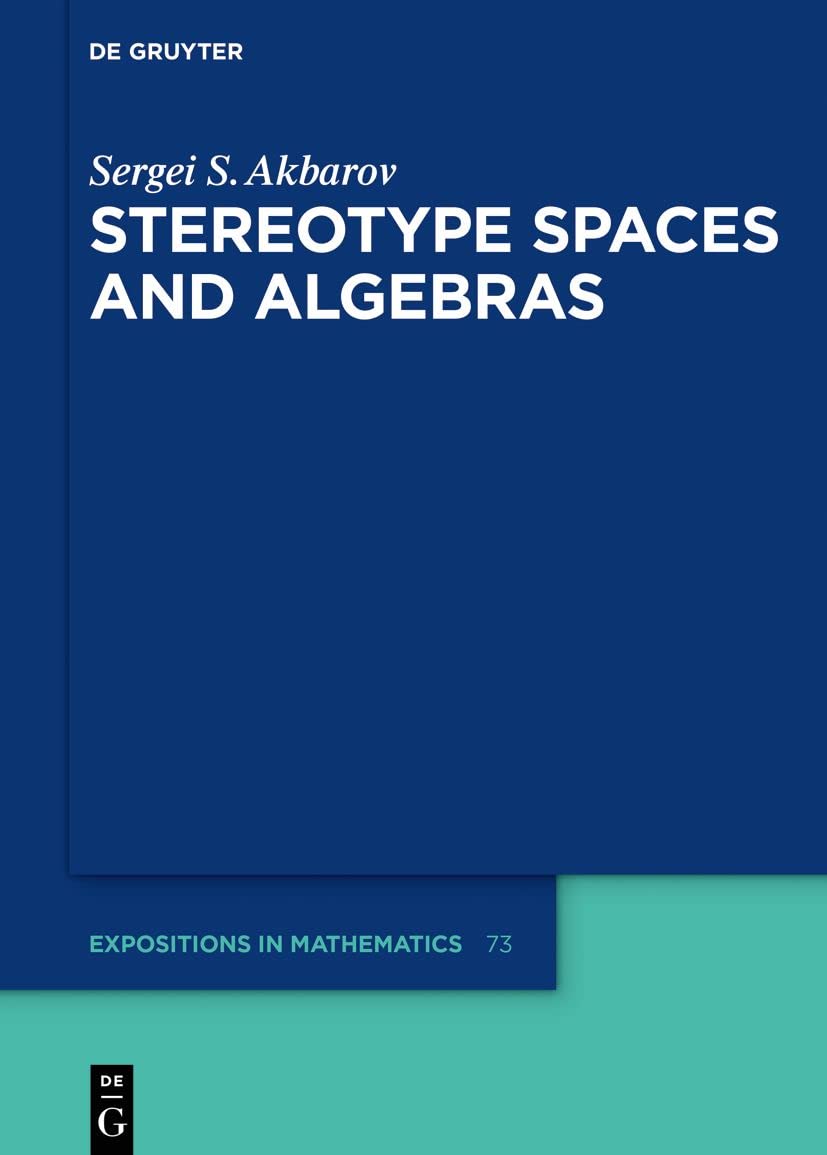
Mathematics
Stereotype Spaces and Algebras: 73 (De Gruyter Expositions in Mathematics, 73)
Mathematics
Semigroups in Algebra, Geometry and Analysis: 20 (De Gruyter Expositions in Mathematics, 20)
Mathematics
Geometry from the Pacific Rim: Proceedings of the Pacific Rim Geometry Conference held at National University of Singapore, Republic of Singapore, ... 1994 (De Gruyter Proceedings in Mathematics)
Mathematics
First International Tainan-Moscow Algebra Workshop: Proceedings of the International Conference held at National Cheng Kung University Tainan, Taiwan, ... 1994 (De Gruyter Proceedings in Mathematics)
Mathematics
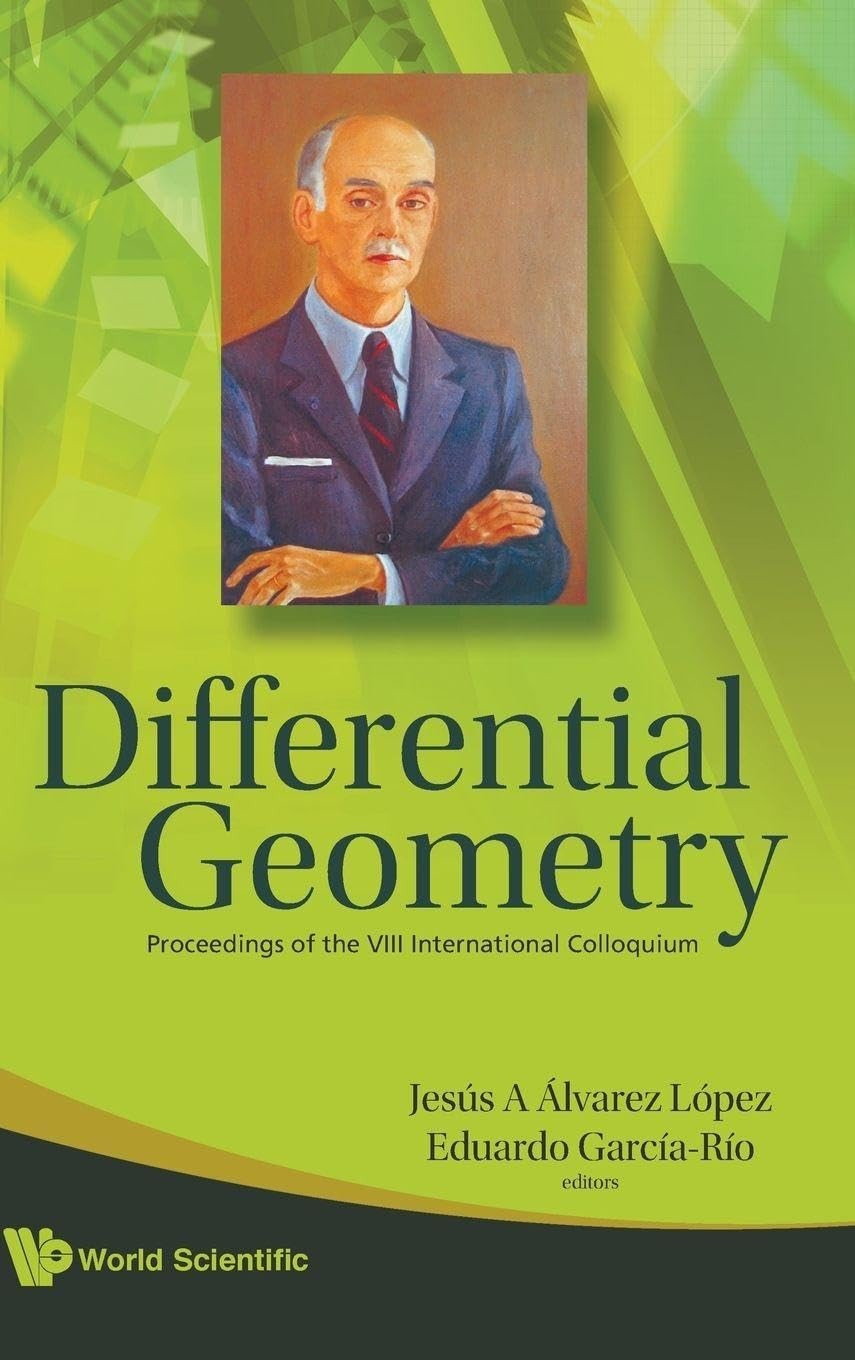
Differential Geometry - Proceedings of the VIII International Colloquium (English, Jesus A. Alvarez Lopez | Eduardo Garcia-Rio)
Mathematics
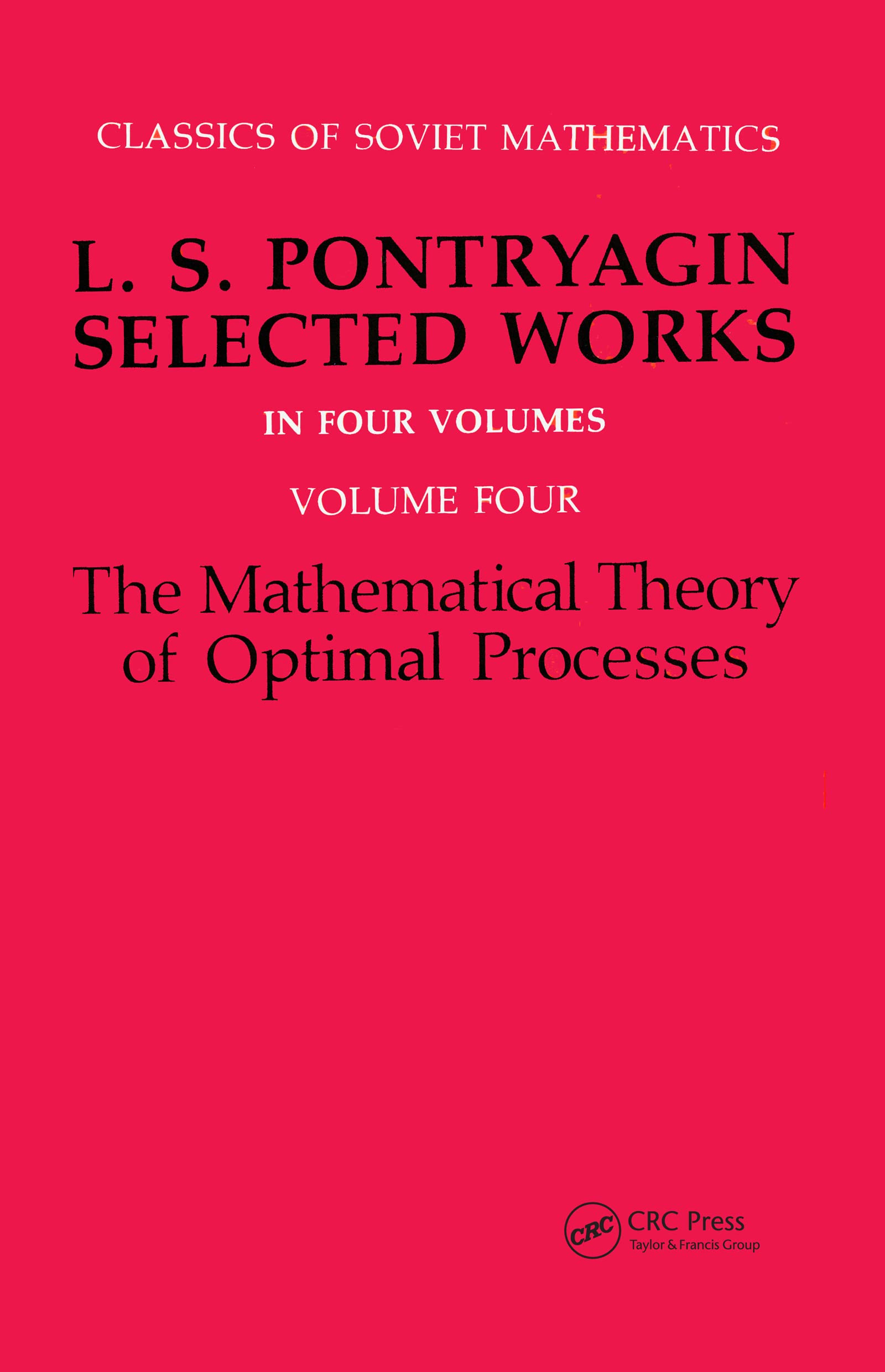
Mathematical Theory of Optimal Processes (Classics of Soviet Mathematics)
Related Products
View All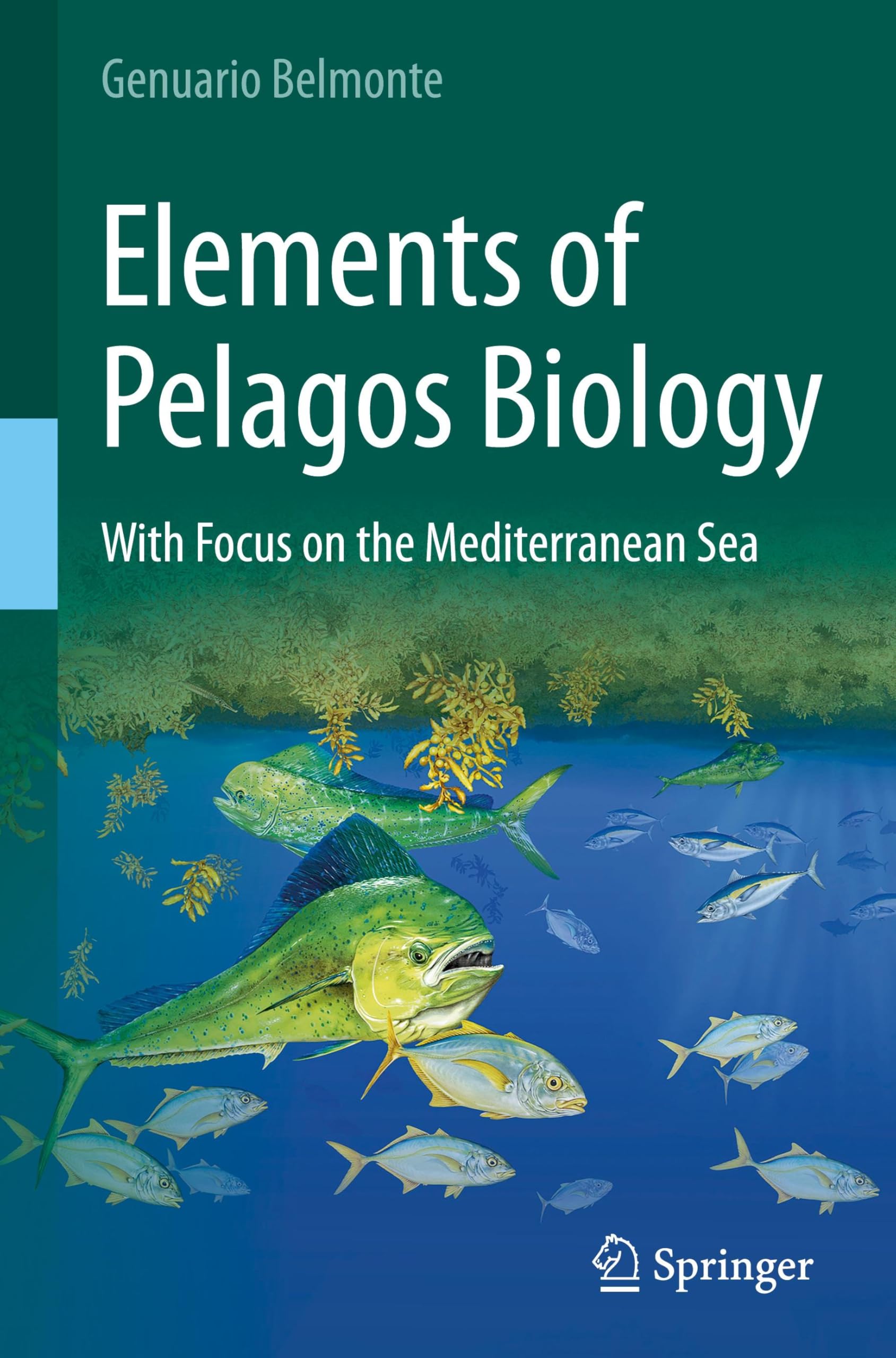
Science & Mathematics
Elements of Pelagos Biology: With Focus on the Mediterranean Sea
Science & Mathematics
Squid - Superconducting Quantum Interference Devices and Their Applications: Proceedings of the International Conference on Superconducting Quantum Devices, Berlin-west, October 4-8, 1976
Science & Mathematics
Thermodynamics and Pattern Formation in Biology
Science & Mathematics
The Nature of Mathematics and the Mathematics of Nature by S. Andersson – Mathematics & Science

Science & Mathematics
Linear Algebra | by Stephen Friedberg | Arnold Insel | Lawrence Spence | Pearson | by Stephen Friedberg | Arnold Insel | Lawrence Spence | Pearson | by Stephen Friedberg | Arnold Insel | Lawrence Spence | Pearson | by Stephen Friedberg | Arnold Insel | Lawrence Spence | Pearson | by Stephen Friedberg | Arnold Insel | Lawrence Spence | Pearson | by Stephen Friedberg | Arnold Insel | Lawrence Spence | Pearson | by Stephen Friedberg | Arnold Insel | Lawrence Spence | Pearson | by Stephen Friedberg
Science & Mathematics